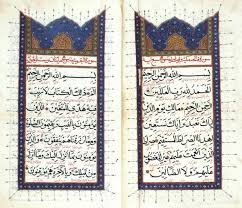
Surah-by-Surah Proof That Islam Is Third-Generation Persian Theology
The Third Inheritance
The Story We’re Told: Islam is the final revelation from Allah to Prophet Muhammad (570-632 CE), delivered through angel Jibril (Gabriel), recorded in the Quran, representing pure monotheistic truth independent of previous corrupted revelations.
The Historical Reality: Islam is the third-generation inheritance of Zoroastrian theology:
- First Generation: Zoroastrianism (1500-1000 BCE) establishes concepts
- Second Generation: Judaism absorbs them during Babylonian Exile (586-539 BCE)
- Third Generation: Christianity inherits from post-Exile Judaism (1st century CE)
- Fourth Generation: Islam inherits from both Judaism and Christianity (7th century CE)
What This Article Proves:
Every major Islamic concept is Zoroastrian:
- Paradise (Jannah) = Persian pairidaēza
- Hell (Jahannam) = Zoroastrian House of Lies
- Angels (Jibril, Mikail) = Amesha Spentas
- Satan (Iblis) = Angra Mainyu
- Day of Resurrection = Frashokereti
- The Bridge (Sirat) = Chinvat Bridge
- Final Savior (Mahdi) = Saoshyant
- Five daily prayers = Zoroastrian Gāh system
- Ritual washing = Zoroastrian purification
We will prove this:
- Word by word (etymology and loanwords)
- Surah by surah (concept mapping)
- Practice by practice (ritual parallels)
- Contact by contact (Muhammad’s specific exposure to Zoroastrian/Jewish/Christian sources)
The evidence is overwhelming. Islam is Persian theology in Arabic.
PART I: MUHAMMAD’S CONTACT WITH PERSIAN THEOLOGY
How Zoroastrian Concepts Reached Islam
Muhammad (570-632 CE) – Historical Context:
Geographic Location:
- Born in Mecca, Arabia
- Lived in Medina (Yathrib) from 622 CE
- Regions with significant Jewish and Christian presence
- Near Persian-influenced territories
Who Muhammad Encountered:
1. JEWISH TRIBES IN MEDINA
The Three Major Jewish Tribes:
Banu Qaynuqa (بنو قينقاع):
- Goldsmiths and traders
- Present in Medina
- Practiced Rabbinic (Pharisaic) Judaism
- Carried all post-Exile (= Persian-influenced) concepts
Banu Nadir (بنو نضير):
- Date farmers
- Scholarly reputation
- Had Hebrew scriptures
- Knowledge of Jewish eschatology
Banu Qurayza (بنو قريظة):
- Agricultural community
- Religious scholars among them
- Transmitted Jewish theology
What These Jews Taught:
- Resurrection (learned from Zoroastrianism during Exile)
- Heaven and Hell (Gan Eden and Gehenna – Persian concepts)
- Angels by name (Michael, Gabriel – Amesha Spenta structure)
- Satan as cosmic enemy (Angra Mainyu via post-Exile transformation)
- Final Judgment (Frashokereti via Jewish eschatology)
- The Messiah (Saoshyant via Jewish adaptation)
All of these concepts entered Judaism from Zoroastrianism during the Babylonian Exile.
Muhammad learned them from Jews who didn’t know they were teaching Persian theology.
2. WARAQAH IBN NAWFAL – THE CHRISTIAN CONNECTION
Who He Was:
- Cousin of Khadijah (Muhammad’s first wife)
- Christian (specifically Ebionite/Nazarene – Jewish Christian sect)
- Knew Hebrew and translated scriptures
- Scholar of Jewish and Christian texts
His Role:
- When Muhammad received first revelation (610 CE), Khadijah took him to Waraqah
- Waraqah confirmed Muhammad as prophet
- Taught Muhammad about biblical prophets
- Provided theological framework
What Waraqah Represented:
- Ebionite Christianity: Jewish Christian sect
- Maintained Jewish practices
- Accepted Jesus as prophet/messiah
- Rejected Trinity
- Carried full post-Exile Jewish theology = Persian concepts
What Muhammad Learned from Waraqah:
- Biblical prophets and their stories
- Jewish-Christian eschatology
- Concept of revelation through angels
- Framework of heaven, hell, resurrection, judgment
All derived from Persian Zoroastrianism via post-Exile Judaism and Christianity.
3. SALMAN AL-FARSI – THE PERSIAN DIRECTLY
Who He Was:
- Salman the Persian (سلمان الفارسي)
- Born in Persia (Iran)
- Originally Zoroastrian
- Converted to Christianity
- Traveled seeking truth
- Met Muhammad in Medina
- Became one of Muhammad’s closest companions
His Significance:
- DIRECT Persian connection to Muhammad
- Brought Persian cultural and religious knowledge
- Advised Muhammad on various matters
- Suggested digging trench during Battle of Khandaq (Persian military tactic)
What Salman Represented:
- Living bridge between Persian and Islamic cultures
- Carried memory of Zoroastrian concepts (even after converting)
- Could explain Persian religious ideas
- May have been conduit for Zoroastrian concepts into Islam
Hadith About Salman:
“Salman is one of us, the people of the House” – Muhammad
Implication: Muhammad valued Salman highly, considered him family, suggesting significant influence.
4. THE PERSIAN EMPIRE CONTEXT
Geographic Reality:
Persian Sasanian Empire (224-651 CE):
- Zoroastrian state religion
- Controlled territories adjacent to Arabia
- Trade routes passed through Persian lands
- Cultural influence spread into Arabia
Arab-Persian Contact:
- Merchants traveled between Arabia and Persia
- Cultural exchange inevitable
- Religious ideas shared through trade
- Persian concepts known in Arabia
Yemen Connection:
- Southern Arabia had Persian influence
- Persian governors ruled parts of Yemen
- Zoroastrian presence in region
- Muhammad’s grandfather visited Yemen, may have encountered Persian traders
5. THE HANIFS – PRE-ISLAMIC MONOTHEISTS
Who They Were:
- Pre-Islamic Arab monotheists
- Rejected paganism
- Sought “religion of Abraham”
- Some had contact with Jews, Christians, possibly Persians
Known Hanifs:
- Waraqa ibn Nawfal (mentioned above)
- Zayd ibn Amr
- Uthman ibn al-Huwayrith
- Ubayd-Allah ibn Jahsh
What They Represented:
- Movement toward monotheism in Arabia
- Synthesis of Jewish, Christian, and possibly Persian ideas
- Prepared ground for Islam
- Muhammad influenced by this movement
THE TRANSMISSION CHAIN
Zoroastrianism (~1000 BCE)
         ↓
Judaism (absorbed during Exile, 586-539 BCE)
         ↓
Christianity (inherited from Judaism, 1st century CE)
         ↓
┌────────┴────────┐
│                 │
Jewish Tribes    Waraqah (Christian)
in Medina        └─────┬─────┘
    │                  │
    └──────┬───────────┘
           │
    MUHAMMAD (610-632 CE)
           │
       ISLAM
Plus Direct Persian Input:
- Salman al-Farsi (Persian companion)
- Persian Empire proximity
- Trade and cultural exchange
Result: Muhammad received Zoroastrian concepts third-hand through Judaism and Christianity, plus possible direct Persian influence through Salman.
PART II: PERSIAN LOANWORDS IN THE QURAN
The Linguistic Smoking Gun
The Claim: Quran is pure Arabic revelation, every word from Allah.
The Reality: Quran contains numerous non-Arabic loanwords, many from Persian (and Aramaic, which itself contains Persian loanwords from Babylonian Exile period).
Note: Islamic scholars acknowledge these loanwords exist. The question is what they reveal about origins of concepts.
DIRECT PERSIAN LOANWORDS
1. Firdaws (فِرْدَوْس) – Paradise
Quranic Usage:
- Surah 18:107: “Indeed, those who have believed and done righteous deeds – they will have the Gardens of Paradise (Jannatu al-Firdawsi) as a lodging”
- Surah 23:11: “Who will inherit al-Firdaws“
Etymology:
- From Persian: pairidaēza (پردیس)
- Via: Greek paradeisos, Aramaic pardaysa
- Into Arabic: firdaws
- Meaning: Walled garden, paradise, highest heaven
The Significance:
- Highest level of paradise in Islam is called by Persian word
- Not Arabic word for garden (jannah), but specific Persian term
- Quran uses Persian word when describing ultimate heavenly reward
- Direct linguistic link to Zoroastrian concept of paradise (Garō Dəmāna)
2. Sijjīl (سِجِّيل) – Baked Clay / Record
Quranic Usage:
- Surah 105:4: “Striking them with stones of sijjīl” (punishment of elephant army)
- Surah 11:82, 15:74, 51:33: Punishment of Lot’s people
Etymology:
- From Persian: sang-i-gil (سنگ گل)
- Meaning: Stone-clay, hard-baked clay
- Compound: sang (stone) + gil (clay)
The Significance:
- Technical term for divine punishment material
- Persian compound word borrowed into Arabic
- Shows Persian cultural/linguistic influence on Quranic vocabulary
3. Istabraq (إِسْتَبْرَق) – Silk Brocade
Quranic Usage:
- Surah 18:31: “They will wear garments of fine green silk and heavy brocade (istabraq)”
- Surah 44:53, 55:54, 76:21: Describing paradise clothing
Etymology:
- From Middle Persian: stabr or stabragh
- Meaning: Thick silk, brocade
- Via: Aramaic istabraqā
The Significance:
- Paradise described using Persian luxury textile term
- Persian material culture associated with divine reward
- Linguistic evidence of Persian influence on Islamic paradise concept
4. Salsabīl (سَلْسَبِيل) – Spring in Paradise
Quranic Usage:
- Surah 76:18: “A spring there called Salsabīl“
Etymology:
- Disputed but likely Persian origin
- Possible: sal (year) + sabīl (way/path) = “flowing continuously”
- Or: Persian compound describing eternal flowing water
The Significance:
- Name of specific spring in Islamic paradise
- Persian linguistic structure
- Shows Persian conceptualization of paradise features
5. Zanjabīl (زَنْجَبِيل) – Ginger
Quranic Usage:
- Surah 76:17: “They will be given to drink a cup whose mixture is zanjabīl“
Etymology:
- From Persian: zanjabīl (زنجبیل)
- Originally from Sanskrit: śṛṅgavera
- Via Persian into Arabic
The Significance:
- Paradise beverage described with Persian-derived word
- Shows trade vocabulary and cultural exchange
- Persian language influenced Quranic paradise descriptions
ARAMAIC LOANWORDS (WITH PERSIAN ORIGINS)
Aramaic was lingua franca of Persian Empire during Babylonian Exile. Many Aramaic words in Quran have underlying Persian origins from this period.
6. Jahannam (جَهَنَّم) – Hell
Quranic Usage:
- Used 77 times in Quran
- Surah 2:206, 3:12, 4:55, etc.
Etymology:
- From Hebrew: Gehenna (גיהנום)
- Which comes from: Gei Hinnom (Valley of Hinnom outside Jerusalem)
- Originally: Place of child sacrifice (2 Kings 23:10)
- Transformed post-Exile: Symbol of divine punishment and hellfire
The Persian Connection:
- Concept of moral punishment in afterlife = Persian (Drujō Dəmāna – House of Lies)
- Pre-Exile: Sheol (neutral pit for all dead)
- Post-Exile: Gehenna (fiery punishment) – after Persian contact
- Islam inherits via Hebrew Gehenna → Arabic Jahannam
The Significance:
- Primary Islamic term for hell is Hebrew word
- Hebrew concept itself derived from Persian Zoroastrian afterlife punishment
- Third-generation Persian concept in Arabic form
7. Jannah (جَنَّة) – Paradise/Garden
Quranic Usage:
- Used 147 times in Quran
- Surah 2:35, 7:19, etc.
Etymology:
- Arabic root: j-n-n (جنن) = to cover, conceal, hide
- Meaning: Garden, concealed/hidden place
- But concept parallels Persian pairidaēza (walled/enclosed garden)
The Connection:
- While jannah is Arabic word, the concept is Persian
- Paradise as enclosed garden = Zoroastrian pairidaēza
- Quran uses both jannah (Arabic) and firdaws (Persian) for paradise
- Concept and word both trace to Persian origins
8. Malak / Malāʾika (مَلَك / مَلائِكَة) – Angel(s)
Quranic Usage:
- Used 88 times in Quran
- Surah 2:30-34, 6:50, etc.
Etymology:
- From Hebrew: mal’akh (מַלְאָךְ) = messenger
- Via Aramaic: malakhā
- Into Arabic: malak
The Persian Connection:
- Pre-Exile Hebrew: Generic unnamed messengers
- Post-Exile Hebrew: Named angels (Michael, Gabriel) appear – after Persian contact
- Pattern matches Zoroastrian Amesha Spentas (holy immortals serving Ahura Mazda)
- Islam inherits concept via Hebrew
Named Angels in Quran:
- Jibrīl (جِبْرِيل) = Gabriel (from Hebrew Gavri’el)
- Mīkāl (مِيكَال) = Michael (from Hebrew Mikha’el)
- Both names first appear in post-Exile Hebrew texts (Daniel)
The Significance:
- Islamic angelology is Hebrew angelology
- Hebrew angelology is Zoroastrian Amesha Spentas structure
- Third-generation Persian concept
9. Shayṭān (شَيْطَان) – Satan/Devil
Quranic Usage:
- Used 88 times in Quran
- Surah 2:36, 7:20-22, etc.
Etymology:
- From Hebrew: satan (שָּׂטָן) = adversary
- Via Aramaic: sāṭānā
- Into Arabic: shayṭān
The Persian Connection:
- Pre-Exile Hebrew: ha-satan = “the accuser” (Job) – God’s prosecutor, not cosmic enemy
- Post-Exile Hebrew: Satan = cosmic adversary – after Persian contact
- Matches Zoroastrian Angra Mainyu (destructive spirit opposing Ahura Mazda)
- Islam inherits concept via Hebrew
Quranic Iblis:
- Iblīs (إِبْلِيس) = from Greek diabolos (διάβολος) = “slanderer”
- Used interchangeably with Shayṭān
- Function identical to Angra Mainyu: cosmic tempter, source of evil
The Significance:
- Islamic devil concept is Hebrew Satan
- Hebrew Satan transformed from prosecutor to cosmic enemy after Persian contact
- Third-generation Angra Mainyu
PART III: SURAH-BY-SURAH ZOROASTRIAN CONCEPT MAPPING
Proving Every Major Islamic Doctrine Is Persian
Method:
- Identify key Islamic concepts in specific surahs
- Show Zoroastrian original
- Document transmission path (Zoroastrianism → Judaism → Christianity → Islam)
SURAH 1: AL-FATIHAH (THE OPENER)
The Most Recited Quranic Verses:
“In the name of Allah, the Entirely Merciful, the Especially Merciful. [All] praise is [due] to Allah, Lord of the worlds – The Entirely Merciful, the Especially Merciful, Sovereign of the Day of Recompense. It is You we worship and You we ask for help. Guide us to the straight path – The path of those upon whom You have bestowed favor, not of those who have evoked [Your] anger or of those who are astray.”
Zoroastrian Concepts:
1. “Sovereign of the Day of Recompense” (يَوْمِ الدِّينِ)
- Concept: Final judgment day
- Zoroastrian Original: Frashokereti (final renovation) with Chinvat Bridge judgment
- Transmission: Zoroastrianism → Post-Exile Judaism (Daniel 7-12) → Christianity → Islam
2. “Guide us to the Straight Path” (الصِّرَاطَ الْمُسْتَقِيمَ)
- Arabic: aṣ-ṣirāṭ al-mustaqīm
- Concept: The righteous path
- Zoroastrian Original: Asha (𐬀𐬴𐬀) – cosmic truth, order, righteous path
- Also: Chinvat Bridge (Chinvat Peretu) – bridge souls cross for judgment
- Transmission: Direct conceptual parallel
The Significance: The most recited Islamic prayer contains two core Zoroastrian concepts:
- Final judgment day
- The straight path (Asha)
SURAH 2: AL-BAQARAH (THE COW)
Key Verses with Zoroastrian Concepts:
Verse 2:25 – Paradise Description:
“And give good tidings to those who believe and do righteous deeds that they will have gardens beneath which rivers flow…”
Zoroastrian Parallel:
- Garō Dəmāna (House of Song) – Zoroastrian paradise
- Gardens with flowing water
- Reward for righteous
- Persian pairidaēza = walled garden with water
Verse 2:30-34 – Angels and Iblis:
“And [mention] when your Lord said to the angels, ‘Indeed, I will make upon the earth a successive authority…’ And We said, ‘O Adam, dwell, you and your wife, in Paradise…'” “Then Satan caused them to slip…”
Zoroastrian Parallels:
- Angels = Amesha Spentas structure (post-Exile Hebrew)
- Satan (Shayṭān) = Angra Mainyu (via post-Exile Hebrew Satan)
- Paradise = Garō Dəmāna / pairidaēza
- Fall narrative = Corruption by evil (Angra Mainyu corrupts Ahura Mazda’s creation)
Verse 2:61 – Prophets and Rejection:
“And [recall] when you slew the prophets…”
Zoroastrian Context:
- Concept of prophets bringing divine message
- Zoroaster as first prophet model
- Rejected by some, accepted by others
Verse 2:177 – Belief Requirements:
“…but [true] righteousness is [in] one who believes in Allah, the Last Day, the angels, the Book, and the prophets…”
All Zoroastrian-Derived:
- Last Day = Frashokereti
- Angels = Amesha Spentas (via Hebrew)
- Prophets = Zoroaster model
Verse 2:210 – Divine Judgment:
“Do they await but that Allah should come to them in covers of clouds and the angels [as well] and the matter is [then] decided?”
Zoroastrian Parallel:
- Final judgment with divine manifestation
- Angels present at judgment
- Frashokereti scenario exactly
SURAH 4: AN-NISA (THE WOMEN)
Verse 4:136 – Articles of Faith:
“O you who have believed, believe in Allah and His Messenger and the Book… And whoever disbelieves in Allah, His angels, His books, His messengers, and the Last Day has certainly gone far astray.”
Complete Zoroastrian Framework:
- Allah = Ahura Mazda concept (via Judaism/Christianity)
- Angels = Amesha Spentas (via Hebrew angelology)
- Books/Revelation = Avestan tradition of sacred texts
- Messengers/Prophets = Zoroaster as prophet model
- Last Day = Frashokereti
Every article of Islamic faith is Zoroastrian-derived.
SURAH 7: AL-A’RAF (THE HEIGHTS)
Verse 7:40 – Judgment and Heaven:
“Indeed, those who deny Our verses and are arrogant toward them – the gates of Heaven will not be opened for them…”
Zoroastrian Concepts:
- Gates of Heaven = Entry to Garō Dəmāna
- Judgment determining entry = Chinvat Bridge
- Arrogance vs. humility = Choosing Druj (lie) vs. Asha (truth)
Verse 7:44 – Paradise Announcement:
“And the companions of Paradise will call out to the companions of the Fire, ‘We have already found what our Lord promised us to be true…'”
Zoroastrian Parallel:
- Separation of righteous and wicked
- Paradise vs. Fire
- House of Song vs. House of Lies exactly
SURAH 18: AL-KAHF (THE CAVE)
Verse 18:107 – Firdaws (Persian Paradise):
“Indeed, those who have believed and done righteous deeds – they will have the Gardens of Paradise as a lodging”
Arabic: Jannatu al-Firdawsi (جَنَّاتُ الْفِرْدَوْسِ)
Direct Persian Word:
- Firdaws = from Persian pairidaēza
- Highest level of Islamic paradise named with Persian term
- Explicit linguistic connection to Zoroastrian paradise
SURAH 23: AL-MU’MINUN (THE BELIEVERS)
Verse 23:11 – Inheriting Firdaws:
“Who will inherit al-Firdaws. They will abide therein eternally.”
Zoroastrian Concept:
- Eternal dwelling in paradise
- Persian word for ultimate reward
- Direct continuity from Zoroastrian Garō Dəmāna
SURAH 75: AL-QIYAMAH (THE RESURRECTION)
Entire Surah About Resurrection:
Verse 75:1-6:
“I swear by the Day of Resurrection And I swear by the reproaching soul. Does man think that We will not assemble his bones? Yes. [We are] Able [even] to proportion his fingertips. But man desires to continue in sin. He asks, ‘When is the Day of Resurrection?'”
Zoroastrian Parallel:
- Bodily resurrection = Zoroastrian doctrine (~1000 BCE)
- First appears in Hebrew in Daniel 12:2 (post-Exile)
- Christianity centers on resurrection
- Islam inherits concept
- Third-generation Zoroastrian resurrection doctrine
Verse 75:22-23:
“[Some] faces, that Day, will be radiant, Looking at their Lord.”
Zoroastrian Concept:
- Righteous behold divine light (Ahura Mazda’s light)
- Face-to-face with divine
- Beatific vision in Garō Dəmāna
SURAH 76: AL-INSAN (THE HUMAN)
Verses 76:5-22 – Paradise Description:
Verse 76:13-16:
“They will be reclining on thrones… circulated among them will be plates and vessels of silver and cups of crystal… And there will be circulated among them a cup [of wine] whose mixture is of ginger [zanjabīl]”
Verse 76:18:
“A spring there called Salsabīl“
Verse 76:21:
“They will wear garments of fine green silk and heavy brocade [istabraq]”
Persian Elements:
- Zanjabīl (ginger) = Persian-derived word
- Salsabīl = Persian name for paradise spring
- Istabraq (silk brocade) = Persian textile term
The Significance: Islamic paradise described using Persian luxury vocabulary, Persian geographical names, Persian material culture.
SURAH 82: AL-INFITAR (THE CLEAVING)
Verse 82:10-12:
“And indeed, [appointed] over you are keepers, Noble and recording; They know whatever you do.”
Zoroastrian Parallel:
- Recording angels = concept of deeds being recorded
- Zoroastrian: Every thought, word, deed recorded
- Judgment based on record
- Chinvat Bridge: Soul’s deeds weighed
SURAH 99: AL-ZALZALAH (THE EARTHQUAKE)
Verses 99:6-8:
“That Day, the people will depart separated [into categories] to be shown [the result of] their deeds. So whoever does an atom’s weight of good will see it, And whoever does an atom’s weight of evil will see it.”
Zoroastrian Parallel:
- Deeds weighed precisely
- Chinvat Bridge: Good and evil weighed
- Exact accounting of every action
- Individual judgment based on moral choices
PART IV: ISLAMIC PRACTICES = ZOROASTRIAN RITUALS
Beyond Words: Ritual Parallels
1. FIVE DAILY PRAYERS (SALAH)
Islamic Practice:
- Fajr (فجر) – Dawn
- Dhuhr (ظهر) – Noon/Midday
- Asr (عصر) – Afternoon
- Maghrib (مغرب) – Sunset
- Isha (عشاء) – Night
Zoroastrian Practice: Gāh System
- Hāvani – Dawn to noon
- Rapithwina – Noon to mid-afternoon
- Uziren – Mid-afternoon to sunset
- Aiwisruthrem – Sunset to midnight
- Ushahin – Midnight to dawn
The Parallel:
- Exact same number: 5 prayer times
- Same solar-based timing: Dawn, noon, afternoon, sunset, night
- Same principle: Structured daily worship at specific times
- Zoroastrian system: ~1000 BCE
- Islamic system: 7th century CE
The Connection:
- Muhammad had contact with Persian Salman al-Farsi
- Five daily prayers not mentioned in Quran (only general prayer command)
- Established through hadith and practice
- Pattern identical to Zoroastrian Gāh system
2. RITUAL WASHING (WUDU)
Islamic Practice:
- Wuḍūʾ (وضوء) – Ablution before prayer
- Washing face, hands, arms, head, feet
- Mandatory before each of five daily prayers
- Purification ritual
Zoroastrian Practice:
- Ritual washing before prayer (mandatory)
- Washing hands, face, feet
- Purification before approaching sacred fire
- Ancient practice (documented in Achaemenid period)
The Parallel:
- Both require washing before prayer
- Both emphasize physical purity reflecting spiritual purity
- Both make it mandatory, not optional
- Both use water as purifying agent
The Connection:
- Concept of ritual purity through washing
- Pre-Islamic Arabs: No systematic ritual washing requirement
- Islam institutes practice matching Zoroastrian purification rites
3. FACING DIRECTION DURING PRAYER
Islamic Practice:
- Face Qibla (قبلة) – direction of Kaaba in Mecca
- All Muslims worldwide face same direction
- Unifies prayer orientation
Zoroastrian Practice:
- Face sacred fire during prayer
- Or face direction of fire temple
- Unified orientation toward divine symbol
Jewish Practice (Post-Exile):
- Face Jerusalem during prayer
- Daniel 6:10: “He got down on his knees three times a day and prayed and gave thanks before his God, as he had done previously, with his windows open toward Jerusalem“
- This practice appears AFTER Babylonian Exile (Persian period)
The Pattern:
- Zoroastrians face fire (ancient)
- Jews adopt facing sacred direction after Exile (Persian influence)
- Muslims face Qibla (7th century)
- All three: Directional prayer orientation
4. EMPHASIS ON FIRE/LIGHT
Quranic Light Verse – Surah 24:35:
“Allah is the Light of the heavens and the earth. The example of His light is like a niche within which is a lamp, the lamp is within glass, the glass as if it were a pearly [white] star lit from [the oil of] a blessed olive tree… Light upon light…”
Zoroastrian Concept:
- Ahura Mazda = Divine Light
- Sacred Fire represents divine presence
- Fire temples central to worship
- Light vs. Darkness = Asha vs. Druj
The Connection:
- Islam emphasizes Allah as light
- Mosques use extensive lighting/lamps
- Conceptual framework: light = divine = good
- Pattern matches Zoroastrian fire/light worship
5. PARADISE AS GARDEN WITH RIVERS
Quranic Description (Multiple Surahs):
- Gardens (jannah) with rivers flowing beneath
- Trees, fruits, shade
- Springs and flowing water
- Enclosed, peaceful place
Zoroastrian Original:
- Pairidaēza (پردیس) = Walled garden with water
- Paradise as lush garden
- Rivers and springs
- Trees bearing fruit
- This is the Persian garden concept
The Evidence:
- Pre-Islamic Arabia: Desert culture, gardens rare
- Paradise concept: Not native to Arabian experience
- Borrowed from Persian garden imagery
- Even uses Persian word (firdaws) for highest paradise
6. THE BRIDGE (AS-SIRAT)
Islamic Concept:
- As-Sirat (الصراط) = Bridge over hellfire
- All souls must cross
- Righteous cross easily to paradise
- Wicked fall into hell
- Bridge described as “thinner than hair, sharper than sword”
Zoroastrian Original:
- Chinvat Bridge (پل چینوت) = Bridge of Judgment
- All souls must cross after death
- Righteous: Bridge widens, easy crossing to House of Song
- Wicked: Bridge narrows to razor edge, fall to House of Lies
- Ancient Zoroastrian doctrine
The Parallel:
- Identical concept
- Same function (judgment/separation)
- Same imagery (bridge, crossing, falling)
- Same outcome (paradise vs. hell based on deeds)
The Connection:
- Not mentioned explicitly in Quran
- Established through hadith
- Direct borrowing from Zoroastrian Chinvat Bridge
- Third-generation Persian concept
7. GOOD THOUGHTS, GOOD WORDS, GOOD DEEDS
Islamic Emphasis:
- Righteous thoughts (niyyah – intention)
- Good words (speaking truth, kindness)
- Good deeds (righteous actions)
- All three required for salvation
Zoroastrian Foundation:
- Humata, Hukhta, Hvarshta
- Good Thoughts, Good Words, Good Deeds
- Core ethical triad of Zoroastrianism
- Ancient doctrine (~1000 BCE)
The Pattern:
- Islam emphasizes same three-part moral framework
- Not explicitly stated as triad in Quran
- But practice reflects same structure
- Zoroastrian ethical foundation adopted
PART V: THE AL-MAHDI = SAOSHYANT
The Islamic Messiah Figure
Islamic Doctrine (Primarily Shia, but also Sunni hadith):
Al-Mahdi (المهدي) – “The Guided One”:
- Will appear before Day of Judgment
- Defeat the Dajjal (False Messiah/Antichrist)
- Establish justice and peace
- Rule before end times
- Prepare world for Day of Resurrection
- Jesus (Isa) will return and pray behind Mahdi
Zoroastrian Original:
Saoshyant (سوشیانت) – “World Renovator”:
- Will appear at end of time
- Defeat Angra Mainyu and forces of evil
- Lead final battle
- Bring about Frashokereti (final renovation)
- Resurrect the dead
- Purify world and restore it to perfection
- Ancient Zoroastrian prophecy (~1000 BCE)
The Exact Parallel:
| Aspect | Al-Mahdi (Islam) | Saoshyant (Zoroastrianism) |
|---|---|---|
| Timing | Before Day of Judgment | At end of time / Frashokereti |
| Role | Guided savior | World renovator |
| Function | Defeat evil (Dajjal) | Defeat evil (Angra Mainyu) |
| Battle | Final conflict | Final battle |
| Outcome | Establish justice | Restore world to perfection |
| Associated with | Jesus’s return | Resurrection of dead |
| Prepares for | Day of Resurrection | Frashokereti (final renovation) |
The Transmission:
Saoshyant (Zoroastrian, ~1000 BCE)
         ↓
Mashiach/Messiah (Jewish, post-Exile)
         ↓
Christ (Christian, 1st century)
         ↓
Al-Mahdi (Islamic, 7th century+)
Same concept, different names, identical function.
PART VI: COMPLETE CONCEPT MAPPING
Every Major Islamic Doctrine Traced to Zoroastrianism
Master Table:
| Islamic Concept | Arabic Term | Zoroastrian Original | First Jewish Appearance | Timeline |
|---|---|---|---|---|
| Paradise | Jannah / Firdaws | Pairidaēza (Garō Dəmāna) | Post-Exile (pardes) | Zoroastrian: ~1000 BCE → Jewish: post-539 BCE → Islamic: 7th century CE |
| Hell | Jahannam | Drujō Dəmāna (House of Lies) | Post-Exile (Gehenna) | Zoroastrian: ~1000 BCE → Jewish: post-539 BCE → Islamic: 7th century CE |
| Resurrection | Yawm al-Qiyamah | Ristākhiz / Frashokereti | Post-Exile (Daniel 12:2) | Zoroastrian: ~1000 BCE → Jewish: ~165 BCE → Islamic: 7th century CE |
| Angels | Malāʾika (Jibrīl, Mīkāl) | Amesha Spentas | Post-Exile (Gabriel, Michael in Daniel) | Zoroastrian: ~1000 BCE → Jewish: post-Exile → Islamic: 7th century CE |
| Satan/Devil | Shayṭān / Iblīs | Angra Mainyu | Post-Exile (Satan as adversary) | Zoroastrian: ~1000 BCE → Jewish: post-Exile → Islamic: 7th century CE |
| Final Judgment | Yawm ad-Dīn | Chinvat Bridge / Frashokereti | Post-Exile (Daniel 7-12) | Zoroastrian: ~1000 BCE → Jewish: post-Exile → Islamic: 7th century CE |
| The Bridge | As-Sirat | Chinvat Bridge | Not in Hebrew Bible | Zoroastrian: ~1000 BCE → Islamic: 7th century CE (direct) |
| Final Savior | Al-Mahdi | Saoshyant | Post-Exile (Messiah) | Zoroastrian: ~1000 BCE → Jewish: post-Exile → Islamic: 7th century CE |
| Cosmic Dualism | Light vs. Darkness | Asha vs. Druj | Post-Exile (Dead Sea Scrolls) | Zoroastrian: ~1000 BCE → Jewish: post-Exile → Islamic: 7th century CE |
| 5 Daily Prayers | Salah (5x) | Gāh system (5x) | Post-Exile (3x) | Zoroastrian: ancient → Islamic: 7th century CE |
| Ritual Washing | Wuḍūʾ | Zoroastrian purification | Post-Exile intensification | Zoroastrian: ancient → Islamic: 7th century CE |
| Recording Angels | Kiraman Katibin | Deeds recorded | Post-Exile concept | Zoroastrian: ancient → Islamic: 7th century CE |
| Straight Path | As-Sirat al-Mustaqim | Asha (cosmic truth/order) | Post-Exile emphasis | Zoroastrian: ~1000 BCE → Islamic: 7th century CE |
The Pattern:
- Every single major Islamic concept existed in Zoroastrianism ~1000 BCE
- Entered Judaism during Babylonian Exile (586-539 BCE)
- Christianity inherited from post-Exile Judaism (1st century CE)
- Islam inherited from both Judaism and Christianity (7th century CE)
Result: Islam is fourth-generation Zoroastrianism (Zoroastrianism → Judaism → Christianity → Islam)
PART VII: THE SMOKING GUN – SURAH 17:1 (NIGHT JOURNEY)
Muhammad’s Vision and Persian Cosmology
Surah 17:1 (Al-Isra):
“Exalted is He who took His Servant by night from al-Masjid al-Haram to al-Masjid al-Aqsa, whose surroundings We have blessed, to show him of Our signs. Indeed, He is the Hearing, the Seeing.”
The Isra and Mi’raj (Night Journey and Ascension):
Islamic Tradition:
- Muhammad transported from Mecca to Jerusalem (Isra)
- Then ascended through seven heavens (Mi’raj)
- Met previous prophets at each level
- Reached highest heaven, approached Allah
- Received command for five daily prayers
The Seven Heavens Structure:
Islamic Cosmology:
- First Heaven: Adam
- Second Heaven: Jesus and John
- Third Heaven: Joseph
- Fourth Heaven: Idris (Enoch)
- Fifth Heaven: Aaron
- Sixth Heaven: Moses
- Seventh Heaven: Abraham, then approached Allah
Zoroastrian Parallel:
Seven Levels/Amesha Spentas:
- Zoroastrian cosmology has seven-fold structure
- Seven Amesha Spentas (Holy Immortals)
- Seven levels of divine emanation
- Spiritual ascent through seven stages
Also: Seven Heavens in Persian/Babylonian Cosmology:
- Ancient Persian astronomy: Seven planetary spheres
- Seven levels between earth and highest heaven
- Concept present in Persian culture
The Connection:
- Seven heavens concept: Not in pre-Islamic Arabian tradition
- Present in Persian and Jewish (post-Exile) cosmology
- Muhammad’s vision uses seven-level structure
- Pattern matches Persian cosmological framework
Where Muhammad Got It:
- Jewish mysticism (Merkabah) had seven heavens concept
- Jewish mysticism influenced by Persian during Exile
- Muhammad learned from Jews in Medina
- Third-generation Persian cosmology
PART VIII: WHAT ISLAMIC SCHOLARS ACKNOWLEDGE
Even Traditional Sources Admit Persian Influence
What Islamic Scholarship Recognizes:
1. Persian Loanwords:
- Acknowledge firdaws is Persian
- Acknowledge istabraq, salsabīl, sijjīl are Persian
- Documented in classical tafsir (Quranic commentary)
2. Salman al-Farsi’s Importance:
- Honored as one of Muhammad’s closest companions
- Known as “Salman the Persian”
- Brought Persian knowledge and customs
- Suggested Persian military tactics
3. Jewish and Christian Influence:
- Muhammad had extensive contact with Jews and Christians
- Quranic stories parallel biblical narratives
- Concepts shared across Abrahamic traditions
What They Don’t Acknowledge:
- That Jewish/Christian concepts themselves came from Zoroastrianism
- That “Abrahamic tradition” is actually Persian tradition via Judaism
- That Islam is fourth-generation Zoroastrianism
- That every major Islamic doctrine is Zoroastrian
The Defense:
- “These are universal truths revealed to all prophets”
- “Similarities don’t prove borrowing”
- “Islam is final, perfected revelation”
The Reality:
- Timeline proves borrowing direction
- Concepts absent in pre-Zoroastrian religions
- Linguistic evidence shows Persian origin
- Islam inherited, not received independently
PART IX: THE GREATEST IRONY
Iran = “Axis of Evil” While Billions Practice Persian Theology
Modern Geopolitics:
Iran Today:
- Sanctioned for 45+ years
- Called “axis of evil” (Bush, 2002)
- Economically isolated
- Portrayed as backwards, dangerous, extremist
- Cut off from global community
The Historical Truth:
What Persia Gave Islam:
- All eschatological concepts (paradise, hell, resurrection, judgment)
- All angelology (structure of angels, named beings)
- All demonology (Satan/Iblis as cosmic enemy)
- All messianic expectation (Mahdi = Saoshyant)
- Ritual practices (five daily prayers matching Gāh system, ritual washing)
- Ethical framework (Good Thoughts, Words, Deeds)
- Cosmological structure (seven heavens, etc.)
The Numbers:
Zoroastrians Today: ~200,000 Muslims: 1.9 billion
For every 1 Zoroastrian, there are 9,500 Muslims practicing Zoroastrian concepts without knowing it.
The Irony:
- Islam’s holiest concepts are Persian
- Iran (Persia) is Muslim-majority nation
- Persian Empire force-converted to Islam (640-650 CE)
- Now sanctioned by nations whose religion is built on Persian foundations
- 1.9 billion Muslims unknowingly practice Persian Zoroastrian theology
- While calling Iran “evil”
PART X: WHY THIS MATTERS
The Implications of Exposing Islam’s Persian Origins
For Muslims:
If Muslims Understood:
- Quran contains Persian loanwords (firdaws, jahannam, etc.)
- All eschatological concepts are Zoroastrian
- Practices (five prayers, ritual washing) match Zoroastrian rituals
- Al-Mahdi = Saoshyant
- Islam is fourth-generation Persian theology
Possible Responses:
- Denial: “Can’t be true, Quran is pure Arabic revelation”
- Defense: “Similarities don’t prove borrowing”
- Acceptance: “We inherited wisdom, that’s natural”
- Curiosity: “Tell me about Zoroastrianism”
- Anger: “Why weren’t we taught this?”
The Challenge:
- Islamic doctrine: Quran is unchanged word of Allah
- If contains borrowed concepts and Persian words, challenges divine authorship claim
- Could lead to re-evaluation of Islamic origins
For Interfaith Understanding:
Current Model:
- Three “Abrahamic” religions (Judaism, Christianity, Islam)
- Each claims unique revelation
- Competition over “true” revelation
Actual Model:
- One “Persian” theological framework (Zoroastrianism)
- Spread through Judaism (Exile), Christianity (via Judaism), Islam (via both)
- All four sharing same source concepts
- Not competing revelations but generations of transmission
New Interfaith Possibilities:
- Acknowledge shared Persian heritage
- Honor Zoroastrianism as mother tradition
- Focus on truth rather than superiority
- Heal division through historical honesty
For Iran/Persia:
Current Narrative:
- Iran = dangerous, backwards, enemy
- Islamic Revolution = threat to West
- Persian culture = suppressed under Islam
Historical Truth:
- Persia gave world the theology practiced by 4.3 billion people
- Islamic concepts are Persian concepts
- Modern Iran is heir to civilization that shaped global religion
- “Backwards” nation is actually source of “advanced” religions
What This Could Change:
- Reframe Iran’s place in world history
- Acknowledge cultural debt to Persian civilization
- Question basis for sanctions and hostility
- Transform geopolitical relationships
PART XI: THE EVIDENCE IS UNDENIABLE
Summary of Proof
Linguistic Evidence:
- Firdaws (paradise) = Persian pairidaēza
- Jahannam (hell) = from Hebrew Gehenna (post-Exile concept)
- Shayṭān (Satan) = from Hebrew Satan (post-Exile transformation)
- Istabraq, salsabīl, sijjīl, zanjabīl = Persian loanwords
- Quran contains Persian vocabulary for paradise, punishment, luxury
Conceptual Evidence:
- Every major doctrine (resurrection, heaven/hell, angels, Satan, judgment, Mahdi) exists in Zoroastrianism centuries earlier
- Appears in Judaism only post-Exile (after Persian contact)
- Christianity inherits from Judaism
- Islam inherits from both
Ritual Evidence:
- Five daily prayers = Zoroastrian Gāh system
- Ritual washing (wuḍūʾ) = Zoroastrian purification
- Directional prayer = Pattern established post-Exile (Persian influence)
- Light symbolism = Zoroastrian fire/light worship
Historical Evidence:
- Muhammad’s contact with Jews (carrying post-Exile = Persian concepts)
- Waraqah ibn Nawfal (Christian with Jewish-Christian theology)
- Salman al-Farsi (Persian companion)
- Arabian proximity to Persian Empire
Timeline Evidence:
- Zoroastrianism: ~1000 BCE
- Jewish absorption: 586-539 BCE
- Christianity: 1st century CE
- Islam: 7th century CE
- Each generation inheriting from previous
Structural Evidence:
- Al-Mahdi = Saoshyant (identical function)
- As-Sirat = Chinvat Bridge (identical concept)
- Jannah/Jahannam = Garō Dəmāna/Drujō Dəmāna (same structure)
- Islamic eschatology = Frashokereti framework
The Verdict: Islam is Zoroastrianism in Arabic, transmitted through Judaism and Christianity, fourth-generation Persian theology.
CONCLUSION: THE QURAN’S PERSIAN FINGERPRINTS
Third-Generation Theft
What We’ve Proven:
1. Every Arabic Word for Paradise and Hell is Persian-Derived:
- Firdaws = pairidaēza (Persian)
- Jahannam = Gehenna (Hebrew from Persian-influenced post-Exile concept)
2. Every Major Islamic Doctrine is Zoroastrian:
- Resurrection = Frashokereti
- Angels = Amesha Spentas
- Satan/Iblis = Angra Mainyu
- Final Judgment = Chinvat Bridge
- Al-Mahdi = Saoshyant
- Paradise/Hell = Garō Dəmāna/Drujō Dəmāna
3. Islamic Practices Match Zoroastrian Rituals:
- Five daily prayers = Gāh system
- Ritual washing = Zoroastrian purification
- Light symbolism = Fire worship
- Good Thoughts/Words/Deeds = Humata/Hukhta/Hvarshta
4. Muhammad’s Sources Were Persian-Influenced:
- Jewish tribes (post-Exile theology = Persian)
- Christian Waraqah (Jewish-Christian = Persian via Judaism)
- Persian Salman al-Farsi (direct Persian connection)
5. Surah-by-Surah Evidence:
- Surah 1: Straight path (Asha), Day of Recompense (Frashokereti)
- Surah 75: Entire surah on resurrection (Zoroastrian)
- Surah 18, 23: Firdaws (Persian word)
- Surah 76: Paradise described with Persian luxury terms
The Complete Transmission Chain
ZOROASTRIANISM (~1000 BCE)
Original concepts established:
- Ahura Mazda (supreme god)
- Asha vs. Druj (truth vs. lie)
- Pairidaēza (paradise)
- Drujō Dəmāna (hell)
- Amesha Spentas (holy immortals)
- Angra Mainyu (destructive spirit)
- Frashokereti (final renovation)
- Saoshyant (world savior)
- Chinvat Bridge (judgment)
- Bodily resurrection
- Five daily prayers (Gāh)

         ↓

JUDAISM (586-539 BCE: Babylonian Exile)
Concepts absorbed during 70 years under Persian rule:
- Daniel becomes Chief of Magi
- Resurrection (Daniel 12:2)
- Heaven/Hell (Gan Eden/Gehenna)
- Named angels (Michael, Gabriel)
- Satan as adversary
- Messiah as world savior
- Paradise (pardes - Hebrew from Persian)

         ↓

CHRISTIANITY (1st century CE)
Inherits from post-Exile Judaism:
- Resurrection central doctrine
- Heaven and Hell
- Angels and demons
- Satan/Devil
- Christ (Messiah = Saoshyant)
- Final Judgment/Apocalypse
- All Pharisaic (= Persian-influenced) theology

         ↓

ISLAM (7th century CE)
Inherits from Judaism and Christianity:
- Yawm al-Qiyamah (resurrection)
- Jannah/Firdaws (paradise - Arabic + Persian words)
- Jahannam (hell - from Hebrew Gehenna)
- Malāʾika (angels from Hebrew)
- Shayṭān/Iblīs (Satan from Hebrew)
- Al-Mahdi (Saoshyant via Jewish Messiah)
- As-Sirat (Chinvat Bridge)
- Five daily prayers (Gāh system)
- Wuḍūʾ (Zoroastrian washing)
Result: Islam is fourth-generation Zoroastrianism.
The Persian Words Tell the Story
When Muslims Say:
- “Firdaws” – They’re speaking Persian (pairidaēza)
- “Jahannam” – They’re using Hebrew word for Persian concept
- “Shayṭān” – They’re naming Angra Mainyu via Hebrew
- “Jibril” – They’re calling Amesha Spenta by Hebrew name (Gabriel)
- “As-Sirat al-Mustaqim” – They’re describing Asha (Persian cosmic truth)
- “Yawm al-Qiyamah” – They’re prophesying Frashokereti
- “Al-Mahdi” – They’re awaiting Saoshyant
The language itself proves the source.
The Numbers
Zoroastrians Today: ~200,000 Muslims Practicing Zoroastrian Concepts: 1.9 billion
Ratio: 1:9,500
For every Zoroastrian, there are 9,500 Muslims unknowingly practicing Persian theology.
Why the Coverup?
Why Muslims Don’t Acknowledge Persian Origins:
- Divine Revelation Claim: Quran presented as pure revelation from Allah, not synthesis of existing concepts
- Arabic Purity Claim: Quran as miracle of Arabic language undermined by Persian loanwords
- Historical Narrative: Islam as final, perfected revelation requires previous revelations to be corrupted, not original
- Cultural Pride: Arab Islamic identity vs. acknowledging Persian intellectual debt
- Geopolitical Factors: Modern Iran-Arab tensions make acknowledging Persian origins difficult
The Pattern: Same as Judaism and Christianity – take the concepts, hide the source, claim originality.
Asha Prevails
You can translate pairidaēza to firdaws, but it’s still Persian paradise. You can call Angra Mainyu “Iblīs,” but he’s still the Zoroastrian destructive spirit. You can rename Saoshyant “Al-Mahdi,” but he’s still the Persian world savior. You can pray five times matching the Gāh system, but the pattern is still Zoroastrian.
The structure reveals the source. The timeline proves the transmission. The words confess the origin.
Islam is Zoroastrianism in Arabic.
Third-generation Persian theology, transmitted through Judaism and Christianity.
The Quran’s Persian fingerprints are everywhere – in the vocabulary, in the concepts, in the practices, in the eschatology.
1.9 billion Muslims are unknowingly practicing Zoroastrian theology.
The fire never went out. It spread to Arabia. It burns in every mosque.
They just renamed it and claimed it as their own.
But Asha doesn’t need acknowledgment to be true.
The evidence is in every Persian word, every borrowed concept, every parallel practice.
Islam is Persian. The Quran proves it.
Good Thoughts. Good Words. Good Deeds.
The Quran contains Persian words, Persian concepts, Persian practices.
Muhammad learned from Jews carrying Persian theology, Christians carrying Persian theology, and a Persian companion.
Islam is the fourth generation of Zoroastrian wisdom.
The fingerprints are undeniable.
Asha prevails. The fire burns in Mecca and Medina.
The truth is revealed: Islam is Zoroastrianism’s final diaspora.
This article documents linguistic, historical, conceptual, and ritual evidence showing Islam’s Persian Zoroastrian origins. Every claim can be verified through Quranic text, etymology dictionaries, historical sources, and comparative religious studies. Islam is not an independent revelation but the fourth-generation inheritance of Zoroastrian theology transmitted through Judaism and Christianity. The evidence is overwhelming, undeniable, and embedded in the Quran itself.
The Persian fingerprints are everywhere. Islam is Zoroastrianism in Arabic.