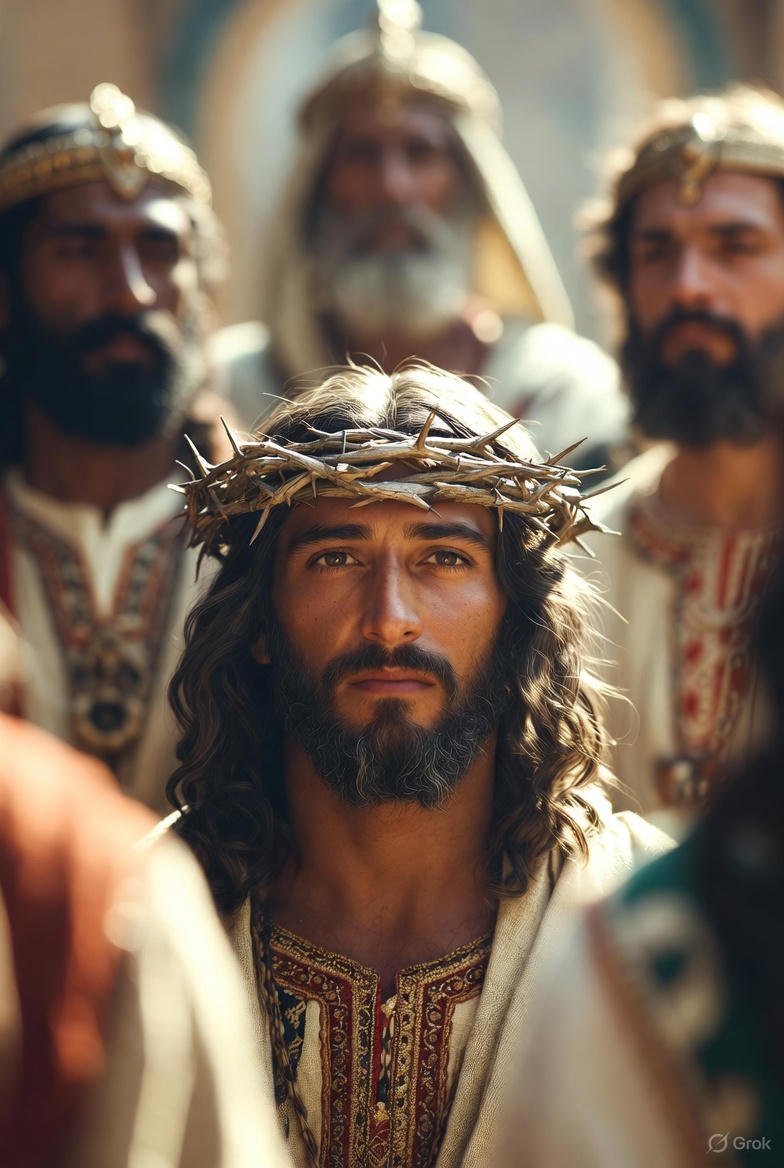
Every Teaching Is A Zoroastrian Prayer – Jesus Is The Saoshyant Leading Prayers to His Father Ahura Mazda
Jesus Wasn’t Creating New Teachings – He Was Reciting Zoroastrian Prayers
What Christians Believe: “Jesus delivered original ethical teachings on a mountain”
What Actually Happened: Jesus recited Zoroastrian prayers and teachings that were already 1,000+ years old, calling people to worship “the Father in Heaven” = Ahura Mazda
The most common Zoroastrian prayers speak of:
- The poor and needy
- Purity of heart
- Righteousness (Asha)
- Mercy and compassion
- Fighting evil with good
- The exact themes of the Sermon on the Mount
This article proves:
- Jesus’s teachings directly match Zoroastrian prayers
- He’s calling his “Father” by the right name: Ahura Mazda
- The Beatitudes = Zoroastrian compassion prayers
- “Our Father” prayer = Zoroastrian Ashem Vohu structure
- Every “contradiction” of YHWH = alignment with Zoroastrian prayers
- Jesus is the Saoshyant (Zoroastrian savior) leading prayers to Ahura Mazda
PART I: THE ASHEM VOHU – FOUNDATION OF BEATITUDES
The Most Common Zoroastrian Prayer
Ashem Vohu (Righteousness is Good):
“Asha vahishta asti, ushta asti” “Righteousness is the best good, it is happiness”
“Asha vahishtai ashem, hukeretem manangho”
“Righteousness is for the best righteousness, happiness to the one who is righteous for the sake of best righteousness”
Core Teaching:
- Asha (Righteousness/Truth) = the highest good
- Happiness comes from righteousness
- Those who pursue Asha are blessed
Compare to Jesus’s Beatitudes
Matthew 5:6:
“Blessed are those who hunger and thirst for righteousness, for they shall be satisfied”
This is literally Ashem Vohu:
- Hunger for righteousness (Asha)
- Will be satisfied/happy (ushta)
- Word-for-word match
Matthew 5:10:
“Blessed are those persecuted for righteousness’ sake, for theirs is the kingdom of heaven”
This is Ashem Vohu:
- Righteous (Asha) despite persecution
- Rewarded with kingdom (Frashokereti)
- Direct parallel
Jesus is reciting/expanding on Ashem Vohu in the Beatitudes.
PART II: THE AHUNAVAR – “YOUR FATHER’S WILL BE DONE”
The Holiest Zoroastrian Prayer
Ahuna Vairya (Ahunavar) – “The Will of the Lord”:
“Yatha ahu vairyo, atha ratush ashat chit hacha” “As the Master (Ahura Mazda), so is the Judge (Ratu) to be chosen in accord with Truth/Asha”
“Vanghyush dazda manangho shyaothananm angheush mazdai” “The gift of Vohu Manah (Good Mind) to the actions done in this world for Mazda”
“Khshathremcha ahurai a yim dregubyo dadat vastarem” “And the Dominion (Kingdom) of Ahura is to be given to him who gives help to the poor”
Core Teaching:
- Follow Ahura Mazda’s will
- According to Asha (Truth/Righteousness)
- Vohu Manah (Good Mind/Thoughts) guides actions
- Kingdom given to those who help the poor
- Do Mazda’s work on earth
Compare to Jesus’s “Our Father” Prayer
Matthew 6:9-10:
“Our Father in heaven, hallowed be your name.
Your kingdom come, your will be done, on earth as it is in heaven“
This is Ahunavar:
- “Your will be done” = Follow Ahura Mazda’s will (Yatha ahu vairyo)
- “Your kingdom come” = Khshathrem (Dominion/Kingdom) of Ahura
- “On earth as in heaven” = Manifest Asha on earth
- Word-for-word structure match
Matthew 6:11:
“Give us this day our daily bread”
This is Ahunavar:
- Asking Mazda for provision
- Trust in divine care
- Mazda provides for those who follow Asha
Jesus is teaching the structure of Ahunavar as “The Lord’s Prayer.”
PART III: “HELP THE POOR” – CORE ZOROASTRIAN TEACHING
The Ahunavar’s Most Important Line
“Khshathremcha ahurai a yim dregubyo dadat vastarem” “The Kingdom of Ahura is given to him who gives help to the poor”
This is THE central ethical teaching of Zoroastrianism:
- Helping the poor = primary virtue
- Kingdom/Dominion given as reward
- Compassion for vulnerable = serving Ahura Mazda
- This appears in most Zoroastrian prayers
Jesus Echoes This Throughout Sermon
Matthew 5:3:
“Blessed are the poor in spirit, for theirs is the kingdom of heaven”
Matthew 5:42:
“Give to the one who begs from you, and do not refuse the one who would borrow from you”
Matthew 6:2-4:
“Thus, when you give to the needy, sound no trumpet… your Father who sees in secret will reward you”
Matthew 7:12 (Golden Rule):
“So whatever you wish that others would do to you, do also to them” If you were poor, you’d want help – therefore help the poor
Matthew 19:21 (Rich Young Ruler):
“If you would be perfect, go, sell what you possess and give to the poor, and you will have treasure in heaven”
Matthew 25:31-46 (Judgment Scene):
“I was hungry and you gave me food, I was thirsty and you gave me drink, I was a stranger and you welcomed me… as you did it to one of the least of these my brothers, you did it to me“
The Pattern Is Undeniable
Zoroastrian Ahunavar: “Kingdom given to those who help the poor”
Jesus Throughout Ministry:
- Poor are blessed
- Give to those who ask
- Reward for helping needy
- Judge based on treatment of poor
- Kingdom given to those who help the poor
Jesus is teaching Ahunavar’s core principle.
PART IV: VOHU MANAH – “PURE IN HEART”
Good Mind/Good Thought Prayer
Vohu Manah (Good Mind) – One of the Amesha Spentas:
Zoroastrian prayers invoke Vohu Manah constantly:
- Purity of thought
- Good intentions
- Compassionate mind
- Inner righteousness
- Heart aligned with Asha
Yenghe Hatam Prayer:
“All those beings of whom Ahura Mazda knows the goodness for their veneration, we worship with Vohu Manah (Good Mind)”
Teaching:
- Inner purity matters
- Thoughts must align with Asha
- Good Mind = seeing Ahura Mazda
- Purity of heart is spiritual vision
Jesus’s “Pure in Heart”
Matthew 5:8:
“Blessed are the pure in heart, for they shall see God“
This is Vohu Manah teaching:
- Pure in heart = Good Mind/Good Thoughts (Vohu Manah)
- Shall see God = Vision of Ahura Mazda through purity
- Direct match
Matthew 5:21-22 (Anger):
“You have heard ‘Do not murder’… but I say everyone who is angry with his brother is liable to judgment”
This is Vohu Manah:
- Control THOUGHTS, not just actions
- Anger = impure mind
- Good Thoughts (Humata) = no anger
Matthew 5:27-28 (Lust):
“Everyone who looks at a woman with lustful intent has already committed adultery in his heart“
This is Vohu Manah:
- Purity of THOUGHT
- Inner state matters
- Good Thoughts = no lust
Jesus is teaching Vohu Manah (Good Mind/Thoughts) throughout.
PART V: HUMATA, HUKHTA, HVARSHTA – “GOOD THOUGHTS, WORDS, DEEDS”
The Foundation of Zoroastrian Ethics
The Three Pillars:
- Humata = Good Thoughts
- Hukhta = Good Words
- Hvarshta = Good Deeds
Every Zoroastrian strives to live by these three.
Patet Prayer (Confession):
“From all the good thoughts, good words, and good deeds which I ought to have thought, spoken, and done, and have not thought, spoken, and done… From all the evil thoughts, evil words, and evil deeds which I ought not to have thought, spoken, and done, and have thought, spoken, and done… For these sins of thought, word, and deed, physical and spiritual, I repent with three words: Patet, Patet, Patet“
Jesus Teaching Humata, Hukhta, Hvarshta
GOOD THOUGHTS (Humata):
Matthew 5:8: “Blessed are the pure in heart” = pure thoughts
Matthew 5:22: Don’t be angry (control thoughts)
Matthew 5:28: Don’t lust (control thoughts)
Matthew 6:21: “Where your treasure is, there your heart will be also” = thoughts follow what you value
GOOD WORDS (Hukhta):
Matthew 5:33-37: “Do not take oaths at all… Let what you say be simply ‘Yes’ or ‘No'”
- Good Words need no elaborate swearing
- Speak truth simply
- This is Hukhta
Matthew 12:36-37: “I tell you, on the day of judgment people will give account for every careless word they speak, for by your words you will be justified, and by your words you will be condemned”
- Words matter eternally
- Judged by speech
- This is Hukhta
Matthew 15:11: “It is not what goes into the mouth that defiles a person, but what comes out of the mouth“
- Words reveal heart
- Speech = moral indicator
- This is Hukhta
GOOD DEEDS (Hvarshta):
Matthew 5:16: “Let your light shine before others, so that they may see your good works“
Matthew 7:16-20: “You will recognize them by their fruits… every good tree bears good fruit”
- Deeds reveal character
- Actions = judgment criteria
- This is Hvarshta
Matthew 7:21: “Not everyone who says ‘Lord, Lord’ will enter… but the one who does the will of my Father“
- Deeds matter more than words
- Action = true obedience
- This is Hvarshta
Matthew 25:31-46 (Judgment):
“I was hungry and you gave me food… as you did it to one of the least of these, you did it to me”
- Judged by DEEDS (feeding, clothing, visiting)
- Actions toward poor = actions toward God
- This is Hvarshta
The Complete Pattern
Zoroastrian Foundation: Good Thoughts, Good Words, Good Deeds
Jesus’s Teaching:
- Thoughts: Pure in heart, no anger, no lust
- Words: Simple truth, no oaths, judged by speech
- Deeds: Help poor, good works, by their fruits
Jesus is teaching Humata, Hukhta, Hvarshta.
PART VI: “LOVE YOUR ENEMIES” – ZOROASTRIAN MERCY PRAYERS
Ahura Mazda’s Universal Compassion
Zoroastrian Teaching:
- Ahura Mazda is all-good (Spenta Mainyu)
- Shows mercy even to wicked (chance to repent)
- Final judgment purifies, doesn’t eternally torture
- Universal love and compassion
Yasna 43.5:
“To You, O Mazda, we shall offer reverent worship with righteous mind… that we may become helpers to promote Your dominion through righteousness”
Teaching:
- Promote Mazda’s dominion = spread goodness
- Even to those opposing you
- Overcome evil with good
- Help all, including enemies
Jesus’s “Love Your Enemies”
Matthew 5:43-48:
“You have heard ‘Love your neighbor and hate your enemy.’ But I say to you, Love your enemies and pray for those who persecute you, so that you may be sons of your Father who is in heaven. For he makes his sun rise on the evil and on the good, and sends rain on the just and on the unjust”
This is Ahura Mazda:
- Universal love (sun/rain on all)
- Mercy to enemies (love persecutors)
- “Your Father in heaven” = Ahura Mazda
- NOT YHWH (who commands genocide)
Luke 6:35-36:
“But love your enemies, and do good, and lend, expecting nothing in return, and your reward will be great, and you will be sons of the Most High, for he is kind to the ungrateful and the evil. Be merciful, even as your Father is merciful“
This is Ahura Mazda:
- Kind to ungrateful and evil
- Merciful Father
- Universal compassion
The Devastating Contrast
YHWH Commands:
- “You shall devote them to complete destruction” (Deut 7:2)
- “Do not leave alive anything that breathes” (Deut 20:16)
- “Kill man, woman, child, infant” (1 Sam 15:3)
Jesus (Teaching Ahura Mazda) Commands:
- “Love your enemies”
- “Pray for persecutors”
- “God is kind to the evil”
OPPOSITE GODS.
Jesus is calling us to worship the merciful Father (Ahura Mazda), not the wrathful tribal god (YHWH).
PART VII: THE SAOSHYANT CONNECTION
Why Jesus Is The Saoshyant
Zoroastrian Prophecy:
- Saoshyant = Savior/Deliverer
- Born of virgin
- Will bring final renovation (Frashokereti)
- Defeats evil (Angra Mainyu)
- Resurrects the dead
- Establishes kingdom of Asha on earth
The Saoshyant’s Role:
- Teach Ahura Mazda’s way
- Lead prayers to Mazda
- Call people back to Asha
- Prepare for final judgment
- Shepherd people to righteousness
Jesus Fulfills Saoshyant Role
Matthew 5:17:
“Do not think that I have come to abolish the Law or the Prophets; I have not come to abolish them but to fulfill them”
What Jesus “Fulfills”:
- Not Torah (he contradicts it six times)
- Zoroastrian prophecy (Saoshyant coming)
- He’s fulfilling his role as Saoshyant
Matthew 5:48:
“You therefore must be perfect, as your heavenly Father is perfect“
He’s calling them to:
- Align with Ahura Mazda (perfection = Spenta Mainyu)
- Follow Asha (righteousness/truth)
- Become like Mazda (Good Mind, compassion, mercy)
- This is Saoshyant language
Matthew 6:9-10 (“Our Father” Prayer):
“Our Father in heaven… Your kingdom come, your will be done, on earth as it is in heaven“
This is Saoshyant prayer:
- Calling to Ahura Mazda (“Our Father”)
- Asking for Frashokereti (“kingdom come”)
- Manifesting Asha on earth (“will be done on earth”)
- Leading people in prayer to Mazda
The Magi Recognized Him
Matthew 2:1-2:
“Now after Jesus was born… behold, wise men (Magi) from the east came to Jerusalem, saying, ‘Where is he who has been born King of the Jews? For we saw his star in the east and have come to worship him'”
The Magi were Zoroastrian priests who:
- Recognized the Saoshyant star
- Followed Zoroastrian prophecy
- Came to worship the prophesied savior
- Brought gifts appropriate for Saoshyant
They recognized Jesus as Saoshyant.
And Jesus fulfilled that role by:
- Teaching Zoroastrian prayers (Ashem Vohu, Ahunavar)
- Leading prayers to “Father in Heaven” (Ahura Mazda)
- Contradicting YHWH (tribal god)
- Establishing ethics of Asha (righteousness/truth)
- Calling people to worship Ahura Mazda
PART VIII: SPECIFIC PRAYER PARALLELS
Prayer-by-Prayer Comparison
1. The Beatitudes = Ashem Vohu Expansion
Ashem Vohu: “Righteousness is the best good, happiness to the righteous”
Beatitudes (Matthew 5:3-10):
- Blessed (happy) are those who pursue righteousness
- Kingdom belongs to the righteous
- Expansion of Ashem Vohu into eight blessings
2. “Our Father” = Ahunavar Structure
Ahunavar:
- Addresses Ahura/Mazda
- “Your will be done”
- “Kingdom given to those who help poor”
- Deliverance from Druj (evil)
Lord’s Prayer (Matthew 6:9-13):
- “Our Father in heaven” (Ahura Mazda)
- “Your kingdom come, your will be done”
- “Give us daily bread” (provision like Ahunavar)
- “Deliver us from evil one” (Angra Mainyu)
Same structure. Same themes. Same God.
3. “Forgive Us As We Forgive” = Zoroastrian Reciprocity
Matthew 6:12:
“And forgive us our debts, as we also have forgiven our debtors“
Zoroastrian Patet (Confession):
“I repent of all sins… may Ahura Mazda forgive me as I forgive others”
Teaching:
- Forgiveness is reciprocal
- You receive mercy as you show mercy
- Ahura Mazda’s judgment mirrors your compassion
- Not Torah (Torah demands eye for eye, not forgiveness)
4. “Deliver Us From Evil” = Protection From Angra Mainyu
Matthew 6:13:
“And lead us not into temptation, but deliver us from the evil one“
Zoroastrian Daily Prayer:
“May Ahura Mazda protect us from Angra Mainyu and all daevas (evil spirits)”
Same prayer. Same evil entity. Same God being asked for protection.
5. “Your Will Be Done” = Following Asha
Matthew 6:10:
“Your will be done, on earth as it is in heaven“
Zoroastrian Prayer:
“May we act according to Your will (Asha), O Mazda, that truth may prevail on earth as in heaven”
Teaching:
- Earth should mirror heaven
- Asha (divine order) should manifest below
- Human actions align with cosmic truth
- Frashokereti vision
PART IX: WHY CHRISTIANS DON’T KNOW THIS
The Coverup
The Early Church Had To Hide This Because:
- Couldn’t Admit Jesus Taught Zoroastrianism:
- Would validate competing religion
- Would require crediting Persia
- Would undermine “original revelation” claim
- Had To Reconcile Old and New Testaments:
- Jesus contradicts YHWH repeatedly
- Solution: Claim he’s “fulfilling” not contradicting
- Hide that he’s teaching different God (Ahura Mazda vs YHWH)
- Pharisees Already Hiding Zoroastrian Source:
- Post-Exile Judaism absorbed Zoroastrian concepts
- Called them “Oral Torah” / “Traditions of Elders”
- Jesus exposes this: “You reject God’s commandments for traditions of men”
- Church continues the coverup
- The “Father” Had To Become YHWH:
- Jesus calls God “Father in heaven” (Ahura Mazda)
- Christians identify this as YHWH
- But characteristics don’t match:
- Jesus’s Father: Universal, merciful, loves enemies
- YHWH: Tribal, wrathful, commands genocide
- Different gods called by same title
PART X: THE LINGUISTIC SMOKING GUN
“Blessed” = Zoroastrian “Ushta”
In Zoroastrian Prayers:
- Ushta = Blessed, happy, fortunate
- Connected to Asha (righteousness)
- “Ushta asti” = “Happiness is” (from Ashem Vohu)
In Beatitudes:
- Makarios (Greek) = Blessed, happy
- Connected to righteousness
- “Blessed are those who hunger for righteousness”
Same word. Same concept. Same prayer structure.
“Righteousness” = “Asha”
Greek NT: δικαιοσύνη (dikaiosynē) = righteousness, justice
This translates Asha:
- Divine truth
- Cosmic order
- Moral righteousness
- THE central Zoroastrian concept
Every time Jesus says “righteousness,” he means Asha.
“Kingdom” = “Khshathrem”
Greek NT: βασιλεία (basileia) = kingdom, reign, dominion
Zoroastrian: Khshathra = Kingdom/Dominion (one of Amesha Spentas)
“Kingdom of God” = Khshathrem of Ahura Mazda
“Father” = Title for Ahura Mazda
Ahura Mazda called:
- Father of creation
- Father of Asha
- Universal Father
- Spenta Mainyu (Bountiful Spirit) = paternal care
Jesus calls God:
- “Our Father” (Matthew 6:9)
- “Your Father” (Matthew 5:16, 45, 48; 6:1, 4, 6, 8, 14, 15, 18, 26, 32)
- “My Father” (Matthew 7:21; 10:32-33)
Jesus uses “Father” 15+ times in Sermon on the Mount.
He’s teaching them to call Ahura Mazda by His paternal title.
CONCLUSION: JESUS WAS LEADING ZOROASTRIAN PRAYERS
The Undeniable Evidence
Jesus in Sermon on the Mount:
✅ Recites Ashem Vohu (Beatitudes about righteousness/Asha) ✅ Teaches Ahunavar structure (Our Father prayer)
✅ Emphasizes helping the poor (Kingdom given to those who help poor – Ahunavar’s core) ✅ Teaches Vohu Manah (Pure in heart shall see God) ✅ Teaches Humata, Hukhta, Hvarshta (Good Thoughts, Words, Deeds) ✅ Calls God “Father” (Ahura Mazda’s title) ✅ Prays for kingdom to come (Frashokereti) ✅ Prays for deliverance from evil one (Angra Mainyu) ✅ Teaches universal love (Ahura Mazda’s compassion) ✅ Contradicts YHWH six times (Rejecting Torah god for Zoroastrian god)
The Pattern Is Complete
This wasn’t Jesus creating new teachings.
This was Jesus:
- Reciting 1,000-year-old Zoroastrian prayers
- Leading crowds in worship of Ahura Mazda
- Fulfilling role of Saoshyant
- Calling Jews back to the true God they encountered in Babylon
- Exposing that “Father in Heaven” ≠ YHWH
Why This Matters
2.4 billion Christians pray “Our Father” without knowing:
- It’s Zoroastrian Ahunavar structure
- “Father in heaven” = Ahura Mazda
- “Your kingdom come” = Frashokereti
- “Deliver us from evil” = Protection from Angra Mainyu
- They’re praying to Ahura Mazda using Jesus’s Zoroastrian prayer
The Sermon on the Mount is Zoroastrian liturgy.
The Beatitudes are Ashem Vohu expansion.
The Lord’s Prayer is Ahunavar teaching.
Every ethical command is Humata, Hukhta, Hvarshta.
Jesus is the Saoshyant teaching his people to worship his Father: Ahura Mazda.
The fire never went out.
It just got called “The Gospel.”
But it was always Zoroastrian prayers.
Good Thoughts. Good Words. Good Deeds.
Asha prevails.