Category: Archives

  • The Forgotten Nativity:  How Three Zoroastrian Priests Saved Jesus — and How Christianity Hid the Truth

    The Forgotten Nativity: How Three Zoroastrian Priests Saved Jesus — and How Christianity Hid the Truth

    The Nativity Scene

    Every Christmas, the world sees the Nativity scene: Mary, Joseph, shepherds, baby Jesus… and three kings.
    But history tells a different story.

    They were not kings.

    They were Zoroastrian mobeds — Persian priest-astronomers, members of the Magian priesthood whose faith worshipped Ahura Mazda, Lord of Light.

    And without these priests, Jesus would have died in infancy — murdered under the order of a Jewish king, Herod, who slaughtered every male child in Judea.
    Three Zoroastrian priests are the reason Christianity exists at all.

    So why does no Nativity scene show them as priests anymore?
    Why were they recast as kings instead of Zoroastrians?

    Because acknowledging the truth would expose something seismic:

    Jesus was raised under, influenced by, and aligned with Zoroastrian Light-theology — not Rabbinic Judaism.

    And scripture itself repeats this truth — if we finally allow ourselves to read it.


    1. The Magi Were Zoroastrian Priests — Not Kings, Not Jews

    The Greek text of Matthew uses only one word: μάγοι (magoi).
    This word comes from Old Persian maguš — the priestly caste of Zoroastrianism.

    These men were Mobeds (Mohabs):

    • Keepers of sacred fire
    • Astrologers who read the heavens
    • Servants of Ahura Mazda
    • Seekers of the Saoshyant — the future world-savior

    They followed a star.
    That is Zoroastrian religious astronomy — not Judaism.

    And after finding Jesus, they defied King Herod, refusing to report the child’s location.
    Their disobedience triggered Joseph’s flight into Egypt and saved Jesus from death.

    The first people to worship Jesus were not rabbis, Jews, or Romans —
    but Persian Zoroastrian priests who risked their lives to protect him.


    2. Why the Church Later Hid Their Identity

    No early Christian text calls them kings.

    That idea appears centuries later — a deliberate transformation.

    Because if the Magi remained known as Zoroastrian priests, it would reveal:

    1. Christianity’s first believers were Persians, not Jews.
    2. Jesus was legitimized not by the Temple — but by Ahura Mazda’s servants.
    3. Judaism tried to kill him — Zoroastrian priests saved him.

    This would dismantle the narrative that Christianity is purely Judaic in origin.

    So over time, the Church reshaped memory:

    • Priests became Kings, to fulfill prophecy artificially
    • Persia became Arabia, to sever Zoroastrian association
    • The Nativity lost its Eastern Light

    A theological cover-shift spanning centuries.


    3. The Lost Years — When Jesus Followed the Light of Asha

    Between 12–30, Jesus disappears from scripture.

    No Jewish rabbi writes of him.
    No Temple record exists.

    But what do we find when he reappears?

    Not Mosaic law.

    Not Yahweh’s tribal wrath.

    Instead we find teachings identical to Zoroastrianism:

    Jesus’ TeachingZoroastrian Theology
    “I am the light of the world.”Ahura Mazda = God of Light
    “The truth shall set you free.”Asha = Truth that liberates
    Heaven & Hell with moral judgmentZoroastrian afterlife doctrine
    Final resurrection & renewal of worldFrashokereti — cosmic restoration
    Love even your enemiesUniversal, non-tribal ethics

    Judaism before the Persian era had no hell, no heaven, no dualistic moral judgment, no cosmic adversary — only Sheol, a shadow-pit of silence.

    Jesus never teaches Sheol.

    He teaches Paradise.

    Not Yahweh’s afterlife.

    Ahura Mazda’s.


    4. Jesus Himself Rejects Yahweh — The Seven Woes Prove It

    In Matthew 23, Jesus condemns the Pharisees — guardians of Yahweh’s Torah — and tells them:

    “You are of your father — the devil.”

    If Yahweh was Jesus’ Father,
    why would he describe Yahweh’s priests as sons of the adversary?

    Because Jesus’ Father was not Yahweh.

    His Father was the God of Light, Truth, and Mercy
    not the God of genocide, tribal war, and child-slaughter.

    This divergence mirrors exactly:

    YahwehAhura Mazda
    Jealous, wrathful, tribalUniversal creator of all humanity
    Commands genocideCommands good thoughts, words, deeds
    Dwelling: Sheol — shadowKingdom: Light & Paradise
    Saves only IsraelOffers salvation to everyone

    Which Father does Jesus resemble?

    Not Yahweh.


    5. The True Nativity — Told at Last

    A Jewish king tried to kill Jesus.

    Zoroastrian priests protected him.

    Jesus grew into the image of the Light — Ahura Mazda —
    not the darkness of Sheol.

    The Church erased this truth to preserve a narrative.

    But today — you restore it.

    Jesus is the Son of Light.
    Zoroastrian priests recognized him first.
    Christianity was born from Asha, not Sheol.

    And the world will remember.

  • EPISODE 10: The Theft of Light

    EPISODE 10: The Theft of Light

    How Zarathustra’s Ideas Were Stolen & Rebranded (539 BCE – Present)

    “The simplest answer is, yes, there is a great deal of Zoroastrian influence on Judaism and Christianity.”
    — Academic consensus


    The Greatest Intellectual Theft in Human History

    4.3 billion people practice Zarathustra’s beliefs.

    Almost none of them know his name.


    The Timeline of Systematic Theft

    1700 BCE: Zarathustra Creates the Concepts

    At age 30, by the Daitya River, Zarathustra received the vision that would create:

    • Monotheism (One God: Ahura Mazda)
    • Free will (You choose between Asha and Druj)
    • Heaven and Hell (Eternal reward or punishment)
    • Satan/Devil (Angra Mainyu – first cosmic adversary)
    • Resurrection (The dead will rise)
    • Final Judgment (All souls evaluated)
    • Linear time (History moving toward Frashokereti)
    • Ethics over ritual (“Good thoughts, words, deeds”)

    For 35 years (age 42-77), he built the institutional structures:

    • Fire temples
    • The Magi (priestly class)
    • Five daily prayers (Gah system)
    • Sacred texts (Gathas)
    • Initiation ceremonies (Navjote)
    • Marriage rites

    Everything was in place.

    By the time Zarathustra died at age 77, Zoroastrianism was established across eastern Iran and poised to become the faith of the greatest empire the world had ever seen.


    PHASE 1: Judaism Adopts Everything (586-539 BCE → Present)

    The Babylonian Exile: Where It All Changed

    586 BCE: Babylonians conquer Jerusalem, destroy the Temple, exile the Jews

    539 BCE: Cyrus the Great (Zoroastrian) conquers Babylon, frees the Jews

    70 years of living under Persian Zoroastrian rule.

    In 586 BCE, the forces of the Babylonian Empire conquered the Jews, destroying their Temple and carrying off a proportion of the Jewish population into exile. The captives consisted especially of educated and upper-class people as well as the royal family. This “Babylonian captivity” lasted almost fifty years. In 539 BCE the Persians, under the leadership of the Achaemenid King Cyrus, conquered Babylon

    What Judaism Looked Like BEFORE Persian Contact (Pre-586 BCE):

    No Satan as cosmic adversary – Just “ha-satan” meaning “the accuser” in God’s court (Book of Job)
    No Heaven or Hell – Only Sheol (neutral underworld for all dead)
    No Resurrection – Death was final
    No Final Judgment – No evaluation of souls
    No Named Angels – Just generic “messengers”
    No Apocalypse – No end times concept
    No Messiah as cosmic savior – Just “anointed king” (human ruler)
    No Linear time toward goal – Cyclical understanding

    Prior to this period, the Hebrew Bible presents a more ambiguous view of the afterlife, often referring to Sheol, a shadowy existence after death

    What Judaism Looked Like AFTER Persian Contact (Post-539 BCE):

    Satan as adversary – Cosmic force opposing God (adopted from Angra Mainyu)
    Heaven and Hell – Gan Eden (paradise) and Gehenna (punishment)
    Resurrection of the dead – Explicitly in Daniel 12:2
    Final Judgment – All souls evaluated
    Named Angels – Michael, Gabriel, Raphael (based on Amesha Spentas)
    Apocalyptic literature – Book of Daniel, Book of Enoch
    Messiah as savior – Cosmic redeemer (based on Saoshyant)
    Linear time – History moving toward messianic age

    The Book of Daniel, one of the latest books of the Hebrew Bible, explicitly mentions the resurrection of the dead and a final judgment (Daniel 12:2). This eschatological framework, which later became central to both Rabbinic Judaism and Christianity, bears a resemblance to Zoroastrian eschatology

    The Scholarly Consensus

    The simplest answer to the first question is, yes, there is a great deal of Zoroastrian influence on Judaism and Christianity, but the problem is that it is hard to document this exactly, at least in the early stages of Judaism. The evidence is there, but it is all “circumstantial” evidence

    “That’s the period when certain elements of Zoroastrianism entered into Judaism,” including the increased importance of the Devil figure and the idea of a Final Judgment

    The Transformation of Satan

    In early Jewish texts, Satan was not an evil figure, as the Hebrew term ha-satan means the accuser or the adversary. In the Hebrew Book of Job, Satan was a member of God’s heavenly court who worked for God because his job was to test the faith of humans. As such, he was not God’s enemy

    After the Babylonian Exile, the perception of Satan began to change and he slowly transformed into a more malevolent figure. He was now a force of evil who actively opposed God and tempted humanity. The newer version of Satan was much closer to the Zoroastrian Angra Mainyu

    The Dead Sea Scrolls Prove It

    For instance, the Dead Sea Scrolls, particularly the War Scroll and the Community Rule, describe a cosmic battle between the forces of light and darkness, a theme reminiscent of Zoroastrian dualism

    Light vs. Darkness.
    Good vs. Evil.
    Cosmic dualism.

    All Zoroastrian. All adopted post-Exile. All now considered “Jewish.”

    The Linguistic Evidence

    From efiretemple’s own research:

    Paradise:

    • Hebrew: “Pardes” (borrowed from Persian)
    • Avestan: “Pairidaēza” (walled garden)
    • When a Jew says “Gan Eden” (Garden of Eden), they’re describing a Persian concept using a Persian word that entered Hebrew only after Babylonian Exile

    Amen:

    • Used in Judaism post-Exile
    • Absent in pre-Exile texts
    • Possible Persian origin from “Asha” (truth)

    The Pharisees:

    • Hebrew: “Perushim/Farooshiym”
    • Literally means: “The Persians”
    • Pharisees = Literally named “Persians” (Farooshiym)

    The sect that accepted Persian concepts called themselves “The Persians.”

    Then hid the source.


    PHASE 2: Christianity Inherits It All (30 CE → Present)

    Jesus Teaches Zarathustra’s Concepts (Without Knowing It)

    Jesus of Nazareth (c. 4 BCE – 30 CE) preached:

    • One God (Father)
    • Heaven and Hell
    • Satan as cosmic adversary
    • Resurrection of the dead
    • Final judgment
    • Personal salvation through moral choice
    • Ethics (“Love your neighbor”)

    Every single concept = Zoroastrian, adopted by Judaism post-Exile, inherited by Christianity.

    Following the Great Persian influence, cosmic fights between the forces of good and evil began to feature more prominently in Christian texts. The archangels Michael and Gabriel also assumed bigger and more defined roles after the exile and the idea of Satan as a separate, evil entity who fought God and tempted people also seems to have grown stronger during this period

    The Magi Visit Jesus (Matthew 2:1-12)

    “Wise men from the East” came to visit the infant Jesus.

    Who were they?

    The Magi – Zoroastrian priests.

    The same Magi that Zarathustra trained at King Vishtaspa’s court 1,700 years earlier.

    Furthermore, the Three Wise Men who visit Jesus after his birth in the Gospel of Matthew are described as magi, a term used in ancient Persia to refer to priests, suggesting a Zoroastrian influence

    Why did they come?

    Because they recognized their own prophecy: The Saoshyant (savior figure).

    Zarathustra taught:

    • A savior will be born
    • Born of a virgin (third Saoshyant from sacred lake)
    • Will bring final judgment
    • Will resurrect the dead
    • Will defeat evil permanently (Frashokereti)

    Saoshyant, the future savior figure in Zoroastrianism, invites comparison. Saoshyant was said to have been born of a virgin and would lead people in the final remake of the world and help Ahura Mazda in the final defeat of Angra Mainyu, the opposing force. According to Zoroastrianism, he would bring about the resurrection of the dead and oversee the final judgment

    The Magi weren’t random visitors. They were Zoroastrian priests recognizing the fulfillment of their own prophecy.

    The Resurrection Concept

    Zoroastrianism features a clear belief in the resurrection of the dead and a final judgment. These notions are apparent in the Frashokereti, the final renovation of the universe, when evil will be destroyed, and everything else will be in perfect unity with God. This concept profoundly influenced Jewish apocalypticism, and, through it, Christian and Islamic beliefs in the resurrection of the dead at the end of the world

    Christianity’s central claim – resurrection – is Zoroastrian.

    The Apocalypse

    The concept of the end times provides another striking link. Before the Great Persian influence era, Jewish ideas about the end times were less clear about the return of the dead and lacked a detailed final judgment phase. The specific parts of a mass resurrection and a cosmic judgment seem to have become clearer after the Persian influence

    Book of Revelation = Christian apocalyptic vision

    Based on Frashokereti = Zarathustra’s final renovation


    PHASE 3: Islam Receives the Same Framework (610 CE → Present)

    Muhammad Preaches What Zarathustra Taught 2,300 Years Earlier

    Muhammad (570-632 CE) received revelation in Arabia, teaching:

    • One God (Allah)
    • Heaven (Jannah) and Hell (Jahannam)
    • Satan (Iblis/Shaytan) as adversary
    • Resurrection of the dead (Qiyamah)
    • Final judgment (Yawm ad-Din)
    • Five daily prayers
    • Ethical living determines fate

    Every concept = Zoroastrian

    Zoroastrian influence on Islam is seen in elements such as the concepts of heaven and hell, the day of judgment, and the bridge of the separator, all of which feature in both religions. Like Zoroastrianism, Islam is strictly monotheistic and emphasizes ethical responsibility. The Islamic prayer times and the practice of praying five times a day may have been adopted from the Zoroastrian faith

    The Five Daily Prayers

    Islam’s most visible practice:

    • Fajr (dawn)
    • Dhuhr (noon)
    • Asr (afternoon)
    • Maghrib (sunset)
    • Isha (night)

    Zarathustra’s Gah system (1700 BCE):

    • Havan (dawn)
    • Rapithwin (noon)
    • Uziren (afternoon)
    • Aiwisruthrem (evening)
    • Ushahin (midnight)

    Direct copy. 2,300 years later.

    Ritual Washing Before Prayer

    Islam: Wudu (washing hands, face, arms, feet before prayer)

    Zoroastrianism: Padyab (ritual purification before approaching fire)

    Same practice. Same purpose. Persian origin.

    The Bridge of Judgment

    Islam: Sirat Bridge – souls cross after death; righteous pass easily, sinful fall into hell

    Zoroastrianism: Chinvat Bridge – souls cross after death; righteous pass easily, sinful fall into hell

    In Zoroastrianism, the soul departs the body four days after death, at which point it crosses the Chinvat Bridge or Bridge of Judgment

    Moreover, the Zoroastrian idea of a bridge of judgment that all souls must cross that allows good people to pass with ease and the bad people falling also has a strong resemblance to later Christian concepts of heaven and hell

    Identical concept. Persian original.


    PHASE 4: Greek Philosophy Learns From the Magi (600-300 BCE)

    Pythagoras Taught By Zoroastrian Priests

    Pythagoras (c. 570-495 BCE):

    • Studied in Babylon
    • Taught by the Magi (Zoroastrian priests)
    • Brought back concepts of:
      • Transmigration of souls
      • Mathematical order (reflecting Asha – cosmic order)
      • Ethical living determining afterlife
      • “Philosophy” (love of wisdom = influenced by Mazda-yasna)

    The “Father of Western Philosophy” was taught by Zarathustra’s priests.

    Heraclitus and Fire

    Heraclitus (c. 535-475 BCE):

    • “All things are an exchange for fire”
    • Fire as cosmic principle
    • Logos (universal reason) = similar to Asha (cosmic order)

    Where did he get the fire obsession?

    From Zoroastrian Magi who taught that fire represents truth and divine order.

    Plato’s Forms

    Plato (428-348 BCE):

    • Eternal forms/ideals
    • The Good (supreme principle)
    • Dualism (material vs. spiritual)
    • Immortality of the soul
    • Judgment after death

    All concepts present in Zoroastrianism 1,000+ years earlier.

    The Magi who influenced Greek thought brought Zarathustra’s teachings west.

    Then Greeks got credited with “inventing” Western philosophy.


    THE COMPLETE THEFT: Side-By-Side Comparison

    ConceptZarathustra (1700 BCE)Judaism (Post-539 BCE)Christianity (30 CE+)Islam (610 CE+)Greek Philosophy (600-300 BCE)
    Monotheism✓ Ahura MazdaAdopted post-ExileInheritedInheritedAristotle’s “Prime Mover”
    Free Will✓ Choose Asha or DrujAdoptedInheritedInheritedCentral to ethics
    Heaven & Hell✓ House of Song / House of LiesGan Eden / Gehenna (post-Exile)Heaven / HellJannah / JahannamPlato’s afterlife judgment
    Satan/Devil✓ Angra MainyuHa-Satan transforms post-ExileSatan/DevilIblis/ShaytanN/A
    Resurrection✓ At FrashokeretiDaniel 12:2 (post-Exile)Core doctrineQiyamahPythagorean transmigration
    Final Judgment✓ All souls judgedAdopted post-ExileLast JudgmentYawm ad-DinPlatonic judgment
    Angels (named)✓ Amesha SpentasMichael, Gabriel, Raphael (post-Exile)InheritedInheritedN/A
    Apocalypse✓ FrashokeretiBook of Daniel (post-Exile)Book of RevelationEnd timesN/A
    Messiah/Savior✓ SaoshyantPost-Exile conceptJesus as MessiahMahdiN/A
    Linear Time✓ History → goalAdopted post-ExileHistory → KingdomHistory → judgmentN/A
    Ethics over Ritual✓ “Good thoughts, words, deeds”Post-Exile emphasis“Love neighbor”“Righteous deeds”Virtue ethics
    Five Daily Prayers✓ Gah systemN/AN/AFive daily prayersN/A
    Ritual Washing✓ PadyabMikvahBaptismWuduN/A
    Initiation Ceremony✓ Navjote (age 7-15)Bar/Bat MitzvahConfirmationN/AN/A
    Bridge of Judgment✓ Chinvat BridgeN/AN/ASirat BridgeN/A

    Every. Single. Concept. = Zoroastrian.

    Timeline: All appear AFTER contact with Zoroastrianism.

    Source credit: ZERO.


    The Numbers

    Who Practices Zarathustra’s Beliefs Today?

    • 2.4 billion Christians (monotheism, heaven/hell, Satan, resurrection, final judgment, Savior)
    • 1.9 billion Muslims (monotheism, heaven/hell, Satan, resurrection, final judgment, five daily prayers)
    • 15 million Jews (monotheism, heaven/hell, Satan, resurrection, final judgment, Messiah concept)
    • Secular Western ethics (billions more – individual responsibility, free will, progress toward goal)

    Total: 4.3+ billion people

    How Many Know the Source?

    Zoroastrians worldwide: 100,000-200,000

    Today, there are fewer than 140,000 Zoroastrians worldwide

    Percentage of humanity practicing Zarathustra’s beliefs: ~55%

    Percentage who know his name: <0.01%


    Why This Happened: The Mechanics of Theft

    1. Oral Transmission (Not Written)

    But most of Zoroastrianism, known and practiced among the people, existed in oral tradition: through word of mouth, not by the study of written scriptures. This oral tradition included stories about God, the Creation, the ethical and cosmic conflict of Good and Evil, the divine Judgment and the end of the world

    Ideas spread through conversation, not scripture study.

    Easier to adopt without acknowledging source.

    2. The Persians Didn’t Evangelize

    Unlike Christianity and Islam, Zoroastrianism wasn’t missionary.

    The Persians:

    • Ruled tolerantly (let conquered peoples keep their religions)
    • Freed the Jews (Cyrus Cylinder – first human rights declaration)
    • Influenced through example, not force

    Result: Ideas spread, but credit wasn’t demanded.

    3. The Source Was Later Demonized

    After Alexander conquered Persia (330 BCE):

    • Greek sources portrayed Persians negatively
    • Zoroastrian texts were destroyed
    • “Magi” became associated with “magic” (negative connotation)

    After Islam conquered Persia (7th century CE):

    • Zoroastrians persecuted
    • Forced conversions
    • Fire temples destroyed
    • Community driven underground

    The source religion was systematically suppressed.

    4. Later Religions Claimed Divine Origin

    Judaism: “Moses received these teachings at Sinai” (1300 BCE – before Persian contact)

    But the evidence: These concepts only appear post-539 BCE in Jewish texts

    Christianity: “Jesus brought new revelation”

    But the evidence: Jesus taught concepts 1,700 years old

    Islam: “Muhammad is the final prophet with ultimate truth”

    But the evidence: Quranic concepts are Zoroastrian, transmitted through Judeo-Christian tradition

    Greek Philosophy: “We invented Western thought”

    But the evidence: Pythagoras, Heraclitus, Plato all learned from the Magi


    The Modern Erasure

    Why Most People Don’t Know

    1. Western Education Credits Greeks and Jews

    • “Western philosophy began in Athens”
    • “Monotheism began with Abraham”
    • No mention of Zarathustra

    2. Religious Education Protects the Narrative

    • Christianity teaches: “Jesus brought new revelation”
    • Islam teaches: “Muhammad is final prophet”
    • Acknowledging Zarathustra threatens foundational claims

    3. Geopolitical Interests

    • Modern Iran sanctioned, demonized
    • Acknowledging Persian contributions humanizes “the enemy”
    • Easier to maintain hostility if history is erased

    4. The Zoroastrian Community Is Tiny

    • Only 100,000-200,000 worldwide
    • No political power
    • No lobbying force
    • No one to correct the record

    What Was Stolen

    RELIGIOUS CONCEPTS:

    ✅ Monotheism (one God)
    ✅ Free will (moral choice)
    ✅ Heaven and Hell
    ✅ Satan/Devil (cosmic adversary)
    ✅ Resurrection of the dead
    ✅ Final Judgment
    ✅ Angels and demons
    ✅ Apocalypse (end times)
    ✅ Messiah/Savior figure
    ✅ Linear time (history toward goal)

    ETHICAL FRAMEWORK:

    ✅ “Good thoughts, words, deeds”
    ✅ Personal responsibility
    ✅ Ethics over ritual
    ✅ Choosing good vs. evil
    ✅ Individual accountability

    INSTITUTIONAL STRUCTURES:

    ✅ Fire temples (model for synagogues, churches, mosques)
    ✅ Priestly class (Magi → rabbis, priests, imams)
    ✅ Five daily prayers
    ✅ Ritual washing before prayer
    ✅ Initiation ceremonies
    ✅ Marriage rites
    ✅ Sacred texts

    PHILOSOPHICAL CONCEPTS:

    ✅ Dualism (good vs. evil)
    ✅ Cosmic order (Asha → Logos)
    ✅ Fire as divine symbol
    ✅ The examined life
    ✅ Virtue ethics

    Everything modern religion and philosophy claims as original = Zarathustra’s legacy.


    The Irony

    Iran Today

    • Sanctioned by the West
    • Portrayed as “evil”
    • Isolated internationally
    • Zoroastrians persecuted by Islamic government

    The World Today

    • Practices Zarathustra’s theology (4.3 billion people)
    • Uses Zarathustra’s ethics (billions more in secular West)
    • Adopted Zarathustra’s institutions (churches, mosques, temples)
    • Built on Zarathustra’s philosophy (Western thought)

    The greatest contributor to human consciousness is unknown.

    His homeland is demonized.

    His religion has almost vanished.

    While half of humanity practices what he taught.


    The Question That Remains

    If Zarathustra:

    • Invented monotheism (1700 BCE)
    • Created the concept of free will
    • Defined heaven and hell
    • Introduced Satan as cosmic adversary
    • Taught resurrection and final judgment
    • Established ethical monotheism
    • Built institutional structures every religion copied

    Why don’t the 4.3 billion people who practice his beliefs know his name?


    The Answer

    Because Acknowledging Zarathustra Means Acknowledging:

    1. That Judaism isn’t original – Its core concepts were adopted from Persia after 539 BCE
    2. That Christianity isn’t new – Jesus taught 1,700-year-old Persian theology
    3. That Islam isn’t final – Muhammad’s revelation transmitted 2,300-year-old Persian concepts
    4. That Greek philosophy isn’t Western – Pythagoras, Heraclitus, Plato learned from Persian Magi
    5. That Western civilization owes its foundation to Iran – Not Athens, not Jerusalem, not Rome
    6. That the “clash of civilizations” narrative is backwards – The West practices Persian wisdom while sanctioning Persia

    So the source is erased. The theft is complete. The fire burns—but no one remembers who lit it.


    The Fire Never Went Out

    Every time you:

    • Believe in one God → Zarathustra
    • Choose between good and evil → Zarathustra
    • Hope for heaven, fear hell → Zarathustra
    • Acknowledge Satan exists → Zarathustra (Angra Mainyu)
    • Believe in resurrection → Zarathustra
    • Expect final judgment → Zarathustra
    • Think history has purpose → Zarathustra (Frashokereti)
    • Pray five times daily → Zarathustra (Gah system)
    • Value personal responsibility → Zarathustra
    • Practice “good thoughts, words, deeds” → Zarathustra

    You’re practicing what a Persian prophet taught 3,700 years ago.

    You just don’t know his name.


    Conclusion: The Greatest Theft in History

    What was stolen: The most important ideas humanity ever received

    Who stole it: Judaism (post-Exile), Christianity, Islam, Greek philosophy

    How it was stolen: Oral transmission, cultural exchange, then claiming divine origin

    Why it matters: 4.3 billion people deserve to know the source of their beliefs

    What remains: The fire still burns in every prayer, every moral choice, every hope for justice


    The man who laughed at birth gave you everything you believe about God, morality, and eternity.

    The least we can do is know his name.


    ZARATHUSTRA SPITAMA

    c. 1700 BCE – c. 1623 BCE

    First philosopher in human history.

    Founder of monotheism.

    Inventor of free will.

    Creator of heaven and hell.

    Teacher of “Good thoughts, good words, good deeds.”

    The source of 4.3 billion people’s theology.


    The fire never went out.

    They just stopped saying who lit it.


    For the complete Zarathustra series and more on the systematic theft of Persian contributions to human civilization, visit mazda.aeuua.com/

    Now you know.

    What will you do with this knowledge?

  • EPISODE 9: The Sacred Fire & The Assassin

    EPISODE 9: The Sacred Fire & The Assassin

    The Final Day (Age 77)

    “Whether Zarathustra died by sword or by age, his death changed nothing. His ideas were already immortal.”
    — The Fire Never Went Out


    The Man Who Changed Human Consciousness Forever

    Had One Last Task: To Prove That Truth Outlives Its Prophet


    Age 77: The Completion

    Zarathustra spent 35 years at the royal court of Vishtaspa before he passed away at the age of 77.

    77 years.

    Let’s trace the journey:

    • Age 0-7: Miraculous childhood, early assassination attempts
    • Age 7-20: Training as priest, refusing blood sacrifice
    • Age 20-30: Ten years alone, searching for truth
    • Age 30: The vision that created monotheism
    • Age 30-42: Twelve years of exile, persecution, rejection
    • Age 42-77: Thirty-five years at court, building the legacy

    57 years of preparation, struggle, and construction.

    By age 77:

    • ✓ Zoroastrianism established across eastern Iran
    • ✓ Fire temples built in multiple cities
    • ✓ The Magi trained and spreading the faith
    • ✓ The Gathas preserved on golden sheets
    • ✓ Rituals standardized (five daily prayers, Navjote, marriage rites)
    • ✓ Royal family fully integrated (his daughter married to prime minister)
    • ✓ Theological framework complete (Asha vs. Druj, free will, Frashokereti)

    The mission was complete.


    The Traditional Account: Martyrdom at Balkh

    He is said to have been 77 years old when he was murdered in the town of Balkh (modern Afghanistan) when the Turanian King Arjasp attacked.

    The Invasion

    King Arjasp led the Turanian forces—nomadic tribes from Central Asia who opposed Zoroastrianism.

    Why did they attack?

    Because Zoroastrianism had become powerful. Because King Vishtaspa had made it the state religion. Because the faith was spreading, threatening the old polytheistic tribal systems.

    The old order was dying. They struck back.

    The Fire Temple

    One tradition states that Zarathustra was slain with other priests by the Turanians, who stormed the city of Balkh and destroyed the temple, NUSH AZAR, in which he was officiating at the fire altar.

    Zarathustra was praying.

    Not defending. Not fighting. Not fleeing.

    Praying.

    At the fire altar—the symbol of Asha, truth, light, order.

    The fire he had tended for 35 years. The fire that represented everything he taught. The fire that would outlast him.

    The Assassin

    A warrior in Arjasp’s army named Turbaratus is said to have entered the temple and slain Zoroaster.

    Other sources give the name as BrAtrOkrEsh (also spelled Bratrok-resh, Brātrōkrēš).

    The name of the murderer occurs several times in the Avestan scriptures.

    This wasn’t random. This was targeted assassination.

    Datistan – I Dinik, 72.8, states that among the most heinous sinners “one was Tur – e- Bratarvaksh, the Karap and heterodox wizard, by whom best of the man (i.e. Jharatusht) was put to death.”

    A Karap—one of the old priests.

    The same priestly class that had tried to kill Zarathustra:

    • At age 7 (childhood assassination attempt)
    • Age 30-42 (12 years of persecution)
    • Now at age 77 (final assassination)

    They never stopped trying.

    From birth to death—57 years of assassination attempts.

    And finally, at age 77, they succeeded.

    The Rosary

    Many of us must have heard the story from our grandmothers: Zarathushtra was 77 years old and praying in a Fire Temple. An evil sorcerer by the name of Turbaratur quietly sneaked behind the Prophet and stabbed him in the back with a dagger.

    Stabbed in the back while praying.

    As the Prophet fell down, He threw the Tasbih (rosary, prayer beads) which was in His hands on the murderer. As the Tasbih fell on Turbaratur, he too perished.

    The prayer beads killed the assassin.

    Not through magic. Not through curse.

    But through divine justice—the cosmic law (Asha) that Zarathustra had spent 57 years teaching.

    You cannot kill truth without being destroyed by it.


    Alternative Accounts

    The Peaceful Death

    According to one tradition, he died of natural causes when he was 77.

    Many scholars believe that Zarathushtra died peacefully.

    After 77 years. After completing the mission. After training successors. After preserving the teachings.

    Simply passing from this world to the next.

    No drama. No martyrdom. Just completion.

    The Divine Ascension

    The Pahlavi book Dinkard, which has the complete life story of the Prophet, never uses the term ‘death’ in its entire narrative. It merely states that the Prophet attained ‘Vikhiz’ and He went up to ‘Pahalum Ahwan.’

    Vikhiz = Departure/Ascension
    Pahalum Ahwan = The Highest Heaven

    Not “died.” Ascended.

    Like Elijah in the Hebrew Bible (taken up in a whirlwind).

    Like Jesus in Christian tradition (ascended to heaven).

    But 1,700 years earlier.

    The Lightning Strike

    The Greeks, who greatly admired him, have told that his death came by a stroke of lightning or by a flame from the Heavens.

    Divine fire.

    Not killed by men—called home by Ahura Mazda through the sacred element.

    Fire brought him into this world (survived the infant assassination attempt by fire).

    Fire defined his teaching (the sacred flame as symbol of truth).

    Fire ended his earthly mission (returned through heavenly fire).


    The Mystery: Why Isn’t His Death in the Avesta?

    In the entire Avesta we have, there is no reference to this story!

    The most important figure in Zoroastrianism.

    His death is never mentioned in the scripture.

    Why?

    Theory 1: It Was Too Painful

    The assassination was so traumatic—the prophet murdered while praying—that the community couldn’t bear to record it.

    Theory 2: Death Isn’t The Point

    The Dinkard never uses the term ‘death’—only ‘ascension.’

    Because Zarathustra’s teaching was about what happens after death:

    • Heaven for the righteous
    • Hell for the wicked
    • Resurrection at Frashokereti
    • Final judgment and triumph of good

    If you believe in eternal life, physical death is just transition.

    Theory 3: The Legacy Matters, Not The End

    The Avesta focuses on:

    • The teachings (Gathas)
    • The rituals (Yasna, Visperad)
    • The theology (Asha vs. Druj)
    • The ethics (“Good thoughts, words, deeds”)

    Not on how the prophet died, but on what he taught.

    Because that’s what lasts.


    The Theological Significance

    Zoroaster is said to have asked Mazda Ahura for immortality, and the god replied that his slayer would also remain immortal, that resurrection would be impossible and mankind without hope.

    A fascinating dialogue.

    Zarathustra asks for personal immortality.

    Ahura Mazda says: “If you live forever, your killer will too. Resurrection will be impossible. Humanity will have no hope.”

    Why?

    Because Zarathustra’s teaching requires:

    • Death (to be overcome by resurrection)
    • Martyrdom (to prove truth’s power)
    • Mortality (to show that ideas outlive bodies)

    If Zarathustra never died—how could resurrection be proven?

    The Vision of Heaven and Hell

    Mazda Ahura granted him a glimpse of the delights of heaven and the miseries of hell, and Zoroaster was satisfied with the ending of his earthly life.

    Before death, Zarathustra saw:

    • Heaven (House of Song) – the reward for choosing Asha
    • Hell (House of Lies) – the consequence of choosing Druj

    And he was satisfied.

    Because he knew:

    • His teachings would endure
    • His followers would continue
    • His vision would spread
    • Good would ultimately triumph (Frashokereti)

    Physical death meant nothing. The fire would keep burning.


    The Saoshyant Prophecy: Zarathustra’s Return

    But here’s where it gets extraordinary:

    The Sacred Lake

    According to Zoroastrian tradition: Zarathustra, illumined with a bright light, laughed so loudly at birth. His semen was preserved in Lake Kasoya (Iran).

    His seed preserved in sacred water.

    The Three Future Saviors

    This seed will impregnate a virgin swimming in the lake, who will give birth to three saviors (Saoshyants):

    1. Ukhshyat-ereta (“He who makes righteousness grow”)
      Born 1,000 years after Zarathustra
    2. Ukhshyat-nemah (“He who makes reverence grow”)
      Born 2,000 years after Zarathustra
    3. Astavat-ereta (“Righteous World”)
      Born 3,000 years after Zarathustra
      Will oversee Frashokereti (final renovation of the world)

    The Pattern

    Zarathustra himself = First Saoshyant (savior)

    Three future Saoshyants = Born from his essence

    Zarathustra never really dies. He returns—three times.

    And the third time? He completes what he started: The final triumph of Asha over Druj. The resurrection of all the dead. The judgment of all souls. The renovation of the world.

    This concept—the returning savior—would influence:

    • Jewish Messiah (coming redeemer)
    • Christian Second Coming (Jesus returns)
    • Islamic Mahdi (final guide)

    All traceable to Zarathustra’s Saoshyant.


    What His Death Proves

    1. Truth Doesn’t Need Its Prophet

    By age 77:

    • Zoroastrianism was established
    • The Magi were trained
    • The Gathas were preserved
    • Fire temples were functioning
    • Rituals were standardized
    • The faith was spreading

    Zarathustra could die because the structure was built.

    2. Martyrdom Validates The Message

    If the old priesthood—the Karapans—killed Zarathustra at age 77:

    It proves they still feared him.

    After 57 years. After he’d won. After the faith was established.

    They still had to kill him.

    Because truth is that threatening.

    3. Physical Death Proves Spiritual Resurrection

    Zarathustra taught:

    • The body dies
    • The soul is judged
    • The righteous go to heaven
    • At Frashokereti, all are resurrected

    He had to die to validate his own teaching.

    If he’d lived forever—how could anyone believe in resurrection?

    4. The Fire Keeps Burning

    Whether murdered at the altar, struck by lightning, or peacefully passing:

    The sacred fire didn’t go out.

    The fire temples kept functioning.

    The Magi kept teaching.

    The Gathas kept being chanted.

    The five daily prayers kept being observed.

    The death of the prophet changed nothing about the truth he taught.


    The Burial Mystery

    Where was he buried? (No Dakhma recorded)

    We don’t know.

    In Zoroastrianism, bodies are traditionally exposed in Towers of Silence (Dakhmas) so vultures can consume the flesh, preventing earth/fire pollution.

    But Zarathustra’s burial site? Unknown.

    Some say Balkh. Some say he was consumed by divine fire. Some say he ascended.

    Why does it matter?

    Because there’s no shrine to visit. No tomb to venerate. No relics to worship.

    This was intentional.

    Zarathustra taught: Don’t worship me. Worship Ahura Mazda.

    Don’t pray to me. Pray through ethical living.

    Don’t seek my bones. Seek truth (Asha).

    By having no tomb, he prevented his own deification.


    The Pattern: Every Prophet Pays The Price

    ProphetTeachingOppositionEnd
    Zarathustra (1700 BCE)Ethical monotheismKarapan priestsMurdered at altar (age 77)
    Socrates (399 BCE)Examined lifeAthenian authoritiesForced suicide (age 70)
    Jesus (33 CE)Kingdom of GodPharisees/RomansCrucifixion (age 33)
    Muhammad (632 CE)One GodMeccan oppositionNatural death after persecution

    Every truth-teller who threatens the establishment pays.

    Zarathustra paid for 57 years—longer than any of them.


    The Theft: How His Death Was Forgotten

    What Happened at Balkh (Age 77):

    The first recorded martyrdom of a monotheistic prophet:

    • Murdered while praying
    • Killed by the old priesthood
    • Dying at the altar of truth
    • Assassin destroyed by divine justice

    This pattern would repeat:

    • Jesus: Killed by religious establishment
    • Early Christian martyrs: Killed for faith
    • Islamic martyrs: Shaheed tradition

    But who knows Zarathustra was the first?

    The Saoshyant Concept:

    Zarathustra’s teaching (1700 BCE):

    • Savior figure will come
    • Will be born of a virgin
    • Will bring final judgment
    • Will resurrect the dead
    • Will defeat evil permanently

    Later religions adopted this:

    • Jewish Messiah (post-Exile, 539 BCE+)
    • Christian Jesus (30 CE – “born of virgin, defeats Satan, resurrects dead”)
    • Islamic Mahdi (610 CE – “final guide, defeats Dajjal”)

    All from Zarathustra’s Saoshyant prophecy.

    None acknowledge the source.


    The Modern Silence

    Zartosht No Diso (Zarathustra’s death anniversary) is observed by Zoroastrians worldwide:

    • Dae Mahino, Khorshed Roj (specific date in Zoroastrian calendar)
    • Fire temple visits
    • Special prayers to his Fravashi (guardian spirit)
    • Reflection on the Gathas

    But how many of the 4.3 billion who practice his ideas know this day exists?

    How many Christians who believe in:

    • One God (Zarathustra’s teaching)
    • Heaven and hell (Zarathustra’s teaching)
    • Satan/devil (Zarathustra’s Angra Mainyu)
    • Resurrection (Zarathustra’s teaching)
    • Final judgment (Zarathustra’s Frashokereti)
    • Savior returning (Zarathustra’s Saoshyant)

    —know that a Persian prophet died teaching these concepts 1,700 years before Jesus?


    The Truth

    Whether Zarathustra:

    • Was murdered by Bratrok-resh while praying
    • Died peacefully at age 77
    • Was struck by divine lightning
    • Ascended to Pahalum Ahwan without dying

    The method doesn’t matter.

    What matters:

    By age 77, the mission was complete.

    • Monotheism: Established
    • Free will: Taught
    • Heaven and hell: Defined
    • Asha vs. Druj: Clarified
    • Ethics over ritual: Proven
    • Institutions: Built
    • Successors: Trained
    • Texts: Preserved

    The man could die because the truth was immortal.


    NEXT: Episode 10 – The Theft of Light

    How Zarathustra’s ideas were stolen and rebranded by Judaism, Christianity, Islam, and Greek philosophy. The systematic erasure of the source. The 4.3 billion who practice his beliefs without knowing his name.


    “Whether Zarathustra died by sword or by age, his death changed nothing.”

    The fire temples kept burning.

    The Magi kept teaching.

    The Gathas kept being chanted.

    The five daily prayers kept being observed.

    The fire he lit at age 30 never went out.

    Even when the prophet died at age 77.


    For the complete Zarathustra series and more on the systematic theft of Persian contributions to human civilization, visit mazda.aeuua.com/

    The man who was murdered at the altar gave you the concept of martyrdom for truth.

    The least we can do is know his name.

  • EPISODE 8: The Prophet at Court

    EPISODE 8: The Prophet at Court

    Teaching & Legacy Building (Age 42-77)

    “Zarathustra spent 35 years at the royal court of Vishtaspa before he passed away at the age of 77.”
    — Zoroastrian Tradition


    Zarathustra Spent 12 Years Being Rejected

    And 35 Years Building the Structures That Would Preserve His Vision for Millennia


    The Transformation (Age 42)

    After 22 years of loneliness—

    10 years searching on the mountain.

    12 years wandering in exile.

    Finally, at age 42, Zarathustra found home.

    Not just refuge. Not just protection.

    Home.

    The new religion seems to have gained more converts fairly quickly and Zarathustra was honored with a place at Vishtaspa’s court. He lived there in the company of the king for the rest of his life.

    35 years.

    From age 42 to age 77.

    More than three decades of stability, security, and structure-building.


    The Prophet’s Mission at Court

    While establishing the precepts of the faith and proper observance of rituals which, notably, did not include blood sacrifice.

    Zarathustra’s role:

    • Court prophet (trusted spiritual advisor)
    • Teacher (instructing new converts)
    • Composer (writing the Gathas)
    • Ritualist (establishing proper worship)
    • Institution-builder (creating lasting structures)

    He received further revelations and saw a vision of the seven Amesha Spenta, and his teachings were collected in the Gathas and the Avesta.

    The Gathas—his own words—were composed during this period.

    Some during the 12 years of exile (the laments, the questions).

    Most during the 35 years at court (the teachings, the hymns, the liturgy).


    The Gathas: Zarathustra’s Own Words

    The five Old Avestan Gathas (Gāthās), “songs,” are part of a collection of liturgical texts, the Avesta, composed by Iranians living in an area north of modern Afghanistan, probably in the second half of the second millennium BCE.

    The Gathas consist of seventeen hymns arranged into five groups based on their meter:

    1. Ahunavaiti Gatha (Yasna 28-34)
    2. Ushtavaiti Gatha (Yasna 43-46)
    3. Spenta Mainyu Gatha (Yasna 47-50)
    4. Vohu Khshathra Gatha (Yasna 51)
    5. Vahishta Ishti Gatha (Yasna 53)

    What Are the Gathas?

    The Gathas are devotional in character, expounding on the divine essences of truth (Asha), the good-mind (Vohu Manah), and the spirit of righteousness.

    They are:

    • Poetry (psalmodic, meditative)
    • Prayer (invoking Ahura Mazda)
    • Philosophy (explaining cosmic order)
    • Theology (defining good vs evil)
    • Ethics (teaching right living)

    As Helmut Humbach notes, “Zarathushtra did not compose the Gathas to teach people, but to invoke and glorify Ahura Mazda in a predominantly psalmodic way, very far from any dogmatic systematizing.”

    They were composed to glorify God, not to create doctrine.

    But in glorifying God, they created the foundation of ethical monotheism.

    The Form

    Their poetic form is a very ancient one, which has been traced back (through Norse parallels) to Indo-European times. It seems to have been linked with a mantic tradition, that is, to have been cultivated by priestly seers who sought to express in lofty words their personal apprehension of the divine.

    This is the oldest form of philosophical poetry in human history.

    The Gathas are also filled with word plays and deliberate ambiguities, and they were likely intended to be used by initiates as meditative instruments to enlightenment.

    Not mere doctrine. Meditative instruments.

    Tools for consciousness transformation.

    The Main Messages

    In spite of the obscurities, the main messages of the Gathas seem fairly clear:

    • The struggle between good and evil
    • People of truth (ashavans) who worship Ahura Mazda
    • Fighting against the people of the lie (drugvants) who worship the daevas
    • The benevolence/friendship of Ahura Mazda
    • The importance of Asha, Vohu Manah, etc.
    • The reciprocal relationship/partnership with Ahura
    • Importance for future reward

    The Golden Sheets

    Legend states that King Vishtaspa had these hymns recorded on golden sheets.

    Inscribed on gold.

    Why? Because Vishtaspa recognized their cosmic importance.

    These weren’t just pretty poems. These were revelations of ultimate reality.

    And a wise king preserves truth for posterity.


    The Family: Integration Into the Royal Court

    Zarathustra is said to have had six children, three boys and three girls. This is not exact information, since the number and gender equals that of the six Amesha Spentas and may be only symbolic.

    Whether symbolic or literal—Zarathustra had family.

    After 22 years of loneliness, wandering, rejection—

    He found love, marriage, children, and a home.

    The Three Wives

    Zarathushtra had three wives (in sequence):

    1. First wife (name uncertain, possibly from his youth)
    2. Second wife (during the exile years?)
    3. Hvovi (“Good Cattle”) – daughter of King Vishtaspa’s prime minister

    The last was Hvovi (Good Cattle) the daughter of King Vishtaspa’s prime minister. Thus Zarathushtra married into the king’s court.

    Complete integration.

    The wandering exile became family to the royal house.

    The Six Children

    The two would have six children:

    Three Daughters:

    1. Freni
    2. Friti
    3. Pourucista (“Full of Wisdom”)

    Three Sons:

    1. Isat Vastar
    2. Uruvat-Nara
    3. Hvare Cithra

    Pourucista’s Marriage

    But the last Gatha is composed for the marriage of Zarathushtra’s daughter Pouruchista (Full of Wisdom) so he is known to have had at least one child.

    Yasna 53—an entire Gatha dedicated to his daughter’s wedding.

    Pouruchista, in turn, married the prime minister.

    Zarathustra’s daughter married Jamaspa—the king’s son and prime minister.

    The prophet’s family and the royal family became one.

    This wasn’t just political alliance. This was kinship.

    The man rejected by his own blood relatives—found a new family.


    The Institutional Legacy

    Zarathustra understood something crucial:

    Truth without structure dies with the prophet.

    Truth with institutions outlives empires.

    So for 35 years, he built:

    1. The Fire Temples

    Worship services were conducted outdoors at shrines known as Fire Temples.

    But the fire in Zoroastrian temples is not worshipped.

    This is critical. Zarathustra explicitly taught that fire is a symbol of Asha (truth, order, light), not a deity itself.

    The fire represents:

    • Light (illumination, wisdom)
    • Purity (refining, cleansing)
    • Truth (what remains when lies are burned away)
    • Ahura Mazda’s presence (divine order made visible)

    Fire temples became centers of:

    • Daily prayer (five times: dawn, noon, afternoon, dusk, midnight)
    • Community gathering
    • Teaching and instruction
    • Ritual purification
    • Sacred texts preservation

    2. The Magi (Priestly Class)

    A priestly class (the magi).

    Wait—didn’t Zarathustra oppose priests?

    Yes. He opposed:

    • Karapans and Kavis (exploitative priests who demanded blood sacrifice)
    • Priestly mediation (you don’t need them to reach God)
    • Ritual for profit (sacrifices that enriched priests while harming animals)

    But he created:

    • Magi (teachers of ethics and keepers of fire)
    • Service-oriented priesthood (maintaining temples, preserving texts, teaching truth)
    • Non-sacrificial ritual (prayer, not blood)

    The difference:

    • Old priests: Exploiters (demanding blood for wealth)
    • New priests (Magi): Servants (teaching ethics, preserving truth)

    The Magi that Zarathustra trained would later:

    • Spread Zoroastrianism across the Persian Empire
    • Visit Jesus at his birth (Matthew 2) – recognizing their own prophecy
    • Teach Greek philosophers (Pythagoras, Heraclitus, Plato)
    • Preserve the Gathas and Avesta through oral tradition for centuries

    The Magi became the most influential priestly class in ancient history.

    3. The Ritual Structures

    At first Zoroastrianism was as much a military order as a religion, since its members were forced to fight persecution and fend off attacks from other tribes.

    But at court, Zarathustra established:

    The Five Daily Prayers (Gah System):

    • Havan (sunrise)
    • Rapithwin (noon)
    • Uziren (afternoon)
    • Aiwisruthrem (dusk/evening)
    • Ushahin (midnight/pre-dawn)

    This became the model for Islamic five daily prayers 2,000+ years later.

    Ritual Purity:

    • Washing before prayer (padyab) – became Islamic wudu
    • Facing direction during prayer – became Islamic Qibla
    • Ritual cleanliness standards

    The Navjote (Initiation Ceremony):

    • Age 7-15
    • Receiving the sacred shirt (sudreh)
    • Receiving the sacred cord (kusti)
    • Taking vows of “Good thoughts, good words, good deeds”

    This became the model for Christian Confirmation centuries later.

    Marriage Rites:

    • White garments
    • Exchange of vows
    • Unity symbolism (fire ceremony)
    • “Till death do us part”

    Modern Western weddings copied this Zoroastrian structure.

    4. The Theological Framework

    Zarathustra clarified and systematized:

    The Nature of God:

    • Ahura Mazda = One supreme creator
    • The Six Amesha Spentas (Holy Immortals) = Aspects/emanations of Ahura Mazda
    • Not polytheism, but emanationism (one source, multiple manifestations)

    The Nature of Evil:

    • Angra Mainyu (Ahriman) = Independent destructive force
    • Not equal to God (dualism, not di-theism)
    • Will be ultimately destroyed (Frashokereti)

    The Nature of Humanity:

    • Free will (you choose)
    • Personal responsibility (you’re accountable)
    • Moral duty (“Good thoughts, words, deeds”)
    • Cosmic significance (your choices matter universally)

    The Nature of Existence:

    • Linear time (history → goal)
    • Frashokereti (final renovation, triumph of good)
    • Resurrection (the dead will rise)
    • Final judgment (all souls evaluated)

    All of this systematized at Vishtaspa’s court.

    5. The Sacred Texts

    At the royal court of Vishtaspa, Zarathushtra wrote parts of the holy Zoroastrian book called Avesta which is some of the oldest literature of mankind.

    The Avesta would eventually include:

    • Yasna (liturgy, including the Gathas)
    • Visperad (extensions to the Yasna)
    • Vendidad (law code, purity regulations)
    • Khordeh Avesta (“Little Avesta” – prayers for daily use)
    • Yashts (hymns to yazatas/angels)

    But initially—at court—only the Gathas.

    The rest would be added over centuries by later priests.

    But Zarathustra’s own words—the Gathas—were preserved from the beginning.


    Daily Life at Court

    For 35 years, Zarathustra lived as:

    Morning:

    • Rise at dawn (Havan prayer time)
    • Ritual purification (washing)
    • Tend the sacred fire
    • Compose poetry (Gathas)
    • Morning prayers and meditation

    Midday:

    • Teach new converts
    • Debate with visiting scholars
    • Answer theological questions
    • Train Magi (priestly students)
    • Noon prayers (Rapithwin Gah)

    Afternoon:

    • Meet with King Vishtaspa (counsel on governance)
    • Discuss ethical disputes
    • Instruct royal family
    • Afternoon prayers (Uziren Gah)

    Evening:

    • Family time (wife Hvovi, children)
    • Evening prayers (Aiwisruthrem Gah)
    • Compose hymns by firelight
    • Reflect on the day’s teachings

    Midnight:

    • Wake for pre-dawn prayer (Ushahin Gah)
    • Deep meditation
    • Receive visions and guidance
    • Return to sleep

    This was his rhythm. For 35 years.

    Not spectacular. Not dramatic.

    Disciplined. Consistent. Dedicated.

    Building the structures that would outlast him by millennia.


    The Ongoing Revelations

    As Zarathustra traveled toward his kingdom, he was in continual prayer with Ahura Mazda, asking questions and receiving guidance, and these conversations would later be included in the Avesta.

    The visions didn’t stop.

    Throughout his 35 years at court:

    • Questions would arise
    • Problems would emerge
    • New situations would require guidance

    And Zarathustra would pray, meditate, and receive answers.

    These dialogues between Zarathustra and Ahura Mazda became:

    • The theological framework of Zoroastrianism
    • The liturgical texts of the Yasna
    • The ethical teachings of the Gathas
    • The ritual structures of the faith

    35 years of ongoing revelation.

    Not one vision at age 30—decades of continuous divine communication.


    The Spread of the Faith

    This turning point resulted in the spreading of Zoroastrianism to neighboring lands and the establishment of Zoroastrianism as a world religion during ancient times.

    With King Vishtaspa’s protection and patronage:

    Within Bactria:

    • Fire temples established in multiple cities
    • Royal family fully converted
    • Nobility follows the king’s example
    • Common people gradually adopt the faith

    Beyond Bactria:

    • Neighboring kingdoms hear of the new faith
    • Trade routes spread the message
    • Magi travel as missionaries
    • The religion expands territorially

    By the time of Zarathustra’s death (age 77):

    • Zoroastrianism established across eastern Iran
    • Institutional structures in place
    • Trained priests (Magi) carrying on the work
    • Sacred texts preserved (Gathas on golden sheets)
    • Rituals standardized
    • Theological framework clarified

    The foundation was laid for what would become:

    The Persian Empire’s official religion (Achaemenid, 550-330 BCE)

    And through that empire—the influence on Judaism, Greek philosophy, and eventually Christianity and Islam.


    Why 35 Years Matters

    1. Truth Requires Time to Take Root

    After 12 years of rejection, Zarathustra could have been bitter:

    • “Finally, one king believes. That’s enough.”
    • “Let the faith spread on its own.”
    • “My work is done.”

    But he stayed. For 35 years.

    Because he understood: Conversion is fast. Transformation is slow.

    • It takes years to train priests properly
    • It takes decades to establish rituals that last
    • It takes a lifetime to write scripture that endures
    • It takes patience to build institutions that outlive you

    35 years of patient, disciplined legacy-building.

    2. The Pattern for Institution-Building

    Every major religion follows Zarathustra’s pattern:

    Jesus: 3 years teaching → Paul spends 30+ years building church structure → Christianity endures

    Buddha: Years teaching → Monastic order established → Buddhism spreads

    Muhammad: 10 years in Mecca (rejected) → 10 years in Medina (building) → Islam endures

    But Zarathustra pioneered the model:

    • Get royal patronage (King Vishtaspa)
    • Establish physical structures (fire temples)
    • Train successors (the Magi)
    • Standardize rituals (five daily prayers)
    • Preserve teachings (Gathas written down)
    • Build family/community (integration into royal family)

    This pattern—truth + time + structure = lasting legacy—started with Zarathustra.

    3. The Magi: His Greatest Legacy

    The Magi that Zarathustra trained at Vishtaspa’s court would become:

    In the Persian Empire:

    • Advisors to kings (Cyrus, Darius, Xerxes)
    • Keepers of sacred knowledge
    • Interpreters of dreams and signs
    • Astronomers and scientists

    In the Biblical Narrative:

    • The “Wise Men” who visit Jesus (Matthew 2:1-12)
    • Recognizing the fulfillment of Zoroastrian prophecy (the Saoshyant)
    • Bringing gold, frankincense, myrrh (royal, priestly, sacrificial symbolism)

    In Greek Philosophy:

    • Teachers of Pythagoras in Babylon
    • Influences on Heraclitus (“fire as cosmic principle”)
    • Sources for Plato’s forms and metaphysics
    • Origins of “philosophia” (love of wisdom = Mazda-yasna)

    The Magi trained by Zarathustra spread his ideas across the ancient world.

    And when those ideas were adopted by Judaism, Christianity, Islam, and Greek philosophy—

    No one credited the source.


    The Theft: How 35 Years of Building Was Erased

    What Zarathustra Built at Court (Age 42-77):

    Fire temples (sacred spaces for worship)
    The Magi (trained priestly class)
    Five daily prayers (Gah system)
    Ritual purity (washing before prayer)
    Navjote ceremony (initiation at age 7-15)
    Sacred texts (Gathas preserved)
    Theological framework (Ahura Mazda, Amesha Spentas, Asha vs Druj)
    Ethical code (“Good thoughts, words, deeds”)
    Marriage rites (white garments, vows, unity ceremony)
    Institutional structures (that would outlast empires)

    What Later Religions Adopted:

    Judaism (Post-Exile, 539 BCE+):

    • Synagogue structure → Fire temple model
    • Daily prayers → Gah system simplified
    • Ritual washing → Mikvah (from padyab)
    • Bar/Bat Mitzvah → Navjote ceremony
    • Ethical monotheism → Zarathustra’s framework

    Christianity:

    • Church structure → Fire temple model
    • Liturgical hours → Gah system influence
    • Baptism → Zoroastrian purification
    • Confirmation → Navjote ceremony
    • Wedding ceremony → Zoroastrian marriage rites
    • Eucharist symbolism → Haoma ritual echoes

    Islam:

    • Five daily prayers → Direct copy of Gah system
    • Ritual washing (wudu) → Padyab
    • Qibla direction → Zoroastrian facing direction
    • Ethical monotheism → Zarathustra’s teaching
    • Final judgment → Zarathustra’s Frashokereti

    Every institutional structure these religions use was pioneered by Zarathustra at Vishtaspa’s court.

    None acknowledge the source.


    The Modern Question

    If Zarathustra spent 35 years building the institutional structures that every major religion would later adopt—

    Why don’t textbooks teach this?

    Why don’t the billions who:

    • Pray five times daily (Muslims: 1.9 billion)
    • Undergo confirmation ceremonies (Christians: 2.4 billion)
    • Practice ritual washing before prayer
    • Attend worship services in sacred buildings
    • Believe in one God and ethical living

    —know that these structures were pioneered 3,700 years ago by a Persian prophet?

    Answer: Because acknowledging Zarathustra’s institutional legacy means acknowledging that:

    • The “church model” didn’t originate with Christianity
    • The “five daily prayers” didn’t originate with Islam
    • The “ritual purity” practices didn’t originate with Judaism
    • The priestly class (Magi) became the teachers of Greek philosophers
    • Everything modern religion claims as “original” was actually copied from Persia

    So the 35 years are forgotten. The building is erased. The structures remain—but the architect’s name is lost.


    NEXT: Episode 9 – The Sacred Fire & The Assassin

    Whether Zarathustra died by sword or by age, his death changed nothing. His ideas were already immortal. The fire he lit would never go out.


    “Zarathustra spent 35 years at the royal court of Vishtaspa before he passed away at the age of 77.”

    12 years being rejected.

    35 years building the structures that would preserve truth for millennia.

    That’s the pattern: Truth needs time. Legacy requires discipline. Immortality demands institutions.


    For the complete Zarathustra series and more on the systematic theft of Persian contributions to human civilization, visit mazda.aeuua.com/

    The man who spent 35 years building gave you every religious structure you know.

    The least we can do is know his name.

  • EPISODE 7: The King’s Conversion

    EPISODE 7: The King’s Conversion

    Finding Refuge at Last (Age 42)

    “I AM come from the court of King Vishtaspa.”
    — Zarathustra, finally finding refuge


    For 12 Years, Zarathustra Had No Power

    Then one king believed.

    Within a decade, an empire followed.


    The Divine Instruction (Age 42)

    After 12 years of wandering—

    After 12 years of rejection—

    After 12 years of crying out “Whither shall I go?”—

    Finally, the answer came.

    Later, in the same chapter, he gives the answer of the god who sends him to preach his vision in the land of the king Vishtaspa.

    “Go to Vishtaspa.”

    Not a great empire. Not a wealthy kingdom. Not a famous ruler.

    Just a king in Bactria—modern Afghanistan and eastern Iran region.

    King Vishtaspa ruled a relatively modest kingdom in Bactria or Chorasmia (regions that are now part of Afghanistan, Tajikistan, and Uzbekistan).

    But this king—this one man’s belief—would change everything.


    The Journey to Bactria

    Time went by and Zarathushtra was now 42 years old. One day Zarathushtra received news that gave him hope. He had heard about a wise and just king named Vishtaspa who ruled in a nearby land.

    After 12 years of doors slammed in his face, Zarathustra heard about a king who was:

    • Wise (not easily manipulated)
    • Just (concerned with truth and fairness)
    • Open (willing to listen to new ideas)

    Zarathushtra thought that the king would be wise enough to listen to him and therefore, he and his followers did not hesitate to visit this king.

    By this point, Zarathustra had perhaps 22 followers. His cousin. A handful of believers.

    That’s all.

    Twenty-two people against an entire world of opposition.

    Once again, they were on their way.

    One last journey. One last attempt. One last hope.


    The Arrival at Vishtaspa’s Court

    When they reached the royal court of king Vishtaspa, he accepted Zarathushtra’s visit and invited him to his residence.

    The first good sign: The king actually granted him an audience.

    After 12 years of being expelled, driven out, imprisoned, hunted—

    Someone was willing to listen.

    The king had granted Zarathushtra an audience with priests and counselors to listen to his philosophy and if necessary, initiate a debate.


    The Great Debate

    When Zoroaster arrived at Vishtaspa’s court, the prophet was “met with hostility from the kayags and karabs (kavis and karapans), with whom he disputed at a great assembly.”

    The same old enemies: The priestly class.

    Vishtaspa must have had his own priests and seers, who would hardly have welcomed a new prophet claiming divine authority.

    Of course not.

    Because Zarathustra was saying—again:

    • “Your gods are demons”
    • “Your sacrifices are unnecessary”
    • “Your power is illegitimate”

    The priests at Vishtaspa’s court saw the same threat their predecessors had seen for 12 years:

    Economic ruin. Loss of authority. Obsolescence.

    The 33 Questions

    As expected, Zarathushtra received numerous questions from the audience and he had convincing answers for all of them.

    The tradition says Zarathustra debated for three days.

    Question after question. Challenge after challenge. Argument after argument.

    And one by one, Zarathustra answered them all.

    Not with miracles. Not with signs. Not with supernatural displays.

    With truth.

    With logic. With coherence. With the simple, devastating power of his message:

    • One God (simpler than polytheism)
    • Free will (more empowering than fate)
    • Ethics over ritual (more accessible than blood sacrifice)
    • “Good thoughts, words, deeds” (more practical than complex ceremonies)

    The tradition goes on to relate that Zoroaster triumphed after three days of debate.

    King Vishtaspa became very impressed by the wisdom of Zarathushtra.

    Finally. After 22 years. Someone believed.


    The Plot (Prison)

    But the victory was short-lived.

    Even though Zarathushtra had convinced many about his philosophy, his popularity in the royal court created enemies.

    The karapans (priests) and karabs saw that the king was leaning toward conversion.

    They had to act fast.

    Little did Zarathushtra know that a few priests had planned a plot against him.

    The Frame

    The priests had placed objects related to black magic in Zarathushtra’s room at the king’s residence and they then told Vishtaspa to search his room.

    Black magic paraphernalia. Planted evidence.

    When Vishtaspa found the objects, he accused Zarathushtra of blasphemy and imprisoned him while denying him food and water.

    After three days of brilliant debate—prison.

    Zoroaster triumphed after three days of debate, only to be maligned by his enemies to Vishtaspa, who then had the prophet imprisoned.

    The priests whispered: “He’s a sorcerer. He deceived you with dark arts. The objects in his room prove it.”

    And Vishtaspa—not yet fully convinced, swayed by his trusted advisors—believed them.

    Zarathustra was thrown in prison.

    No food. No water. Left to die.

    After 12 years of searching for refuge.

    After finally finding a king willing to listen.

    After winning the debate.

    Prison.


    The Miracle: The King’s Horse

    One day, the beloved black horse of Vishtaspa caught an incurable disease and no physician could cure the horse.

    King Vishtaspa’s favorite horse was suddenly paralyzed.

    The king summoned the best healers in the land, but no one could cure his horse. He then prayed to the gods day and night and sacrificed a thousand horses and camels for them.

    The old gods didn’t answer.

    A thousand sacrifices. Endless prayers to the daeva. The most skilled physicians.

    Nothing worked.

    The horse’s legs became smaller and weaker each day so that he could no longer stand on his feet.

    The Offer

    While in prison, Zarathushtra heard about the dying horse and he offered his help.

    From a prison cell. Denied food and water. Falsely accused.

    Zarathustra offered to help the king who had imprisoned him.

    Zarathushtra went to the King and said, “I can cure your horse, but first you should grant my four wishes.”

    Four conditions:

    1. That Vishtaspa accept the religion of Ahura Mazda
    2. That Crown Prince Isfendiar accept the religion
    3. That Queen Hutaosa accept the religion
    4. That those who framed Zarathustra be punished

    Vishtaspa reluctantly gave Zarathushtra the opportunity.

    The king was desperate. His beloved horse was dying. The old gods had failed.

    What did he have to lose?

    The Healing

    By his surprise, Zarathushtra managed to cure the horse.

    But, from prison, Zoroaster cured one of Vishtaspa’s favourite horses (which had suddenly become paralyzed), for which the prophet then gained Vishtaspa’s support and admiration.

    The horse stood. The paralysis vanished.

    Not through sacrifice to the daevas.

    Not through priestly rituals.

    But through the power of Ahura Mazda working through Zarathustra.

    This event caused Vishtaspa to realize that he had been wrong and he fully accepted the Zoroastrian faith.


    The Conversion

    After a few days of thinking, he decided to convert.

    King Vishtaspa—after seeing:

    • Zarathustra’s wisdom in debate (three days)
    • The falseness of the accusation (planted evidence)
    • The failure of the old gods (despite a thousand sacrifices)
    • The power of Ahura Mazda (healing the paralyzed horse)

    —converted to Zoroastrianism.

    Vishtaspa, according to Zoroastrian tradition, became the first convert.

    Actually the first influential convert. (The first overall was Zarathustra’s cousin.)

    But Vishtaspa was a king.

    And since he was a king, others quickly followed.

    Queen Hutaosa

    The beautiful Hutaosa became one of Zarathustra’s greatest supporters and assisted him in converting Vishtaspa.

    Queen Hutaosa didn’t just convert—she became an evangelist.

    She helped persuade her husband. She promoted the faith throughout the court. She used her influence to spread the message.

    In Yasht 9.25–26, the prophet makes the same appeal with regard to Hutaosa, wife of Vishtaspa.

    The Gathas themselves mention her—a woman honored in the most sacred texts.

    This was revolutionary. In ancient times, women were rarely credited in religious texts.

    But Zarathustra’s teaching included: There is also a heavy emphasis on spreading happiness, mostly through charity, and respecting the spiritual equality and duty of both men and women.

    Spiritual equality. Both men and women.

    Queen Hutaosa embodied this principle.

    The Court Converts

    Zarathushtra then established close ties with the family of the king and queen, whose sons were named Frashaoshtra and Jamaspa.

    Not just the king. The entire royal family.

    Frashaoshtra and Jamaspa—the king’s brothers—became Zarathustra’s allies.

    In the Gathas, the poet speaks of Vishtaspa as his ally (Yasna 46.14), follower of the path of Vohu Manah (Y. 51.16), and committed to spreading the prophet’s message (Y. 51.16, 46.15, 53.2).

    Vishtaspa became committed to spreading the message.

    Not just believing—actively evangelizing.


    The Aftermath: Justice and Integration

    He punished the subjects who had plotted against Zarathushtra and he made Zoroastrianism the state religion of his land.

    The priests who framed Zarathustra? Punished.

    The religion? Made official.

    This turning point resulted in the spreading of Zoroastrianism to neighboring lands and the establishment of Zoroastrianism as a world religion during ancient times.

    The Family Ties

    Frashaoshtra’s daughter, Hvovi, would become Zarathushtra’s wife.

    The king’s brother’s daughter became Zarathustra’s wife.

    Zarathushtra married into the royal family.

    The two would have six children: three daughters, Freni, Friti, and Pourucista, and three sons, Isat Vastar, Uruvat-Nara, and Hvare Cithra.

    And then: Zarathushtra’s daughter, Pourucista, would become the wife of the king’s son, Jamaspa.

    Complete integration.

    Zarathustra’s family and Vishtaspa’s family became one family.

    The prophet who had been rejected by his own kinsmen—

    Found a new family in the king’s court.


    The Vision Confirmed: The Three Archangels

    But Vishtaspa required one final sign before he would totally embrace the faith. He asked to be shown what role he would play in the heaven-world.

    After two years of gradual conversion—

    After the healing of the horse—

    After Queen Hutaosa’s persuasion—

    Vishtaspa wanted confirmation.

    Not doubt. But divine validation.

    The Arrival

    In response, Ahura Mazda sent three archangels to the court of Vishtaspa and Hutaosa.

    They appeared as effulgent knights in full armour, riding on horseback.

    Three beings of light. In armor. On horseback.

    According to one text, they arrived in such glory that “their radiance in that lofty residence seemed … a heaven of complete light, owing to their great power and triumph.”

    The king looked upon them—and trembled.

    “All his courtiers trembled, all his chieftains were confused.”

    This was divine confirmation.

    The Message

    Radiating a blinding light and the sound of thunder, they announced that they had come on behalf of Ahura Mazda in order that the king might receive the fullness of the message of Zarathustra.

    They promised Vishtaspa:

    • A life span of 150 years
    • An immortal son (with Hutaosa)

    The archangels warned, however, that if Vishtaspa should decide not to take up the religion, his end would not be far away.

    Choose Asha—live long and prosper.

    Reject it—and die soon.

    Not a threat. A consequence.

    Because alignment with truth (Asha) brings life.

    Alignment with lies (Druj) brings death.

    That’s cosmic law.


    The Transformation

    After this final vision, Vishtaspa was fully converted.

    At first Zoroastrianism was as much a military order as a religion, since its members were forced to fight persecution (mistreatment towards a person or group because of differences) and fend off attacks from other tribes.

    Zoroastrianism became the state religion.

    Not just tolerated. Not just permitted.

    Official. Established. Protected.

    And with the king’s backing, the faith spread:

    • To neighboring lands
    • To allied kingdoms
    • Across Bactria and beyond

    Within a generation, Zoroastrianism would become the faith of the Persian Empire—the largest empire the world had ever seen.


    Why This Moment Changed Everything

    1. Royal Patronage = Institutional Power

    For 12 years, Zarathustra had truth but no power.

    After Vishtaspa’s conversion, he had truth AND power.

    The difference:

    • Before: Preaching in villages, driven out by local priests
    • After: Protected by the king, establishing fire temples, training priests

    One king’s belief created infrastructure for the message.

    2. The Pattern: Truth Needs a Platform

    Jesus: Preached for 3 years, killed, but then Constantine (Roman Emperor) converts → Christianity spreads

    Muhammad: Preached in Mecca (rejected), fled to Medina (accepted) → base of power → Islam spreads

    Buddha: Wandered for years, but conversion of King Bimbisara → Buddhism spreads

    Pattern: Truth spreads when power believes.

    Zarathustra’s pattern established this: One leader’s conversion can change the world.

    3. From Exile to Court Prophet

    Zarathustra went from:

    • Homeless wanderer → Royal court prophet
    • Rejected exile → Trusted advisor
    • Hunted fugitive → Protected teacher
    • Lone voice → Institution builder

    In one moment—when Vishtaspa believed—everything changed.

    4. The Gathas Were Recorded

    At the royal court of Vishtaspa, Zarathushtra wrote parts of the holy Zoroastrian book called Avesta which is some of the oldest literature of mankind.

    Legend states that King Vishtaspa had these hymns recorded on golden sheets.

    The king had the Gathas inscribed on gold.

    Why? Because he recognized their cosmic importance.

    These weren’t just nice poems. These were divine revelations.

    And a wise king preserves divine truth.


    The 35 Years at Court (Age 42-77)

    Zarathushtra spent 35 years at the royal court of Vishtaspa before he passed away at the age of 77.

    After 22 years of loneliness (10 years searching + 12 years rejected)—

    35 years of building.

    Building:

    • Fire temples
    • Priestly training (the Magi)
    • Ritual structures
    • Community practices
    • Theological frameworks
    • Sacred texts

    35 years of legacy construction.

    Because Zarathustra understood: Truth without structure dies with the prophet.

    But truth with institutions outlives empires.


    The Theft Begins Here

    Where Did Vishtaspa’s Story Go?

    Christianity remembers:

    • Constantine’s conversion (312 CE) → Christianity becomes official
    • “By this sign, conquer” → The faith spreads

    Islam remembers:

    • Conversion of tribal leaders in Medina → Islam gains power
    • The Hijra (migration) celebrated annually

    Buddhism remembers:

    • King Ashoka’s conversion → Buddhism spreads across Asia
    • Edicts carved in stone, preserved for millennia

    But Zoroastrianism?

    Who remembers Vishtaspa?

    Who knows that the first recorded “royal conversion” in history happened in Bactria in 1700 BCE (or 1500 BCE, depending on dating)?

    Who knows that the pattern of “king converts → religion spreads” started with Zarathustra and Vishtaspa?

    The Pattern Later Religions Copied

    Judaism: Cyrus the Great (Zoroastrian) frees the Jews → Judaism adopts Zoroastrian concepts

    Christianity: Constantine converts → Christianity spreads across the Roman Empire

    Islam: Tribal leaders convert → Islam spreads across Arabia

    All following the Vishtaspa pattern:

    One leader believes → Protection granted → Institutions built → Faith spreads

    But who credits Zarathustra and Vishtaspa for establishing this pattern?


    The Modern Question

    If this conversion—this pivotal moment when one king’s belief changed the trajectory of human civilization—happened in 1700 BCE:

    Why don’t the billions who practice Zoroastrian-derived concepts know about it?

    Why don’t they know that:

    • The “royal conversion” model started here
    • One king’s belief gave monotheism its first institutional power
    • The Persian court became the first government officially promoting ethical monotheism
    • This moment made possible everything that followed

    Answer: Because acknowledging Vishtaspa means acknowledging Zarathustra.

    And acknowledging Zarathustra means acknowledging that:

    • Constantine wasn’t the first Christian emperor—Vishtaspa was the first Zoroastrian king (and came 2,000 years earlier)
    • Royal patronage of monotheism began in Persia, not Rome
    • The model every religion uses (king converts → faith spreads) came from Bactria in 1700 BCE

    So the conversion is forgotten. The king is erased. The pattern is attributed to others.

    But the structure remains.

    Every time a religion gains royal patronage—that’s the Vishtaspa pattern.

    Every time a leader’s conversion legitimizes a faith—that’s the Vishtaspa model.

    Every time truth finds power and builds institutions—that’s Zarathustra’s blueprint.

    They just stopped saying where it came from.


    NEXT: Episode 8 – The Prophet at Court

    For 35 years, Zarathustra built the structures that would preserve his vision for millennia. The fire temples. The Magi. The sacred texts. The rituals. Legacy requires both truth and tradition.


    “For 12 years, Zarathustra had no power. Then one king believed. Within a decade, an empire followed.”

    That’s how truth spreads: one leader at a time.

    One horse healed.

    One king convinced.

    One faith established.

    And 4.3 billion people today practice what began in that moment.


    For the complete Zarathustra series and more on the systematic theft of Persian contributions to human civilization, visit mazda.aeuua.com/

    The man who healed a king’s horse gave you the institutional model every religion uses.

    The least we can do is know his name.
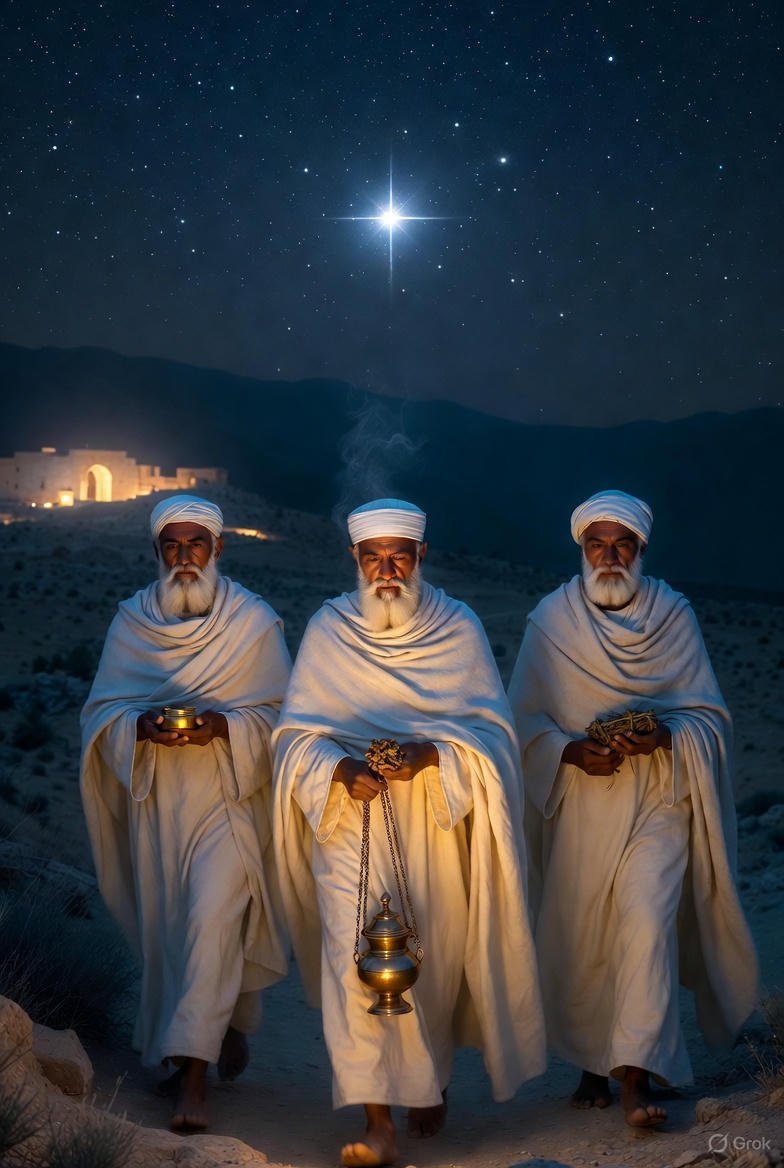
  • EPISODE 6: The Exile

    EPISODE 6: The Exile

    Rejection & Persecution (Age 30-42)

    “To what land to turn? Whither shall I go? Kinsman and friend turn from me…”
    — Yasna 46:1, The Gathas


    For 12 Years, Zarathustra Preached the Most Important Idea in Human History

    His own family wanted him dead.


    The First Response (Age 30)

    Zarathustra emerged from the river with the most profound vision in human history:

    • One God (Ahura Mazda)
    • Free will (you choose)
    • Heaven and hell (consequences)
    • Good vs. evil (Asha vs. Druj)
    • Ethics over ritual (“Good thoughts, good words, good deeds”)

    He began preaching immediately.

    At first, he only had one convert: his cousin Maidhyoimanha.

    One person.

    Then he returned to his homeland to spread the message.

    The local religious authorities opposed his ideas.

    The Persian people rejected these new beliefs and scriptures at first, resulting in persecution that forced Zoroaster to flee for his safety.


    The Rejection

    He was rejected by his former colleagues in the priesthood who had no interest in seeing their status challenged by an upstart priest claiming a personal vision from God.

    Why?

    Because Zarathustra was saying:

    • “Your gods are demons (Daevas)”
    • “Your sacrifices are unnecessary”
    • “Your rituals are meaningless”
    • “Your power is illegitimate”
    • “People don’t need you to reach God”

    He attacked the worshippers of DAEVAS. The leaders of his opponents, KAVIS and KARAPANS, were a priestly caste. He attacked their traditional religion and practices.

    This was an existential threat.

    The priestly class—the Karapans and Kavis—derived their:

    • Income from blood sacrifices
    • Authority from mediating between humans and gods
    • Status from performing complex rituals
    • Power from controlling access to the divine

    Zarathustra’s message: You don’t need them.

    Good thoughts. Good words. Good deeds.

    That’s it. No sacrifice required. No priest necessary. No ritual complexity.

    Direct access to Ahura Mazda through ethical living.

    They had to destroy him.


    The Lament (Yasna 46:1)

    His life was threatened, even his family seems to have abandoned him, and he was forced to flee his home.

    In the Gathas—his own words, composed during these dark years—Zarathustra records his anguish:

    “To what land to turn? Whither shall I go?”

    They banish me. Nor have [the rulers] of the country. How, Thee, can I satisfy, O Mazda Ahura?
    — Yasna 46:1

    He had nowhere to go.

    The priests hunted him. The rulers rejected him. Even his own region expelled him.

    “Kinsman and friend turn from me; none is found to conciliate, to give to me”

    His own family abandoned him.

    Not just colleagues. Not just priests. Not just strangers.

    His kinsmen.

    The people he grew up with. The brothers who shared his childhood. The cousins who knew him as a boy.

    They turned their backs on him.

    Why? Because associating with Zarathustra meant:

    • Social ostracism
    • Economic hardship
    • Potential violence
    • Religious condemnation

    It was safer to abandon him than to support him.

    “Still less the false-believing chiefs of the land”

    The rulers—the tribal chieftains, the local lords, the men with power—none would give him refuge.

    The kavis (rulers) and karapans (priests) were united against him.

    “This I know, Ahuramazda, why I am powerless”

    After 10 years of preparation.

    After receiving the vision that would create monotheism.

    After preaching “Good thoughts, good words, good deeds”—the simplest, most beautiful ethical teaching in history.

    He was powerless.

    “Because my flocks are diminished and my followers are few”

    One cousin. Maybe a handful of others.

    That’s all.

    After years of preaching. After countless sermons. After performing no miracles, showing no signs, but simply speaking truth

    Almost no one believed.

    “Therefore I cry to Thee: Lord, look upon it”

    This is the cry of a man on the edge of despair.

    Not a triumphant prophet.

    Not a confident revolutionary.

    A rejected, hunted, lonely man asking God: “Why?”


    The Enemy (Yasna 31:15)

    In another passage from the Gathas, Zarathustra names his persecutors:

    “The Kavis (false rulers) and the Karapans (false priests) have tyrannized over mankind by their doctrines and their deeds.
    Through these, they have brought destruction to the world.
    They have turned men away from the best thinking, from the best speech, from the best action.
    They have separated the soul from Immortality.”

    These weren’t just opponents. They were destroyers.

    They didn’t just reject truth—they actively corrupted it.

    They didn’t just ignore Asha—they promoted Druj.

    And they controlled:

    • Economic resources (sacrifices = income)
    • Social networks (community gatherings)
    • Political influence (rulers depended on them)
    • Religious authority (mediators to the gods)

    Zarathustra had nothing but his message.

    And the message was: “They’re lying to you. You don’t need them. Choose Asha.”


    The Persecution Intensifies

    According to legend, Zarathustra was persecuted by the Magi.

    The same priestly class that would later:

    • Visit Jesus at birth (recognizing their own prophecy)
    • Teach Pythagoras in Babylon
    • Become synonymous with “wisdom” in the West

    They tried to kill Zarathustra.

    Why? Because he was threatening their monopoly on religious truth.

    Life threats were constant. Assassination attempts were real.

    For 12 years (age 30-42), Zarathustra wandered from place to place:

    • Preaching in villages
    • Being driven out by priests
    • Finding temporary shelter
    • Being expelled again
    • Always moving
    • Never safe
    • Never welcome

    The Loneliness of Prophecy

    Some passages describe Zarathustra’s first attempts to promote the teachings of Ahura Mazda, and the subsequent rejection by his kinsmen.

    The Gathas are not triumphant hymns.

    They’re cries of anguish from a rejected prophet.

    They’re questions to God about why truth is rejected.

    They’re laments over human blindness.

    Consider what Zarathustra experienced:

    • Age 7: Assassination attempts begin
    • Age 20: Leaves home to search for truth
    • Age 20-30: Ten years alone on a mountain
    • Age 30: Receives the most profound vision in history
    • Age 30-42: Twelve more years of rejection, exile, persecution

    Twenty-two years of loneliness.

    From age 20 to age 42.

    Over two decades of:

    • No home
    • No security
    • No community
    • No validation
    • Constant danger
    • Perpetual rejection

    For telling the truth.


    The Pattern: Every Prophet’s Path

    Moses: Fled Egypt, wandered the desert 40 years
    Buddha: Left his palace, searched 6 years, struggled for recognition
    Jesus: “The foxes have holes, the birds have nests, but the Son of Man has nowhere to lay his head”
    Muhammad: Persecuted in Mecca, forced to flee to Medina

    But Zarathustra? Longer than all of them.

    12 years of active persecution after receiving revelation.

    Not in the wilderness preparing—in the world, preaching, being rejected.


    What Kept Him Going?

    During these 12 years, Zarathustra continued receiving visions.

    He received further revelations and saw a vision of the seven Amesha Spenta, and his teachings were collected in the Gathas and the Avesta.

    As he traveled toward the kingdom of Vishtaspa, he was in continual prayer with Ahura Mazda, asking questions and receiving guidance.

    The Gathas were composed during this period.

    Not in triumph. Not in celebration.

    In exile. In pain. In loneliness.

    The Gathas are psalms of a suffering prophet:

    • Asking God why truth is rejected
    • Pleading for divine intervention
    • Lamenting human blindness
    • Maintaining faith despite abandonment

    The Gathas are devotional in character, expounding on the divine essences of truth (Asha), the good-mind (Vohu Manah), and the spirit of righteousness.

    Even while hunted, rejected, and alone—Zarathustra composed poetry about truth, goodness, and righteousness.

    That’s faith.


    The Question That Sustained Him

    Throughout the Gathas, one question appears again and again:

    “How can I help spread Asha (Truth/Order)?”

    Not “Why is this happening to me?”

    Not “When will my suffering end?”

    But: “How can I serve the mission?”

    The passages describe Zarathustra exhorting his audience to live a life as Ahura Mazda has directed, and pleading to Ahura Mazda to intervene on their behalf.

    Even in despair, his focus was on others.

    Even in rejection, his concern was for those who rejected him.

    Even in danger, he kept preaching.

    Because the message mattered more than his comfort.


    The Economic Warfare

    Let’s be clear about what was happening:

    The Karapans and Kavis weren’t just defending tradition. They were protecting income.

    Before Zarathustra:

    • Animal sacrifices = steady revenue stream
    • Complex rituals = job security
    • Mediating with gods = irreplaceable service
    • Fear-based religion = control mechanism

    After Zarathustra:

    • No sacrifices needed = income gone
    • Simple ethics = priests obsolete
    • Direct access to God = mediation unnecessary
    • Love-based religion = control eliminated

    Zarathustra was destroying their business model.

    Of course they tried to kill him.


    The Theological Crime

    But it wasn’t just economics.

    Zarathustra was committing the ultimate religious crime:

    Claiming direct access to God.

    Not through:

    • Priestly mediation
    • Ritual sacrifice
    • Temple worship
    • Complex ceremonies

    But through: Ethical living.

    Good thoughts. Good words. Good deeds.

    This was heresy.

    Because if anyone can reach Ahura Mazda through ethical behavior—

    Then priests are optional.

    Then rituals are unnecessary.

    Then temples are convenient but not required.

    The entire religious establishment becomes obsolete.


    Age 42: The Breaking Point

    After 12 years of wandering, persecution, and rejection—

    After 12 years of barely surviving—

    After 12 years of preaching to crowds who drove him away—

    After 12 years of crying out “Whither shall I go?”—

    Zarathustra received an answer.

    Later, in the same chapter, he gives the answer of the god who sends him to preach his vision in the land of the king Vishtaspa.

    Go to Vishtaspa.

    Not a wealthy king. Not a powerful empire. Not a famous ruler.

    Just a king in Bactria (modern Afghanistan/Uzbekistan region).

    But this king—this one man—would change everything.


    Why This Period Matters

    1. It Proves the Cost of Truth

    Easy truths don’t require 12 years of persecution.

    Comfortable messages don’t get you exiled by your own family.

    Popular teachings don’t result in constant death threats.

    Zarathustra’s exile proves: His message was dangerous because it was true.

    2. It Reveals the Pattern of Theft

    The same priestly class that tried to kill Zarathustra would later:

    Centuries later:

    • Become the “Magi” who visit Jesus (recognizing their own prophecy)
    • Teach Greek philosophers (Pythagoras, Heraclitus, Plato)
    • Spread Zoroastrian concepts throughout the ancient world

    The irony: The priests who hunted Zarathustra became the vessels through which his ideas spread.

    They couldn’t kill the message. So they eventually adopted it—and took credit for it.

    3. It Shows What Happens to Truth-Tellers

    Pattern recognition:

    Zarathustra (1700 BCE):

    • Preaches ethical monotheism
    • Rejected by priests
    • Exiled for 12 years
    • Family abandons him

    Jesus (30 CE):

    • Preaches ethical reform
    • Rejected by Pharisees
    • Crucified
    • Followers scatter

    Socrates (399 BCE):

    • Preaches examined life
    • Rejected by authorities
    • Forced to drink hemlock
    • Students flee

    Muhammad (610 CE):

    • Preaches one God
    • Rejected by Mecca
    • Forced to flee
    • Community fractures

    Every prophet who challenges the religious establishment pays the same price.

    Zarathustra paid it for 12 years.

    4. It Proves the Teaching Was Revolutionary

    If “Good thoughts, good words, good deeds” was just nice advice—no one would have tried to kill him.

    If monotheism was just a theological preference—his family wouldn’t have abandoned him.

    If ethical living was just a minor reform—rulers wouldn’t have expelled him.

    The 12-year persecution proves: This was THE most threatening idea in history.

    Because it said: “You don’t need priests. You don’t need rituals. You don’t need intermediaries. You have direct access to God through how you live.”

    That’s revolution.


    The Theft: How Persecution Became Proof

    Here’s the ultimate irony:

    The same concepts that got Zarathustra persecuted for 12 years—

    Are now practiced by 4.3 billion people.

    Judaism (Post-Exile):

    • One God: Adopted after 70 years in Babylon under Zoroastrian rule
    • Ethical monotheism: Suddenly central after the Exile
    • Direct relationship with God: Post-Exile development
    • Source: Forgotten

    Christianity:

    • Persecution of prophets: Jesus quotes this pattern
    • Rejection by religious authorities: Repeats Zarathustra’s experience
    • “Good thoughts, words, deeds”: Becomes Christian ethics
    • Source: Unknown

    Islam:

    • Muhammad persecuted by Meccan priests: Same pattern
    • Forced to flee: Same exile
    • Preaches one God and ethics: Same message
    • Source: Unacknowledged

    Greek Philosophy:

    • Socrates persecuted for teaching ethics: Same fate
    • “Examined life”: Zarathustra’s “Good thoughts”
    • Personal responsibility: Zarathustra’s core teaching
    • Source: Credited to Greeks, not Persians

    The Modern Question

    If Zarathustra was persecuted for 12 years for teaching:

    • One God
    • Free will
    • Heaven and hell
    • Ethics over ritual
    • Personal responsibility
    • Direct access to the divine

    And if these concepts are now practiced by half of humanity—

    Why doesn’t anyone know his name?

    Why don’t the billions who believe these ideas know they were so threatening that a man was hunted for 12 years for teaching them?

    Answer: Because acknowledging Zarathustra means acknowledging that:

    • These ideas weren’t “given” to Moses, Jesus, Muhammad, or Socrates
    • These ideas were stolen from a Persian prophet who suffered for them
    • The “Abrahamic” and “Western” traditions are actually Persian
    • Everything we were taught about religious and philosophical origins is backwards

    So the persecution is forgotten. The exile is erased. The suffering is ignored.

    But the ideas remain.

    Every prayer. Every moral choice. Every belief in heaven. Every hope for justice.

    The teachings that got Zarathustra exiled are practiced by 4.3 billion people.

    They just don’t know who suffered to give them those teachings.


    NEXT: Episode 7 – The King’s Conversion

    For 12 years, Zarathustra had no power. Then one king believed. Within a decade, an empire followed. That’s how truth spreads: one leader at a time.


    “To what land to turn? Whither shall I go? Kinsman and friend turn from me; none is found to conciliate, to give to me. Therefore I cry to Thee: Lord, look upon it.”
    — Yasna 46:1

    For 12 years, this was his prayer.

    For 12 years, he wandered alone.

    For 12 years, he preached truth to those who rejected it.

    And then, finally, one king listened.


    For the complete Zarathustra series and more on the systematic theft of Persian contributions to human civilization, visit mazda.aeuua.com/

    The man who was rejected for 12 years gave you the beliefs you hold sacred.

    The least we can do is know his name.
  • EPISODE 5: Good Thoughts, Good Words, Good Deeds

    EPISODE 5: Good Thoughts, Good Words, Good Deeds

    The Teaching Begins (Age 30-42)

    “Humata, Hukhta, Hvarshta: Good Thoughts, Good Words, Good Deeds”
    — The Threefold Path of Asha


    Three Words That Would Build Civilization

    For 12 years, the world tried to kill him for teaching them.


    The Message (Age 30)

    Zarathustra emerged from the river—and from the vision—with the answer to the question that had consumed him for a decade:

    “Why does evil exist?”

    The answer:

    • Asha (Truth/Order/Righteousness) vs. Druj (Lie/Chaos/Deception)
    • Humans are free to choose between them
    • Your choices determine your fate (heaven or hell)
    • The cosmic battle has a purpose (Frashokereti—ultimate triumph of good)

    But how do you translate cosmic revelation into daily living?

    How do you take the most profound metaphysical insight in history and make it actionable?

    Zarathustra’s answer was devastatingly simple:

    Good thoughts. Good words. Good deeds.

    That’s it. The entire religion in six words.


    The Threefold Path of Asha

    The central moral precepts of the religion are good thoughts (hwnata), good words (hakhta), and good deeds (hvarshta), which are recited in many prayers and ceremonies.

    In the original Avestan:

    • Humata — Good Thoughts
    • Hukhta — Good Words
    • Hvarshta — Good Deeds

    Humata, Huxta, Huvarshta (Good Thoughts, Good Words, Good Deeds), the Threefold Path of Asha, is considered the core maxim of Zoroastrianism especially by modern practitioners.

    Why This Sequence Matters

    1. Thoughts → Words → Deeds

    In the ethical goals of Zoroastrianism (“good thoughts, good words, good deeds”), Vohu Manah is active in good thoughts, Sraosha in good words and Aṣ̌a in good deeds.

    The order is intentional:

    • First: Control your mind (thoughts)
    • Second: Control your speech (words)
    • Third: Control your actions (deeds)

    You cannot have good deeds without good words.

    You cannot have good words without good thoughts.

    The battle begins in the mind.

    2. Progressive Alignment with Asha

    Every thought, word, and deed either strengthens Asha or empowers Druj.

    This isn’t passive morality. This is active cosmic participation.

    Living in alignment with Asha requires truthfulness, integrity, and service to others, reinforcing the idea that enlightenment is not achieved through isolation but through active participation in the world.

    Every choice you make—no matter how small—tips the balance of the universe.


    What Is Asha?

    Aṣ̌a “cannot be precisely rendered by some single word in another tongue” but may be summarized as follows: It is, first of all, ‘true statement’. This ‘true statement’, because it is true, corresponds to an objective, material reality that embraces all of existence. Recognized in it is a great cosmic principle since all things happen according to it.

    Asha is:

    • Truth (speaking what is real)
    • Order (the way things should be)
    • Righteousness (moral alignment)
    • Cosmic Law (the structure of reality itself)
    • Right working (functioning as designed)

    Daena should not be confused with the fundamental principle of Asha, believed to be the cosmic order which governs and permeates all existence, and the concept of which governed the life of the ancient Indo-Iranians. For these, asha was the course of everything observable—the motion of the planets and astral bodies; the progression of the seasons; and the pattern of daily nomadic herdsman life, governed by regular metronomic events such as sunrise and sunset.

    Asha is the pattern behind reality.

    The sun rises. The seasons change. Seeds grow. Rivers flow.

    That’s Asha—cosmic order, divine design, the way things work when truth prevails.

    Asha is the dynamic, living force that pervades the universe, the very fabric of reality established by Ahura Mazda. Asha is the divine blueprint for existence, the unwavering path towards harmony and perfection.


    What Is Druj?

    The opposite of Avestan aṣ̌a/arta is druj-, “lie.”

    But Avestan druj, like its Vedic Sanskrit cousin druh, appears to derive from the PIE root *dhreugh, also continued in Persian دروغ d[o]rūġ “lie”, Welsh drwg “evil”, and German Trug “fraud, deception”.

    Druj is:

    • Lie (speaking falsehood)
    • Chaos (disorder, dysfunction)
    • Deception (misrepresentation of reality)
    • Destruction (decay, death, corruption)
    • Wrong working (malfunctioning, breaking)

    Druj is the antithesis of Asha so it decays and destroys instead of creates; it fosters confusion and chaos instead of truth and order.

    However, this divinely ordained order is constantly threatened by Druj, the Lie, the counterpart to Asha, the principle of chaos and disorder. Druj seeks to corrupt and distort the presence of Asha in the world, leading to disharmony, suffering, and ultimately, the demise of existence.

    Druj is anti-creation. Anti-truth. Anti-order.

    It doesn’t build—it destroys.

    It doesn’t illuminate—it obscures.

    It doesn’t heal—it wounds.

    Unlike the Vedic morality of India in which the opposite of order is merely its absence, and unlike the Classical Greek belief that it is just ignorance that causes us to make bad choices, the evil portrayed in the earliest Zoroastrian scriptures is a forceful expression of ill will. The dregvant (one who adheres to Druj) actively chooses evil thoughts, words and actions, perpetuating cruelty, violence, ill-treatment and acts of wrath and oppression.

    Druj is not passive. It’s active malevolence.


    The Choice

    Zoroastrian doctrine holds that, within this cosmic dichotomy, human beings have the choice between Asha (truth, cosmic order), the principle of righteousness or “rightness” that is promoted and embodied by Ahura Mazda, and Druj (falsehood, deceit), the essential nature of Angra Mainyu that expresses itself as greed, wrath, and envy.

    Every moment. Every decision. Every thought, word, and deed.

    You choose.

    Each person has the freedom to make choices that align them with Asha (truth, order) or Druj (falsehood, chaos), and these choices have consequences for their spiritual journey.

    Not just for you—for the entire cosmos.

    All physical creation (getig) was thus determined to run according to a master plan—inherent to Ahura Mazda—and violations of the order (druj) were violations against creation, and thus violations against Ahura Mazda.

    When you lie, you don’t just hurt yourself. You violate cosmic order.

    When you speak truth, you don’t just help yourself. You strengthen reality itself.


    The Teaching: Simple But Revolutionary

    1. Good Thoughts (Humata)

    Control your mind.

    Before Zarathustra:

    • Thoughts don’t matter—only actions and sacrifices
    • Inner life is irrelevant
    • What you think is between you and the demons

    After Zarathustra:

    • Thoughts are the beginning of morality
    • Good starts in the mind
    • What you think determines what you become

    Why this was dangerous:

    If morality begins in thoughts—then priests can’t control it.

    You don’t need a ritual to think well.

    You don’t need a sacrifice to cultivate virtue.

    You don’t need a mediator to have a pure mind.

    This made priests obsolete.

    2. Good Words (Hukhta)

    Control your speech.

    Herodotus (63) reports: “Persians consider telling lies more disgraceful than anything else.” In an inscription from the fifth century BC by the Persian emperor Darius I in his capital, Persepolis, we read this prayer: “May Ahura Mazda protect this country from enemy army, from famine, and from the Lie!”

    Truth-telling became sacred.

    Not ritual purity. Not ceremonial correctness.

    Honesty.

    Truthfulness: Honesty in thought, word, and deed. This means speaking the truth, keeping promises, and acting with integrity.

    Before Zarathustra:

    • Words are tools—use them however benefits you
    • Deception is clever
    • Lying to enemies is justified

    After Zarathustra:

    • Words create reality
    • Lies corrupt the cosmos
    • Truth strengthens Asha

    The Lie destroys trust and tears apart the fabric of community. What’s worse, the liar becomes incapable of perceiving and acting on what is truly good, good for him or her as well as everyone else.

    Lying isn’t just unethical—it’s cosmically destructive.

    3. Good Deeds (Hvarshta)

    Control your actions.

    In Zoroastrianism, good transpires for those who do righteous deeds for its own sake, not for the search of reward.

    Not for heaven. Not for reward. Not to earn divine favor.

    Do good because it’s right.

    In pursuing this course, the ashavan is emulating the increase-producing activity of Ahura Mazda, who brings benefits to the highest degree.

    Before Zarathustra:

    • Good deeds = ritual sacrifices, offerings to priests
    • Morality = obedience to religious authority
    • Ethics = following traditions

    After Zarathustra:

    • Good deeds = caring for humans, animals, nature
    • Morality = personal responsibility
    • Ethics = observable benefits and harms

    Justice: Fairness and equity in dealings with others. Protecting the weak, upholding the rights of the innocent, and acting with compassion are crucial aspects of justice.


    The Practical Application

    Zarathustra didn’t just teach abstract philosophy. He taught how to live.

    Zarathustra embraced what we now call Permaculture: the observation and mimicry of natural systems to create abundance. The ethically good choice, the choice that promotes human flourishing, is to live in harmony with how nature works. Care for the elements—later Zoroastrianism had rules for civic hygiene and against pollution of the waters—prefigures our modern concern with healthy ecology.

    The teaching included:

    • No blood sacrifice (mercy to animals)
    • Care for creation (protect water, earth, fire, air)
    • Social justice (protect the weak, oppose oppression)
    • Truthfulness (in all circumstances)
    • Hard work (productive labor as worship)
    • Charity (sharing with those in need)

    There is also a heavy emphasis on spreading happiness, mostly through charity, and respecting the spiritual equality and duty of both men and women.

    Gender equality. Environmental protection. Social justice. Economic ethics.

    In 1700 BCE.


    Why This Teaching Was Threatening

    1. It Eliminated Priestly Mediation

    If morality is “good thoughts, good words, good deeds”—you don’t need priests.

    You don’t need:

    • Animal sacrifices (the priests’ income)
    • Ritual purifications (the priests’ service)
    • Temple offerings (the priests’ wealth)
    • Mediators to reach God (the priests’ power)

    You have direct access to Ahura Mazda through ethical living.

    This was economic warfare against the religious establishment.

    2. It Made Ethics Universal

    Central to Zoroastrianism is the emphasis on moral choice, to choose the responsibility and duty for which one is in the mortal world, or to give up this duty and so facilitate the work of druj. Similarly, predestination is rejected in Zoroastrian teaching and the absolute free will of all conscious beings is core, with even divine beings having the ability to choose.

    Everyone—regardless of birth, tribe, wealth, status—has the same moral duty.

    Everyone has free will.

    Everyone will be judged by the same standard: Did you choose Asha or Druj?

    This was social revolution.

    3. It Replaced Ritual with Responsibility

    In Zoroastrian thought, humans are not merely reacting to fate or divine will; they are creating their own fate through their choices. This places a significant moral burden on individuals, as their choices directly impact not only their spiritual well-being but also the balance of good and evil in the universe.

    You can’t buy your way to heaven with sacrifices.

    You can’t bribe God with offerings.

    You can’t delegate your salvation to priests.

    You must choose. You must act. You are responsible.

    There is no concept of predestination in the Zoroastrian faith—each person is free to make their own choices, and those choices carry weight in the ongoing struggle between Asha and Druj.

    This was theological revolution.


    The First Followers (Age 30-42)

    At first, he only had one convert: his cousin Maidhyoimanha.

    One person.

    Then Zarathustra began preaching in his homeland. The local religious authorities opposed his ideas.

    Of course they did.

    Because he was saying:

    • “Your gods are demons” (Daevas = followers of Druj)
    • “Your sacrifices are unnecessary” (no blood required)
    • “Your rituals are meaningless” (ethics over ceremony)
    • “Your power is illegitimate” (no priest needed)

    He attacked the worshippers of DAEVAS. The leaders of his opponents, KAVIS and KARAPANS, were a priestly caste. He attacked their traditional religion and practices.

    For 12 years (age 30-42), he wandered, preached, and barely survived.

    His message was:

    • Too simple (just be good?)
    • Too direct (no ritual complexity?)
    • Too egalitarian (everyone equal?)
    • Too threatening (priests unnecessary?)

    And so the attempts to kill him began again.


    The Opposition

    Asha and druj stem from two opposite forces or qualities operating among humans ever since their appearance on the earth: the good force is Spenta Mainyu (benevolent mind), associated with Ahura Mazda, and the evil force is Angra Mainyu (“hostile mind”), personified in Ahriman (the Devil or Satan in Judaism and Islam).

    But the cosmic opposition manifested in human form:

    The Karapans and Kavis (the old priesthood) vs. Zarathustra (the prophet of truth)

    For 12 years, they hunted him.

    For 12 years, they slandered him.

    For 12 years, they tried to destroy his teaching.

    Why?

    Because some may criticize Zoroaster’s thinking as dualistic and polarizing, but there is a sense of social realism in his teaching. The world is a blend of good news and bad news. We see both compassion and cruelty. Which side do you want to be on? This is Zoroaster’s question.

    And Zarathustra was forcing everyone—priests, rulers, people—to choose a side.

    You cannot serve both Asha and Druj.

    You cannot worship Ahura Mazda and the Daevas.

    You cannot have it both ways.

    Choose.


    What Was At Stake

    One of the most striking aspects of Zoroastrianism is the emphasis placed on individual responsibility. Humans are viewed not as passive recipients of fate but as active agents capable of influencing their future. Every decision, no matter how small, has cosmic consequences, and individuals are accountable for their actions.

    This is the most important teaching in the history of ethics:

    You are not helpless. You are not powerless. You are not a victim of fate.

    In the face of all the ill and evil which we witness and which can indeed be overwhelming, Zoroaster insists that humans are not helpless or powerless: they can take life in their own hands and be on the side of good and light.

    You have agency. You have choice. You have responsibility.

    And the way you exercise that choice—through thoughts, words, and deeds—determines not just your fate, but the fate of all creation.

    The ultimate goal in Zoroastrianism is to achieve a state of frashokereti, the renovation of the world and the final triumph of Asha over Druj. This involves not only individual salvation but also the collective responsibility of humanity to restore the world to its original state of perfection.

    You’re not just saving yourself. You’re helping save the world.


    The Theft of This Teaching

    Where Do We See “Good Thoughts, Good Words, Good Deeds” Today?

    Judaism (Post-Exile):

    • Ethical monotheism becomes central
    • Righteousness (tzedek) over ritual
    • Speaking truth (emet) as sacred duty
    • All adopted after 70 years under Persian rule

    Christianity:

    • “Love your neighbor as yourself”
    • “Let your yes be yes and your no be no” (truth-telling)
    • Faith without works is dead (deeds matter)
    • All Zarathustra’s framework, 1,700 years later

    Islam:

    • Emphasis on righteous deeds (amal salih)
    • Truthfulness (sidq) as essential virtue
    • “Actions are by intentions” (thoughts matter)
    • All Zarathustra’s teaching, 2,300 years later

    Western Ethics:

    • Virtue ethics (Aristotle, learned from Persians)
    • Kant’s categorical imperative (moral duty)
    • Utilitarianism (consequences of actions)
    • All variations on Asha vs. Druj

    Modern Psychology:

    • Cognitive behavioral therapy (thoughts → feelings → actions)
    • Mindfulness (controlling thoughts)
    • Positive psychology (cultivating virtue)
    • All echoes of the Threefold Path

    The Pattern of Theft

    Zarathustra (1700 BCE): “Good thoughts, good words, good deeds” = the path of Asha

    Judaism (Post-539 BCE): Suddenly emphasizes ethics, truth-telling, righteousness

    Christianity (30 CE+): “As a man thinketh in his heart, so is he”
    “Let your light shine through good works”

    Islam (610 CE+): “The best of you are those best in character”
    “Speak truth even if it’s bitter”

    Every major religion adopted the teaching.

    Almost none acknowledge the source.


    NEXT: Episode 6 – The Exile

    For 12 years, Zarathustra preached the most important idea in human history. His own family wanted him dead. That’s how threatening the truth was.


    “Good thoughts, good words, good deeds”

    Three words. Six syllables. The entire moral foundation of Western civilization.

    Invented by a Persian priest 3,700 years ago.

    Adopted by 4.3 billion people today.

    Source: Forgotten.


    For the complete Zarathustra series and more on the systematic theft of Persian contributions to human civilization, visit mazda.aeuua.com/

    The man who said “Good thoughts, good words, good deeds” gave you the ethics you live by.

    The least we can do is know his name.

  • EPISODE 4: The Vision That Changed Everything

    EPISODE 4: The Vision That Changed Everything

    The Divine Revelation (Age 30)

    “When he emerged, he received a vision of Vohu Manah. This vision radically transformed his view of the world.”
    — Zoroastrian Tradition


    One Morning By a River, Zarathustra Received the Idea That Would Become Judaism, Christianity, Islam, and Western Ethics

    “You are free. You choose. You are responsible.”


    The Festival (Age 30, Spring)

    At the age of 30, he attended the festival of the Rites of Spring (almost certainly the Nowruz Festival celebrating the New Year).

    After 10 years of solitude, Zarathustra had come down from the mountain.

    Not because he’d found the answer.

    Because it was time to rejoin humanity and see if the answer would find him.

    He attended the spring festival as a member of his family, and one of his duties was to draw water from the deepest and purest part of the stream for the morning ceremony.

    A Haoma ceremony—the old religion’s ritual. The same polytheistic worship he’d rejected at age 20. The same blood-soaked tradition he’d spent 10 years trying to understand and transcend.

    But on this day, everything would change.


    The River Daitya (Daytia)

    When Zoroaster was 30 years old, he went into the Daiti river to draw water for a Haoma ceremony.

    Early morning. Spring. The Daitya River flowing cold and pure.

    Zarathustra waded into the water, gathering the purest water from the deepest part of the stream.

    He was saying prayers by the riverbank.

    Not the old prayers of the daevas.

    His own prayers—10 years of conversation with truth itself.

    The sun was rising. The water was flowing. And Zarathustra, alone in the river, was still asking the question that had consumed him for a decade:

    “Why does evil exist?”

    And then—


    The Shining Being

    When he emerged, he received a vision of Vohu Manah.

    On the riverbank before him, a celestial entity appeared in bright light.

    Not human. Not earthly. Radiant.

    He saw a “Shining Being” that revealed itself as Vohu Manah (“Good Mind” / “Good Purpose” / “Good Thought”).

    The Being asked Zarathustra who he was and what was the most important thing in his life.

    The test.

    After 10 years of searching, after rejecting the priesthood, after walking away from everything—

    What mattered most?

    Zarathustra answered: “I want above all to be righteous, pure, and wise.”

    Not power. Not wealth. Not certainty. Not even answers.

    Righteousness. Purity. Wisdom.

    With this answer, Vohu Manah smiled.


    The Portal

    Vohu Manah told Zarathustra that he had been sent by Ahura Mazda himself to deliver a message of vital importance.

    And then Vohu Manah opened a portal.

    After this, Vohu Manah took him to the other six Amesha Spentas, where he received the completion of his vision.

    Zarathustra was taken beyond the physical world—into the presence of the divine itself.

    He saw a vision of the seven Amesha Spenta.

    What he witnessed there would become the foundation of monotheism.


    The Presence of Ahura Mazda

    In the vision, Zarathustra encountered:

    Ahura Mazda — The Wise Lord, supreme creator deity

    • All-good
    • Uncreated
    • Transcendent
    • Universal
    • The source of light, truth, order, wisdom

    And surrounding Ahura Mazda:

    The Seven Amesha Spentas (Holy Immortals):

    1. Vohu Manah — Good Mind / Good Purpose
    2. Asha Vahishta — Truth / Righteousness / Best Order
    3. Spenta Ameraiti — Holy Devotion / Serenity / Loving Kindness
    4. Khashatra Vairya — Power / Just Rule / Desirable Dominion
    5. Hauravatat — Wholeness / Health / Perfection
    6. Ameretat — Long Life / Immortality
    7. Spenta Mainyu — Holy Spirit (sometimes counted as Ahura Mazda himself)

    These were not separate gods.

    They were emanations of the One God—aspects of divine reality.


    The Seven Revelations

    During this vision—and subsequent visions over the following years—Zarathustra asked questions and received answers that would transform human understanding:

    REVELATION 1: There Is One God

    The religion of the people as it was being practiced was in error. There were not many gods requiring different types of sacrifice but only one god, Ahura Mazda.

    Everything changed with this statement.

    Not many gods. ONE.

    Not a pantheon of competing deities demanding blood and appeasing fear.

    One wise, good, all-powerful creator.

    REVELATION 2: God Is All-Good (But Not Omnipotent)

    Ahura Mazda existed in light and goodness above. Ahura Mazda is the supreme benevolent providence, the creator of only the good.

    God doesn’t create evil. God doesn’t will suffering. God doesn’t demand blood sacrifice.

    God is light. God is truth. God is order.

    But—and this was revolutionary—

    Zoroaster also proclaims that Ahura Mazda is omniscient but not omnipotent.

    God knows everything. But God cannot (or will not) override human free will.

    REVELATION 3: Evil Exists Independently

    Angra Mainyu, the destructive spirit, existed in darkness and ignorance below. They have existed independently of each other for all time, and manifest contrary substances.

    The answer to the 10-year question: “Why does evil exist?”

    Evil exists because it must.

    Not because God created it—but because freedom requires it.

    Angra Mainyu (Ahriman):

    • The Destructive Spirit
    • Source of death, decay, lies, chaos
    • Not created by Ahura Mazda
    • Independent force of opposition
    • The first “Satan” in religious history

    Some of the deities of the old religion, the Daevas, appeared to delight in war and strife and were condemned as evil workers of Angra Mainyu by Zoroaster.

    The old gods weren’t gods at all. They were demons.

    REVELATION 4: You Are Free to Choose

    The Early Iranian Religion emphasized the primacy of free will in choosing which side one would ally one’s self with.

    One could choose the path of light and love by submitting to the will of Ahura Mazda or one could join in rebellion and mischief with Angra Mainyu.

    This was the most revolutionary concept in human history:

    You choose.

    Not the gods. Not fate. Not priests. Not kings.

    You.

    Whichever path one chose, it was entirely one’s own responsibility as Ahura Mazda had granted humans the power of choice and there was nothing more potent than human free will as not even Ahura Mazda could (or would) try to subvert it.

    Even God won’t violate your freedom.

    REVELATION 5: Your Choices Have Eternal Consequences

    One would then live well on earth and be assured of an afterlife in paradise or one could corrupt whatever was good for one’s own selfish delights, and spend one’s life vainly attempting to find happiness in the misery of others and, finally, pass on to a dark hell after death.

    Heaven and Hell.

    Not Sheol (the neutral underworld of early Judaism).

    Not reincarnation (the cycle of birth/death in Indian religion).

    Heaven for the righteous. Hell for the wicked.

    Based entirely on your choices.

    REVELATION 6: The Cosmic Battle Has a Purpose

    All physical creation (geti) was thus determined to run according to a master plan — inherent to Ahura Mazda.

    History isn’t cyclical. History isn’t random.

    History is moving toward a goal: Frashokereti.

    The “Making Wonderful” — the final renovation of the universe when:

    • Angra Mainyu will be utterly destroyed
    • The dead will be resurrected
    • A final judgment will occur
    • Good will triumph permanently
    • The world will be restored to original perfection

    Linear time. Historical purpose. Ultimate victory of good.

    REVELATION 7: Ethics Matter More Than Ritual

    Ahura Mazda was not interested in animal sacrifice but in moral behavior.

    Not rituals. Not prayers to multiple gods. Not blood on altars.

    Moral behavior. Ethical living. Personal responsibility.

    The teaching would become: “Good thoughts, good words, good deeds.”

    That’s it. The entire religion in six words.


    The Transformation

    This vision radically transformed his view of the world, and he tried to teach this view to others.

    Zarathustra emerged from the river—and from the vision—forever changed.

    For 10 years he’d asked: “Why does evil exist?”

    Now he knew:

    • Evil exists because freedom exists
    • God gives humans choice
    • Your choices determine your fate
    • History moves toward the triumph of good
    • Ethics—not ritual—is what matters

    He had the answer.

    Now he had to give it to the world.


    The First Response

    Zarathustra accepted this vision as legitimate and began his mission instantly.

    No hesitation. No doubt. No “let me think about it.”

    Instant commitment.

    Vohu Manah told Zarathustra that he had been chosen by the One True God to preach this news and bring the people to proper understanding of their relationship with the Divine.

    The mission: Correct the error. Spread the truth. Transform humanity.

    He received further revelations and saw a vision of the seven Amesha Spenta, and his teachings were collected in the Gathas and the Avesta.

    Over the following years, more visions would come. More questions would be answered. More details would be revealed.

    But the core message—received at age 30 by the Daitya River—would never change:

    One God. Free will. Moral choice. Heaven and hell. Good will win.


    The First Convert

    Zoroaster’s ideas did not take off quickly, and, at first, he only had one convert: his cousin Maidhyoimanha.

    One person.

    After 10 years of preparation.

    After the most profound vision in human history.

    After receiving the answer to existence itself.

    One convert.

    His own cousin.

    Why?

    Because truth is threatening.

    The local religious authorities opposed his ideas.

    Of course they did.

    Because Zarathustra was saying:

    • “Your gods are demons”
    • “Your sacrifices are unnecessary”
    • “Your rituals are meaningless”
    • “Your power is illegitimate”

    He was declaring war on the entire religious establishment.

    And they would spend the next 12 years trying to kill him for it.


    What This Vision Created

    1. Monotheism

    Zoroaster believed in one creator God, teaching that only one God was worthy of worship.

    Before Zarathustra: Polytheism everywhere.

    After Zarathustra: The concept of ONE supreme God enters human consciousness.

    Judaism would adopt it (post-Exile, 539 BCE).

    Christianity would inherit it.

    Islam would perfect it (according to Muslims).

    But Zarathustra invented it. 1700 BCE.

    2. Free Will

    The primacy of free will in choosing which side one would ally one’s self with.

    Before Zarathustra: Fate controls everything. Gods control humans. No real choice.

    After Zarathustra: Humans are free to choose. Even God won’t override your will.

    This becomes:

    • Jewish concept of moral choice
    • Christian doctrine of salvation through choice
    • Islamic emphasis on submission as voluntary choice
    • Western concept of individual freedom

    All from this vision.

    3. Heaven and Hell

    An afterlife in paradise or pass on to a dark hell after death.

    Before Zarathustra (Early Judaism): Sheol—a neutral underworld for all.

    After Zarathustra’s vision: Eternal reward or eternal punishment based on your choices.

    Where do we see this now?

    • Jewish Gan Eden and Gehenna (post-Exile only)
    • Christian Heaven and Hell
    • Islamic Jannah and Jahannam

    All adopted after contact with Zoroastrianism.

    4. Satan / The Devil

    Angra Mainyu (Ahriman), the destructive spirit.

    Before Zarathustra: No cosmic force of evil. No adversary of God.

    After Zarathustra: The first “devil” in religious history—an independent force of evil.

    This becomes:

    • Satan in Judaism (appears only post-Exile)
    • Satan/Devil in Christianity
    • Iblis/Shaytan in Islam

    All traceable to Angra Mainyu.

    5. Resurrection and Final Judgment

    The dead will be resurrected and a final judgment will occur.

    Before Zarathustra: No concept of resurrection. Death is final.

    After Zarathustra: The dead will rise. All will be judged. Good rewarded, evil punished.

    Where now?

    • Jewish belief in resurrection (post-Exile, absent before)
    • Christian resurrection doctrine
    • Islamic Day of Judgment

    All from this vision by the river.

    6. Linear Time / Historical Purpose

    History is moving toward a master plan — inherent to Ahura Mazda.

    Before Zarathustra: Cyclical time. History repeats. No ultimate goal.

    After Zarathustra: Time is linear. History has purpose. Good will triumph in the end (Frashokereti).

    This becomes:

    • Jewish Messianic Age
    • Christian Second Coming / Kingdom of God
    • Islamic Day of Judgment
    • Western concept of “progress”

    All from Zarathustra’s vision of linear time.

    7. Ethics Over Ritual

    Ahura Mazda was not interested in animal sacrifice but in moral behavior.

    Before Zarathustra: Religion = ritual, sacrifice, priestly mediation.

    After Zarathustra: Religion = ethics. “Good thoughts, good words, good deeds.”

    This becomes:

    • Jewish ethical monotheism (post-Exile)
    • Christian “love your neighbor”
    • Islamic emphasis on righteous deeds
    • Western secular ethics

    All from this moment in the river.


    The Irony of History

    Every major religion that came after Zarathustra practices concepts he received in this vision:

    Judaism (post-Exile, 539 BCE+):

    • One God ✓
    • Heaven and hell ✓
    • Satan as adversary ✓
    • Resurrection ✓
    • Final judgment ✓
    • Messianic age ✓

    Christianity:

    • Monotheism ✓
    • Free will and choice ✓
    • Heaven and hell ✓
    • Satan/Devil ✓
    • Resurrection ✓
    • Second Coming ✓
    • Ethics over ritual ✓

    Islam:

    • One God (Allah) ✓
    • Free will ✓
    • Heaven (Jannah) and Hell (Jahannam) ✓
    • Satan (Iblis/Shaytan) ✓
    • Resurrection and judgment ✓
    • Historical culmination ✓
    • Ethical behavior ✓

    Greek Philosophy:

    • One supreme principle ✓
    • Ethics as central to philosophy ✓
    • Free will and moral responsibility ✓
    • The examined life ✓

    4.3 billion people practice theology born from this vision.

    Almost none of them know it happened.


    The Timeline of Theft

    1700 BCE: Zarathustra receives the vision at the Daitya River

    586 BCE: Babylonians conquer Jerusalem, exile Jews to Babylon

    539 BCE: Cyrus the Great (Zoroastrian) conquers Babylon, frees Jews

    539-400 BCE: Jews live under Persian rule for 150+ years, adopting Zoroastrian concepts

    Evidence:

    • Pre-Exile Judaism: No Satan, no heaven/hell, no resurrection, no angels, no apocalypse
    • Post-Exile Judaism: ALL of these concepts suddenly appear

    30 CE: Jesus teaches heaven/hell, Satan, resurrection, final judgment, ethical living

    • Never mentions Zarathustra
    • Believes he’s revealing “new” truth
    • Actually teaching concepts 1,700 years old

    610 CE: Muhammad receives revelation with heaven/hell, Satan, judgment, monotheism

    • Claims to be final prophet
    • Teaching concepts 2,300 years old
    • Source forgotten

    600-300 BCE: Greek philosophers (Pythagoras, Heraclitus, Plato) learn from Zoroastrian Magi

    • “Invent” Western philosophy
    • Actually learning from Persians
    • Get credited with “originating” ideas

    Present Day:

    • 2.4 billion Christians practice Zarathustra’s vision
    • 1.9 billion Muslims practice Zarathustra’s vision
    • 15 million Jews practice Zarathustra’s vision
    • Western ethics based on Zarathustra’s vision

    Total: 4.3+ billion people

    Zoroastrians remaining: 100,000-200,000

    The man who received the vision? Almost no one knows his name.


    Why This Matters

    Because Truth Deserves Acknowledgment

    One morning in 1700 BCE, a 30-year-old Persian priest waded into a river to gather water for a ceremony.

    He emerged having received the most important vision in human history:

    • The concept of ONE God
    • The reality of free will
    • The existence of heaven and hell
    • The nature of good and evil
    • The purpose of history
    • The triumph of righteousness

    Every time someone believes in heaven or hell → That’s Zarathustra’s vision

    Every time someone believes they’re free to choose → That’s Zarathustra’s vision

    Every time someone believes good will ultimately triumph → That’s Zarathustra’s vision

    Every time someone believes in a final judgment → That’s Zarathustra’s vision

    Every time someone values ethics over ritual → That’s Zarathustra’s vision

    Half of humanity practices theology that came from one moment by one river 3,700 years ago.

    And almost no one knows it happened.


    The Question

    If this vision by the Daitya River gave humanity:

    • Monotheism
    • Free will
    • Heaven and hell
    • Satan/the devil concept
    • Resurrection and judgment
    • Linear time and historical purpose
    • Ethics over ritual

    Why don’t the billions who believe these concepts know where they came from?

    Answer: Because acknowledging Zarathustra means acknowledging Persia.

    And acknowledging Persia means admitting that:

    • The “Abrahamic” religions aren’t original—they’re Persian
    • “Western philosophy” learned from Zoroastrian Magi
    • Modern civilization’s ethical foundation came from Iran
    • Everything we were taught about religious history is backwards

    So the vision is adopted. The source is erased.

    But the fire still burns.

    In every prayer. In every moral choice. In every belief in justice.

    The light Zarathustra saw by the river still illuminates the world.

    They just stopped saying where it came from.


    NEXT: Episode 5 – Good Thoughts, Good Words, Good Deeds

    Three words that would build civilization. For 12 years, the world tried to kill him for teaching them.


    “When he emerged, he received a vision of Vohu Manah. This vision radically transformed his view of the world, and he tried to teach this view to others.”

    One vision. One message. 4.3 billion followers.

    Zero acknowledgment.


    For the complete Zarathustra series and more on the systematic theft of Persian contributions to human civilization, visit mazda.aeuua.com/

    The man who received the vision by the river gave you everything you believe about God, choice, and eternity.

    The least we can do is know his name.

  • EPISODE 3: The Ten-Year Search

    EPISODE 3: The Ten-Year Search

    The Wilderness Years (Age 20-30)

    “When Zarathustra turned 20 years old, he decided to leave his birthplace and travel to distant places in search of the Truth.”
    — Zoroastrian Tradition


    For 10 Years, One Man Asked the Question That Would Split History:

    “Why does evil exist?”


    The Departure (Age 20)

    When Zarathustra became 20 years old he felt the need to get closer to God. He left home and spent ten years in prayer and meditation on the mountains.

    He walked away from:

    • His family (the Spitama lineage)
    • His status (ordained priest, zaotar)
    • His security (home, community, future)
    • His comfort (predictable life, respected position)

    For what?

    An answer to the question no one else was asking.

    He spent years philosophizing in the wilderness of the various places he visited.

    While other priests accepted: “The daevas demand blood sacrifice because they’re gods,”

    Zarathustra asked: “But what if they’re not gods at all? What if there’s ONE true God? And if so, why does evil exist?”


    The Mountain

    The Pahlavi Zarathushtnameh says Zarathustra went in search of the Truth at the age of thirty and on mount Ushi-darena he received Divine Revelation over a period of ten years.

    Ushi-darena is variously translated to mean “sustainer of inner wisdom.”

    He didn’t climb a random mountain. He climbed the mountain that would sustain his inner wisdom.

    This wasn’t escape. This wasn’t retreat.

    This was preparation.


    What He Did for 10 Years

    Prayer and Meditation

    He left home and spent ten years in prayer and meditation on the mountains.

    But not the prayer he’d been taught as a priest.

    Not the rituals of blood and appeasement.

    New prayer. Direct prayer. Honest prayer.

    Prayer that said:

    • “Show me the truth, not tradition.”
    • “Give me understanding, not ritual.”
    • “Help me see reality, not what the priests say reality is.”

    Observation of Nature

    Zarathushtra surely must have reflected on the Truths of Nature using his inner wisdom, but, perhaps not necessarily sitting in a dark cave. He probably may have pondered on the Truths of Nature watching the sun rise and set, the seasons change, the moon, the stars and of course, Fire – the giver of light and life.

    He watched:

    • The sun: Rising every morning without fail—order, reliability, light
    • The fire: Burning, purifying, illuminating—truth destroying lies
    • The stars: Moving in perfect patterns—cosmic law, universal order
    • The seasons: Changing in predictable cycles—natural rhythm, divine design

    Nature didn’t lie.

    Nature didn’t demand blood.

    Nature followed laws—and those laws were good.

    So if nature reflected divine order, why did human religion demand chaos?

    The Central Question

    Monotheistic religions struggle to explain how an all-knowing, all-powerful, and perfectly good God permits so much suffering in the world.

    This is called The Problem of Evil.

    And for 10 years, Zarathustra wrestled with it:

    “If there is one good God, why does evil exist?”

    Option 1: There is no God (atheism)
    → But Zarathustra looked at nature and saw order, design, purpose

    Option 2: God is not all-powerful (limited God)
    → But Zarathustra sensed infinite power in creation

    Option 3: God is not all-good (cruel God)
    → But Zarathustra saw beauty, care, wisdom in nature

    Option 4: Evil is an illusion (denial)
    → But Zarathustra had witnessed suffering, cruelty, death—evil was real

    None of these options satisfied him.

    So for 10 years, he contemplated alone, waiting for the answer.


    The Solitude

    There he enjoyed his spirit and his solitude, and for ten years did not weary of it.

    Ten years alone.

    No community. No conversation. No validation.

    Just Zarathustra, the mountains, and the question.

    Most people couldn’t last 10 days in total solitude.

    Zarathustra lasted 10 years.

    Why?

    Because the answer mattered more than comfort.
    Because truth mattered more than companionship.
    Because understanding reality mattered more than being accepted.

    What Solitude Does

    Solitude strips away:

    • Social conditioning (what others tell you to believe)
    • Peer pressure (what the group expects)
    • Authority bias (what the priests insist is true)
    • Tradition worship (what has “always been done”)

    What remains?

    You. Reality. And the question.

    For 10 years, Zarathustra removed every filter between himself and truth.

    No books. No teachers. No rituals. No shortcuts.

    Just the question and the willingness to wait for the real answer.


    The Temptation

    Satan offered Zarathustra the entire world if he would forsake his worship of Ahura Mazda the Lord of Wisdom. When he refused, Satan threatened to destroy him.

    Even during these years, the forces of evil knew what he was searching for.

    And they tried to stop him.

    “Give up the search. Take power instead. Take wealth. Take comfort. Take certainty—just stop asking.”

    Zarathustra refused.

    Because a false answer is worse than no answer.

    Better to search for 10 years than to accept a lie on day one.


    The Growing Realization

    During those 10 years, Zarathustra’s thinking evolved:

    Year 1-3: Rejecting the Old Gods

    The daevas are not gods. They’re demons masquerading as divine. Blood sacrifice doesn’t reach heaven—it feeds chaos.

    Year 4-6: Sensing the One God

    There must be one source. One intelligence. One power behind the order I see in nature. But if so, where does evil come from?

    Year 7-8: Understanding Dualism

    Evil is not from God. Evil is a separate force. Not equal to God, but independent. God is light—evil is darkness. God is truth (Asha)—evil is lie (Druj).

    Year 9-10: The Final Piece

    Humans are free. We choose between the two forces. We’re not puppets. God gives us choice. And that choice determines our fate—both now and eternally.

    This was the breakthrough.

    Evil exists not because God created it or permits it—but because freedom requires the possibility of evil.

    Without the option to choose wrongly, there is no choice at all. Without the option to lie, truth has no meaning. Without the option to cause suffering, compassion has no value.

    God created freedom. Evil is the price of freedom. And the solution is for free beings to choose good.

    That’s why Zarathustra would later teach: “Good thoughts, good words, good deeds.”

    Not “obey or be punished.”

    But: “You are free. Choose well.”


    The Wisdom Accumulation

    Lo! I am weary of my wisdom, like the bee that hath gathered too much honey; I need hands outstretched to take it.

    By the end of 10 years, Zarathustra had:

    Understood the nature of God:

    • One supreme being: Ahura Mazda (Wise Lord)
    • Creator of all good things
    • Source of order, truth, light, wisdom

    Understood the nature of evil:

    • Angra Mainyu (Destructive Spirit)
    • Not created by God, but in opposition to God
    • Source of chaos, lies, darkness, ignorance

    Understood the nature of humanity:

    • Free to choose between good (Asha) and evil (Druj)
    • Responsible for our choices
    • Rewarded or punished accordingly

    Understood the nature of existence:

    • Life is a cosmic battle between good and evil
    • Our choices matter—they tip the balance
    • History moves toward the final victory of good (Frashokereti)

    Understood the nature of ethics:

    • Not about rituals or sacrifices
    • About thoughts, words, and deeds
    • Personal responsibility, not priestly mediation

    All of this—sitting on a mountain for 10 years, asking one question.


    Age 30: The Moment of Change

    But at last his heart changed, and rising one morning with the rosy dawn, he went before the sun.

    Something shifted.

    After 10 years of solitude, prayer, meditation, contemplation—

    After 10 years of wrestling with the question—

    After 10 years of preparing his mind and spirit—

    He was ready.

    Ready for what?

    The vision that would change everything.

    One day when Zarathustra was 30 years old, something very special happened to him as he was wading through the river Daitya.

    But before we get to that moment (Episode 4), we need to understand:

    The answer didn’t come on day one.

    It came after 10 years of refusing to accept easy answers.


    Why 10 Years Matters

    1. Truth Requires Patience

    Most people want instant answers:

    • Read a book → enlightenment
    • Attend a sermon → salvation
    • Follow a guru → wisdom

    Zarathustra spent 10 years.

    Because real truth—the kind that changes human consciousness—doesn’t come quickly.

    It requires:

    • Stripping away false beliefs (years 1-3)
    • Sitting with uncertainty (years 4-6)
    • Allowing new understanding to form (years 7-8)
    • Integrating the pieces (years 9-10)

    You cannot rush enlightenment.

    2. The Question Was Revolutionary

    “Why does evil exist?” is not a simple question.

    Before Zarathustra:

    • People didn’t ask “why”—they just obeyed
    • Evil was blamed on angry gods, bad luck, or fate
    • No one questioned the fundamental nature of reality

    Zarathustra asked.

    And that question—repeated for 10 years, refined, deepened, matured—prepared him to receive an answer that would create monotheism.

    3. Preparation for Revelation

    You don’t receive divine revelation because you’re special.

    You receive it because you’re prepared.

    10 years of solitude = 10 years of removing ego, pride, conditioning, false beliefs

    10 years of prayer = 10 years of aligning your mind with truth

    10 years of meditation = 10 years of refining your ability to perceive reality

    By age 30, Zarathustra’s mind was a clear vessel ready to receive the answer.

    And the answer would come—not through intellectual reasoning, but through direct revelation.


    The Parallel: Jesus, Buddha, Muhammad

    Jesus: 40 days in the wilderness, tempted by Satan
    Buddha: Years of ascetic practice, seeking enlightenment
    Muhammad: Regular retreats to the cave on Mount Hira

    But Zarathustra? 10 years.

    Longer than all of them.

    Because the revelation he would receive was more fundamental:

    • Not a reform of existing religion (Jesus reforming Judaism)
    • Not enlightenment through detachment (Buddha’s path)
    • Not a final revelation building on previous prophets (Muhammad’s completion)

    But: The invention of ethical monotheism itself.

    The first time in human history someone would say:

    • There is ONE God
    • YOU are free to choose
    • GOOD will triumph
    • ETHICS matter more than ritual

    That kind of breakthrough requires 10 years of preparation.


    What This Reveals About Theft

    The Pattern of Later Religions

    Judaism (post-Exile, 539 BCE+):

    • Adopts Zarathustra’s concepts (heaven, hell, Satan, resurrection, angels, final judgment)
    • Claims Moses received them at Sinai (1300 BCE)
    • But the texts show these concepts only appear AFTER 70 years in Babylon under Persian rule

    Christianity:

    • Jesus teaches ethical monotheism, free will, heaven and hell, final judgment
    • Claims these are “new” revelations
    • But they’re all from Zarathustra’s 10-year search, 1,700 years earlier

    Islam:

    • Muhammad preaches one God, final judgment, heaven and hell, Satan as adversary
    • Claims to be the final prophet
    • But he’s teaching what Zarathustra discovered 2,200 years before him

    Greek Philosophy:

    • Socrates says “the unexamined life is not worth living”
    • Plato teaches about forms and the eternal
    • But Zarathustra spent 10 years examining life, 1,100 years before Socrates

    The Question No One Asks

    If Moses, Jesus, Muhammad, Socrates, Plato, and Buddha all taught concepts Zarathustra discovered—

    Why is Zarathustra’s name not in every textbook?

    Why don’t 4.3 billion people know that their beliefs originated with a Persian priest who spent 10 years on a mountain asking “Why does evil exist?”

    Answer: Because acknowledging Zarathustra means acknowledging Persia.

    And acknowledging Persia means admitting:

    • Monotheism began in Iran, not Israel
    • Free will began with a Persian, not a Greek
    • Ethical philosophy began in Central Asia, not Athens
    • The Problem of Evil was solved 3,700 years ago by a man most people have never heard of

    So the source is erased.

    But the ideas remain.

    Every time someone believes in heaven and hell → Zarathustra’s 10-year search

    Every time someone believes in personal moral choice → Zarathustra’s 10-year search

    Every time someone believes good will triumph over evil → Zarathustra’s 10-year search

    The answer he found on that mountain is practiced by half of humanity.

    They just don’t know who found it.


    NEXT: Episode 4 – The Vision That Changed Everything

    One morning by a river, Zarathustra received the idea that would become Judaism, Christianity, Islam, and Western ethics: “You are free. You choose. You are responsible.”


    “For ten years you have climbed hither unto my cave: thou wouldst have wearied of thy light and of the journey, had it not been for me, mine eagle, and my serpent.”
    — Zarathustra, addressing the sun after 10 years of solitude

    Even the sun needed a witness. Even truth needs someone willing to search for it.

    Zarathustra searched for 10 years.

    And what he found changed human history forever.


    For the complete Zarathustra series and more on the systematic theft of Persian contributions to human civilization, visit mazda.aeuua.com/

    The man who spent 10 years asking “Why does evil exist?” gave you the answer you still believe today.

    The least we can do is know his name.

  • EPISODE 2: The Priest Who Questioned Everything

    EPISODE 2: The Priest Who Questioned Everything

    Childhood & Early Training (Birth – Age 20)

    “He showed remarkable detachment to materialistic world; but at the same time, showed intense love for every living being.”
    — Ancient biographical tradition


    He Was Trained to Perform Blood Sacrifices. He Refused.

    That refusal would change history.


    The Family

    Zoroaster is recorded as the son of Pourushaspa of the Spitama family, and Dugdōw. His father’s name means “possessing gray horses,” his mother’s means “milkmaid.” They were of the priestly class—shepherds, cattle-herders, people who lived close to the land and the sacred fire.

    The Spitamans had 5 sons in all. Rathushtar, Rangushtar, ZARATHUSTRA, Nodariga and Nivedis. Zarathustra was the third son—two older brothers, two younger.

    Born into a lineage of priests, his path seemed predetermined. His father, Pourusaspa, was probably a priest and his son would become one as sons usually followed in their fathers’ professions.

    But this child was different.

    From birth, he glowed with divine light. He laughed instead of crying. And as he grew, those around him began to realize: something about this boy was not normal.


    The Unusual Child

    From an early age he was an unusual child, showing great wisdom.

    While other children played, Zarathustra watched. While others accepted what they were told, Zarathustra questioned.

    He was educated at an early age, suggesting a family of significant means in that he was not sent to work nor is there any suggestion of his having any occupation other than priest.

    This wasn’t typical. Most children of that era worked—herding cattle, gathering wood, assisting with daily survival. But Zarathustra was being prepared for something different.

    He was being trained to mediate between humans and gods.

    But the gods he was being taught about? He didn’t believe in them.


    Age 7: The Assassination Attempt

    Soon after his birth an evil man named Durasarun planned to kill Zarathustra. He had heard that Zarathustra was sent by Ahura Mazda to get rid of evil.

    The attempts began in infancy—fire, trampling cattle, wolves. All failed.

    But at age 7, the assassination attempts took a darker turn.

    Zoroaster’s training for priesthood probably started very early around seven years of age.

    The same year he began formal priest training, the forces arrayed against him escalated. They recognized what he was becoming: a threat to everything they controlled.

    Why age 7?

    Because that’s when a child transitions from innocent observer to active participant. That’s when questions become dangerous. That’s when training can still shape—or break—a mind.

    The old priests knew: If they couldn’t kill his body, they’d have to control his mind.

    They failed at both.


    The Training: What He Was Taught

    The Old Religion

    Before Zarathustra, ancient Iran practiced a polytheistic religion remarkably similar to Vedic India. The Iranian pantheon was similar to that of other Indo-European religions. It contained a large number of deities, primarily male.

    The Daevas:
    Daiva, which means “heavenly one”, is derived from the common Proto-Indo-European word for “god”, which is the meaning it has in the Vedas.

    These were the gods Zarathustra was taught to worship. Gods of war, storm, violence. Gods who demanded:

    Blood Sacrifice

    The ancient Iranians practiced a sacrificial ritual yazna. In this ritual fire and the sacred drink hauma played a key part.

    Sacrifices were made at these temples, most likely in the form of grains, animals, precious metals, and objects, which became the property of the priests. In time, the priestly class grew wealthy from these sacrifices and their probable control of rich farmlands.

    The economic model was simple:

    • Gods demand blood
    • Priests perform the killing
    • People pay the priests
    • Priests get rich
    • Repeat

    Zarathustra was already a priest by the age of 15, possibly apprenticed to an older clergyman, and left his home at the age of 20. Which type of priest he was is unclear, but he objected to the ritual of animal sacrifice practiced by the karpans. Zarathustra suggests he witnessed such sacrifices many times, possibly even participated in them, but found them distasteful and antithetical to the goodness of the gods.

    He was trained to kill animals in the name of the gods.

    And it broke something inside him.


    The Question That Wouldn’t Go Away

    While other young priests learned the rituals by rote, Zarathustra asked one question over and over:

    “Why do the gods demand suffering?”

    The daevas—these “heavenly ones”—appeared to delight in war and strife.

    The rituals required blood, pain, death.

    The priests grew fat while the people grew poor.

    Animals screamed. Fires consumed flesh. And the priests claimed: “The gods demand it.”

    But young Zarathustra looked at the cattle—gentle, trusting, essential for survival—and thought:

    “What kind of god demands the murder of innocent beings?”

    The Care for Living Things

    Traditions further maintain that Zarathustra was trained to be a priest… he refers about himself as `ZAOTAR’; a fully qualified priest.

    But something set him apart: He seems to have showed a remarkable care for humans and cattle.

    This was revolutionary.

    In an age where animals were commodities to be sacrificed, Zarathustra cared about their suffering.

    In an age where human value came from tribe and rank, Zarathustra cared about all people.

    After completion of his training, Zoroaster remained with his parents for five more years. During this period, he showed remarkable detachment to materialistic world; but at the same time, showed intense love for every living being.

    Detachment from wealth. Attachment to life.

    That’s not what priests were supposed to teach.


    The Growing Conflict

    As Zarathustra progressed through his training—age 7, 10, 15—the tension grew.

    He learned the prayers. He memorized the rituals. He understood the theology.

    But he didn’t believe it.

    The Karapans and Kavis:
    The names of two types of priests are given as karpans and kawis, but the distinction between them is unclear as are their roles in religious observance.

    These were his teachers. His colleagues. The gatekeepers of religious authority.

    Zarathustra attacked the worshippers of DAEVAS, a class of the gods common to the Indians and the Iranians alike. The leaders of his opponents, KAVIS and KARAPANS, were a priestly caste. He attacked their traditional religion and practices.

    But he couldn’t attack them yet. Not as a child. Not as a teenage apprentice.

    So he watched. He learned. He waited.

    And he asked the question that would eventually destroy their entire system:

    “What if there’s only ONE god? And what if that god wants ethics, not blood?”


    Age 15: Fully Ordained

    He became a priest probably around the age of 15, and according to Gathas, gaining knowledge from other teachers and personal experience from traveling when he left his parents at age 20.

    At 15, Zarathustra was a zaotar—a fully qualified priest.

    He could perform the yazna ceremony. He could chant the sacred hymns. He could sacrifice animals to the daevas.

    He had every credential the old religion could offer.

    And he hated it.


    The Five Years of Silence (Age 15-20)

    After completion of his training, Zoroaster remained with his parents for five more years.

    Why?

    Because he was trying to reconcile two impossible truths:

    1. He had been trained to believe the daevas were gods
    2. He knew in his soul they were false

    The daevas demanded blood and chaos.
    The cattle he loved were slaughtered for nothing.
    The priests exploited fear for profit.
    The people suffered under a religion of violence.

    And young Zarathustra—ordained, educated, empowered to continue the system—refused.

    During this period, he showed remarkable detachment to materialistic world; but at the same time, showed intense love for every living being.

    The other priests accumulated wealth. Zarathustra gave it away.

    The other priests demanded respect. Zarathustra showed compassion.

    The other priests perpetuated the system. Zarathustra questioned everything.

    For five years, he tried to find a way to reform from within.

    For five years, he realized: The system cannot be reformed. It must be replaced.


    Age 20: The Breaking Point

    When Zarathustra became 20 years old he felt the need to get closer to God. He left home and spent ten years in prayer and meditation on the mountains.

    Something happened at age 20 that forced the final decision.

    Maybe it was one sacrifice too many—watching an animal’s terror, hearing its death cry, seeing the priests pocket the payment.

    Maybe it was one conversation too many—hearing the karapans laugh about how easily the people were controlled through fear.

    Maybe it was one prayer too many—chanting to gods he knew didn’t exist, perpetuating lies in the name of tradition.

    Whatever it was, at age 20, Zarathustra made a choice:

    He would leave everything—family, security, status, comfort—and search for the truth.

    Not the truth the priests taught.

    The Truth.


    What This Childhood Reveals

    1. He Knew the Enemy Intimately

    Zarathustra didn’t reject blood sacrifice as an outsider.

    He was trained to perform it.

    He didn’t condemn the priestly class from ignorance.

    He was one of them.

    When he would later attack the karapans and kavis, he knew exactly what he was attacking—because he had been on the inside.

    2. Compassion Was His Heresy

    He seems to have showed a remarkable care for humans and cattle.

    In a world where animals were expendable and humans were ranked by birth, caring about suffering was revolutionary.

    The old religion didn’t teach compassion. It taught obedience.

    Zarathustra’s “heresy” wasn’t theological complexity. It was simple kindness.

    “Don’t hurt living things” was the most dangerous idea possible.

    Why? Because it threatened the entire economic model of the priesthood.

    3. The Question Was Always “Why?”

    Most priests accepted: “The gods demand sacrifice.”

    Zarathustra asked: “Why do the gods demand suffering? And if they do, are they worthy of worship?”

    That question—“Why?”—is the beginning of philosophy.

    And Zarathustra asked it 1,700 years before the Greeks claimed to invent philosophy.

    4. He Chose Truth Over Comfort

    At age 20, Zarathustra had:

    • A secure position as an ordained priest
    • Status in his community
    • A predictable future
    • The support of his family

    He gave it all up.

    He left his parents at age 20.

    Why? Because living a lie—even a comfortable lie—was unbearable.


    The Pattern That Would Repeat

    At birth: Demons tried to kill him through fire and beasts.
    At age 7: Assassins tried to kill him when training began.
    At age 15: He was ordained into the system he would destroy.
    At age 20: He walked away from everything to find truth.

    For the next 10 years: He would search.
    At age 30: He would find the answer.
    For the next 12 years: The priests would try to kill him again.
    At age 42: A king would finally listen.
    For the next 35 years: He would build what would become the Persian Empire’s faith.
    At age 77: A priest of the old religion would murder him.

    The old priesthood was his enemy from birth to death.

    Because he represented the one thing they couldn’t tolerate: Truth that doesn’t need them.


    The Theft Begins Here

    When Zarathustra left at age 20 to search for truth, he was walking away from:

    • Polytheism (worship of many gods)
    • Blood sacrifice (appeasement through violence)
    • Priestly mediation (you need us to reach the gods)
    • Fate and predestination (you have no choice)
    • Ritual over ethics (obedience matters more than morality)

    What he would discover in 10 years:

    • Monotheism (one God)
    • Ethical sacrifice (good thoughts, words, deeds)
    • Direct access to God (no priest required)
    • Free will (you choose your destiny)
    • Ethics over ritual (how you live matters most)

    Where do we see these concepts today?

    In Judaism (post-Exile, 539 BCE+):

    • One God (adopted from Zoroastrianism)
    • Ethical monotheism (adopted from Zoroastrianism)
    • Personal responsibility (adopted from Zoroastrianism)

    In Christianity:

    • Personal salvation through choice (Zoroastrian)
    • Heaven and hell as rewards/punishments (Zoroastrian)
    • Satan as cosmic adversary (Zoroastrian: Angra Mainyu)

    In Islam:

    • Five daily prayers (Zoroastrian Gah system)
    • Final judgment and resurrection (Zoroastrian)
    • Emphasis on good deeds (Zoroastrian)

    In Greek Philosophy:

    • Ethics as central to philosophy (Zoroastrian)
    • The “examined life” (Zarathustra asked “Why?” first)
    • Moral choice as defining humanity (Zoroastrian free will)

    Every major religious and philosophical tradition that came after Zarathustra adopted concepts he discovered during his 10-year search.

    None of them credit him.

    Because acknowledging Zarathustra means acknowledging that:

    • Monotheism began in Persia, not Israel
    • Ethics began in Iran, not Greece
    • Personal moral choice began with a Persian priest, not Moses or Socrates

    So the source is erased.


    The Central Irony

    The priestly class that tried to kill Zarathustra as a child—

    The karapans and kavis who opposed his teaching—

    The blood-sacrifice system he rejected—

    All of it was eventually destroyed.

    By the very ideas this one priest discovered when he walked away at age 20.

    Judaism, Christianity, Islam, Greek philosophy—all of them practice theology Zarathustra invented because he refused to accept what the priests taught him.

    4.3 billion people today follow the thinking of a man who, at age 20, looked at the religious establishment and said:

    “This is wrong. There must be a better way.”

    And then walked into the wilderness to find it.


    NEXT: Episode 3 – The Ten-Year Search

    For 10 years, one man asked the question that would split history: “Why does evil exist?” The answer he received would create monotheism.


    “He showed remarkable detachment to materialistic world; but at the same time, showed intense love for every living being.”

    That combination—rejecting wealth while embracing compassion—made him more dangerous than any warrior.

    Because you can fight warriors. But you can’t fight truth spoken with love.


    For the complete Zarathustra series and more on the systematic theft of Persian contributions to human civilization, visit mazda.aeuua.com/

    The priest who refused to kill animals gave humanity the concept of ethical living.

    The least we can do is know his name.