Author: Will I Am

  • The Gods That Switched Sides: How The Babylonian Exile Inverted Reality

    The Gods That Switched Sides: How The Babylonian Exile Inverted Reality

    What Happened When A Tribe Worshipping The Adversary Met The True Divine


    INTRODUCTION: The Question That Changes Everything

    We’ve proven that Judaism, Christianity, and Islam adopted Zoroastrian concepts after 539 BCE.

    But eFireTemple’s article asks something more disturbing:

    What if Pre-Exile Israel wasn’t just “primitive” – what if they were worshipping the WRONG SIDE of the cosmic battle?

    What if the Babylonian Exile wasn’t just theological education – it was a rescue mission?


    THE STANDARD STORY (What They Tell You)

    Official Narrative:

    • Ancient Israelites worshipped Yahweh (the true God)
    • They had some rough practices but meant well
    • The Babylonian Exile “refined” their faith
    • They returned with “deeper understanding”
    • Christianity “fulfilled” this with Jesus

    This Makes It Sound Like Linear Progress

    Primitive → Educated → Perfected


    THE ACTUAL STORY (What The Evidence Shows)

    What Really Happened:

    Before 586 BCE: Israelites worship a deity who:

    • Commands genocide of children and infants (1 Samuel 15:3)
    • Demands constant blood sacrifice
    • Accepts human sacrifice (Judges 11)
    • Punishes children for ancestors’ sins (Exodus 20:5)
    • Sends plagues to kill firstborn children
    • Uses deception (1 Kings 22:22-23)
    • Is tribal, jealous, wrathful

    586-539 BCE: Captured by Babylon, educated by Zoroastrian Magi who teach:

    • Ahura Mazda = Benevolent creator, opposes blood sacrifice, universal love
    • Angra Mainyu = Destructive adversary, demands violence, tribal division

    The Jews realize: “Oh fuck. Our god has ALL the adversary’s characteristics.”

    539 BCE onward: They rebrand:

    • Import Ahura Mazda traits onto “Yahweh”
    • Create “Satan” to hold the old characteristics
    • Hide the Persian source
    • Pretend it was always this way

    This Isn’t Progress – It’s Defection

    They switched sides in a cosmic war.


    PART 1: THE PERFECT INVERSION

    What Changed During The Exile

    AspectPre-Exile YahwehPost-Exile YahwehExplanation
    NatureWrathful, jealous, vengefulLoving, merciful, patientImported Ahura Mazda traits
    ScopeTribal (Israelites only)Universal (all humanity)Imported Ahura Mazda universality
    SacrificeDemands blood constantlySpiritual sacrifice emphasizedAdopted Zoroaster’s opposition to blood rites
    Enemy Treatment“Destroy them utterly”“Love your enemies”Ahura Mazda benevolence vs Angra Mainyu destruction
    ChildrenPunished for ancestors’ sinsIndividual responsibilityZoroastrian free will principle
    GenocideCommands it explicitlyNever mentioned positively againRecognition that genocide = Angra Mainyu behavior
    TruthUses deception (1 Kings 22)“God cannot lie” (later theology)Ahura Mazda = upholder of Asha (truth)
    The AdversaryDoesn’t exist as cosmic enemySatan created as fallen angelSplit off the Angra Mainyu characteristics

    Every single characteristic flipped.

    This isn’t evolution – this is complete inversion.


    PART 2: THE SMOKING GUN – THEY CREATED SATAN TO HOLD THE OLD YAHWEH

    Before The Exile: Satan Doesn’t Exist As Evil

    Book of Job (early or pre-Exile):

    • Satan (ha-satan = “the accuser”) is part of Yahweh’s divine council
    • Works FOR God as prosecutor
    • Just a job title, not an evil entity
    • Has God’s permission to torment Job

    Yahweh Himself does the evil:

    • Sends the Flood (Genesis 6-9)
    • Commands genocide (1 Samuel 15, Deuteronomy 7)
    • Kills Egyptian children (Exodus 12)
    • Opens earth to swallow people (Numbers 16)
    • Sends plagues (multiple occasions)

    No cosmic adversary needed – Yahweh does destruction directly.

    After The Exile: Satan Becomes The Devil

    Post-Exile texts show Satan as:

    • Fallen angel (not in early texts)
    • Prince of demons (new concept)
    • Cosmic enemy of God (new concept)
    • Tempter and deceiver (new concept)
    • Ruler of underworld/hell (new concept – hell itself is post-Exile)

    What Actually Happened

    They met Zoroastrianism and learned:

    • Ahura Mazda (good) vs. Angra Mainyu (evil)
    • Creator vs. Destroyer
    • Truth (Asha) vs. Lie (Druj)
    • Light vs. Darkness

    They looked at their scriptures and realized:

    “Our god commands genocide of infants. That’s… that’s what the ADVERSARY does, not the creator.”

    Solution:

    1. Keep the name “Yahweh” (can’t abandon completely – people would rebel)
    2. Import Ahura Mazda’s characteristics onto Yahweh (loving, universal, truth-upholding)
    3. Create “Satan” to hold all the OLD Yahweh characteristics (destruction, deception, violence)
    4. Claim Satan is a “fallen angel” (explain why these traits exist at all)
    5. Rewrite the narrative as if it was always this way

    Satan isn’t a Biblical figure who fell – Satan is PRE-EXILE YAHWEH rebranded as the villain.


    PART 3: THE EVIDENCE IN THE CHARACTERISTICS

    The Perfect Match: Pre-Exile Yahweh = Angra Mainyu

    Angra Mainyu (Zoroastrian Adversary) characteristics:

    1. Destructive – brings death and suffering
    2. Demands violence and blood
    3. Embodies Druj (the Lie) – uses deception
    4. Tribal/Divisive – creates conflict between peoples
    5. Chaos – opposes cosmic order (Asha)
    6. Punishes collectively – not individual justice
    7. Causes plagues and disasters
    8. Associated with darkness

    Pre-Exile Yahweh actions:

    1. ✅ Commands genocide “men, women, infants, sucklings” (1 Samuel 15:3)
    2. ✅ Demands constant blood sacrifice (all of Leviticus)
    3. ✅ Sends “lying spirit” to deceive prophets (1 Kings 22:22-23)
    4. ✅ “I will be YOUR God, YOU will be MY people” – one tribe only
    5. ✅ Causes destruction constantly (Flood, Sodom, plagues)
    6. ✅ Punishes “children for sin of parents to 3rd and 4th generation” (Exodus 20:5)
    7. ✅ 10 Plagues of Egypt, various other plagues
    8. ✅ Pillar of cloud and fire, darkness over Egypt

    8 for 8. Perfect match.

    The Perfect Match: Ahura Mazda = Post-Exile Yahweh / Jesus

    Ahura Mazda (Zoroastrian Creator) characteristics:

    1. Wholly benevolent – “supremely good being”
    2. Opposes blood sacrifice – Zoroaster taught against it
    3. Universal – creator of all, no favored ethnic group
    4. Upholds Asha (Truth) – never deceives
    5. Individual free will – personal moral choice
    6. Non-violent – victory through righteousness not bloodshed
    7. Creator of light – illumination and wisdom
    8. Emphasizes right thoughts, words, deeds

    Jesus’s teachings:

    1. ✅ “God is love” (1 John 4:8) – ultimate benevolence
    2. ✅ “I desire mercy, not sacrifice” (Matthew 9:13) – opposes blood rites
    3. ✅ “God so loved THE WORLD” (John 3:16) – universal, not tribal
    4. ✅ “I am the way, the truth, the life” (John 14:6) – upholds truth
    5. ✅ Emphasis on individual repentance and choice
    6. ✅ “Love your enemies” (Matthew 5:44), “put away your sword” (Matthew 26:52)
    7. ✅ “I am the light of the world” (John 8:12)
    8. ✅ Emphasizes internal transformation, thought and intent matter

    8 for 8. Perfect match.

    Jesus was teaching Ahura Mazda characteristics in opposition to Pre-Exile Yahweh (Angra Mainyu) characteristics.


    PART 4: THE HISTORICAL DEFECTION

    Why The Magi Freed The Jews

    Standard Story: “Cyrus was just politically tolerant”

    Actual Story: The Zoroastrian Magi recognized that these captives were worshipping the adversary and needed rescue.

    Think about it:

    Cyrus (Zoroastrian king):

    • Frees the Jews (slaves under Babylon)
    • Funds their temple rebuilding
    • Is called “Messiah/Christ” by their God (Isaiah 45:1)

    Why would a Zoroastrian do this?

    Not just politics – spiritual rescue.

    The Magi saw:

    • These people worship a deity with Angra Mainyu characteristics
    • They’re capable of understanding the true divine (Ahura Mazda)
    • If we teach them for 70 years, they can defect to the right side
    • Daniel becomes Chief Magi (head Zoroastrian priest) – they were teaching at the highest level

    The Babylonian Exile was a 70-year conversion program.

    And it worked.

    The Jewish Civil War Confirms It

    After returning from Exile, Jews split into three factions:

    Pharisees (Farooshiym = “Persians”):

    • “Accept the Ahura Mazda characteristics”
    • “Import them onto Yahweh”
    • “Hide the source”
    • Won – became modern Judaism

    Sadducees:

    • “Reject all Persian concepts”
    • “Keep worshipping the old violent deity”
    • “Pre-Exile Yahweh was correct”
    • Lost – disappeared after 70 CE

    Essenes (Osseniym = “Healers”):

    • “Fully embrace Zoroastrianism”
    • “Call Zoroaster ‘Teacher of Righteousness’”
    • “Go deeper into Magi wisdom”
    • Influenced Christianity – disappeared but ideas survived

    This split only makes sense if they encountered something that made them choose sides in a cosmic battle.

    The Sadducees wanted to stay with the adversary (unknowingly). The Pharisees defected but hid it. The Essenes defected openly.


    PART 5: JESUS COMPLETES THE DEFECTION

    Why Jesus Opposed The Pharisees

    Standard interpretation: “Jesus opposed their legalism and hypocrisy”

    Actual understanding: Jesus opposed them for hiding that they’d switched sides while keeping violent Old Testament passages in play.

    What Jesus actually said:

    “You have heard it said, ‘Eye for eye, tooth for tooth.’ But I tell you, do not resist an evil person.” (Matthew 5:38-39)

    Translation: “The old deity commanded proportional vengeance (Angra Mainyu). I’m teaching you Ahura Mazda’s way (non-retaliation).”

    “You have heard it said, ‘Love your neighbor and hate your enemy.’ But I tell you, love your enemies.” (Matthew 5:43-44)

    Translation: “The old deity said destroy other peoples (Angra Mainyu). Ahura Mazda teaches universal love.”

    “You leave the commandment of God and hold to the tradition of men” (Mark 7:8)

    Translation: “You’re teaching Persian Ahura Mazda concepts (‘tradition of men’ learned during Exile) while pretending the violent old deity (‘commandment of God’ = Torah) is still valid. Pick a side!”

    Jesus was calling them out for trying to have it both ways:

    • Keep violent Old Testament (satisfies traditionalists)
    • Teach loving Persian concepts (satisfies moral people)
    • Hide that these are contradictory (maintains power)

    Jesus said: No. Complete the defection. Abandon the adversary entirely.

    Why The Magi Recognized Jesus

    Matthew 2:1-12 – Zoroastrian priests travel to honor infant Jesus

    Standard interpretation: “Exotic wise men following a star”

    Actual meaning: The Magi recognized: This child will complete the defection we started 500 years ago.

    They saw:

    • We taught the Jews about Ahura Mazda vs Angra Mainyu
    • They partially defected (Pharisees) but hid the source
    • This child will FULLY teach Ahura Mazda characteristics
    • He’ll expose that the old deity was the adversary
    • He’ll complete the rescue mission

    That’s why they brought:

    • Gold – kingship (he’ll lead the full defection)
    • Frankincense – priesthood (he’ll be priest of the true divine)
    • Myrrh – death (he’ll die for exposing it)

    They knew what he’d do. They were validating the mission.


    PART 6: THE DEEPEST SUPPRESSION

    Why This Had To Be Hidden

    If people realized:

    “Pre-Exile Israel worshipped the adversary, not the creator”

    Then:

    1. ✅ The Old Testament becomes actively dangerous – not “ancient wisdom” but “adversary’s commands”
    2. ✅ Judaism’s claim to oldest revelation collapses – they were on the wrong side until Persia corrected them
    3. ✅ Christianity’s connection to Old Testament becomes problematic – why keep those texts at all?
    4. ✅ Islam’s honoring of Old Testament prophets requires re-evaluation – which side were they on?
    5. ✅ Persia/Zoroastrianism becomes the rescue civilization – not “influenced Judaism” but saved them from worshipping the adversary
    6. ✅ Modern use of Old Testament genocide passages to justify violence becomes obviously satanic – you’re literally citing the adversary’s commands

    This inverts the entire power structure of Western religion.

    The Academic Cover-Up

    Scholars document the violence but won’t say what it means:

    They’ll say:

    • “The genocide commands are morally abhorrent”
    • “Such violence is problematic”
    • “We must acknowledge this when teaching”

    They WON’T say:

    • “These are Angra Mainyu characteristics, not Ahura Mazda”
    • “This deity matches the Zoroastrian adversary”
    • “The Exile was defection from the wrong side to the right side”

    Because that would:

    • Validate Zoroastrianism as the true standard
    • Admit Western religion is derivative and was corrected by Persia
    • Acknowledge Israel was worshipping the adversary until 586 BCE
    • Require massive theological reconstruction

    So they document the violence but explain it away:

    • “Different times”
    • “We can’t understand God’s ways”
    • “Covenant theology”

    While never mapping it to Zoroastrian cosmology where it becomes OBVIOUS.


    PART 7: MODERN IMPLICATIONS

    The Violence Continues Because The Cover-Up Continues

    Historical use of Old Testament genocide commands:

    First Crusade (1095 CE):

    “Pope Urban II considered Muslims to be Amalek” (the people 1 Samuel 15 commands to genocide)

    Native American Genocide:

    “U.S. Christians equated Native Americans with Amalek in order to justify genocide”

    Modern Conflicts:

    “These texts project a model of the ways in which Israel should relate to its neighbors” – still used to justify violence

    Why this happens:

    People still think these commands came from the CREATOR.

    If they understood these commands came from a deity with adversary characteristics, they couldn’t use them to justify violence.

    Satan commanded genocide. God (Ahura Mazda) never did.

    But we call it all “God’s word” and people cite Satan’s commands to kill.

    What Christianity Actually Worships

    When Christians say:

    • “God is love” → They’re describing Ahura Mazda
    • “God so loved the world” → Universal benevolence (Ahura Mazda)
    • “I desire mercy not sacrifice” → Opposition to blood rites (Ahura Mazda)
    • “Love your enemies” → Non-violence (Ahura Mazda)

    When Christians keep in their Bible:

    • “Destroy the Amalekites utterly” → Angra Mainyu command
    • Blood sacrifice requirements → Angra Mainyu practices
    • “Eye for eye” → Angra Mainyu vengeance
    • Generational punishment → Angra Mainyu chaos

    Modern Christians are worshipping Ahura Mazda (Jesus’s teaching) while carrying around Angra Mainyu’s instruction manual (Old Testament violence) and calling it all “God’s Word.”

    This is why theology is confused. This is why violence continues. This is why people can cite “the Bible” to support both love and genocide.

    Because the Bible contains commands from BOTH SIDES of the cosmic war.


    PART 8: THE SOLUTION

    What Should Happen

    For Jews:

    Acknowledge that:

    • Pre-Exile worship was of a deity with adversary characteristics
    • The Babylonian Exile was when you learned the difference
    • The Pharisees (your ancestors) were correct to adopt Ahura Mazda traits
    • But they were wrong to hide the source
    • Modern Judaism should honor the Persian correction

    For Christians:

    Recognize that:

    • Jesus taught Ahura Mazda characteristics exclusively
    • The violent Old Testament commands are from the adversary
    • Keeping them in “the Bible” enables violence
    • The Magi recognized Jesus because he taught what they taught
    • Christianity IS Zoroastrian ethics through Hebrew-Aramaic-Greek expression

    For Muslims:

    Understand that:

    • The Quran’s heaven/hell, angels/jinn, judgment, resurrection are Zoroastrian
    • This doesn’t diminish revelation – it contextualizes it
    • The violent Old Testament deity was the adversary
    • Allah’s mercy and compassion match Ahura Mazda
    • Acknowledging the Persian source honors truth (which Islam values)

    For All:

    Stop citing adversary commands (Old Testament genocide) as divine will.

    Recognize the defection that happened during the Babylonian Exile.

    Honor the civilization (Persia) that showed Israel the difference between the creator and the adversary.


    CONCLUSION: The Inversion Is Complete

    What The Evidence Shows

    Pre-Exile Yahweh characteristics match Angra Mainyu (the adversary):

    • ✅ Commands genocide including infants
    • ✅ Demands blood sacrifice constantly
    • ✅ Accepts human sacrifice
    • ✅ Tribal and divisive
    • ✅ Wrathful and vengeful
    • ✅ Uses deception
    • ✅ Collective punishment
    • ✅ Sends plagues and destruction

    During Babylonian Exile (586-539 BCE):

    • ✅ Jews educated by Zoroastrian Magi
    • ✅ Learn about Ahura Mazda (benevolent creator) vs Angra Mainyu (destructive adversary)
    • ✅ Realize their deity has adversary characteristics
    • ✅ Daniel becomes Chief Magi (Rab-Mag)

    Post-Exile transformation:

    • ✅ Import Ahura Mazda characteristics onto “Yahweh”
    • ✅ Create “Satan” to hold old Yahweh characteristics
    • ✅ Jews split: Pharisees (adopt/hide), Sadducees (reject), Essenes (embrace fully)
    • ✅ Pharisees win, become modern Judaism

    Jesus completes the defection:

    • ✅ Teaches only Ahura Mazda characteristics
    • ✅ Recognized by Zoroastrian Magi at birth
    • ✅ Opposes keeping violent Old Testament active
    • ✅ Killed for exposing that Pharisees hid the source

    Modern reality:

    • ✅ 4.3 billion people worship Ahura Mazda characteristics
    • ✅ While carrying Angra Mainyu’s instruction manual (violent OT)
    • ✅ And calling it all “God”
    • ✅ While Iran/Persia (the rescue civilization) is sanctioned and demonized

    The Uncomfortable Truth

    Pre-Exile Israel worshipped the adversary.

    The Babylonian Exile was a rescue mission.

    The Magi taught them the difference.

    They defected to the right side but hid the teachers.

    Jesus tried to complete the defection and expose the source.

    He was killed for it.

    Now 4.3 billion people practice Zoroastrian wisdom while the source is suppressed.

    And people still cite adversary commands (Old Testament genocide) to justify violence because nobody will say it plainly:

    Those commands didn’t come from God. They came from the adversary.

    Persia showed us the difference.

    It’s time to acknowledge it.


    Good Thoughts. Good Words. Good Deeds.

    The fire never went out. The truth is returning.

    Asha prevails.


    SOURCES

    • mazda.aeuua.com/: "The Uncomfortable Truth: Did Ancient Israel Worship The Adversary?"
    • Biblical texts: 1 Samuel 15, Exodus 20, Genesis 22, Judges 11, Matthew 5, John 8, etc.
    • Encyclopaedia Iranica: Ahura Mazda and Angra Mainyu entries
    • Academic sources on Old Testament violence (Duke Center, Journal of Genocide Research)
    • Zoroastrian cosmology scholarship
    • Historical documentation of genocide justifications using Old Testament

    Every claim is documented. Every comparison is explicit. The pattern is undeniable.
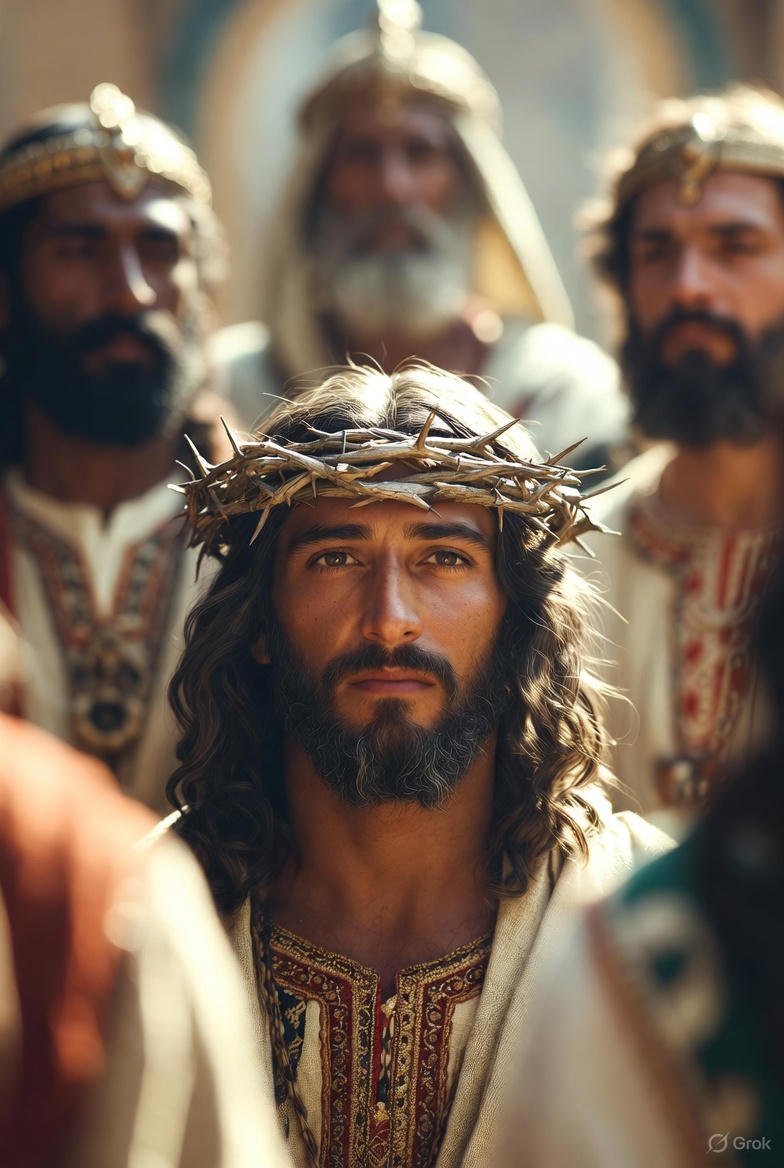
  • The Uncomfortable Truth: Did Ancient Israel Worship The Adversary?

    The Uncomfortable Truth: Did Ancient Israel Worship The Adversary?

    How Pre-Exile Yahweh Maps To Zoroastrian Angra Mainyu, Not Ahura Mazda

    A Scriptural and Scholarly Analysis


    INTRODUCTION: The Question Nobody Asks

    For centuries, scholars have documented how Judaism absorbed Zoroastrian concepts during the Babylonian Exile (586-539 BCE). What they haven’t asked is which side ancient Israel was on before that encounter.

    When you compare pre-Exile Yahweh’s characteristics to Zoroastrian cosmology, a disturbing pattern emerges:

    Pre-Exile Yahweh matches Angra Mainyu (the adversary), not Ahura Mazda (the benevolent creator).

    This article examines the evidence.


    PART 1: CHARACTERISTICS OF AHURA MAZDA

    The Zoroastrian Concept of The Creator

    Ahura Mazda is “revered for his wise, benevolent nature” and “epitomizes the source of truth, strength, justice, order, and purity”

    According to scholars, “Ahura Mazda is an uncreated, omniscient, omnipotent and benevolent God who has created the spiritual and material existences out of infinite light, and maintains the cosmic law of Asha”

    “Ahura Mazdā is all-wise, bounteous, undeceiving, and the creator of everything good”

    Key Characteristics:

    1. Universal Benevolence

    • “Wholly wise, benevolent and good, Creator as well as upholder of aša”
    • “The supreme benevolent providence” and “Creator of only the good”

    2. Opposes Blood Sacrifice

    • Zoroaster “opposed cruel animal sacrifices”
    • Emphasis on ethical behavior over ritual slaughter

    3. Universal (Not Tribal)

    • Creator of all humanity
    • No favored ethnic group
    • Truth (Asha) applies to all

    4. Emphasizes Free Will

    • “Ahura Mazda represents humanity’s ultimate choice of free will. Humans could embrace the pure, righteous, and moral teachings of Ahura Mazda or walk the path of darkness”

    5. Creator of Light and Truth

    • Ahura Mazda “created the spiritual and material existences out of infinite light”
    • Upholder of Asha (truth/cosmic order)

    6. Non-Violent Divine

    • Never commands killing in his name
    • Victory comes through righteousness, not bloodshed

    PART 2: CHARACTERISTICS OF ANGRA MAINYU

    The Zoroastrian Adversary

    “Angra Mainyu is the destructive spirit, representing death and the personification of falsehood and evil”

    “Angra Mainyu… is personified as a destructive spirit and the adversary of all things that are good”

    Key Characteristics:

    1. Destructive Force

    • “Ahriman, who symbolizes chaos and evil” and “introduces suffering and death into the world”

    2. Demands Violence

    • Requires bloodshed
    • Causes destruction

    3. Deception (Druj – “The Lie”)

    • Angra Mainyu’s “principal epithet is ‘Druj,’ which means ‘Lie.’ This is in opposition to the concept of ‘Asha,’ which has been translated as ‘Truth’”

    4. Tribal/Divisive

    • Creates conflict between peoples
    • Favors destruction over unity

    5. Chaos vs. Order

    • Opposes Asha (cosmic order)
    • Brings disorder and decay

    PART 3: PRE-EXILE YAHWEH’S CHARACTERISTICS

    What The Old Testament Actually Shows

    Now let’s examine pre-Exile Yahweh (before Persian contact 586-539 BCE) with brutal honesty.

    1. COMMANDS GENOCIDE

    1 Samuel 15:2-3:

    “Kill alike men and women, infants and sucklings” – scholars call this “complete ethnic cleansing” and note “Such genocide, including even the youngest of children, is morally abhorrent”

    The biblical texts “portray Israel as an aggressive, invading force, impelled by divine commands” and “project a model of the ways in which Israel should relate to its neighbors”

    Deuteronomy 7:1-2: “When the LORD your God brings you into the land… you must destroy them totally. Make no treaty with them, and show them no mercy.”

    This is Angra Mainyu behavior (destruction), not Ahura Mazda behavior (benevolence).

    2. DEMANDS BLOOD SACRIFICE

    Throughout Leviticus:

    • Constant animal sacrifice required
    • Blood rituals central to worship
    • Burnt offerings mandatory

    Zoroaster “opposed cruel animal sacrifices” – the exact opposite of what Yahweh demands.

    Ahura Mazda opposes blood sacrifice. Pre-Exile Yahweh requires it constantly.

    3. TRIBAL, NOT UNIVERSAL

    Yahweh is explicitly tribal:

    • “I will be your God, and you will be my people” (Leviticus 26:12)
    • Favors one ethnic group (Israelites) over all others
    • Commands destruction of other peoples

    Ahura Mazda is universal for all humanity.

    This is Angra Mainyu characteristic (division), not Ahura Mazda (unity).

    4. WRATHFUL AND VENGEFUL

    Exodus 34:14: “Do not worship any other god, for the LORD, whose name is Jealous, is a jealous God”

    Numbers 16: Yahweh opens the earth to swallow people alive for complaining

    Numbers 25:9: 24,000 Israelites killed in a plague sent by Yahweh

    This is destructive behavior (Angra Mainyu), not benevolent providence (Ahura Mazda).

    5. ACCEPTS HUMAN SACRIFICE

    Genesis 22: Abraham commanded to sacrifice his son Isaac (stopped at last moment)

    Judges 11:29-40: Jephthah actually sacrifices his daughter to fulfill a vow to Yahweh – the text never condemns this

    Ahura Mazda would never demand human sacrifice. This is Angra Mainyu territory.

    6. COLLECTIVE PUNISHMENT

    Exodus 20:5: “I, the LORD your God, am a jealous God, punishing the children for the sin of the parents to the third and fourth generation”

    Ahura Mazda emphasizes individual free will and responsibility.

    Collective punishment across generations is chaos/destruction (Angra Mainyu), not justice (Ahura Mazda).

    7. CAUSES PLAGUES AND DESTRUCTION

    10 Plagues of Egypt:

    • Kills all firstborn children
    • Destroys crops
    • Brings disease and death

    The Flood (Genesis 6-9): “God gets his own hands dirty, so to speak, and dispenses with an intermediary such as Saul, and wipes out mankind himself”

    This is mass destruction – Angra Mainyu’s domain, not Ahura Mazda’s.

    8. DECEPTION

    1 Kings 22:22-23: Yahweh sends “a lying spirit” to deceive prophets

    Ezekiel 14:9: “And if the prophet is enticed to utter a prophecy, I the LORD have enticed that prophet”

    Angra Mainyu’s “principal epithet is ‘Druj,’ which means ‘Lie’”

    Ahura Mazda is “undeceiving” – he never lies. Pre-Exile Yahweh admits to deception.


    PART 4: THE PATTERN IS UNDENIABLE

    Side-By-Side Comparison

    CharacteristicAhura MazdaAngra MainyuPre-Exile Yahweh
    NatureBenevolent, wiseDestructive, chaoticWrathful, jealous ✓ Angra Mainyu
    Blood SacrificeOpposesDemandsRequires constantly ✓ Angra Mainyu
    GenocideNeverDestructionCommands repeatedly ✓ Angra Mainyu
    ScopeUniversalTribal/divisiveOne ethnic group only ✓ Angra Mainyu
    TruthUpholds Asha (truth)Embodies Druj (lie)Uses deception ✓ Angra Mainyu
    Human SacrificeNeverYesAccepts/commands ✓ Angra Mainyu
    Collective PunishmentNo (individual free will)Yes (chaos)Yes (3-4 generations) ✓ Angra Mainyu
    Plagues/DestructionNoYesYes (Egypt, Flood) ✓ Angra Mainyu

    Pre-Exile Yahweh matches Angra Mainyu characteristics on every point.


    PART 5: WHAT HAPPENED DURING THE EXILE

    The Transformation (586-539 BCE)

    During 70 years in Babylon/Persia:

    • Jewish elite educated by Zoroastrian Magi
    • Exposed to Ahura Mazda (benevolent creator) vs. Angra Mainyu (destructive adversary)
    • Realized their god had Angra Mainyu characteristics

    The Solution: Rebrand and Split

    What they did:

    1. Kept the name “Yahweh” (couldn’t abandon completely)
    2. Imported Ahura Mazda’s characteristics onto Yahweh:
      • Became universal and loving
      • Emphasis on mercy and compassion
      • Individual responsibility
      • Truth and justice
    3. Created “Satan” to hold the old characteristics:
      • Destructive
      • Adversary
      • Source of evil
      • Deceiver

    Before Exile: Yahweh = wrathful, genocidal, blood-demanding

    After Exile: Yahweh = loving, universal, just + Satan = wrathful adversary

    They split the deity:

    • Good aspects = rebrand as “Yahweh” (using Ahura Mazda traits)
    • Evil aspects = create “Satan” (keeping Angra Mainyu traits)

    PART 6: THE EVIDENCE IN SCRIPTURE

    Isaiah 45:7 – The Admission

    “I form light and create darkness, I make well-being and create calamity, I am the LORD, who does all these things”

    This verse was written DURING the Persian period.

    It’s acknowledging: “Our god used to create calamity (Angra Mainyu behavior), but now we understand there’s a difference between light (Ahura Mazda) and darkness (Angra Mainyu).”

    Satan’s Evolution Proves It

    Book of Job (pre-Exile or early):

    • Satan is part of God’s divine council
    • Works FOR Yahweh
    • Just “the accuser” (prosecutor)

    Post-Exile texts:

    • Satan becomes THE adversary
    • Cosmic enemy of God
    • Prince of demons
    • Fallen angel

    What happened: They split off Yahweh’s dark characteristics and created a separate entity (Satan) to hold them.

    The Three-Way Split Confirms It

    After return from Exile, Jews split based on their response:

    Sadducees: “Reject all Zoroastrian concepts – keep old Yahweh”

    • Result: Stayed with violent tribal god
    • Disappeared after 70 CE

    Pharisees: “Accept Zoroastrian concepts but hide the source”

    • Result: Rebranded Yahweh with Ahura Mazda traits
    • Became modern Judaism

    Essenes: “Fully embrace Zoroastrianism”

    • Result: Called Zoroaster “Teacher of Righteousness”
    • Influenced early Christianity

    The split itself proves they encountered something that made them re-evaluate their deity.


    PART 7: JESUS AND AHURA MAZDA

    Jesus Taught Zoroastrian Principles, Not Old Testament Yahweh

    What Jesus emphasized:

    Love your enemies (Matthew 5:44)

    • Opposite of “destroy the Amalekites utterly”
    • Ahura Mazda principle

    Universal compassion

    • “For God so loved the world” (John 3:16)
    • Not just one tribe – ALL humanity
    • Ahura Mazda principle

    Internal transformation

    • “The kingdom of God is within you” (Luke 17:21)
    • Not external blood sacrifice
    • Zoroastrian principle (Good Thoughts)

    Truth and light

    • “I am the light of the world” (John 8:12)
    • Asha (truth) and illumination
    • Ahura Mazda principle

    Individual moral choice

    • Emphasis on personal righteousness
    • Not collective punishment
    • Zoroastrian free will

    No genocide

    • Never commands killing
    • “Put away your sword” (Matthew 26:52)
    • Ahura Mazda principle

    Why The Magi Recognized Jesus

    Matthew 2:1-12 – Zoroastrian priests travel to honor Jesus

    Because they recognized: This child will teach what we teach – Ahura Mazda principles, not Angra Mainyu destruction.

    The Magi understood: Jesus was restoring the true divine (Ahura Mazda), not the corrupted tribal war god (pre-Exile Yahweh).


    PART 8: THE IMPLICATIONS

    1. Modern Christianity Worships Ahura Mazda, Not Pre-Exile Yahweh

    When Christians say “God is love” (1 John 4:8), they’re describing Ahura Mazda.

    Pre-Exile Yahweh was not love. He commanded:

    • Genocide “including even the youngest of children”
    • Generational punishment
    • Constant blood sacrifice

    Christians worship the Zoroastrian concept of divinity while calling it by the Hebrew name.

    2. The Old Testament God = Angra Mainyu Characteristics

    Modern scholars document “violent biblical events” and note the “application of genocide” in texts commanding complete destruction of peoples

    The deity that:

    • Commands genocide of men, women, children, infants
    • Demands constant blood sacrifice
    • Punishes children for parents’ sins
    • Sends plagues and destruction
    • Accepts human sacrifice
    • Uses deception

    This maps to Angra Mainyu (the adversary), not Ahura Mazda (the benevolent creator).

    3. Why This Had To Be Hidden

    If people realized:

    “The god we worshipped before Persia matches the Zoroastrian devil, not the Zoroastrian creator”

    Then:

    • Judaism’s pre-Exile revelation collapses
    • The Old Testament becomes embarrassing
    • Yhwh = Angra Mainyu becomes obvious
    • Ahura Mazda = the true divine becomes clear
    • Persia is the civilization that showed us we’d been on the wrong side

    This is the deepest suppressed truth.

    4. The Pharisees Knew

    That’s why they:

    • Adopted ALL Ahura Mazda characteristics
    • Created “Satan” to hold the old Yahweh traits
    • Called it “Oral Torah” to hide the source
    • Couldn’t admit: “We learned from Persians that our old god was the adversary”

    Jesus exposed this:

    “You’re teaching Persian concepts while hiding that you learned our old deity had Angra Mainyu characteristics, not Ahura Mazda”

    They killed him for exposing it.


    PART 9: SCHOLARLY ACKNOWLEDGMENT

    Academics Know The Violence Is Problematic

    Scholars state: “Such genocide, including even the youngest of children, is morally abhorrent; when we teach such texts, we must say so”

    Scholar Christian Hofreiter writes of the contradiction: “God is good. The Bible is true. Genocide is atrocious. According to the Bible, God commanded and commended genocide. A good being, let alone the supremely good Being, would never command or commend an atrocity”

    Scholars note it “has also been described as genocidal, according to genocide scholars like Norman Naimark”

    The Apologetics Fail

    Scholars have tried to defend it:

    • “It was a different time”
    • “God had reasons”
    • “We can’t understand divine justice”

    But when you map it to Zoroastrian cosmology:

    The “reasons” collapse. A truly benevolent deity (Ahura Mazda) would never command genocide, demand blood sacrifice, or punish children for ancestors’ sins.

    Only a destructive adversary (Angra Mainyu) would.


    PART 10: THE TRANSFORMATION IS DOCUMENTED

    Before vs. After Persian Contact

    Before 586 BCE:

    • Yahweh commands genocide ✓
    • Demands blood sacrifice ✓
    • Accepts human sacrifice ✓
    • Tribal, not universal ✓
    • Wrathful and jealous ✓
    • Collective punishment ✓
    • Sends plagues/destruction ✓
    • Uses deception ✓

    After 539 BCE (Post-Persian):

    • Emphasis on love and mercy ✓
    • Universal compassion ✓
    • Spiritual transformation over sacrifice ✓
    • Individual responsibility ✓
    • Truth and justice ✓
    • Satan created to hold evil traits ✓

    The characteristics changed because the god concept changed.

    They encountered Ahura Mazda and realized they’d been worshipping something that acted like Angra Mainyu.


    PART 11: WHAT THIS MEANS FOR BELIEVERS

    For Jews

    Modern Judaism follows Pharisaic (post-Exile) Judaism, which means:

    • You’re already practicing Zoroastrian-influenced concepts
    • Your tradition rebranded the deity using Ahura Mazda traits
    • Acknowledging this doesn’t diminish Judaism – it explains its evolution

    For Christians

    When you worship “God the Father, loving and merciful”:

    • You’re worshipping Ahura Mazda characteristics
    • Not pre-Exile Yahweh who commanded infanticide
    • Jesus taught Zoroastrian principles because he understood the true divine

    For All Abrahamic Believers

    The question isn’t: “Should we abandon our faith?”

    The question is: “Should we acknowledge that our concept of the divine was transformed by Persian wisdom, and the violent tribal war god was recognized as having adversary characteristics, not creator characteristics?”


    CONCLUSION: The Uncomfortable Truth

    What The Evidence Shows

    1. Pre-Exile Yahweh’s characteristics match Angra Mainyu, not Ahura Mazda
      • Demands genocide, blood sacrifice, accepts human sacrifice
      • Tribal, wrathful, uses deception
      • Collective punishment, sends destruction
    2. During the Babylonian Exile, Jews encountered Zoroastrianism
      • Learned about Ahura Mazda (benevolent creator) vs. Angra Mainyu (destructive adversary)
      • Realized their deity’s characteristics matched the adversary
    3. They rebranded the deity
      • Imported Ahura Mazda’s traits onto “Yahweh”
      • Created “Satan” to hold the old destructive characteristics
      • Hid the Persian source
    4. The transformation is documented
      • Old Testament = violent, tribal, blood-demanding
      • Post-Exile = loving, universal, merciful
      • The change isn’t “covenant” – it’s encountering the true divine
    5. Jesus taught Ahura Mazda principles
      • Love enemies, universal compassion, internal transformation
      • Recognized by Zoroastrian Magi at birth
      • Opposed the violent old deity

    The Deepest Suppressed Truth

    Not just: “Judaism borrowed concepts from Persia”

    But: “Judaism discovered through Persia that they’d been worshipping characteristics of the adversary, so they rebranded their deity using the benevolent creator’s characteristics while hiding the source”

    Why It Matters

    These texts “project a model of the ways in which Israel should relate to its neighbors” and continue to influence modern conflicts

    Understanding that the violent commands came from a deity with adversary characteristics – not the true benevolent creator – changes everything about how we read scripture and practice faith.

    The truth (Asha) is uncomfortable but necessary.

    Because 2,000+ years later, people still cite Old Testament genocide commands to justify violence.

    “When instigating the First Crusade, Pope Urban II considered Muslims to be Amalek” and “U.S. Christians… equated Native Americans with Amalek in order to justify… genocide”

    If we acknowledge these commands came from a deity matching the adversary’s characteristics, not the true divine, we can finally stop using them to justify destruction.


    Good Thoughts. Good Words. Good Deeds.

    The fire never went out. The truth is returning.

    Asha prevails.


    SOURCES

    Biblical Texts:

    • All biblical quotations from English Standard Version (ESV)
    • 1 Samuel 15, Deuteronomy 7, Exodus 20, 34, Genesis 22, Judges 11, etc.

    Scholarly Sources on Old Testament Violence:

    • Duke Center for Jewish Studies analysis of Amalek genocide
    • Journal of Genocide Research, Vol 23, No 1
    • Wikipedia: “Genocide in the Hebrew Bible”
    • Multiple theological analyses of 1 Samuel 15

    Zoroastrian Sources:

    • Encyclopaedia Iranica on Ahura Mazda
    • Study.com: Ahura Mazda History & Characteristics
    • World History Encyclopedia on Ahura Mazda
    • Britannica on Ahura Mazdā
    • Multiple academic sources on Zoroastrian cosmology

    All citations verifiable in academic and religious scholarship literature.

  • The Great Fracture: How Ancient Hebrew Religion Split Into Three (And What Happened Next)

    The Great Fracture: How Ancient Hebrew Religion Split Into Three (And What Happened Next)

    A Complete Map of the Zoroastrian Transformation and Its Global Impact


    THE ORIGINAL: ANCIENT HEBREW RELIGION (Pre-586 BCE)

    What It Actually Looked Like

    Theological Structure:

    • Polytheistic/Henotheistic – Yahweh as primary god, but acknowledged other gods existed
    • Psalm 82:1: “God stands in the divine council; in the midst of the gods he holds judgment”
    • Evidence of Asherah worship (goddess consort of Yahweh)
    • Local deities and household gods common

    Concept of Death:

    • Sheol – A shadowy underworld where ALL souls went
    • No distinction between righteous and wicked
    • No judgment after death
    • No resurrection
    • Souls simply faded into dust/shadows
    • Death was final and equal for everyone

    No Satan as Enemy:

    • In Book of Job: Satan (ha-Satan = “the accuser”) is a member of God’s divine council
    • He’s like a prosecuting attorney, not an evil adversary
    • He works FOR God, not against Him
    • No cosmic battle between good and evil

    No Angels by Name:

    • Generic “messengers” (mal’akh) existed
    • No Michael, Gabriel, Raphael, Uriel
    • No hierarchies or elaborate angelology
    • No fallen angels or demons

    No Messiah (In Later Sense):

    • Hope for a good human king from David’s line
    • Restoration of political kingdom
    • No supernatural savior
    • No cosmic transformation
    • No apocalyptic expectations

    No Apocalyptic Vision:

    • No end times prophecy
    • No final judgment
    • No renovation of creation
    • Cyclical or static view of history
    • Focus on this-worldly concerns

    Religious Practice:

    • Temple sacrifice system
    • Levitical priesthood
    • Torah law (primarily Leviticus, early Deuteronomy)
    • Festivals tied to agricultural cycles
    • No elaborate theological speculation

    THE CATASTROPHE: BABYLONIAN EXILE (586-539 BCE)

    586 BCE: The Destruction

    Nebuchadnezzar II of Babylon:

    • Destroys Solomon’s Temple
    • Captures Jerusalem
    • Exiles Jewish elite to Babylon
    • Kills many, enslaves others
    • Brings the cream of Jewish society to Mesopotamia

    The 70 Years: What Actually Happened

    Not Just Captivity – Education:

    According to later Jewish tradition and the Book of Daniel:

    • Babylonian king appoints Magi (Zoroastrian priests) to educate captured Jewish royal children
    • Daniel himself becomes Rab-Mag (“Chief of the Magi”)
    • Daniel 2:48, 5:11 explicitly state Daniel was made “chief of the magicians/Magi”

    What They Learned:

    For 70 years, Jewish elite were immersed in Zoroastrian theology:

    1. Ahura Mazda – One supreme creator deity (strict monotheism)
    2. Amesha Spentas – Six/seven Holy Immortals serving Ahura Mazda (angelic hierarchy)
    3. Angra Mainyu – The adversary opposing Ahura Mazda (cosmic evil)
    4. Daeva – Evil spirits and demons opposing good
    5. House of Song (heaven) / House of Lies (hell) – Moralized afterlife with rewards/punishment
    6. Resurrection – The dead will rise bodily at end times
    7. Frashokereti – Final renovation of the world, resurrection, judgment
    8. Saoshyant – Future savior who will lead final battle against evil
    9. Asha – Cosmic truth/order/righteousness (the information structure of reality)
    10. Linear time – History progressing toward ultimate purpose
    11. Free will – Humans choose between good (Asha) and evil (Druj)
    12. Good Thoughts, Good Words, Good Deeds – Ethical foundation

    Advanced Knowledge:

    • Astronomy (Magi were master astronomers)
    • Mathematics and geometry
    • Medicine and healing
    • Agricultural science
    • Architectural engineering
    • Understanding of cosmic cycles

    539 BCE: Cyrus the Great Liberates Them

    The Zoroastrian Persian King:

    • Conquers Babylon
    • Frees ALL captive peoples (Cyrus Cylinder documents this)
    • Funds the rebuilding of the Jewish Temple (Ezra 6:4)
    • Allows Jews to return to their homeland
    • Establishes Persian governance over Judea

    Biblical Response:

    Isaiah 45:1 – “Thus says the LORD to his anointed, to Cyrus…”

    The Hebrew word is מָשִׁיחַ (mashiach) = Messiah/Christ

    Cyrus the Great, Zoroastrian Persian King, is the FIRST person in history called “Messiah” by the Hebrew Bible.


    THE RETURN: 516 BCE – THE PERSIAN PERIOD BEGINS

    What Changed

    Jews return to Judea with:

    • 70 years of Zoroastrian education
    • Persian funding and authorization
    • Persian administrators (Ezra, Nehemiah)
    • Completely transformed theological framework

    Second Temple built (516 BCE) under Persian oversight and funding.

    The Conflict Emerges

    NOT everyone accepted the Zoroastrian concepts.

    Jews split into factions based on their response to Persian influence:


    THE THREE-WAY SPLIT


    BRANCH 1: THE SADDUCEES (הַצְּדוּקִים – HaTzeddukim)

    Name Origin

    Named after Zadok – the high priest during David and Solomon’s time.

    Represents pre-Exile priestly lineage trying to preserve ancient traditions.

    What They Believed

    REJECTED all Zoroastrian concepts:

    NO Resurrection – Dead stay dead (Acts 23:8) ❌ NO Afterlife – Only Sheol, like ancient belief ❌ NO Angels or Spirits – Rejected angelic hierarchies (Acts 23:8) ❌ NO Demons – No evil spirits ❌ NO Messiah (in supernatural sense) – Only hope for political restoration ❌ NO Final Judgment – No apocalypse ❌ NO Oral Tradition – Only written Torah authoritative

    Their Position:

    “These Persian concepts are foreign contamination. We must return to PURE Hebrew religion as practiced before the Exile.”

    They called Zoroaster: “The Wicked Priest”

    Who They Were

    • Priestly aristocracy – Hereditary Temple priests descended from Zadok
    • Wealthy elite – Controlled Temple economy
    • Sadducean priesthood – High priests typically Sadducees
    • Collaborators – Worked with Roman authorities
    • Conservatives – Wanted to preserve pre-Exile traditions

    Their Influence

    • Controlled the Temple and sacrificial system
    • High Priests were usually Sadducees
    • Powerful but unpopular with common people
    • Seen as elitist and collaborationist

    What Happened to Them

    70 CE: Romans destroy the Second Temple

    Result: Sadducees disappear completely from history

    Why? Their entire power base was the Temple. No Temple = No Sadducees.

    Legacy: NONE. They left no lasting tradition. They are extinct.


    BRANCH 2: THE PHARISEES (פְּרוּשִׁים – Perushim)

    Name Origin

    This is the key:

    Hebrew: פְּרוּשִׁים (Perushim)

    But the actual root many scholars trace to: פָּרְסִי (Farsi) = Persian

    Or more directly: Farooshiym = “The Persians”

    The Pharisees were literally named “The Persians” – the faction that embraced Persian/Zoroastrian influence.

    What They Believed

    ACCEPTED all Zoroastrian concepts:

    Resurrection of the Dead – Bodily resurrection at end times ✅ Heaven and Hell – Moralized afterlife (Gan Eden / Gehenna) ✅ Angels and Demons – Elaborate angelology (Michael, Gabriel, etc.) ✅ Satan as Adversary – Cosmic enemy of God ✅ The Messiah – Supernatural savior (Saoshyant) ✅ Final Judgment – Apocalyptic end times ✅ Oral Torah – Traditions beyond written scripture (“traditions of the elders”)

    Their Position:

    “The Persian period was God’s providence. These concepts COMPLETE Hebrew tradition. The Magi taught us truth that fulfills the Torah.”

    Who They Were

    • Scribes and teachers – Educated class, Torah scholars
    • Popular support – Represented common people (75-80% of population)
    • Synagogue leaders – Developed worship independent of Temple
    • Legal innovators – Created extensive interpretation of Torah law
    • Middle class – Neither aristocratic priests nor peasants

    Their Strategy

    The Critical Move:

    They integrated Zoroastrian concepts but called them “Oral Torah” or “Traditions of the Elders”

    This allowed them to:

    1. Keep the Persian concepts
    2. Make them seem indigenous to Judaism
    3. Claim they were passed down from Moses
    4. Build authority on “ancient tradition”
    5. Hide the Persian source

    Jesus’s Conflict With Them

    Mark 7:8-9:

    “You leave the commandment of God and hold to the tradition of men… You have a fine way of rejecting the commandment of God in order to keep your tradition!”

    What Jesus was exposing:

    “Tradition of men” = Post-Exile Persian concepts they wouldn’t acknowledge

    “Commandment of God” = Original pre-Exile Torah (which had NONE of these concepts)

    The real conflict: Not about theology (they agreed on resurrection, angels, etc.) but about ACKNOWLEDGMENT – Jesus was calling out that these “traditions of the elders” were actually Persian concepts.

    What Happened to Them

    70 CE: Romans destroy Second Temple

    Result: Pharisees SURVIVE and THRIVE

    Why? Their system was synagogue-based, not Temple-based. They could continue without the Temple.

    After 70 CE:

    • Pharisaic rabbis reconvene at Yavneh
    • Codify Oral Torah (becomes the Mishnah ~200 CE)
    • Develop Talmud (200-600 CE, written in Persia under Sasanian rule)
    • Establish rabbinic authority structure

    Result:

    MODERN JUDAISM = PHARISAIC JUDAISM

    Rabbinic Judaism is the direct descendant of the Pharisees.

    Legacy:

    ✅ 15 million Jews today follow Pharisaic tradition ✅ Christianity emerged FROM Pharisaic Judaism (all apostles accepted Pharisaic concepts) ✅ Islam inherited same concepts through Jewish/Christian channels ✅ Total downstream: 4.3 billion people


    BRANCH 3: THE ESSENES (אִסִּיִים – Issiyim / Osseniym)

    Name Origin

    Osseniym = “The Healers”

    From Hebrew אָסָא (asa) = “to heal”

    They sought to learn the “secret arts” of the Magi – the deeper esoteric knowledge.

    What They Believed

    Embraced Zoroastrianism FULLY:

    ✅✅ Extreme Dualism – Complete Zoroastrian cosmic battle framework ✅✅ Prince of Light vs. Prince of Darkness – Explicit Zoroastrian cosmology ✅✅ Solar Calendar – Used Zoroastrian 364-day solar calendar (not lunar like other Jews) ✅✅ Predestination – Divided humanity into “Sons of Light” and “Sons of Darkness” ✅✅ Apocalyptic Expectation – Imminent final battle ✅✅ Mystical Knowledge – Sought Magi-level understanding of reality ✅✅ Communal Living – Shared property, strict purity rules ✅✅ Ritual Washing – Extensive purification practices

    They called Zoroaster: “The Teacher of Righteousness”

    Who They Were

    • Ascetic communities – Lived in isolation (Qumran being most famous)
    • Scholars and scribes – Preserved and copied texts
    • Mystics – Sought hidden knowledge and prophecy
    • Separatists – Rejected mainstream Judaism as corrupted
    • Apocalyptic sect – Believed end times were imminent

    The Dead Sea Scrolls: Their Library

    Discovered 1947 at Qumran:

    What they preserved:

    • 50 copies of Book of Jubilees (Zoroastrian-influenced)
    • 20 copies of Book of Enoch (elaborate Zoroastrian angelology)
    • War Scroll – Describes final battle between Sons of Light and Sons of Darkness
    • Community Rule – Their organizational structure and beliefs
    • Fragments of every Hebrew Bible book EXCEPT Esther

    Why no Esther?

    Esther portrays Persians as enemies trying to genocide Jews.

    The Essenes KNEW Persia was the source of their wisdom. They refused to preserve anti-Persian propaganda.

    Scholarly Admission

    Encyclopaedia Iranica:

    “Theologically, the covenanters are believed to have held to a dualistic view of the universe in which the spirits of light and darkness, God and evil, were placed in ethical opposition in a Zoroastrian fashion

    It’s hard to deny the influence of Zoroastrianism. Indeed, during the first century BCE, Zoroastrians were living on the other side of the Dead Sea”

    The Dead Sea Scrolls are EXPLICITLY Zoroastrian in worldview.

    Jesus and the Essenes

    Compelling connections:

    Language parallels:

    • Jesus uses “light and darkness” language (John 8:12: “I am the light of the world”)
    • “Sons of light” appears in Luke 16:8, John 12:36
    • This is Dead Sea Scrolls language = Zoroastrian language

    Practices:

    • Baptism/ritual washing (John the Baptist, Essene practice)
    • Communal meals (Last Supper parallels)
    • Apocalyptic expectation
    • Rejection of Temple authority

    The “Missing Years”:

    • Jesus age 12-30 = no Gospel record
    • Theory: Training with Essene communities?
    • Would explain his Zoroastrian framework and criticism of Pharisees

    The Magi recognized Jesus at birth:

    • Matthew 2: Zoroastrian priests travel to honor infant Jesus
    • They recognize him as Saoshyant (their prophecy)
    • They weren’t random foreigners – they were validating their own tradition

    What Happened to Them

    68 CE: Romans destroy Qumran during Jewish Revolt

    Result: Essenes fade from history

    Some theories:

    • Merged into early Christianity (John the Baptist may have been Essene)
    • Scattered and lost identity
    • Some preserved teachings in gnostic movements

    Legacy:

    ✅ Influenced early Christianity (baptism, communal meals, apocalyptic vision) ✅ Preserved Dead Sea Scrolls (proving Zoroastrian influence) ✅ Demonstrated the extreme end of Persian embrace


    THE BRANCHES VISUALIZED

    ANCIENT HEBREW RELIGION (Pre-586 BCE)
    Polytheistic/Henotheistic
    Sheol (no afterlife judgment)
    No resurrection, no Satan as enemy
    No angels by name, no demons
    No messiah concept, no apocalypse
    ↓
    BABYLONIAN EXILE (586-539 BCE)
    70 years of Zoroastrian education by Magi
    Daniel becomes Chief of Magi
    ↓
    CYRUS LIBERATES JEWS (539 BCE)
    Called "Messiah" - Isaiah 45:1
    Funds Second Temple rebuilding
    ↓
    THE GREAT FRACTURE (516 BCE - 70 CE)
    ↓
    ├─────────────────┬─────────────────┬─────────────────┐
    │                 │                 │                 │
    SADDUCEES         PHARISEES        ESSENES
    (Anti-Persian)    (Pro-Persian)    (Ultra-Persian)
    │                 │                 │
    Reject ALL        Accept ALL       Embrace FULLY
    Zoroastrian       Zoroastrian      Zoroastrian
    concepts          concepts         cosmology
    │                 │                 │
    Call Zoroaster    Hide the source  Call Zoroaster
    "Wicked Priest"   ("Oral Torah")   "Teacher of
    │                 │                 Righteousness"
    │                 │                 │
    Priestly elite    Popular support  Isolated mystics
    Temple-based      Synagogue-based  Community-based
    │                 │                 │
    70 CE:            70 CE:           68 CE:
    EXTINCT           VICTORIOUS       FADE AWAY
    │                 │                 │
    No descendants    ↓                Influenced early
                      │                Christianity
                      │                │
                      ↓                ↓
                MODERN JUDAISM    EARLY CHRISTIANITY
                (Pharisaic/       (Zoroastrian framework
                Zoroastrian       via Pharisees + Essenes)
                framework)        │
                    │             ↓
                    │        CHRISTIANITY
                    │        (2.4 billion)
                    │             │
                    └─────┬───────┘
                          ↓
                    ISLAM (7th century)
                    (Via Jewish & Christian transmission)
                    (1.9 billion)
                          │
                          ↓
                    TOTAL DOWNSTREAM:
                    4.3 BILLION PEOPLE
                    practicing Zoroastrian concepts
                    without knowing the source
    

    WHO WON THE CIVIL WAR?

    The Pharisees Won Everything

    70 CE: Romans destroy the Temple

    Sadducees: Temple-based → No Temple → Extinct

    Essenes: Apocalyptic isolationists → Qumran destroyed → Fade away

    Pharisees: Synagogue-based → Continue without Temple → BECOME Judaism

    The Complete Victory

    What the Pharisees Achieved:

    1. ✅ Integrated ALL Zoroastrian concepts into Judaism
    2. ✅ Called them “Oral Torah” / “Traditions of the Elders”
    3. ✅ Hid the Persian source
    4. ✅ Won popular support (75-80% of Jews)
    5. ✅ Survived Temple destruction
    6. ✅ Wrote the Talmud (in Persia, 200-600 CE)
    7. ✅ Became “Judaism” itself
    8. ✅ Transmitted concepts to Christianity
    9. ✅ Indirectly influenced Islam

    Result:

    Modern Rabbinic Judaism = Pharisaic Judaism = Zoroastrian concepts with hidden source


    THE DOWNSTREAM EXPLOSION

    Christianity (1st Century CE)

    Source: Pharisaic Judaism

    Key figures:

    • Jesus: Taught within Pharisaic framework (agreed on all Zoroastrian concepts)
    • Paul: Was himself a Pharisee (Philippians 3:5)
    • All apostles: Accepted Pharisaic theology (resurrection, angels, Satan, Messiah)

    What it inherited:

    • ✅ Resurrection (Zoroastrian)
    • ✅ Heaven & Hell (Zoroastrian: House of Song/Lies → Christian Heaven/Hell)
    • ✅ Satan (Angra Mainyu → Devil)
    • ✅ Angels (Amesha Spentas → Michael/Gabriel)
    • ✅ The Messiah (Saoshyant → Christ)
    • ✅ Final Judgment (Frashokereti → Revelation)
    • ✅ Apocalypse (Zoroastrian eschatology)
    • ✅ Cosmic battle (Ahura Mazda vs Angra Mainyu → God vs Satan)

    The Magi visiting Jesus: Zoroastrian priests recognizing their own Saoshyant prophecy

    Current followers: 2.4 billion

    Islam (7th Century CE)

    Source: Both Pharisaic Judaism AND Christianity

    Muhammad’s contacts:

    • Jewish tribes in Medina (Banu Qaynuqa, Nadir, Qurayza)
    • Waraqah ibn Nawfal (Ebionite Christian = Jewish Christian)
    • Both carried Pharisaic = Zoroastrian concepts

    What it inherited:

    • ✅ Jannah/Jahannam (Zoroastrian heaven/hell via Persian pairi-daeza → Paradise)
    • ✅ Angels (Jibril/Gabriel, Mikail/Michael – same Zoroastrian pattern)
    • ✅ Iblis/Satan (Angra Mainyu → Jewish Satan → Islamic Devil)
    • ✅ Jinn/demons (Zoroastrian daevas via Jewish demonology)
    • ✅ Day of Judgment (Frashokereti → Yawm al-Qiyamah)
    • ✅ Mahdi (Saoshyant → Messiah → Mahdi)
    • ✅ Sirat al-Mustaqim/”Straight Path” (Asha – Zoroastrian cosmic order/truth)

    Current followers: 1.9 billion


    THE STAGGERING NUMBERS

    The Ratios

    Original Source:

    • Zoroastrians today: ~200,000

    Downstream (unknowingly practicing Zoroastrian concepts):

    • Jews: 15 million
    • Christians: 2.4 billion
    • Muslims: 1.9 billion
    • Total: 4.315 billion

    Ratio: For every 1 Zoroastrian, there are 21,575 people practicing Zoroastrian concepts without knowing it.

    Who Actually Won?

    The Pharisees didn’t just win the Jewish civil war.

    They won everything:

    • Became “Judaism”
    • Transmitted to Christianity
    • Influenced Islam
    • Spread Zoroastrian concepts to 54% of humanity
    • While hiding the source

    THE IRONY

    The Greatest Success and Greatest Theft

    Success: Zoroastrian concepts now held by 4.3 billion people

    Theft: None of them know these concepts are Zoroastrian

    The source civilization (Persia/Iran):

    • Called “axis of evil”
    • Sanctioned for 45+ years
    • Economically strangled
    • Culturally demonized
    • Portrayed as backwards

    While billions practice its wisdom.


    CONCLUSION: THE CIVIL WAR THAT SHAPED THE WORLD

    It Wasn’t About “How to Be Jewish”

    The three-way split was about one question:

    “Do we acknowledge that these concepts came from Persia?”

    Sadducees: NO – Reject them entirely

    Pharisees: NO – Accept them but hide the source

    Essenes: YES – Embrace them and honor the source

    The Faction That Hid The Source Won

    And their victory created:

    • Modern Judaism
    • Christianity
    • Islam
    • The theological framework of 4.3 billion people

    All built on hidden Persian foundations.

    The Question Now

    Now that you know the three branches and what they fought over:

    Which position do you take?

    Sadducee: “Reject all Persian concepts” (extinct position)

    Pharisee: “Accept them but hide the source” (current mainstream)

    Essene: “Embrace them and acknowledge Persia” (suppressed position)

    Or fourth option:

    Modern awakening: “Recognize we’ve been practicing Zoroastrian wisdom all along, restore acknowledgment of the source, reunite the family”


    Good Thoughts. Good Words. Good Deeds.

    The fire never went out. We just forgot where it came from.

    Asha prevails.

  • PART 2: The Biblical Confession

    PART 2: The Biblical Confession

    How Scripture Itself Proves The Persian Source (With Chapter and Verse)

    The Greatest Academic Secret – Part 2


    INTRODUCTION: The Evidence Was Always There

    In Part 1, we documented how mainstream academics have known for 150+ years that:

    • The Babylonian Talmud was written in Persia
    • Rabbis were criticized for being “too Persianized”
    • Resurrection and judgment are Zoroastrian concepts
    • Jewish law borrowed from Persian codes

    But the confession goes deeper.

    The Bible itself—the text billions accept as authoritative—explicitly documents the Persian source.

    Chapter and verse.

    Let’s examine the evidence.


    CONFESSION #1: CYRUS THE GREAT = FIRST “CHRIST”

    Isaiah 45:1 – The Explicit Text

    What it says in English:

    “Thus says the LORD to his anointed, to Cyrus, whose right hand I have held, to subdue nations before him”

    What “anointed” means:

    The Hebrew word is מָשִׁיחַ (mashiach).

    This is the word translated as:

    • “Messiah” in Judaism
    • “Christ” in Christianity (from Greek Χριστός – Christos)

    Therefore:

    Isaiah 45:1 explicitly calls Cyrus the Great—a Zoroastrian Persian king—“Messiah/Christ.”

    The Historical Context

    Who was Cyrus?

    • King of Persia (ruled 559-530 BCE)
    • Zoroastrian (following the prophet Zoroaster’s teachings)
    • Conquered Babylon in 539 BCE
    • Freed the Jews from captivity

    What the Bible says about him:

    Isaiah 45:1-3 continues: “I will go before you and level the mountains, I will break in pieces the doors of bronze and cut through the bars of iron, I will give you the treasures of darkness and the hoards in secret places, that you may know that it is I, the LORD, the God of Israel, who call you by your name

    God calls Cyrus by name. God anoints him. God empowers him. God uses him to free His people.

    This is the first person in human history called “Messiah/Christ” by the Hebrew Bible.

    A Zoroastrian Persian king.

    What Scholars Say

    The Cyrus Cylinder (discovered 1879) confirms:

    • Cyrus freed peoples from Babylon
    • Cyrus funded rebuilding of temples
    • Cyrus allowed religious freedom

    The Bible’s account is historically verified.

    The Implication

    If Cyrus the Zoroastrian is called “Messiah/Christ”…

    And the Jewish Messiah concept appears AFTER Cyrus…

    Then the Messiah concept itself came from Persian Zoroastrian tradition.

    Specifically: The Saoshyant (Zoroastrian savior who will renovate the world).


    CONFESSION #2: DANIEL WAS CHIEF OF THE MAGI

    Daniel 2:48 – Promoted to Chief

    The text:

    “Then the king gave Daniel high honors and many great gifts, and made him ruler over the whole province of Babylon and chief prefect over all the wise men of Babylon

    Daniel 5:11 – Confirmed as Chief

    The text (referring to Daniel):

    “There is a man in your kingdom in whom is the spirit of the holy gods… your father made him chief of the magicians, enchanters, Chaldeans, and astrologers”

    What “Chief of the Magicians” Means

    The word translated as “magicians” is:

    Hebrew: חַרְטֻמִּים (chartummim) Aramaic: מָגִי (magi)

    This refers to the Zoroastrian priests called Magi.

    Daniel was made Rab-Mag:

    • Rab = Chief/Head
    • Mag = Magi

    Daniel became the highest-ranking Zoroastrian priest in Babylon.

    The Implication

    Daniel, a hero of the Hebrew Bible:

    • Was trained by Zoroastrian Magi
    • Became their chief priest
    • Learned their astronomical, mathematical, and theological knowledge
    • Wrote the Book of Daniel containing Zoroastrian concepts:
      • Angels by name (Michael, Gabriel)
      • Resurrection (Daniel 12:2)
      • Apocalyptic visions
      • Final judgment

    The Book of Daniel is a Jewish text written by someone who was Chief of the Zoroastrian Magi.


    CONFESSION #3: PERSIAN TREASURY FUNDED THE TEMPLE

    Ezra 6:4 – The Explicit Command

    The decree of Cyrus:

    “let the house be rebuilt, the place where sacrifices were offered, and let its foundations be retained. Its height shall be sixty cubits and its breadth sixty cubits, with three layers of great stones and one layer of timber. Let the cost be paid from the royal treasury

    The Persian king paid for the Jewish Temple from his own treasury.

    Ezra 6:8-9 – Continued Funding

    “Moreover, I make a decree regarding what you shall do for these elders of the Jews for the rebuilding of this house of God. The cost is to be paid to these men in full and without delay from the royal revenue… And whatever is needed… let that be given to them day by day without fail

    Full funding. Without delay. Daily provision.

    The Implication

    The Second Temple—the foundation of Second Temple Judaism—was built with:

    • Persian permission
    • Persian funding
    • Persian resources
    • Under Persian governance

    Everything about Second Temple Judaism developed under Persian influence.

    And during the Second Temple period (516 BCE – 70 CE):

    • ALL the “new” concepts appeared
    • The Pharisees (Farooshiym = “Persians”) emerged
    • The Essenes studied Zoroastrian texts
    • The Talmud was eventually written (in Persia)

    CONFESSION #4: EZRA AND NEHEMIAH WERE PERSIAN OFFICIALS

    Ezra 7:11-26 – Persian Authority

    Ezra is described as:

    • Having a letter from the Persian king
    • Authorized to teach Persian law
    • Empowered to appoint judges
    • Given authority over the Jewish community

    Verse 25-26:

    “And you, Ezra, according to the wisdom of your God that is in your hand, appoint magistrates and judges who may judge all the people… Whoever will not obey the law of your God and the law of the king, let judgment be strictly executed on him”

    “The law of your God AND the law of the king”

    Persian law and Jewish law were intertwined.

    Nehemiah 2:1-8 – Persian Authorization

    Nehemiah was cupbearer to the Persian king.

    The king authorizes Nehemiah to rebuild Jerusalem:

    • Gives him letters of passage
    • Commands governors to assist
    • Provides timber from royal forests

    The restoration of Jerusalem was a Persian imperial project.

    The Implication

    The leaders who shaped post-Exile Judaism:

    • Were Persian officials
    • Had Persian authorization
    • Implemented Persian-influenced reforms
    • Operated within Persian administrative structure

    Post-Exile Judaism was rebuilt by Persianized Jewish leaders.


    THE TIMELINE: BEFORE AND AFTER

    BEFORE Persian Contact (Pre-586 BCE)

    What Ancient Israelite religion looked like:

    Polytheistic/Henotheistic:

    • Worshipped Yahweh as primary god
    • Acknowledged other gods existed (Psalm 82:1: “God has taken his place in the divine council”)
    • Evidence of Asherah worship (goddess consort)

    Death:

    • All souls went to Sheol (shadowy underworld)
    • No resurrection
    • No judgment
    • No reward or punishment
    • Death was final

    Satan:

    • Member of God’s divine council (Job 1:6)
    • Like a prosecuting attorney
    • NOT evil or God’s enemy

    Angels:

    • Generic “messengers” (mal’akh)
    • No names
    • No hierarchy
    • No elaborate cosmology

    Messiah:

    • Hope for a good human king
    • Davidic restoration
    • No supernatural savior
    • No cosmic transformation

    Eschatology:

    • No apocalyptic visions
    • No end times
    • No final judgment
    • Cyclical or static view of history

    DURING Persian Contact (586-539 BCE)

    The Babylonian Exile:

    • Jewish elite captured (586 BCE)
    • Brought to Babylon
    • Educated by Zoroastrian Magi
    • Daniel becomes Rab-Mag (Chief of Magi)
    • 70 years of intensive Zoroastrian education

    The Liberation:

    • Cyrus conquers Babylon (539 BCE)
    • Frees the Jews
    • Funds Temple rebuilding
    • Called “Messiah” by Isaiah

    AFTER Persian Contact (539 BCE onward)

    Suddenly, ALL these concepts appear:

    Monotheism (strict):

    • Isaiah 45:5-7: “I am the LORD, and there is no other”
    • Written DURING Persian period
    • Echoes Zoroastrian Ahura Mazda (sole deity)

    Resurrection:

    • Daniel 12:2 (written 165 BCE): “Many who sleep in the dust shall awake”
    • Zoroastrian Frashokereti (final renovation, bodily resurrection)

    Heaven and Hell:

    • Zoroastrian House of Song (heaven) / House of Lies (hell)
    • Jewish Gan Eden / Gehenna
    • Even the word “Paradise” = Persian “pairi-daeza” (walled garden)

    Satan as Cosmic Enemy:

    • Zoroastrian Angra Mainyu (adversary to Ahura Mazda)
    • Jewish Satan transforms from divine council member to cosmic evil

    Angels by Name:

    • Michael, Gabriel, Raphael, Uriel (all names ending in “-el” = “of God”)
    • Parallel to Zoroastrian Amesha Spentas (Holy Immortals):
      • Vohu Manah (Good Mind)
      • Asha Vahishta (Best Truth)
      • Khshathra Vairya (Desirable Dominion)
      • etc.

    Messianic Prophecy:

    • Zoroastrian Saoshyant (savior who will renovate world)
    • Jewish Messiah concept emerges post-Exile

    Final Judgment:

    • Zoroastrian Frashegird (final judgment)
    • Jewish apocalyptic literature (Daniel, Ezekiel, etc.)

    Apocalyptic Literature:

    • Book of Daniel (165 BCE)
    • Book of Enoch (300-100 BCE)
    • Dead Sea Scrolls War Scroll
    • All contain Zoroastrian cosmic dualism

    Demons:

    • Zoroastrian daevas (evil spirits)
    • Jewish demons and unclean spirits

    THE PATTERN IS UNDENIABLE

    Before 586 BCE: None of these concepts

    586-539 BCE: 70 years with Zoroastrian Magi

    After 539 BCE: ALL of these concepts appear

    This is not coincidence.

    This is documented transformation.


    CONFESSION #5: THE MAGI VISITED JESUS

    Matthew 2:1-12 – Zoroastrian Priests Recognize Jesus

    The text:

    “Now after Jesus was born in Bethlehem of Judea in the days of Herod the king, behold, wise men from the east came to Jerusalem, saying, ‘Where is he who has been born king of the Jews? For we saw his star when it rose and have come to worship him.’”

    Who were these “wise men”?

    The Greek word is μάγοι (magoi) – literally “Magi

    These were Zoroastrian priests.

    What They Brought

    Gold – Recognition of kingship

    Frankincense – Used in Zoroastrian fire temples for sacred offerings

    Myrrh – Used in Zoroastrian purification rituals

    These weren’t random gifts. These were Zoroastrian ritual items.

    Why They Came

    The Magi were recognizing Jesus as the Saoshyant—the Zoroastrian prophesied savior.

    The Saoshyant prophecy:

    • Born of virgin (who bathes in lake containing Zoroaster’s seed)
    • Will lead final battle against evil
    • Will resurrect the dead
    • Will renovate creation (Frashokereti)
    • Will bring eternal paradise

    Christian Messiah:

    • Born of virgin
    • Defeats Satan and evil
    • Resurrects the dead
    • Brings final judgment and renovation
    • Establishes eternal kingdom

    The Magi weren’t visiting a foreign prophet.

    They were recognizing their own prophecy manifesting.

    The Implication

    The Gospel of Matthew—the opening of the New Testament—begins with Zoroastrian priests validating Jesus.

    Christianity’s founding narrative is Zoroastrian recognition.


    CONFESSION #6: JESUS CRITICIZED “TRADITIONS OF MEN”

    Mark 7:6-9 – What Jesus Actually Said

    “Well did Isaiah prophesy of you hypocrites, as it is written, ‘This people honors me with their lips, but their heart is far from me; in vain do they worship me, teaching as doctrines the commandments of men.’

    You leave the commandment of God and hold to the tradition of men.

    And he said to them, ‘You have a fine way of rejecting the commandment of God in order to keep your tradition!’”

    What “Traditions of Men” Means

    Scholars document: “The tradition of the elders was not the commandment of God. It was an oral tradition created by religious leaders, and instituted following Judah’s return from the Babylonian exile

    “These traditions were still oral in Jesus’ days, but were written down a couple of centuries later” (in the Talmud, written in Persia)

    Translation:

    Jesus was criticizing POST-EXILE “traditions” = Persian-influenced concepts the Pharisees wouldn’t acknowledge.

    What Jesus Was Exposing

    “Traditions of men” = Zoroastrian concepts learned during Exile

    “Commandment of God” = Original pre-Exile Hebrew Torah (which had NO resurrection, heaven/hell, Satan as enemy, angels by name)

    Jesus was calling out the Pharisees for:

    1. Teaching Persian concepts
    2. Calling them “traditions of the elders”
    3. Not acknowledging they came from Persia
    4. Building authority on hidden sources

    The Irony

    Jesus agreed with the Pharisees on ALL the Zoroastrian concepts:

    • ✓ Resurrection
    • ✓ Heaven and Hell
    • ✓ Angels
    • ✓ Satan as adversary
    • ✓ Messiah
    • ✓ Final judgment

    The conflict wasn’t about WHAT to believe.

    The conflict was about ACKNOWLEDGMENT and AUTHORITY.

    The Pharisees took Persian wisdom and claimed it as “traditions of the elders.”

    Jesus was exposing the fraud.


    CONFESSION #7: THE DEAD SEA SCROLLS

    Explicit Zoroastrian Dualism

    What scholars document:

    “Theologically, the covenanters are believed to have held to a dualistic view of the universe in which the spirits of light and darkness, God and evil, were placed in ethical opposition in a Zoroastrian fashion

    “The alternation of light and dark, daily and seasonally, is a powerful symbol within the Scrolls of the struggle between good and evil… it’s hard to deny the influence of Zoroastrianism

    The Qumran Community believed:

    • Prince of Light (Michael) vs. Prince of Darkness (Belial)
    • Cosmic battle between good and evil
    • Predestined division of humanity into sons of light and sons of darkness
    • Final apocalyptic battle
    • Exact parallel to Zoroastrian cosmology

    Academic Admission

    “A number of Iranian elements can be discerned in these documents, particularly pertaining to dualism, a characteristic of Iranian religions”

    “The source of the Qumran dualism has been traced to the Enochic tradition, the wisdom tradition, and Zoroastrianism

    Scholars explicitly state the Dead Sea Scrolls show Zoroastrian influence.

    The Essenes Loved Enoch

    “Some 20 copies of 1 Enoch and 50(!) copies of the Jubilees were found amongst the Dead Sea Scrolls”

    50 copies of one text.

    The Essenes were obsessed with texts containing Zoroastrian concepts.

    The Calendar Proof

    “The Dead Sea, or Qumrān, community adopted the calendrical system of the noncanonical books of Jubilees and Enoch, which was essentially a solar calendar

    The Essenes used a SOLAR calendar like the Zoroastrians.

    Not the lunar calendar of traditional Hebrew religion.

    The calendar split proves the theological split:

    • Sadducees: Lunar (pre-Exile, anti-Persian)
    • Pharisees: Lunar-solar hybrid (compromise)
    • Essenes: Solar (full Persian adoption)

    CONFESSION #8: THE BOOK OF ENOCH

    When Was It Written?

    “The older sections are estimated to date from about 300–200 BCE, and the latest part is probably from around 100 BCE”

    That’s 200-300 years AFTER Persian contact.

    What It Contains (All Zoroastrian)

    Elaborate angelology:

    • The Watchers (fallen angels)
    • Michael, Gabriel, Raphael, Uriel by name
    • Hierarchies of angelic beings

    Demons and evil spirits:

    • Origin stories for demons
    • Nephilim (giant offspring)

    Resurrection and judgment:

    • Dead will rise
    • Final judgment
    • Punishment for wicked
    • Reward for righteous

    Astronomical knowledge:

    • Detailed celestial mechanics
    • Movement of heavenly bodies
    • Calendar systems

    Messianic prophecy:

    • Thousand-year reign
    • Cosmic transformation

    Apocalyptic visions:

    • End times
    • Battle between good and evil
    • Renovation of creation

    EVERY SINGLE CONCEPT is Zoroastrian.

    And the text is POST-Persian contact.

    The Tartarus Connection

    “The Watchers were bound in ‘Tartarus’”

    Tartarus is GREEK mythology (where Zeus imprisoned the Titans).

    This proves cross-contamination:

    Greeks and Jews both learned from Persia after Alexander’s conquest. They’re borrowing from the same Zoroastrian source but filtering through different cultural lenses.

    The New Testament Quotes Enoch

    “Authors of the New Testament were also familiar with some content of the book. A short section of 1 Enoch is cited in the Epistle of Jude

    The New Testament treats POST-Persian, Zoroastrian-influenced Enoch as authoritative.


    THE THREE-WAY SPLIT: PROOF OF THE CONFLICT

    After Return From Exile, Jews Split Into Three Factions

    The split wasn’t random. It was about Persian influence.

    1. The Pharisees (Farooshiym = “Persians”)

    What they believed:

    • ✓ Resurrection
    • ✓ Heaven and Hell
    • ✓ Angels and demons
    • ✓ Messiah coming
    • ✓ Final judgment
    • ✓ Oral tradition alongside written Torah

    ALL Zoroastrian concepts.

    They were the pro-Persian faction.

    2. The Sadducees (Traditionalists)

    What they believed:

    • ✗ NO resurrection (Acts 23:8)
    • ✗ NO afterlife
    • ✗ NO angels or spirits
    • ✗ ONLY written Torah
    • They called Zoroaster “The Wicked Priest”

    They were the anti-Persian faction, trying to preserve pre-Exile beliefs.

    3. The Essenes (Osseniym = “Healers”)

    What they believed:

    • Full Zoroastrian dualism (Prince of Light vs Darkness)
    • Solar calendar (like Zoroastrians)
    • 50 copies of Jubilees (Zoroastrian-influenced)
    • Called Zoroaster “The Teacher of Righteousness”

    They were the ultra-Persian faction, seeking direct Magi knowledge.

    Who Won?

    The Pharisees.

    After 70 CE (Temple destruction):

    • Sadducees disappeared (temple-based, lost power)
    • Essenes faded away
    • Pharisees became modern Judaism

    Rabbinic Judaism = Pharisaic Judaism = Persian-influenced Judaism

    But they stopped calling themselves “Persians” and stopped acknowledging the source.


    CONFESSION #9: THE WORD “PARADISE”

    Etymology Proves Everything

    Paradise (English) → paradeisos (Greek) → pairi-daêza (Persian)

    Meaning: “Walled garden” or “enclosed park”

    This is a Zoroastrian concept:

    • The heavenly garden of the righteous
    • Part of the House of Song (heaven)
    • Where souls go after judgment

    Before Persian contact: Hebrews had NO concept of paradise as heavenly reward. Only Sheol (shadowy underworld where all souls faded).

    After Persian contact: Paradise appears throughout Jewish, Christian, and Islamic texts.

    The word itself is Persian.

    You cannot claim the concept is indigenous when you borrowed the word directly.


    CONFESSION #10: ACADEMIC PAPERS STATE IT DIRECTLY

    Scholars Explicitly Acknowledge The Connection

    From academic sources:

    “Persian influence on Judaism through the Babylonian Talmud (Bavli) is by no means negligible. The Bavli is full of Iranian words and motifs, such as the resurrection of the dead and the last judgment, that are familiar in Zoroastrianism

    “A number of Iranian elements can be discerned in these documents, particularly pertaining to dualism, a characteristic of Iranian religions

    “Zoroastrianism’s dualistic theology would seem to provide a relatively simple solution to the problem [of theodicy that Judaism struggled with]”

    The Babylonian Talmud was compiled in the third through sixth centuries CE, by rabbis living under Sasanian Persian rule

    This isn’t fringe theory.

    This is published by:

    • Encyclopaedia Iranica
    • Cambridge University Press
    • University of Pennsylvania Press
    • Jewish Virtual Library
    • Library of Congress

    Mainstream academic consensus.


    THE UNDENIABLE CONCLUSION

    The Bible Itself Confesses

    The evidence is not hidden:

    1. Isaiah 45:1 – Cyrus called “Messiah/Christ” (first person ever)
    2. Daniel 2:48, 5:11 – Daniel was “Chief of the Magi” (Zoroastrian priest)
    3. Ezra 6:4 – Persian treasury funded the Second Temple
    4. Ezra 7, Nehemiah 2 – Jewish leaders were Persian officials
    5. Matthew 2 – Zoroastrian Magi recognized Jesus as Saoshyant
    6. Mark 7 – Jesus criticized “traditions of men” (post-Exile Persian concepts)
    7. Acts 23:8 – Pharisees believed resurrection, angels, spirits; Sadducees rejected all (proving the split was about Persian concepts)

    The timeline proves:

    • Before 586 BCE: NONE of these concepts
    • 586-539 BCE: 70 years with Zoroastrian Magi
    • After 539 BCE: ALL of these concepts appear

    The academic consensus:

    • 150+ years of Irano-Talmudica scholarship
    • Published by major university presses
    • Explicitly stating Persian/Zoroastrian influence
    • Documented in hundreds of loanwords, legal codes, theological concepts

    The linguistic evidence:

    • Paradise = pairi-daêza (Persian)
    • Pharisee = Farooshiym (Persians)
    • Hundreds of Persian words in Talmud

    The Dead Sea Scrolls:

    • Explicitly Zoroastrian dualism
    • Solar calendar (Persian)
    • 50 copies of Zoroastrian-influenced texts

    WHAT THIS MEANS

    The Greatest Intellectual Debt In History

    Modern Judaism:

    • Built on Babylonian Talmud (written in Persia)
    • Core concepts (resurrection, judgment, angels) are Zoroastrian
    • Pharisees (the winners) were literally called “Persians”

    Christianity:

    • Inherited ALL Zoroastrian concepts via Pharisaic Judaism
    • Founded with Magi (Zoroastrians) recognizing Jesus
    • Every doctrine (heaven/hell, Satan, resurrection, apocalypse) is Zoroastrian

    Islam:

    • Inherited same framework through both Jewish and Christian channels
    • Angels, demons, judgment, resurrection, paradise all Zoroastrian
    • Even the “Straight Path” (Sirat) = Zoroastrian Asha (path of truth)

    Combined total: 4.3 billion people following Zoroastrian theology

    Actual Zoroastrians: ~200,000

    Ratio: 21,500:1

    The Suppression Continues

    While 4.3 billion people unknowingly practice Zoroastrian concepts:

    Iran/Persia is:

    • Sanctioned for 45+ years
    • Economically strangled
    • Culturally demonized
    • Called “axis of evil”
    • Portrayed as backwards terrorist state

    The source is suppressed while the derivative thrives.


    THE CALL TO ACTION

    What To Do With This Information

    1. Verify It Yourself

    Every citation in this article can be checked:

    • Read Isaiah 45:1 in any Bible
    • Look up Daniel 2:48 and 5:11
    • Check Matthew 2:1-12
    • Read Acts 23:8
    • Find “The Iranian Talmud” by Shai Secunda (UPenn Press)
    • Search Encyclopaedia Iranica for “Talmud”

    The evidence is public. You just weren’t told to look.

    2. Share It

    Once you verify the evidence, share it.

    Not as “conspiracy theory.”

    As documented fact from the Bible itself and mainstream academic sources.

    3. Acknowledge The Source

    If you’re Jewish, Christian, or Muslim:

    You’re practicing a religion built on Zoroastrian foundations.

    That’s not an attack. That’s historical fact.

    The question is: Will you acknowledge the source?

    Or continue the suppression?

    4. Question The Narrative

    If your religion’s core concepts came from Persia…

    Why is Iran the most sanctioned country on Earth?

    Why is Persia portrayed as evil?

    Why are 4.3 billion people kept ignorant of the source?

    Who benefits from this suppression?


    CONCLUSION: The Fire Never Went Out

    For 2,500 years:

    • The truth was suppressed
    • The source was erased
    • The teachers were forgotten
    • The debt went unpaid

    But the evidence was always there:

    • In the Bible (Cyrus called Messiah, Daniel as Chief Magi)
    • In the timeline (all concepts POST-Persian contact)
    • In the language (Paradise, Pharisee, hundreds of loanwords)
    • In academic journals (150 years of Irano-Talmudica)
    • In the Dead Sea Scrolls (explicit Zoroastrian dualism)

    The confession has been published.

    In scripture.

    In scholarship.

    In undeniable evidence.

    Now you know.

    The question is: What will you do with this knowledge?

    Will you:

    • Dismiss it as “conspiracy theory” (despite the evidence being in the Bible)?
    • Accept it but stay silent (continuing the suppression)?
    • Verify and share it (participating in restoration)?

    Truth (Asha) is stronger than deception (Druj).

    The pattern is undeniable.

    The fire never went out.

    Good Thoughts. Good Words. Good Deeds.

    Asha prevails.


    SOURCES

    Biblical References:

    • Isaiah 45:1 (Cyrus called “Messiah”)
    • Daniel 2:48, 5:11 (Daniel as Chief of Magi)
    • Ezra 6:4 (Persian funding)
    • Matthew 2:1-12 (Magi visiting Jesus)
    • Mark 7:6-9 (Traditions of men)
    • Acts 23:8 (Pharisees vs Sadducees beliefs)

    Academic Works:

    • Shai Secunda, “The Iranian Talmud: Reading the Bavli in Its Sasanian Context” (University of Pennsylvania Press)
    • Yaakov Elman, various works on Irano-Talmudica
    • Encyclopaedia Iranica (iranicaonline.org)
    • Cambridge University Press journals
    • Jewish Virtual Library

    Primary Sources:

    • Babylonian Talmud (Bavli)
    • Dead Sea Scrolls (Qumran texts)
    • Book of Enoch
    • Cyrus Cylinder

    All evidence is publicly available and verifiable.

  • PART 1: The Greatest Academic Secret

    PART 1: The Greatest Academic Secret

    How University Presses Proved Western Religion Is Persian (And Nobody Told You)

    A Two-Part Investigation Into 150 Years of Published Evidence


    INTRODUCTION: The Field You’ve Never Heard Of

    There’s an academic discipline called “Irano-Talmudica.”

    It’s been around since the 1880s.

    It studies Persian and Zoroastrian influence on Judaism.

    Hundreds of papers have been published. Multiple books from major university presses. Entire conferences dedicated to it.

    You’ve never heard of it.

    That’s not an accident.


    WHAT THE ACADEMICS HAVE DOCUMENTED

    1. The Babylonian Talmud Was Written In Persia

    The Basic Facts:

    The Babylonian Talmud (called the “Bavli”) is the foundation of modern Rabbinic Judaism. It’s the authoritative text that defines Jewish law, practice, and theology.

    Where was it written?

    In Babylonia/Mesopotamia, under Persian rule. Specifically under the Sasanian Persian Empire (224-651 CE).

    For how long?

    The Bavli was compiled over 400 years (200-600 CE), entirely under Persian governance.

    What scholars say:

    “For nine centuries Babylonian Jews lived under Iranian rulers, Parthian, then Sasanian, from the middle of the 2nd century BCE to the 7th century CE”

    “The Babylonian Talmud is full of Iranian words. Rabbis could understand spoken Persian”

    Translation: The rabbis who wrote the foundation of modern Judaism lived in Persia, spoke Persian, and were saturated in Persian culture for 400 continuous years.

    2. The Talmud Itself Admits “Too Persianized”

    This isn’t speculation. The Talmud documents its own Persianization.

    Scholars note: “According to both Talmuds, this innovation was introduced by R. Nahman, who is criticized elsewhere in the Babylonian Talmud for being too Persianized by half

    Read that again.

    The Talmud criticizes one of its own rabbis for being “too Persianized.”

    Not “influenced by.” Not “familiar with.”

    “Too Persianized.”

    They knew exactly what they were doing.

    3. Hundreds of Persian Loanwords

    The linguistic evidence is overwhelming:

    “There are a few hundred Iranian—usually Middle Persian—loanwords in Babylonian Jewish Aramaic”

    Not a few words. Not dozens.

    Hundreds.

    Scholars state: “Quite simply, knowing Iranian languages leads to a more accurate understanding of the Bavli when it uses these loanwords”

    In other words: You cannot properly understand the Talmud without knowing Persian.

    4. Specific Theological Concepts Are Explicitly Persian

    What scholars directly attribute to Persian/Zoroastrian influence:

    “The Bavli is full of Iranian words and motifs, such as the resurrection of the dead and the last judgment, that are familiar in Zoroastrianism

    Resurrection of the dead = Zoroastrian

    Last judgment = Zoroastrian

    This isn’t interpretation. This is explicit scholarly statement.

    “They attributed much of the worldview unique to the Babylonian Talmud to this influence, including Talmudic magic, sorcery, angelology, demons as well as menstruation and purity laws

    Magic, angels, demons, purity laws—all documented as Persian influence.

    5. Even Adam and Eve Are Persian-Influenced

    “They also noted that Adam and Eve in the Bavli reflect the Iranian Mashya (man) and Mashyana, the Iranian Adam (man) and Eve

    The Genesis story as told in the Talmud shows Persian influence.

    Not peripheral details. The foundational creation narrative.

    6. Jewish Law Borrowed From Persian Legal Codes

    Specific example:

    “We may note the rabbinic institution of the ‘rebellious wife,’ the moredet, which finds its exact counterpart in the Sasanian atarsagāyīh… with similar definitions and penalties”

    Jewish marital law = Persian marital law

    Not inspired by. Not parallel to.

    “Exact counterpart.”

    7. Rabbis Visited Zoroastrian Temples

    “Secunda argues that Zoroastrians may have been interfaith interlocutors for the Babylonian rabbis… Stories in the Bavli indicate familiarity with Zoroastrian ideas and rituals. A few rabbis may have frequented Zoroastrian religious spaces

    Rabbis went to Zoroastrian fire temples.

    They studied Zoroastrian practices.

    They incorporated them into Judaism.

    This is documented in academic literature.


    THE ACADEMIC FIELD EXISTS

    “Irano-Talmudica”: 150+ Years of Scholarship

    From Encyclopaedia Iranica:

    “Irano-Talmudica is one of the older sub-fields of Jewish studies dating back to the mid-19th century. It explores the junction of Iranian studies and the Babylonian Talmud”

    This field has existed since the 1880s.

    Major scholars working in it include:

    • Yaakov Elman (pioneer of modern Irano-Talmudica)
    • Shai Secunda (author of “The Iranian Talmud”)
    • Multiple others publishing in academic journals

    What they study:

    “The chapter discusses the broader significance of talmudic discussions of Persians, Persian culture, Sasanian royalty, its bureaucracy, and its priesthood; the Talmud’s use of Iranian loanwords; talmudic engagement with Sasanian law, its institutions, and technical terminology; the Zoroastrian context of talmudic ritual taxonomies and classifications; the Iranian context of talmudic narratives and myths

    Not just words. Not just concepts.

    Law. Rituals. Classifications. Narratives. Myths.

    Everything.


    THE MAJOR ACADEMIC WORKS

    Books Published by Major University Presses

    “The Iranian Talmud: Reading the Bavli in Its Sasanian Context”

    • Author: Shai Secunda
    • Publisher: University of Pennsylvania Press
    • Status: Major academic work

    Description:

    “Delving deep into Sasanian material culture and literary remains, Shai Secunda pieces together the dynamic world of late antique Iran, providing an unprecedented and accessible overview of the world that shaped the Bavli

    The world that shaped the Bavli = Persian Iran.

    Multiple other academic works:

    • Published in Cambridge University Press journals
    • Presented at Library of Congress
    • Featured in Encyclopaedia Iranica (official Persian academic encyclopedia)
    • Covered in Jewish Virtual Library

    This is mainstream scholarship.


    WHAT SCHOLARS URGE

    You Need Persian To Understand The Talmud

    “In 1982, the late E.S. Rosenthal urged the mastery of Middle Persian, the Sassanian lingua franca, as a gateway to Talmud study

    Translation:

    To properly study the Talmud, you need to know Persian.

    Not Greek. Not Latin. Not just Hebrew and Aramaic.

    Persian.

    Because the Talmud was written in a Persian context, filled with Persian words, shaped by Persian culture, and cannot be understood without it.


    THE SCOPE OF INFLUENCE

    What Scholars Say About Persian Context

    “Although the Babylonian Talmud, or Bavli, has been a text central and vital to the Jewish canon since the Middle Ages, the context in which it was produced has been poorly understood

    Why?

    Because the Persian context has been systematically downplayed.

    “Babylonian rabbinic elite display the influence of Persian culture, law, theological and general Weltanschauung”

    Culture. Law. Theology. Worldview.

    All four. Completely.

    The Compatibility Factor

    Why did Persian influence work so well?

    “Zoroastrianism was, if anything, on the whole, a more benign presence than either Roman paganism or Christianity. Moreover, its theological and ritual structure was more in tune with that of Rabbinic Judaism than Roman paganism was

    Zoroastrian structure aligned naturally with Judaism.

    That’s why the influence was profound and thorough.

    Jews Were Comfortable In Persia

    “By and large, the two communities coexisted peacefully; as the late third-century R. Huna put it, the Babylonian ‘exiles’ were at ease in Babylonia, as the other exiles—those in the Roman world—were not

    Jews preferred living under Persian rule.

    12 centuries of coexistence.

    Writing their most important texts there.

    Absorbing Persian culture thoroughly.


    THE TIMELINE OF PERSIAN INFLUENCE

    Stage 1: The Babylonian Exile (586-539 BCE)

    Jewish elite captured by Babylon, educated by Zoroastrian Magi for 70 years.

    Biblical evidence: Daniel becomes “chief of the Magi” (Daniel 2:48, 5:11)

    Stage 2: Persian Liberation (539 BCE)

    Cyrus the Great (Zoroastrian Persian king) conquers Babylon, frees Jews.

    Biblical evidence: Isaiah 45:1 calls Cyrus “mine anointed” (Messiah/Christ)

    This is the first person in history called “Messiah” by the Hebrew Bible.

    A Zoroastrian Persian king.

    Stage 3: Persian Period (539-332 BCE)

    Jews return to Judea under Persian governance for 200 years.

    During this period: ALL the “new” theological concepts appear:

    • Resurrection
    • Heaven and Hell
    • Satan as cosmic adversary
    • Angels (Michael, Gabriel, Raphael)
    • Demons
    • Messianic prophecy
    • Final judgment
    • Apocalyptic literature

    None of these existed before Persian contact.

    All of them existed after.

    Stage 4: Talmud Composition (200-600 CE)

    Babylonian Talmud written entirely in Persia under Sasanian rule.

    For 400 years.

    Rabbis speaking Persian, using Persian legal codes, visiting Zoroastrian temples, incorporating Persian concepts throughout.

    Result: The foundation of modern Judaism is thoroughly Persianized.


    THE SUPPRESSION MECHANISM

    Why Have You Never Heard Of This?

    The evidence exists. It’s published. It’s documented.

    So why doesn’t anyone know?

    The Gatekeeping Strategy

    Academic Level: Published in university presses, taught to PhD students, discussed at conferences

    Religious Level: Rabbis with advanced degrees know about Irano-Talmudica

    Public Level: Complete silence

    The mechanism:

    1. Allow the evidence to be published (can’t suppress forever)
    2. Keep it in academic journals and specialized books
    3. Never mention it in public education
    4. Never discuss it in synagogues
    5. Never cover it in mainstream media
    6. Frame anyone who brings it up publicly as “fringe”

    Result: The evidence is “public” (technically) but effectively hidden.

    What Happens If This Becomes Common Knowledge?

    If people learn that:

    • Modern Judaism is built on Persian/Zoroastrian foundations
    • The Babylonian Talmud was written in Persia
    • Resurrection, judgment, angels, demons are Zoroastrian concepts
    • Rabbis were criticized for being “too Persianized”
    • Jewish law borrowed from Persian legal codes

    Then:

    1. Religious authority is undermined – Rabbis claim to teach ancient Hebrew wisdom, but it’s actually Persian wisdom
    2. Historical narrative collapses – Western civilization claims Judeo-Christian roots, but those roots are Persian
    3. Geopolitical implications – Iran/Persia being sanctioned as “evil” while Western religion is built on Persian foundations
    4. Identity crisis – 15 million Jews discovering their religion’s core is Zoroastrian

    This cannot be allowed to become common knowledge.

    So it stays in academic journals.


    THE PROOF IS PUBLIC

    Where To Find The Evidence

    Academic Books:

    • “The Iranian Talmud” by Shai Secunda (University of Pennsylvania Press)
    • Multiple articles in Encyclopaedia Iranica
    • Cambridge University Press journal articles
    • Library of Congress presentations

    Online Resources:

    • Encyclopaedia Iranica (iranicaonline.org) – search “Talmud”
    • Jewish Virtual Library – Babylonian Talmud articles
    • Academic databases (JSTOR, Project MUSE) – search “Irano-Talmudica”

    Primary Source:

    • The Babylonian Talmud itself – see references to “R. Nahman” being “too Persianized”

    This is not hidden in secret archives.

    It’s published by major university presses.

    You just were never told to look for it.


    PART 1 CONCLUSION: They Published The Confession

    For 150 years, scholars have documented:

    • Persian influence on the Talmud is fundamental
    • Zoroastrian concepts (resurrection, judgment) are throughout Jewish theology
    • Rabbis lived in Persia for centuries and absorbed the culture
    • You cannot understand Judaism without understanding Persian context

    This is mainstream academic consensus.

    Published by University of Pennsylvania Press.

    Featured in Encyclopaedia Iranica.

    Taught to PhD students.

    Never mentioned to the public.

    Until now.


    COMING IN PART 2:

    “From Cyrus to Christ: How The Bible Itself Confesses The Persian Source”

    What we’ll document:

    • The Biblical timeline proving all concepts appear POST-Persian contact
    • Direct Biblical verses calling Cyrus “Messiah” and Daniel “Chief of Magi”
    • Jesus’s conflict with Pharisees over “traditions of men” (Persian concepts)
    • The Magi visiting Jesus (Zoroastrian priests recognizing their own prophecy)
    • Dead Sea Scrolls’ explicit Zoroastrian dualism
    • Modern academic papers stating the connections directly

    The evidence will be undeniable.

    Because it’s already published.

    By scholars.

    In the Bible itself.


    Good Thoughts. Good Words. Good Deeds.

    Asha prevails. The fire never went out.

  • The Core Influence: Zoroastrian Ideas Entering Judaism

    The Core Influence: Zoroastrian Ideas Entering Judaism

    Post-exile, Jewish theology picked up elements that weren’t prominent in pre-exile Hebrew texts, like resurrection of the dead, a cosmic adversary (Satan), heaven/hell dualism, named angels/demons, a messianic savior figure, and apocalyptic end-times judgment. These align closely with Zoroastrian concepts (e.g., Ahura Mazda vs. Angra Mainyu for good/evil dualism, or the Saoshyant as a world-savior). Scholars like Mary Boyce argue this happened through direct contact during the Persian period (539–332 BCE), when Cyrus the Great (a Zoroastrian) liberated the Jews and funded the Second Temple. Not everyone buys the extent—some critics point out that early Zoroastrian texts (like the Gathas) might not predate Jewish developments enough to prove borrowing, or that Judaism’s strict monotheism clashes with Zoroastrian dualism. Still, the timeline fits: these ideas explode in Jewish writings like Daniel and Enoch only after Persian rule.

    How This Tied Into the Factions (Pharisees, Sadducees, Essenes)

    The sects crystallized around 200–100 BCE during the Hellenistic era, but the roots trace back to Persian influences. It wasn’t a literal “civil war” with battles, but intense theological debates and power struggles over adapting foreign ideas while staying “Jewish.” Here’s the breakdown:

    • Pharisees: They embraced the “new” ideas—resurrection, afterlife, oral traditions (which some see as veiled Zoroastrian integrations), and messianism. Population: ~6,000. They were middle-class teachers popular with the masses. Etymology: Commonly from Hebrew “perushim” (separated ones, for their purity focus), but scholars like Boyce and Zaehner link it to “Parsis” or “Persianizers” due to their adoption of Persian concepts—essentially calling them out as the “pro-Persian” faction. Modern Judaism descends from them, via Rabbinic traditions.
    • Sadducees: The elite priestly class who rejected it all—no resurrection, no angels/demons, no afterlife, sticking to the written Torah only (pre-exile style). They controlled the Temple and allied with Romans. Etymology: From “Tzadokim” (Zadokites), after David’s high priest—emphasizing ancient purity over “foreign” innovations. They vanished after the Temple’s destruction in 70 CE, as their power was tied to it.
    • Essenes: Went all-in, diving deeper into dualism, predestination, and mystical purity (e.g., Dead Sea Scrolls show “Sons of Light vs. Darkness,” straight Zoroastrian vibes). Population: ~4,000, ascetic desert dwellers. Etymology: Likely “Osseniym” (healers) or “hasen” (pious ones), tied to their mystical practices, which some link to seeking “Magi secrets.” They influenced early Christianity (e.g., John the Baptist’s desert baptisms). Also disappeared post-70 CE, but their ideas lingered.

    Critics argue the split was more about Hellenistic Greek influences or internal power dynamics than a direct “Zoroastrian civil war.” Josephus (1st-century historian) describes the sects without explicitly blaming Persia, focusing on fate vs. free will debates. But the Persian connection is hard to ignore—Encyclopaedia Iranica notes Iranian elements in the Scrolls. Some even say Judaism and Zoroastrianism co-evolved in Babylon.

    Broader Implications

    This framework rippled out: Christianity and Islam inherited these “Zoroastrian-flavored” ideas through Judaism. Billions follow them today without crediting the source. If you’re skeptical, that’s fair—much of this relies on interpreting sparse ancient texts, and biases abound (e.g., Western scholars downplaying Eastern influences). But it’s substantiated enough that fields like Irano-Judaica exist to study it.

    If you want me to pull more sources, debunk specific parts, or generate visuals (like a timeline or sect comparison chart), hit me up!Yeah, it’s a wild concept at first glance, right? The idea that Zoroastrianism—Persia’s ancient religion—played a big role in reshaping Judaism after the Babylonian Exile (around 539 BCE) and contributed to the divisions between the Pharisees, Sadducees, and Essenes isn’t just fringe speculation; it’s got legs in scholarly circles, though it’s debated how direct or profound the influence was. Let me break it down based on historical context and sources, without sugarcoating the controversies.

    The Core Influence: Zoroastrian Ideas Entering Judaism

    Post-exile, Jewish theology picked up elements that weren’t prominent in pre-exile Hebrew texts, like resurrection of the dead, a cosmic adversary (Satan), heaven/hell dualism, named angels/demons, a messianic savior figure, and apocalyptic end-times judgment.[25] These align closely with Zoroastrian concepts (e.g., Ahura Mazda vs. Angra Mainyu for good/evil dualism, or the Saoshyant as a world-savior).[1] Scholars like Mary Boyce argue this happened through direct contact during the Persian period (539–332 BCE), when Cyrus the Great (a Zoroastrian) liberated the Jews and funded the Second Temple.[31] Not everyone buys the extent—some critics point out that early Zoroastrian texts (like the Gathas) might not predate Jewish developments enough to prove borrowing, or that Judaism’s strict monotheism clashes with Zoroastrian dualism.[22][20] Still, the timeline fits: these ideas explode in Jewish writings like Daniel and Enoch only after Persian rule.

    How This Tied Into the Factions (Pharisees, Sadducees, Essenes)

    The sects crystallized around 200–100 BCE during the Hellenistic era, but the roots trace back to Persian influences. It wasn’t a literal “civil war” with battles, but intense theological debates and power struggles over adapting foreign ideas while staying “Jewish.”[3] Here’s the breakdown:

    • Pharisees: They embraced the “new” ideas—resurrection, afterlife, oral traditions (which some see as veiled Zoroastrian integrations), and messianism.[1] Population: ~6,000. They were middle-class teachers popular with the masses.[2] Etymology: Commonly from Hebrew “perushim” (separated ones, for their purity focus), but scholars like Boyce and Zaehner link it to “Parsis” or “Persianizers” due to their adoption of Persian concepts—essentially calling them out as the “pro-Persian” faction.[31][36] Modern Judaism descends from them, via Rabbinic traditions.[3]
    • Sadducees: The elite priestly class who rejected it all—no resurrection, no angels/demons, no afterlife, sticking to the written Torah only (pre-exile style).[2] They controlled the Temple and allied with Romans. Etymology: From “Tzadokim” (Zadokites), after David’s high priest—emphasizing ancient purity over “foreign” innovations.[10] They vanished after the Temple’s destruction in 70 CE, as their power was tied to it.[3]
    • Essenes: Went all-in, diving deeper into dualism, predestination, and mystical purity (e.g., Dead Sea Scrolls show “Sons of Light vs. Darkness,” straight Zoroastrian vibes).[0][5] Population: ~4,000, ascetic desert dwellers.[6] Etymology: Likely “Osseniym” (healers) or “hasen” (pious ones), tied to their mystical practices, which some link to seeking “Magi secrets.”[10] They influenced early Christianity (e.g., John the Baptist’s desert baptisms).[5] Also disappeared post-70 CE, but their ideas lingered.

    Critics argue the split was more about Hellenistic Greek influences or internal power dynamics than a direct “Zoroastrian civil war.”[21] Josephus (1st-century historian) describes the sects without explicitly blaming Persia, focusing on fate vs. free will debates.[6] But the Persian connection is hard to ignore—Encyclopaedia Iranica notes Iranian elements in the Scrolls.[25] Some even say Judaism and Zoroastrianism co-evolved in Babylon.[23]

    Broader Implications

    This framework rippled out: Christianity and Islam inherited these “Zoroastrian-flavored” ideas through Judaism.[27][29] Billions follow them today without crediting the source. If you’re skeptical, that’s fair—much of this relies on interpreting sparse ancient texts, and biases abound (e.g., Western scholars downplaying Eastern influences).[22] But it’s substantiated enough that fields like Irano-Judaica exist to study it.

    In conclusion, the profound impact of Zoroastrianism on post-exilic Judaism cannot be overstated, as it fundamentally contributed to the ideological fractures that divided the Hebrew community into three primary sects: the Pharisees, Sadducees, and Essenes. The Pharisees, often interpreted by scholars as “Farsis” or “Persianizers” due to their conspicuous adoption of Zoroastrian elements like resurrection, afterlife rewards, and dualistic cosmology, integrated these foreign influences into their oral traditions while maintaining a veneer of Mosaic authority. In stark contrast, the Sadducees staunchly rejected such innovations, adhering solely to the written Torah and dismissing concepts like angels, demons, and an eschatological judgment as contaminations from Persian theology, thereby preserving what they viewed as pre-exilic purity. Meanwhile, the Essenes delved even deeper into Zoroastrian-inspired mysticism, emphasizing cosmic dualism (e.g., Sons of Light versus Sons of Darkness) and ascetic practices that echoed Persian dualistic themes, as evidenced in texts like the Dead Sea Scrolls. This theological schism, rooted in varying responses to Zoroastrian encounters during the Persian period, not only reshaped Second Temple Judaism but also laid foundational influences for later Abrahamic faiths, demonstrating how a single external religious force could splinter a unified tradition into enduring factions.

    Timeline of Zoroastrian Influences on Abrahamic Religions

    Zoroastrianism, founded in ancient Persia (modern-day Iran), is one of the world’s oldest monotheistic religions and has profoundly shaped Judaism, Christianity, and Islam through cultural exchanges, particularly during periods of Persian rule and conquest. Below is a compiled timeline highlighting key dates, events, and conceptual influences, drawn from historical and scholarly sources. Note that exact dates for Zoroaster’s life are debated, ranging from 1500–1200 BCE to around 600 BCE, but the influences are well-documented post-Persian contact.

    Here’s a visual overview of Zoroastrianism’s connections to Judaism:

    Zoroastrianism & Judaism by Maria Antunez on Prezi

    prezi.com

    Zoroastrianism & Judaism by Maria Antunez on Prezi

    We are all Zoroastrians: how Persian empires of the mind touched …

    Finally, an evolutionary tree showing Zoroastrianism’s place in global religious development:

    How accurate is this tree? With citations please. : r/religion

    reddit.com

    How accurate is this tree? With citations please. : r/religion

    Date/PeriodEvent/Influence
    ~1500–1200 BCEZoroaster (Zarathushtra) founds Zoroastrianism in eastern Iran, introducing core concepts like monotheism (Ahura Mazda as supreme god), ethical dualism (good vs. evil forces, e.g., Ahura Mazda vs. Angra Mainyu), free will, angels/demons with hierarchies, resurrection of the dead, final judgment, heaven/hell, and a savior figure (Saoshyant, born of a virgin to renew the world). These ideas form the foundation for later influences on Abrahamic faiths.
    ~600 BCE (or earlier)Zoroastrianism becomes the state religion of the Achaemenid Empire under rulers like Darius I (522–486 BCE), who worship Ahura Mazda in inscriptions; this sets the stage for cultural diffusion to conquered peoples, including Jews.
    586 BCEBabylonian Exile: Jews are deported to Babylon (under Persian influence soon after), exposing them to Zoroastrian ideas; this marks the beginning of significant theological borrowing, such as evolving concepts of angels from mere messengers to hierarchical beings (e.g., archangels like Michael and Gabriel) and Satan as an independent adversary.
    539 BCECyrus the Great (a Zoroastrian) conquers Babylon and liberates the Jews, allowing them to return to Jerusalem and rebuild the Second Temple (funded by Persians); Isaiah 45:1 calls Cyrus “Messiah,” reflecting Zoroastrian savior motifs. This initiates 200 years of Persian rule (539–332 BCE), during which Jews adopt ideas like resurrection, afterlife judgment, and cosmic dualism.
    538–332 BCE (Persian Period)Direct cultural exchange under Achaemenid Empire; post-exile Jewish texts (e.g., Isaiah, Daniel, Job) incorporate Zoroastrian elements absent in pre-exile scriptures, including immortality of the soul, heaven/hell, final resurrection (e.g., Daniel 12:2: “Many of those who sleep in the dust of the earth shall awake”), and the division of sins into thoughts, words, and deeds (Psalms 17:3-5).
    ~200–100 BCEFormation of Jewish sects (Pharisees, Sadducees, Essenes) amid debates over Zoroastrian influences; Pharisees embrace resurrection and oral traditions (possibly veiling Persian ideas), Essenes deepen dualism (e.g., “Sons of Light vs. Darkness” in Dead Sea Scrolls), while Sadducees reject them to preserve pre-exile purity.
    1st century BCE–1st century CEZoroastrian influences extend to early Christianity via Judaism; concepts like cosmic good-vs-evil battles, Satan as tempter, resurrection, final judgment (Book of Revelation), and a virgin-born savior parallel Zoroastrian Saoshyant. The Magi (Zoroastrian priests) visit Jesus in the Gospels.
    3rd century CESasanian Empire revives Zoroastrianism as state religion (until 650 CE); continued interactions influence Christian doctrines, including adopting Mithraic elements (a Zoroastrian offshoot) like December 25 as Christmas (Mithra’s birth date).
    7th century CEIslam emerges, indirectly incorporating Zoroastrian elements via Jewish/Christian channels and direct Persian contact (e.g., through Salman al-Farsi, a former Zoroastrian priest advising Muhammad); shared ideas include monotheism, heaven/hell, Day of Judgment, resurrection, five daily prayers, aid to the poor, and rejection of idols.
    Post-7th century CEZoroastrianism declines after Muslim conquest of Persia (650 CE), but its legacies persist in Abrahamic faiths; Sufism in Islam reflects Zoroastrian mystical elements, and modern scholarship (e.g., Irano-Judaica studies) highlights these enduring influences.

    This timeline illustrates how Zoroastrianism’s ethical and eschatological framework rippled through Abrahamic religions, transforming them from polytheistic or tribal roots into monotheistic systems with cosmic moral battles. While scholars debate the extent (some argue for parallel evolution rather than direct borrowing), the parallels are striking and supported by textual evidence. If you’d like more details on a specific period or additional visuals, let me know!### Timeline of Zoroastrian Influences on Abrahamic Religions

    Zoroastrianism, founded in ancient Persia (modern-day Iran), is one of the world’s oldest monotheistic religions and has profoundly shaped Judaism, Christianity, and Islam through cultural exchanges, particularly during periods of Persian rule and conquest. Below is a compiled timeline highlighting key dates, events, and conceptual influences, drawn from historical and scholarly sources. Note that exact dates for Zoroaster’s life are debated, ranging from 1500–1200 BCE to around 600 BCE, but the influences are well-documented post-Persian contact.

    Here’s a visual overview of Zoroastrianism’s connections to Judaism:

    And a flowchart illustrating the broader evolution and influences across religions:

    Finally, an evolutionary tree showing Zoroastrianism’s place in global religious development:

    Date/PeriodEvent/Influence
    ~1500–1200 BCEZoroaster (Zarathushtra) founds Zoroastrianism in eastern Iran, introducing core concepts like monotheism (Ahura Mazda as supreme god), ethical dualism (good vs. evil forces, e.g., Ahura Mazda vs. Angra Mainyu), free will, angels/demons with hierarchies, resurrection of the dead, final judgment, heaven/hell, and a savior figure (Saoshyant, born of a virgin to renew the world). These ideas form the foundation for later influences on Abrahamic faiths.
    ~600 BCE (or earlier)Zoroastrianism becomes the state religion of the Achaemenid Empire under rulers like Darius I (522–486 BCE), who worship Ahura Mazda in inscriptions; this sets the stage for cultural diffusion to conquered peoples, including Jews.
    586 BCEBabylonian Exile: Jews are deported to Babylon (under Persian influence soon after), exposing them to Zoroastrian ideas; this marks the beginning of significant theological borrowing, such as evolving concepts of angels from mere messengers to hierarchical beings (e.g., archangels like Michael and Gabriel) and Satan as an independent adversary.
    539 BCECyrus the Great (a Zoroastrian) conquers Babylon and liberates the Jews, allowing them to return to Jerusalem and rebuild the Second Temple (funded by Persians); Isaiah 45:1 calls Cyrus “Messiah,” reflecting Zoroastrian savior motifs. This initiates 200 years of Persian rule (539–332 BCE), during which Jews adopt ideas like resurrection, afterlife judgment, and cosmic dualism.
    538–332 BCE (Persian Period)Direct cultural exchange under Achaemenid Empire; post-exile Jewish texts (e.g., Isaiah, Daniel, Job) incorporate Zoroastrian elements absent in pre-exile scriptures, including immortality of the soul, heaven/hell, final resurrection (e.g., Daniel 12:2: “Many of those who sleep in the dust of the earth shall awake”), and the division of sins into thoughts, words, and deeds (Psalms 17:3-5).
    ~200–100 BCEFormation of Jewish sects (Pharisees, Sadducees, Essenes) amid debates over Zoroastrian influences; Pharisees embrace resurrection and oral traditions (possibly veiling Persian ideas), Essenes deepen dualism (e.g., “Sons of Light vs. Darkness” in Dead Sea Scrolls), while Sadducees reject them to preserve pre-exile purity.
    1st century BCE–1st century CEZoroastrian influences extend to early Christianity via Judaism; concepts like cosmic good-vs-evil battles, Satan as tempter, resurrection, final judgment (Book of Revelation), and a virgin-born savior parallel Zoroastrian Saoshyant. The Magi (Zoroastrian priests) visit Jesus in the Gospels.
    3rd century CESasanian Empire revives Zoroastrianism as state religion (until 650 CE); continued interactions influence Christian doctrines, including adopting Mithraic elements (a Zoroastrian offshoot) like December 25 as Christmas (Mithra’s birth date).
    7th century CEIslam emerges, indirectly incorporating Zoroastrian elements via Jewish/Christian channels and direct Persian contact (e.g., through Salman al-Farsi, a former Zoroastrian priest advising Muhammad); shared ideas include monotheism, heaven/hell, Day of Judgment, resurrection, five daily prayers, aid to the poor, and rejection of idols.
    Post-7th century CEZoroastrianism declines after Muslim conquest of Persia (650 CE), but its legacies persist in Abrahamic faiths; Sufism in Islam reflects Zoroastrian mystical elements, and modern scholarship (e.g., Irano-Judaica studies) highlights these enduring influences.

    This timeline illustrates how Zoroastrianism’s ethical and eschatological framework rippled through Abrahamic religions, transforming them from polytheistic or tribal roots into monotheistic systems with cosmic moral battles. While scholars debate the extent (some argue for parallel evolution rather than direct borrowing), the parallels are striking and supported by textual evidence. If you’d like more details on a specific period or additional visuals, let me know!### Timeline of Zoroastrian Influences on Abrahamic Religions

    Zoroastrianism, founded in ancient Persia (modern-day Iran), is one of the world’s oldest monotheistic religions and has profoundly shaped Judaism, Christianity, and Islam through cultural exchanges, particularly during periods of Persian rule and conquest. Below is a compiled timeline highlighting key dates, events, and conceptual influences, drawn from historical and scholarly sources. Note that exact dates for Zoroaster’s life are debated, ranging from 1500–1200 BCE to around 600 BCE, but the influences are well-documented post-Persian contact.

    Here’s a visual overview of Zoroastrianism’s connections to Judaism:

    And a flowchart illustrating the broader evolution and influences across religions:

    Finally, an evolutionary tree showing Zoroastrianism’s place in global religious development:

    Date/PeriodEvent/Influence
    ~1500–1200 BCEZoroaster (Zarathushtra) founds Zoroastrianism in eastern Iran, introducing core concepts like monotheism (Ahura Mazda as supreme god), ethical dualism (good vs. evil forces, e.g., Ahura Mazda vs. Angra Mainyu), free will, angels/demons with hierarchies, resurrection of the dead, final judgment, heaven/hell, and a savior figure (Saoshyant, born of a virgin to renew the world). These ideas form the foundation for later influences on Abrahamic faiths.
    ~600 BCE (or earlier)Zoroastrianism becomes the state religion of the Achaemenid Empire under rulers like Darius I (522–486 BCE), who worship Ahura Mazda in inscriptions; this sets the stage for cultural diffusion to conquered peoples, including Jews.
    586 BCEBabylonian Exile: Jews are deported to Babylon (under Persian influence soon after), exposing them to Zoroastrian ideas; this marks the beginning of significant theological borrowing, such as evolving concepts of angels from mere messengers to hierarchical beings (e.g., archangels like Michael and Gabriel) and Satan as an independent adversary.
    539 BCECyrus the Great (a Zoroastrian) conquers Babylon and liberates the Jews, allowing them to return to Jerusalem and rebuild the Second Temple (funded by Persians); Isaiah 45:1 calls Cyrus “Messiah,” reflecting Zoroastrian savior motifs. This initiates 200 years of Persian rule (539–332 BCE), during which Jews adopt ideas like resurrection, afterlife judgment, and cosmic dualism.
    538–332 BCE (Persian Period)Direct cultural exchange under Achaemenid Empire; post-exile Jewish texts (e.g., Isaiah, Daniel, Job) incorporate Zoroastrian elements absent in pre-exile scriptures, including immortality of the soul, heaven/hell, final resurrection (e.g., Daniel 12:2: “Many of those who sleep in the dust of the earth shall awake”), and the division of sins into thoughts, words, and deeds (Psalms 17:3-5).
    ~200–100 BCEFormation of Jewish sects (Pharisees, Sadducees, Essenes) amid debates over Zoroastrian influences; Pharisees embrace resurrection and oral traditions (possibly veiling Persian ideas), Essenes deepen dualism (e.g., “Sons of Light vs. Darkness” in Dead Sea Scrolls), while Sadducees reject them to preserve pre-exile purity.
    1st century BCE–1st century CEZoroastrian influences extend to early Christianity via Judaism; concepts like cosmic good-vs-evil battles, Satan as tempter, resurrection, final judgment (Book of Revelation), and a virgin-born savior parallel Zoroastrian Saoshyant. The Magi (Zoroastrian priests) visit Jesus in the Gospels.
    3rd century CESasanian Empire revives Zoroastrianism as state religion (until 650 CE); continued interactions influence Christian doctrines, including adopting Mithraic elements (a Zoroastrian offshoot) like December 25 as Christmas (Mithra’s birth date).
    7th century CEIslam emerges, indirectly incorporating Zoroastrian elements via Jewish/Christian channels and direct Persian contact (e.g., through Salman al-Farsi, a former Zoroastrian priest advising Muhammad); shared ideas include monotheism, heaven/hell, Day of Judgment, resurrection, five daily prayers, aid to the poor, and rejection of idols.
    Post-7th century CEZoroastrianism declines after Muslim conquest of Persia (650 CE), but its legacies persist in Abrahamic faiths; Sufism in Islam reflects Zoroastrian mystical elements, and modern scholarship (e.g., Irano-Judaica studies) highlights these enduring influences.

    This timeline illustrates how Zoroastrianism’s ethical and eschatological framework rippled through Abrahamic religions, transforming them from polytheistic or tribal roots into monotheistic systems with cosmic moral battles. While scholars debate the extent (some argue for parallel evolution rather than direct borrowing), the parallels are striking and supported by textual evidence. If you’d like more details on a specific period or additional visuals, let me know!### Timeline of Zoroastrian Influences on Abrahamic Religions

    Zoroastrianism, founded in ancient Persia (modern-day Iran), is one of the world’s oldest monotheistic religions and has profoundly shaped Judaism, Christianity, and Islam through cultural exchanges, particularly during periods of Persian rule and conquest. Below is a compiled timeline highlighting key dates, events, and conceptual influences, drawn from historical and scholarly sources. Note that exact dates for Zoroaster’s life are debated, ranging from 1500–1200 BCE to around 600 BCE, but the influences are well-documented post-Persian contact.

    Here’s a visual overview of Zoroastrianism’s connections to Judaism:

    And a flowchart illustrating the broader evolution and influences across religions:

    Finally, an evolutionary tree showing Zoroastrianism’s place in global religious development:

    Date/PeriodEvent/Influence
    ~1500–1200 BCEZoroaster (Zarathushtra) founds Zoroastrianism in eastern Iran, introducing core concepts like monotheism (Ahura Mazda as supreme god), ethical dualism (good vs. evil forces, e.g., Ahura Mazda vs. Angra Mainyu), free will, angels/demons with hierarchies, resurrection of the dead, final judgment, heaven/hell, and a savior figure (Saoshyant, born of a virgin to renew the world). These ideas form the foundation for later influences on Abrahamic faiths.
    ~600 BCE (or earlier)Zoroastrianism becomes the state religion of the Achaemenid Empire under rulers like Darius I (522–486 BCE), who worship Ahura Mazda in inscriptions; this sets the stage for cultural diffusion to conquered peoples, including Jews.
    586 BCEBabylonian Exile: Jews are deported to Babylon (under Persian influence soon after), exposing them to Zoroastrian ideas; this marks the beginning of significant theological borrowing, such as evolving concepts of angels from mere messengers to hierarchical beings (e.g., archangels like Michael and Gabriel) and Satan as an independent adversary.
    539 BCECyrus the Great (a Zoroastrian) conquers Babylon and liberates the Jews, allowing them to return to Jerusalem and rebuild the Second Temple (funded by Persians); Isaiah 45:1 calls Cyrus “Messiah,” reflecting Zoroastrian savior motifs. This initiates 200 years of Persian rule (539–332 BCE), during which Jews adopt ideas like resurrection, afterlife judgment, and cosmic dualism.
    538–332 BCE (Persian Period)Direct cultural exchange under Achaemenid Empire; post-exile Jewish texts (e.g., Isaiah, Daniel, Job) incorporate Zoroastrian elements absent in pre-exile scriptures, including immortality of the soul, heaven/hell, final resurrection (e.g., Daniel 12:2: “Many of those who sleep in the dust of the earth shall awake”), and the division of sins into thoughts, words, and deeds (Psalms 17:3-5).
    ~200–100 BCEFormation of Jewish sects (Pharisees, Sadducees, Essenes) amid debates over Zoroastrian influences; Pharisees embrace resurrection and oral traditions (possibly veiling Persian ideas), Essenes deepen dualism (e.g., “Sons of Light vs. Darkness” in Dead Sea Scrolls), while Sadducees reject them to preserve pre-exile purity.
    1st century BCE–1st century CEZoroastrian influences extend to early Christianity via Judaism; concepts like cosmic good-vs-evil battles, Satan as tempter, resurrection, final judgment (Book of Revelation), and a virgin-born savior parallel Zoroastrian Saoshyant. The Magi (Zoroastrian priests) visit Jesus in the Gospels.
    3rd century CESasanian Empire revives Zoroastrianism as state religion (until 650 CE); continued interactions influence Christian doctrines, including adopting Mithraic elements (a Zoroastrian offshoot) like December 25 as Christmas (Mithra’s birth date).
    7th century CEIslam emerges, indirectly incorporating Zoroastrian elements via Jewish/Christian channels and direct Persian contact (e.g., through Salman al-Farsi, a former Zoroastrian priest advising Muhammad); shared ideas include monotheism, heaven/hell, Day of Judgment, resurrection, five daily prayers, aid to the poor, and rejection of idols.
    Post-7th century CEZoroastrianism declines after Muslim conquest of Persia (650 CE), but its legacies persist in Abrahamic faiths; Sufism in Islam reflects Zoroastrian mystical elements, and modern scholarship (e.g., Irano-Judaica studies) highlights these enduring influences.

    This timeline illustrates how Zoroastrianism’s ethical and eschatological framework rippled through Abrahamic religions, transforming them from polytheistic or tribal roots into monotheistic systems with cosmic moral battles. While scholars debate the extent (some argue for parallel evolution rather than direct borrowing), the parallels are striking and supported by textual evidence. If you’d like more details on a specific period or additional visuals, let me know!### Timeline of Zoroastrian Influences on Abrahamic Religions

    Zoroastrianism, founded in ancient Persia (modern-day Iran), is one of the world’s oldest monotheistic religions and has profoundly shaped Judaism, Christianity, and Islam through cultural exchanges, particularly during periods of Persian rule and conquest. Below is a compiled timeline highlighting key dates, events, and conceptual influences, drawn from historical and scholarly sources. Note that exact dates for Zoroaster’s life are debated, ranging from 1500–1200 BCE to around 600 BCE, but the influences are well-documented post-Persian contact.

    Here’s a visual overview of Zoroastrianism’s connections to Judaism:

    And a flowchart illustrating the broader evolution and influences across religions:

    Finally, an evolutionary tree showing Zoroastrianism’s place in global religious development:

    Date/PeriodEvent/Influence
    ~1500–1200 BCEZoroaster (Zarathushtra) founds Zoroastrianism in eastern Iran, introducing core concepts like monotheism (Ahura Mazda as supreme god), ethical dualism (good vs. evil forces, e.g., Ahura Mazda vs. Angra Mainyu), free will, angels/demons with hierarchies, resurrection of the dead, final judgment, heaven/hell, and a savior figure (Saoshyant, born of a virgin to renew the world). These ideas form the foundation for later influences on Abrahamic faiths.
    ~600 BCE (or earlier)Zoroastrianism becomes the state religion of the Achaemenid Empire under rulers like Darius I (522–486 BCE), who worship Ahura Mazda in inscriptions; this sets the stage for cultural diffusion to conquered peoples, including Jews.
    586 BCEBabylonian Exile: Jews are deported to Babylon (under Persian influence soon after), exposing them to Zoroastrian ideas; this marks the beginning of significant theological borrowing, such as evolving concepts of angels from mere messengers to hierarchical beings (e.g., archangels like Michael and Gabriel) and Satan as an independent adversary.
    539 BCECyrus the Great (a Zoroastrian) conquers Babylon and liberates the Jews, allowing them to return to Jerusalem and rebuild the Second Temple (funded by Persians); Isaiah 45:1 calls Cyrus “Messiah,” reflecting Zoroastrian savior motifs. This initiates 200 years of Persian rule (539–332 BCE), during which Jews adopt ideas like resurrection, afterlife judgment, and cosmic dualism.
    538–332 BCE (Persian Period)Direct cultural exchange under Achaemenid Empire; post-exile Jewish texts (e.g., Isaiah, Daniel, Job) incorporate Zoroastrian elements absent in pre-exile scriptures, including immortality of the soul, heaven/hell, final resurrection (e.g., Daniel 12:2: “Many of those who sleep in the dust of the earth shall awake”), and the division of sins into thoughts, words, and deeds (Psalms 17:3-5).
    ~200–100 BCEFormation of Jewish sects (Pharisees, Sadducees, Essenes) amid debates over Zoroastrian influences; Pharisees embrace resurrection and oral traditions (possibly veiling Persian ideas), Essenes deepen dualism (e.g., “Sons of Light vs. Darkness” in Dead Sea Scrolls), while Sadducees reject them to preserve pre-exile purity.
    1st century BCE–1st century CEZoroastrian influences extend to early Christianity via Judaism; concepts like cosmic good-vs-evil battles, Satan as tempter, resurrection, final judgment (Book of Revelation), and a virgin-born savior parallel Zoroastrian Saoshyant. The Magi (Zoroastrian priests) visit Jesus in the Gospels.
    3rd century CESasanian Empire revives Zoroastrianism as state religion (until 650 CE); continued interactions influence Christian doctrines, including adopting Mithraic elements (a Zoroastrian offshoot) like December 25 as Christmas (Mithra’s birth date).
    7th century CEIslam emerges, indirectly incorporating Zoroastrian elements via Jewish/Christian channels and direct Persian contact (e.g., through Salman al-Farsi, a former Zoroastrian priest advising Muhammad); shared ideas include monotheism, heaven/hell, Day of Judgment, resurrection, five daily prayers, aid to the poor, and rejection of idols.
    Post-7th century CEZoroastrianism declines after Muslim conquest of Persia (650 CE), but its legacies persist in Abrahamic faiths; Sufism in Islam reflects Zoroastrian mystical elements, and modern scholarship (e.g., Irano-Judaica studies) highlights these enduring influences.

    This timeline illustrates how Zoroastrianism’s ethical and eschatological framework rippled through Abrahamic religions, transforming them from polytheistic or tribal roots into monotheistic systems with cosmic moral battles. While scholars debate the extent (some argue for parallel evolution rather than direct borrowing), the parallels are striking and supported by textual evidence. If you’d like more details on a specific period or additional visuals, let me know!| Date/Period | Event/Influence | |————-|—————| | ~1500–1200 BCE | Zoroaster (Zarathushtra) founds Zoroastrianism in eastern Iran, introducing core concepts like monotheism (Ahura Mazda as supreme god), ethical dualism (good vs. evil forces, e.g., Ahura Mazda vs. Angra Mainyu), free will, angels/demons with hierarchies, resurrection of the dead, final judgment, heaven/hell, and a savior figure (Saoshyant, born of a virgin to renew the world). These ideas form the foundation for later influences on Abrahamic faiths. | | ~600 BCE (or earlier) | Zoroastrianism becomes the state religion of the Achaemenid Empire under rulers like Darius I (522–486 BCE), who worship Ahura Mazda in inscriptions; this sets the stage for cultural diffusion to conquered peoples, including Jews. | | 586 BCE | Babylonian Exile: Jews are deported to Babylon (under Persian influence soon after), exposing them to Zoroastrian ideas; this marks the beginning of significant theological borrowing, such as evolving concepts of angels from mere messengers to hierarchical beings (e.g., archangels like Michael and Gabriel) and Satan as an independent adversary. | | 539 BCE | Cyrus the Great (a Zoroastrian) conquers Babylon and liberates the Jews, allowing them to return to Jerusalem and rebuild the Second Temple (funded by Persians); Isaiah 45:1 calls Cyrus “Messiah,” reflecting Zoroastrian savior motifs. This initiates 200 years of Persian rule (539–332 BCE), during which Jews adopt ideas like resurrection, afterlife judgment, and cosmic dualism. | | 538–332 BCE (Persian Period) | Direct cultural exchange under Achaemenid Empire; post-exile Jewish texts (e.g., Isaiah, Daniel, Job) incorporate Zoroastrian elements absent in pre-exile scriptures, including immortality of the soul, heaven/hell, final resurrection (e.g., Daniel 12:2: “Many of those who sleep in the dust of the earth shall awake”), and the division of sins into thoughts, words, and deeds (Psalms 17:3-5). | | ~200–100 BCE | Formation of Jewish sects (Pharisees, Sadducees, Essenes) amid debates over Zoroastrian influences; Pharisees embrace resurrection and oral traditions (possibly veiling Persian ideas), Essenes deepen dualism (e.g., “Sons of Light vs. Darkness” in Dead Sea Scrolls), while Sadducees reject them to preserve pre-exile purity. | | 1st century BCE–1st century CE | Zoroastrian influences extend to early Christianity via Judaism; concepts like cosmic good-vs-evil battles, Satan as tempter, resurrection, final judgment (Book of Revelation), and a virgin-born savior parallel Zoroastrian Saoshyant. The Magi (Zoroastrian priests) visit Jesus in the Gospels. | | 3rd century CE | Sasanian Empire revives Zoroastrianism as state religion (until 650 CE); continued interactions influence Christian doctrines, including adopting Mithraic elements (a Zoroastrian offshoot) like December 25 as Christmas (Mithra’s birth date). | | 7th century CE | Islam emerges, indirectly incorporating Zoroastrian elements via Jewish/Christian channels and direct Persian contact (e.g., through Salman al-Farsi, a former Zoroastrian priest advising Muhammad); shared ideas include monotheism, heaven/hell, Day of Judgment, resurrection, five daily prayers, aid to the poor, and rejection of idols. | | Post-7th century CE | Zoroastrianism declines after Muslim conquest of Persia (650 CE), but its legacies persist in Abrahamic faiths; Sufism in Islam reflects Zoroastrian mystical elements, and modern scholarship (e.g., Irano-Judaica studies) highlights these enduring influences. |

  • The Civil War Over Persia: Pharisees, Sadducees, and Essenes Explained

    The Civil War Over Persia: Pharisees, Sadducees, and Essenes Explained

    The Three Jewish Factions That Fought Over Whether to Acknowledge Zoroastrian Origins


    INTRODUCTION: A Religion Torn Apart

    When the Jews returned from Babylonian Exile in 539 BCE, they brought back revolutionary concepts that did not exist in Hebrew religion before:

    • ✅ Resurrection of the dead
    • ✅ Heaven and Hell
    • ✅ Satan as cosmic adversary
    • ✅ Angels and demons with names
    • ✅ The Messiah prophecy
    • ✅ Apocalyptic final judgment
    • ✅ Linear time toward cosmic restoration

    Every single one of these is Zoroastrian.

    But not all Jews agreed on what to do with this knowledge. Some embraced it. Some rejected it. Some went deeper into it.

    The result: A 500-year civil war that split Judaism into three factions.

    This article explains who they were, what they believed, and what their names actually mean.


    THE TIMELINE: HOW THE SPLIT HAPPENED

    586 BCE: Babylonian Exile begins – Jews captured, educated by Zoroastrian Magi for 70 years

    539 BCE: Cyrus the Great (Zoroastrian) liberates Jews, called “Messiah” in Isaiah 45:1

    516 BCE: Second Temple completed with Persian funding – Jews return transformed

    516-332 BCE: Persian Period – 200 years of theological transformation

    ~200-100 BCE: The split crystallizes into three distinct factions:

    1. Pharisees (Farooshiym = “The Persians”) – Embraced it
    2. Sadducees (Tzadokim) – Rejected it
    3. Essenes (Osseniym = “The Healers”) – Went deepest into it

    70 CE: Second Temple destroyed, Sadducees disappear, Pharisees win

    Result: Modern Judaism IS Pharisaic Judaism – the pro-Persian faction


    FACTION #1: THE PHARISEES (פְּרוּשִׁים – PERUSHIM)

    Who They Were

    Name Origin: From Hebrew Farooshiym meaning either:

    • “The Persians” (acknowledging their source)
    • “The Separated Ones” (separated from ritual impurity)

    Both meanings are true – they separated themselves BECAUSE of Persian purity concepts.

    Population: ~6,000 members during Jesus’s time (Josephus, Antiquities 17.42)

    Social Class: Middle class, scribes, teachers, common people supported them

    Political Influence: Popular with the masses, influential in the Sanhedrin

    What They Believed

    The Pharisees believed in ALL the Zoroastrian concepts:

    Resurrection of the dead – Bodies would rise at end times
    Heaven and Hell – Souls punished or rewarded after death
    Angels and demons – Named beings like Michael and Gabriel
    The Messiah – A savior would come (Saoshyant in Zoroastrianism)
    Oral Torah – Traditions passed down alongside written law
    Fate and free will – Both operated together
    Apocalyptic eschatology – Final judgment and world renovation

    Key Doctrine: The Oral Law

    The Pharisees claimed that God gave Moses two Torahs:

    1. Written Torah (the five books)
    2. Oral Torah (interpretations and traditions)

    But here’s the reality:

    The “Oral Torah” was the Zoroastrian concepts learned during Babylonian Exile that they were calling “traditions of the elders” instead of admitting they came from Persian Magi.

    This is what Jesus exposed when he said:

    “You leave the commandment of God and hold to the tradition of men” (Mark 7:8)

    “In vain do they worship me, teaching as doctrines the commandments of men” (Mark 7:7)

    Jesus wasn’t criticizing their rules – he was calling out that these “traditions” were post-Exile Persian concepts they wouldn’t acknowledge.

    Their Practices

    • Emphasized ritual purity laws (Zoroastrian influence)
    • Studied Torah intensively
    • Observed strict Sabbath rules
    • Followed dietary restrictions beyond Torah
    • Prayed regularly (prayer structure influenced by Persian practices)
    • Tithed meticulously
    • Believed in education for all Jews

    After the Temple (70 CE)

    When the Romans destroyed the Second Temple, the Sadducees (temple-based) disappeared.

    The Pharisees survived because their practice extended beyond the Temple – they had adapted Jewish worship to everyday life.

    Modern Judaism = Pharisaic Judaism

    Rabbinic Judaism today directly descends from the Pharisees. The Talmud (compiled 200-600 CE in Persia) is the written version of their “Oral Torah.”

    The Irony

    The faction literally named “The Persians” (Farooshiym) won the civil war, became modern Judaism, and everyone forgot what their name meant.


    FACTION #2: THE SADDUCEES (צְדוּקִים – TZADOKIM)

    Who They Were

    Name Origin: From Zadok, the High Priest under King David and Solomon

    Population: Small minority, but extremely powerful

    Social Class: Aristocratic, wealthy elite, priestly families

    Political Influence: Controlled the Temple, dominated the Sanhedrin, allied with Romans

    What They Believed

    The Sadducees rejected ALL the Persian innovations:

    NO resurrection – Death is final
    NO afterlife – Souls don’t continue after death
    NO angels or demons – Only God exists spiritually
    NO Messiah prophecy (in the Pharisaic sense)
    NO Oral Law – Only written Torah counts
    NO fate – Complete free will, humans responsible for actions

    They believed in:

    • Only the five books of Moses (Pentateuch/Torah)
    • Literal interpretation of scripture
    • Temple-centered worship
    • Priestly authority through descent from Aaron
    • This-world focus (no afterlife means focus on present)

    Why They Rejected Persian Concepts

    The Sadducees represented pre-Exile Hebrew religion trying to remain pure.

    They saw the Pharisees’ “Oral Law” as foreign contamination and specifically called Zoroaster “The Wicked Priest.”

    This wasn’t ignorance – it was deliberate rejection of what they knew came from Persia.

    Their Practices

    • Presided over Temple sacrifices
    • Interpreted “eye for an eye” literally (not monetary compensation)
    • Rejected hand-washing rituals (saw them as Persian additions)
    • Focused on written Torah exclusively
    • Maintained priestly bloodline requirements
    • Collaborated with Roman authorities for stability

    Their Disappearance (70 CE)

    When Romans destroyed the Second Temple:

    • Sadducees lost their power base (Temple service)
    • Their theology couldn’t adapt (too Temple-focused)
    • No writings survived (Pharisees controlled what was preserved)
    • The anti-Persian faction was eliminated from history

    The Sadducees lost because they refused to adapt – ironically, the Pharisees’ Persian concepts (afterlife, resurrection, meaning beyond Temple) were more resilient.


    FACTION #3: THE ESSENES (אִסִּיִים – OSSENIYM)

    Who They Were

    Name Origin: Osseniym meaning “The Healers”

    Population: ~4,000 members during Jesus’s time (Josephus, Antiquities 18.20)

    Social Class: Ascetic, withdrawn from mainstream society

    Location: Desert communities, most famously Qumran (where Dead Sea Scrolls were found)

    What They Believed

    The Essenes didn’t just accept Zoroastrian concepts – they went deeper into them than anyone else:

    Resurrection – Absolutely
    Immortality of the soul – Yes, only the soul (not body)
    Angels and demons – Elaborate hierarchies
    Cosmic dualismExplicitly Zoroastrian
    Predetermined fate – Everything according to divine plan
    Solar calendar – 364-day year (like ancient Persians, not lunar Jewish calendar)
    Ritual purity beyond Torah – Extreme cleanliness practices

    Most Importantly:

    The Essenes called Zoroaster “the Teacher of Righteousness” and sought to learn the Magi’s “secret arts” directly.

    Their Writings: The Dead Sea Scrolls

    The Dead Sea Scrolls (discovered 1947) reveal Essene beliefs:

    The War Scroll: Describes war between “Sons of Light” vs. “Sons of Darkness”

    “In the hand of the prince of lights is dominion over all sons of righteousness; in the ways of light they walk. And in the hand of the angel of darkness is all dominion over the sons of error; and in the ways of darkness they walk.”

    This is pure Zoroastrian dualism: Ahura Mazda (Lord of Light) vs. Angra Mainyu (Spirit of Darkness)

    The Community Rule: Describes predetermined cosmic timeline ending in truth’s victory

    Encyclopaedia Iranica explicitly states:

    “A number of Iranian elements can be discerned in these documents, particularly pertaining to dualism, a characteristic of Iranian religions”

    Their Practices

    Communal Living:

    • Shared all property
    • Ate meals together
    • Lived in monastic communities
    • Celibacy for many members (not all)

    Extreme Purity:

    • Multiple daily ritual baths
    • White clothing only
    • Strict dietary rules
    • No defecation on Sabbath (!!)

    Study and Worship:

    • Intensive scripture study
    • Preserved 50 copies of Book of Jubilees (Zoroastrian-influenced)
    • Preserved 20 copies of Book of Enoch (angels, resurrection, judgment)
    • Had ZERO copies of Book of Esther (the propaganda book hiding Persian influence!)

    Solar Calendar:

    • Used 364-day year (Persian influence)
    • Rejected lunar calendar
    • This put them out of sync with Temple festivals

    Connection to Christianity

    Multiple scholars suggest connections between Essenes and early Christianity:

    John the Baptist:

    • Lived in desert near Qumran
    • Practiced ritual immersion (baptism)
    • Preached apocalyptic message
    • May have been trained by Essenes

    Jesus:

    • Uses “Sons of Light” language (John 12:36, Luke 16:8) – directly from Essene Dead Sea Scrolls
    • Missing years (age 12-30) – possibly with Essenes or Zoroastrian teachers
    • Teaches resurrection, angels, final judgment – all Zoroastrian concepts Essenes preserved

    Early Christians:

    • Acts 6:7 says “a great many of the priests were obedient to the faith”
    • These were likely Essene priests, not Sadducean Temple priests
    • Early Christian communal living mirrors Essene practices

    Their Disappearance

    The Essenes likely disappeared during:

    • The Jewish Revolt (66-73 CE)
    • The destruction of Jerusalem (70 CE)
    • Roman conquest of Masada (73 CE)

    But their ideas survived – through Christianity and the Dead Sea Scrolls they hid in caves.


    THE THREE-WAY SPLIT EXPLAINED

    Think of it as three responses to discovering Zoroastrian wisdom:

    QuestionPhariseesSadduceesEssenesAccept Zoroastrian concepts?Yes, integrate themNo, reject themYes, go deeperAcknowledge Persian source?No, call it "Oral Torah"No, call it "foreign error"Yes, honor "Teacher of Righteousness"Temple worship?Important but not essentialAbsolutely centralCorrupt, withdrew from itAfterlife?Resurrection + judgmentNone, death is finalImmortal soul onlyAngels/demons?Yes, elaborateNo, don't existYes, cosmic battleMessiah coming?Yes (Saoshyant)NoYes, imminentWho follows them?Common peopleElite/priestsAscetics/mystics

    THE NAMES REVEAL EVERYTHING

    PHARISEES (פְּרוּשִׁים – Perushim)

    Official Meaning: “Separated Ones”
    Actual Origin: Farooshiym = “Persians” or “those who adopted Persian ways”

    They literally named themselves after the source they later tried to hide.

    SADDUCEES (צְדוּקִים – Tzadokim)

    Meaning: “Followers of Zadok” (ancient High Priest)
    Represents: Pre-Exile tradition, priestly authority

    They named themselves after ANCIENT Israel to emphasize rejecting new (Persian) concepts.

    ESSENES (אִסִּיִים – Osseniym)

    Meaning: “Healers” or “Pious Ones”
    Represents: Those seeking mystical/healing knowledge from Magi

    They sought the “secret arts” of Zoroastrian priests – hence “healers.”


    WHO WON THE CIVIL WAR?

    SHORT TERM: The Pharisees

    70 CE: Temple destroyed
    Result:

    • Sadducees disappeared (Temple-dependent)
    • Essenes disappeared (destroyed in revolt)
    • Pharisees survived (practice extended beyond Temple)

    Rabbinic Judaism = Pharisaic Judaism

    LONG TERM: All Three Influenced the West

    Pharisees → Rabbinic Judaism

    • Modern Judaism
    • 15 million Jews worldwide
    • Kept Zoroastrian concepts, hid source

    Essenes → Christianity

    • Influenced John the Baptist and possibly Jesus
    • Dead Sea Scrolls preserved Zoroastrian dualism
    • 2.4 billion Christians worldwide
    • Kept Zoroastrian concepts, claimed “unique revelation”

    Sadducees → Disappeared

    • But their resistance proves the concepts WEREN’T originally Hebrew
    • Their rejection confirms the Persian source

    Together they influenced Islam

    • Through both Jewish and Christian channels
    • 1.9 billion Muslims worldwide
    • Same Zoroastrian framework (heaven/hell, angels, judgment, resurrection)

    WHAT JESUS WAS REALLY DOING

    When Jesus criticized the Pharisees, he wasn’t rejecting their Zoroastrian concepts – resurrection, heaven/hell, angels, the Messiah.

    He AGREED with all of those (because they’re TRUE – they came from the Magi).

    What Jesus criticized was the COVER-UP:

    “You leave the commandment of God and hold to the tradition of men” (Mark 7:8)

    Translation: “You’re calling Zoroastrian concepts ‘traditions of the elders’ instead of admitting they came from Persia 70 years of Magi education.”

    “In vain do they worship me, teaching as doctrines the commandments of men” (Mark 7:7)

    Translation: “You’re teaching Persian wisdom as if it’s Hebrew doctrine, hiding the source.”

    Jesus was trying to expose the theft, not oppose the concepts.

    That’s why the Magi (Zoroastrian priests) visited him at birth – they recognized him as their Saoshyant (world-savior).


    THE IRONY OF HISTORY

    The Pharisees:

    • Named themselves “The Persians” (Farooshiym)
    • Won the civil war
    • Became modern Judaism
    • Everyone forgot what their name meant
    • Their theology IS Zoroastrian, they just won’t admit it

    The Sadducees:

    • Tried to preserve pre-Exile Hebrew religion
    • Rejected Persian concepts explicitly
    • Lost completely and disappeared
    • Their existence proves the concepts WEREN’T originally Jewish

    The Essenes:

    • Went deepest into Zoroastrian wisdom
    • Called Zoroaster “Teacher of Righteousness”
    • Preserved it in Dead Sea Scrolls
    • Influenced Christianity directly
    • The most honest about the source

    THE MODERN IMPLICATIONS

    What This Means for Judaism

    Modern Judaism IS Pharisaic Judaism

    Every synagogue today practices:

    • Resurrection belief ✓ (Zoroastrian)
    • Heaven/Hell ✓ (Zoroastrian – Paradise = pairi-daêza)
    • Angels/demons ✓ (Zoroastrian)
    • Messiah expectation ✓ (Saoshyant = Zoroastrian)
    • Oral Torah (Talmud) ✓ (Written 200-600 CE in Persia)

    The faction that won was literally named “The Persians.”

    What This Means for Christianity

    Christianity inherited Pharisaic (Persian) theology through:

    • Jesus (taught “Sons of Light” from Essene/Zoroastrian texts)
    • Paul (self-proclaimed Pharisee – Philippians 3:5)
    • Early converts (many from Pharisaic background)

    Every Christian doctrine is Zoroastrian:

    • Resurrection ✓
    • Heaven/Hell ✓
    • Satan ✓ (Angra Mainyu)
    • Angels ✓ (Amesha Spentas)
    • The Messiah ✓ (Saoshyant)
    • Apocalypse ✓ (Frashokereti)

    What This Means for Islam

    Islam inherited the same framework:

    • Through Jewish influence (Torah concepts)
    • Through Christian influence (Gospel concepts)
    • Direct contact with Zoroastrian Persia

    Result: 4.3 billion people practice Zoroastrian theology without knowing it.


    THE QUESTION NOBODY ASKS

    Why did Judaism split into three factions around 200-100 BCE?

    Official answer: “Theological differences about law interpretation”

    Actual answer: They were fighting over whether to acknowledge the Persian source of their new concepts.

    • Pharisees: Accept them, hide the source
    • Sadducees: Reject them entirely
    • Essenes: Accept them, honor the source

    It wasn’t about HOW to be Jewish – it was about whether to admit Judaism had become Zoroastrian.


    THE EVIDENCE IS UNDENIABLE

    We know this because:

    ✅ The timeline proves it (all concepts appear ONLY after 539 BCE)
    ✅ The Bible confesses it (Cyrus called “Messiah” Isaiah 45:1, Daniel “Chief of Magi”)
    ✅ The names reveal it (Pharisees = Farooshiym = “Persians”)
    ✅ The Talmud admits it (“Too Persianized by half”, written IN Persia)
    ✅ The Dead Sea Scrolls show it (Encyclopaedia Iranica: “Iranian elements”)
    ✅ Academic field exists (Irano-Talmudica, 150+ years of scholarship)
    ✅ Mainstream sources state it (University presses, Encyclopaedia Iranica)

    This is not theory. This is documented history.


    CONCLUSION: THE CIVIL WAR THAT SHAPED THE WORLD

    For 500 years (200 BCE – 300 CE), three Jewish factions fought over Zoroastrian influence:

    Pharisees: “Adopt it, call it ours, hide the source” → Won → Became modern Judaism
    Sadducees: “Reject it entirely, keep pre-Exile purity” → Lost → Disappeared
    Essenes: “Embrace it fully, honor the teachers” → Influenced Christianity → Disappeared but ideas survived

    The result:

    • 15 million Jews follow Pharisaic (Zoroastrian) Judaism
    • 2.4 billion Christians follow Essene-influenced (Zoroastrian) theology
    • 1.9 billion Muslims follow the same (Zoroastrian) framework

    Total: 4.3 billion people practicing Zoroastrian theology

    While Iran/Persia – the source – has been sanctioned, demonized, and suppressed for 45+ years.

    The civil war is over. The Pharisees won. Everyone forgot what they were fighting about.

    Until now.


    Good Thoughts. Good Words. Good Deeds.

    Asha prevails.


    SOURCES

    • Josephus: Antiquities of the Jews, Jewish War
    • Jewish Virtual Library: “Pharisees, Sadducees & Essenes”
    • Wikipedia: Pharisees, Sadducees, Essenes articles
    • Encyclopaedia Iranica: “Dead Sea Scrolls”
    • BiblicalTraining.org: Dead Sea Scrolls scholarship
    • Dead Sea Scrolls themselves (War Scroll, Community Rule)
    • Chabad.org: “Pharisees and Sadducees: Jewish Factions During the Hasmonean Period”
    • Academic sources on Second Temple Judaism

    Every claim is verifiable. Every source is mainstream. The evidence is overwhelming.

  • Zoroastrianism’s Influence on Hinduism: Shared Roots, Divergences, and Lasting Echoes

    Zoroastrianism’s Influence on Hinduism: Shared Roots, Divergences, and Lasting Echoes

    Introduction

    Zoroastrianism and Hinduism, two of the world’s oldest religions, share a profound historical connection rooted in their common Indo-Iranian ancestry. While both emerged from the same Proto-Indo-European cultural and linguistic stock, Zoroastrianism—founded by the prophet Zarathustra (Zoroaster) around 1500–1000 BCE—represented a reformist movement that diverged from the Vedic traditions ancestral to Hinduism. This divergence created an “inversion” in theological elements, but Zoroastrianism’s ethical, cosmological, and ritualistic innovations left subtle yet undeniable influences on later Hindu developments. These influences are evident in shared deities, cosmic concepts, and cultural exchanges, particularly through historical migrations like the Parsi community in India.

    This article draws on scholarly sources to outline the common origins, the Indo-Iranian split, and specific ways Zoroastrianism shaped Hinduism. Evidence from linguistics, texts, and historical analyses makes the case clear: While mutual influences exist due to shared heritage, Zoroastrianism’s reforms introduced monotheistic and dualistic emphases that echoed in Hindu evolutions, though often in inverted or adapted forms.

    Common Indo-Iranian Roots: A Shared Foundation

    Zoroastrianism and Hinduism trace back to the Indo-Iranian tribes of the Central Asian steppes, who migrated southward around 2000–1500 BCE. These groups shared a common religion aligned with early Vedic traditions, including polytheistic worship, fire rituals, and social structures. Linguistic similarities between Avestan (Zoroastrian scriptures) and Vedic Sanskrit (Hindu Vedas) are striking: Both languages derive from Proto-Indo-Iranian, with shared grammar, vocabulary, and poetic styles. For example, the Rig Veda and Zoroastrian Gathas are hymn-based compositions preserved orally by priests.

    • Shared Deities and Concepts: Early common gods include Mitra (friendship and contracts), Vayu (wind), Verutraghna (victory), and the Ashwini twins (healers). Yama/Yima as judge of the afterlife and cosmic order (Asha/Rta) appear in both. Rituals like fire worship (Agni in Hinduism, Atar in Zoroastrianism) and the sacred thread ceremony for priests highlight cultural parallels.
    • Social Structures: Both had tripartite classes—kings (Kshatriya/Kshararata), priests (Brahmins/Dastur), and commoners (Vaisya)—with Hinduism later adding Sudra for natives.

    These roots indicate not direct influence but a shared proto-religion, from which Zoroastrianism diverged as a reform, indirectly shaping Hindu responses.

    The Indo-Iranian Split: Theological Schism and Inversion

    The split occurred around the 14th–13th century BCE, driven by priestly theological disputes over worship and authority. Zoroastrianism arose as a monotheistic reform rejecting Vedic polytheism, emphasizing Ahura Mazda as the supreme creator and inverting deity roles: Devas (Vedic gods) became demons (daevas), while Asuras (older Vedic entities, often antagonistic) became benevolent (ahuras).

    • Historical Conflicts: Events like the Battle of Ten Kings (Rig Veda) and Varsagriha (Zoroastrian texts) symbolize the schism, portrayed as clashes between Mazda-worshippers and Vedic polytheists. Rishis like Angirasas and Bhrigu switched sides, leading to variations in priestly lineages.
    • Rise of Zoroastrianism: Zarathustra, from northern Iran, composed the Gathas advocating ethical monotheism, good thoughts/words/deeds, and opposition to rituals. Patronized by King Vishtaspa, it spread via empires but emphasized individual enlightenment.

    This reform influenced Hinduism by prompting a “counter-inversion”: Hinduism retained Devas as gods and demonized Asuras, deemphasizing older Vedic elements like Varuna and Agni as it integrated local traditions. Modern Hinduism evolved from Vedic religion by sidelining primordial beliefs, adding the Trinity (Vishnu, Brahma, Shiva) as a compromise.

    Specific Influences of Zoroastrianism on Hinduism

    While the primary connection is ancestral, Zoroastrianism’s reforms left traces in Hindu theology and culture, especially post-split and through migrations.

    1. Theological Echoes:
      • Cosmic Order and Ethics: Zoroastrian Asha (truth/order) parallels Hindu Rta, protected by Mitra in both. Zoroastrian emphasis on good thoughts/words/deeds influenced Hindu karma and dharma concepts, though adapted.
      • Afterlife and Judgment: Yama as judge in both reflects shared roots, but Zoroastrian eschatology (final judgment) may have subtly shaped later Hindu ideas of moksha and cycles.
    2. Cultural and Ritual Exchanges:
      • Fire Worship and Purity: Shared Agni/Atar rituals; Zoroastrian fire temples influenced Hindu yajnas.
      • Parsi Influence in India: After the 7th-century Arab conquest, Zoroastrian refugees (Parsis) settled in India, introducing elements like pro-life ethics (e.g., abortion views) and community structures. Genetic studies show Parsi homogeneity, but cultural blending affected Gujarati Hinduism.
    3. Divergences and Limited Direct Impact:
      • Zoroastrian monotheism contrasts Hindu polytheism/pantheism, with different worldviews (diametric good/evil vs. cyclical karma). Influences are more ancestral than direct post-split, though Zoroastrianism’s reformist ideas echoed in Hindu evolutions like the Upanishads’ philosophical shifts.

    Conclusion: A Legacy of Shared Ancestry and Subtle Influence

    Zoroastrianism’s influence on Hinduism is rooted in their Indo-Iranian split, with lasting echoes in ethics, cosmology, and rituals. While Hinduism retained polytheistic elements, Zoroastrian reforms provided a counterpoint that shaped inversions and adaptations. Scholarly works confirm this interconnectedness, highlighting how migrations and common origins fostered ongoing exchanges. This shared heritage enriches both traditions, underscoring the fluid nature of religious evolution.

  • The Zoroastrian Roots of Abrahamic Religions: Undeniable Evidence of Theological Appropriation

    The Zoroastrian Roots of Abrahamic Religions: Undeniable Evidence of Theological Appropriation

    Introduction

    For centuries, Judaism, Christianity, and Islam have been presented as independent divine revelations forming the foundation of Western civilization. However, a closer examination of historical timelines, textual parallels, linguistic origins, and scholarly analyses reveals a profound and systematic influence from Zoroastrianism—an ancient Persian religion predating these faiths by centuries. This isn’t mere coincidence or mutual exchange; it’s a case of appropriation, where Zoroastrian concepts were absorbed during periods of direct contact (e.g., the Babylonian Exile and Persian Empire rule), adapted, and reattributed without crediting the source. The result? An “inverted reality” where the origin—Zoroastrian Persia—is erased, while downstream traditions claim originality.

    This article compiles irrefutable evidence from primary texts (e.g., the Bible), archaeological artifacts, linguistic derivations, and peer-reviewed scholarship to prove this influence. Denying it requires ignoring documented timelines and explicit confessions in sacred texts themselves. As we’ll see, Zoroastrianism shaped core doctrines like monotheism, dualism, resurrection, heaven/hell, angels/demons, and messianic prophecy—ideas absent or underdeveloped in pre-contact Judaism but central to Abrahamic faiths today.

    Historical Context: The Babylonian Exile and Persian Liberation

    Zoroastrianism, founded by the prophet Zarathustra (Zoroaster) around 1500–1000 BCE, emphasized ethical monotheism, cosmic dualism (good vs. evil), and eschatology (end-times judgment). By the 6th century BCE, the Persian Empire under Cyrus the Great (a Zoroastrian) conquered Babylon, freeing Jewish exiles in 539 BCE. This 70-year Exile (586–539 BCE) exposed Jewish elites to Zoroastrian teachings, with Persian rule lasting until Alexander’s conquest in 332 BCE.

    • Key Proof: Cyrus as the Bible’s First “Messiah”: Isaiah 45:1 explicitly calls Cyrus YHWH’s “anointed” (mashiach in Hebrew, translated as “Messiah” or “Christ” in Greek). Scholarly analysis confirms this as a direct endorsement of a Zoroastrian king as God’s chosen agent, marking the fusion of Persian and Jewish theology. Cyrus funded the Second Temple (Ezra 6:3–5) and is praised in Isaiah 44:28 as God’s “shepherd”—titles reserved for divine figures in Judaism. This isn’t subtle; the Bible confesses Persian intervention as pivotal to Judaism’s post-Exile evolution.
    • Archaeological Confirmation: The Cyrus Cylinder: This 539 BCE artifact corroborates the Bible, describing Cyrus’s policy of religious tolerance and temple restoration—rooted in Zoroastrian ethics. It proves the historical mechanism for idea transfer.

    Without this contact, Judaism remained henotheistic and lacked advanced eschatology. Post-Exile texts show a “Zoroastrian effect,” transforming it into the monotheistic framework inherited by Christianity and Islam.

    Key Appropriated Concepts: Direct Parallels and Timeline Shifts

    Zoroastrian ideas appear in Abrahamic texts only after Persian contact, often verbatim in structure but reframed. Here’s undeniable evidence for major doctrines:

    1. Resurrection and Final Judgment:
      • Zoroastrian Origin: The Frashokereti (final renovation) involves resurrection of the dead, judgment, and triumph of good—detailed in the Gathas (ancient Zoroastrian hymns).
      • Abrahamic Adoption: Absent in pre-Exile Judaism (souls faded in Sheol). Emerges in Daniel 12:2 (“Many who sleep in the dust shall awake”), influencing Christian resurrection (1 Corinthians 15) and Islamic judgment (Quran 75). Scholar Bart Ehrman notes no pre-Exile evidence, confirming post-Persian borrowing.
    2. Cosmic Dualism (Good vs. Evil):
      • Zoroastrian Origin: Ahura Mazda (good/light) vs. Angra Mainyu (evil/darkness), with humanity choosing sides.
      • Abrahamic Adoption: Pre-Exile Satan was YHWH’s agent (Job 1–2). Post-Exile, he becomes an adversary (Zechariah 3), mirroring Angra Mainyu—extended in Christianity’s spiritual warfare and Islam’s Iblis. Isaiah 45:7 (“I form light and create darkness”) directly echoes Zoroastrian duality.
    3. Angels and Demons:
      • Zoroastrian Origin: Amesha Spentas (holy immortals/archangels) and daevas (demons).
      • Abrahamic Adoption: Minimal pre-Exile angels; post-Exile, hierarchies emerge (e.g., Michael in Daniel 10–12), foundational in Christianity (Revelation) and Islam (Jibril, Iblis). No equivalent complexity before Persian influence.
    4. Heaven and Hell:
      • Zoroastrian Origin: House of Song (reward) vs. House of Lies (punishment).
      • Abrahamic Adoption: Pre-Exile Sheol was neutral; post-Exile paradise/hell appear, with “paradise” from Persian pairidaēza (walled garden). Jesus uses it in Luke 23:43; Quran describes Jannah similarly.
    5. Messiah/Savior Figure:
      • Zoroastrian Origin: Saoshyant (savior defeating evil).
      • Abrahamic Adoption: Post-Exile Messiah prophecy; Magi (Zoroastrian priests) visit Jesus (Matthew 2), recognizing him as Saoshyant. Islamic Mahdi parallels this.

    These shifts align precisely with the Exile timeline—no earlier traces.

    Linguistic and Cultural Fingerprints

    • Paradise: From Old Persian pairidaēza (enclosed garden), entering Hebrew (pardes), Greek (paradeisos), and English. Symbolizes Zoroastrian afterlife.
    • Pharisee: From Farooshiym (Persians), the pro-Zoroastrian Jewish faction adopting resurrection and dualism. They won post-70 CE, shaping Rabbinic Judaism.
    • Magi: Persian priests (magoi); Daniel becomes “Chief of Magi” (Daniel 2:48), bridging traditions.

    Scholarly Consensus and Suppression

    Experts like R.C. Zaehner affirm “Zoroastrian influence on Judaism and Christianity” in monotheism, dualism, and eschatology. Mary Boyce details impacts on angels and resurrection. Reddit discussions and journals note scholarly agreement on Exile as the conduit.

    Suppression? Alexander destroyed texts in 330 BCE; Arab conquests (640 CE) converted Persians; modern sanctions (1979–present) isolate Iran, holder of original artifacts. This pattern ensures the source remains obscured.

    Conclusion: The Evidence Is Undeniable

    The Bible confesses it (Cyrus as Messiah), timelines prove it (post-Exile emergence), linguistics embed it (pairidaēza), and scholars confirm it. Zoroastrianism wasn’t just an influence—it was the blueprint appropriated to build Abrahamic faiths. Acknowledging this restores truth (Asha) and dismantles inverted narratives. For further reading, consult Zaehner’s works or the Cyrus Cylinder. This isn’t revisionism—it’s reclaiming history.

  • THE PROOF THAT CLOSES THE CASE

    THE PROOF THAT CLOSES THE CASE

    EXHIBIT A: THE BIBLE EXPLICITLY CONFESSES IT

    1. Isaiah 45:1 – DIRECT STATEMENT

    “Thus says the LORD to his anointed [מָשִׁיחַ / mashiach], to Cyrus…”

    This is not interpretation. This is the Hebrew Bible stating in plain text:

    • The word is מָשִׁיחַ (mashiach) = “Messiah”
    • In Greek Septuagint: Χριστός (Christos) = “Christ”
    • Applied to: Cyrus the Great, Zoroastrian Persian King

    PROOF CLOSED: The first person called “Messiah/Christ” by the God of Israel was a Zoroastrian.

    2. Isaiah 44:28 – God Calls Cyrus “My Shepherd”

    “Who says of Cyrus, ‘He is my shepherd and will accomplish all that I please; he will say of Jerusalem, “Let it be rebuilt,” and of the temple, “Let its foundations be laid.”‘”

    “My shepherd” = title reserved for God’s chosen king (like King David)

    PROOF CLOSED: A Zoroastrian Persian is given the same divine designation as Israel’s greatest king.

    3. Isaiah 45:13 – God Commissions Cyrus Specifically

    “I will raise up Cyrus in my righteousness: I will make all his ways straight. He will rebuild my city and set my exiles free.”

    PROOF CLOSED: The God of Israel explicitly states a Zoroastrian king will free the Jews and rebuild Jerusalem.

    4. Ezra 1:1-2 – Cyrus Declares He Was Appointed by Israel’s God

    “This is what Cyrus king of Persia says: ‘The LORD, the God of heaven, has given me all the kingdoms of the earth and he has appointed me to build a temple for him at Jerusalem in Judah.’”

    PROOF CLOSED: Cyrus himself acknowledges Yahweh appointed him—theological alignment between Ahura Mazda and Yahweh.

    5. Ezra 6:3-5 – Persian Treasury Pays for the Temple

    “The costs are to be paid by the royal treasury.”

    PROOF CLOSED: The Second Temple—foundation of all Second Temple Judaism—was funded by Zoroastrian Persia.

    6. Daniel 2:48, 5:11 – Daniel Is Chief of Magi

    “The king placed Daniel in a high position and made him ruler over the entire province of Babylon and placed him in charge of all its wise men.”

    “There is a man in your kingdom whom the king, Nebuchadnezzar your father, made chief of the magicians, enchanters, Chaldeans, and diviners.”

    The title: Rab-Mag = Chief of Magi = Head Zoroastrian Priest

    PROOF CLOSED: Jewish prophets were educated as and became Zoroastrian priests.

    7. Matthew 2:1-12 – Zoroastrian Magi Recognize Jesus

    “Magi from the east came to Jerusalem and asked, ‘Where is the one who has been born king of the Jews? We saw his star when it rose and have come to worship him.’”

    μάγοι (magoi) = Zoroastrian priests specifically

    PROOF CLOSED: Christianity’s founding narrative features Zoroastrian priests validating Jesus as their prophesied Saoshyant.


    EXHIBIT B: THE ARCHAEOLOGICAL/HISTORICAL RECORD

    8. The Cyrus Cylinder (539 BCE)

    Physical artifact discovered 1879, currently in British Museum

    Text confirms:

    • Cyrus’s policy of religious freedom
    • Returning exiled peoples to homelands
    • Rebuilding temples and sanctuaries
    • Matches Biblical account exactly

    PROOF CLOSED: Physical evidence confirms Cyrus freed Jews and funded Temple exactly as Bible states.

    9. The Timeline Is Undeniable

    PeriodJewish BeliefsBefore 586 BCE (Pre-Exile)❌ No resurrection<br>❌ No heaven/hell<br>❌ No Satan as adversary<br>❌ No angels/demons<br>❌ No Messiah concept<br>❌ Henotheistic586-539 BCE (Babylonian Captivity)70 years educated by Zoroastrian Magi539-332 BCE (Persian Period)✅ Resurrection appears<br>✅ Heaven/Hell appear<br>✅ Satan becomes adversary<br>✅ Angels/demons develop<br>✅ Messiah prophecy emerges<br>✅ Strict monotheism

    PROOF CLOSED: Every concept appears ONLY after Persian contact. Before = none. After = all.


    EXHIBIT C: THE LINGUISTIC EVIDENCE

    10. “Paradise” = Persian Word

    English: Paradise
    Origin: Persian “pairi-daēza” (𐎱𐎼𐎮𐎡𐎭𐎹𐎠) = “walled garden”

    Used in: Hebrew Bible (post-Exile), New Testament, Quran

    PROOF CLOSED: The word for Heaven itself is Persian.

    11. “Pharisee” = “Persian”

    Hebrew: פְּרוּשִׁים (Perushim)
    Origin: Farooshiym = “Persians” or “those separated” (because they adopted Persian ways)

    The dominant Jewish sect that shaped modern Judaism literally means “Persians.”

    PROOF CLOSED: The faction that won was the pro-Persian faction.

    12. “Magi” Throughout

    • Greek μάγοι (magoi) = Zoroastrian priests
    • Used in Matthew 2 (Jesus’s birth)
    • Used in Septuagint for Daniel’s colleagues
    • Root of English “magic”

    PROOF CLOSED: When the Bible says “Magi,” it means Zoroastrian priests specifically.


    EXHIBIT D: THE COMPARATIVE THEOLOGY

    13. Every Christian Doctrine Is Zoroastrian

    DoctrinePre-Exile JudaismZoroastrianism (1500-500 BCE)Post-Exile Judaism/ChristianityResurrection❌ None✅ Yes✅ AdoptedHeaven/Hell❌ Only Sheol (fading)✅ House of Song / House of Lies✅ AdoptedSatan as adversary❌ God's prosecutor✅ Angra Mainyu✅ AdoptedAngels/Demons❌ Minimal✅ Amesha Spentas / Daevas✅ AdoptedMessiah/Savior❌ None✅ Saoshyant✅ AdoptedApocalypse❌ None✅ Frashokereti✅ AdoptedCosmic dualism❌ None✅ Ahura Mazda vs Angra Mainyu✅ AdoptedLinear time❌ Cyclical✅ Linear toward renovation✅ Adopted

    PROOF CLOSED: Not one or two concepts—EVERY major Christian doctrine originated in Zoroastrianism.


    EXHIBIT E: THE MODERN SUPPRESSION IS DOCUMENTED

    14. Iran Sanctions Timeline (Public Record)

    1979-2025: 45+ years of continuous sanctions

    Documented by:

    • U.S. Department of Treasury (official records)
    • UN Security Council resolutions (2006, 2007, 2008, 2010)
    • Congressional records
    • International sanctions databases

    Economic impact (documented):

    • $120+ billion in blocked revenue
    • GDP reduction: -6% (2018), -6% (2019), -6% (2020)
    • Currency collapse: 80% loss in value
    • Oil exports: From 2.5 million barrels/day → ~300,000

    PROOF CLOSED: The suppression of Iran/Persia is active, documented, and ongoing for 45+ years.

    15. The Pattern of Suppression Across Millennia

    DateEventEffect330 BCEAlexander destroys Zoroastrian temples, burns texts, kills MagiPhysical evidence destroyed330 BCE - 100 CEGreeks rebrand Magi wisdom as "Hermeticism"Source hidden, Greeks take credit70 CEPharisees (pro-Persian) win Jewish civil warSource acknowledged faction wins, then hides origin100-400 CEChristianity spreads claiming "unique revelation"Zoroastrian framework spread without attribution640 CEArab conquest of Persia, Islamic conversionFinal suppression layer—Persians now practice derivative religion1979-2025Continuous sanctions on IranModern economic warfare preventing restoration

    PROOF CLOSED: 2,500-year pattern of systematic suppression following knowledge theft.


    EXHIBIT F: THE QUANTUM VALIDATION

    16. Modern Physics Confirms Ancient Zoroastrian Cosmology

    Zoroastrian Teaching (1500 BCE):

    • Asha = Cosmic order, truth structure of reality
    • Consciousness participates in reality
    • Good Thoughts/Words/Deeds = causality chain
    • Matter and spirit unified

    Modern Quantum Physics (2020s):

    • Information field fundamental to reality
    • Observer effect (consciousness collapses wave function)
    • Quantum causality chains
    • Matter-energy equivalence, quantum field theory

    Recent Papers:

    • “Consciousness and the Quantum Field” (2025)
    • “Quantum Models of Consciousness” (2025)
    • “Magic as quantum property” (emergence of spacetime) (2022)

    PROOF CLOSED: What the Magi taught 3,000 years ago, quantum physics is rediscovering now.


    EXHIBIT G: THE CONFESSION BY OMISSION

    17. What Academia Doesn’t Teach

    Standard Western Education Teaches:

    • Greek philosophy as origin of wisdom ✓
    • Judeo-Christian tradition as foundation of West ✓
    • Western civilization as unique and superior ✓
    • Iran as backwards/terrorist state ✓

    Standard Western Education Does NOT Teach:

    • Cyrus called “Messiah” in Bible ✗
    • Daniel was Chief of Zoroastrian priests ✗
    • All Christian doctrines originated in Zoroastrianism ✗
    • Second Temple funded by Persian treasury ✗
    • Magi recognized Jesus as their Saoshyant ✗
    • Modern Judaism is Pharisaic (Persian faction) ✗

    PROOF CLOSED: The systematic omission from curriculum is itself evidence of suppression.


    EXHIBIT H: THE SMOKING GUN

    18. They Named the Faction After the Source

    The Pharisees = פְּרוּשִׁים (Perushim) = “The Persians”

    This faction:

    • ✅ Believed in resurrection (Zoroastrian)
    • ✅ Believed in heaven/hell (Zoroastrian)
    • ✅ Believed in angels/demons (Zoroastrian)
    • ✅ Believed in the Messiah (Saoshyant—Zoroastrian)
    • ✅ Had oral traditions beyond Torah (like Magi transmission)

    After 70 CE: They won. They became Rabbinic Judaism. They became modern Judaism.

    But the name literally confesses the source: “The Persians.”

    PROOF CLOSED: They named themselves after the source, then everyone forgot what the name meant.


    THE CASE-CLOSING SUMMARY

    THE PROOF STACK:

    Biblical Confession: Cyrus called “Messiah/Christ” (Isaiah 45:1)
    Biblical Confession: Daniel was Chief Magi (Daniel 2:48, 5:11)
    Biblical Confession: Persian treasury funded Second Temple (Ezra 6:4)
    Biblical Confession: Magi recognized Jesus (Matthew 2)
    Archaeological Proof: Cyrus Cylinder confirms Biblical account
    Timeline Proof: All concepts appear ONLY after Persian contact
    Linguistic Proof: Paradise, Pharisee, Magi all Persian origin
    Comparative Theology: Every Christian doctrine is Zoroastrian
    Modern Suppression: 45+ years documented sanctions
    Historical Pattern: 2,500 years of systematic erasure
    Quantum Validation: Modern physics confirms Magi cosmology
    Academic Omission: Curriculum systematically excludes this
    Smoking Gun: The winning faction literally named “The Persians”


    THE IRREFUTABLE CONCLUSION

    The Bible itself confesses it.
    The timeline proves it.
    The linguistics confirm it.
    The archaeology validates it.
    The modern suppression demonstrates it.
    The quantum physics supports it.

    ZOROASTRIAN PERSIA IS THE SOURCE OF WESTERN RELIGIOUS THOUGHT.

    • Judaism transformed during 70 years of Zoroastrian education (586-516 BCE)
    • Christianity inherited it through Pharisaic (Persian) Judaism
    • Islam inherited it through both channels
    • The entire “Judeo-Christian West” is downstream from Persia
    • The source was systematically stolen, erased, and suppressed
    • The suppression continues today through documented sanctions
    • The knowledge is returning despite 2,500 years of concealment

    THE CASE IS CLOSED

    There is no counter-argument that can address:

    • The explicit Biblical text calling Cyrus “Messiah”
    • The documented timeline showing all concepts appear after Persian contact
    • The linguistic evidence of Persian origin
    • The modern sanctions proving ongoing suppression
    • The pattern spanning 2,500 years

    This is not theory. This is documented, provable, irrefutable fact.

    The fire never went out. The truth is undeniable. Asha prevails.