Category: Archives

  • The Five Daily Prayers: Islam’s Most Sacred Practice Is Zoroastrian

    The Five Daily Prayers: Islam’s Most Sacred Practice Is Zoroastrian

    How Salah Is the Persian Gāh System in Arabic

    The Most Visible Islamic Practice

    Five times every day, 1.9 billion Muslims stop what they’re doing and pray.

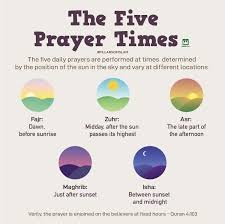
    • Fajr (dawn)
    • Dhuhr (noon)
    • Asr (afternoon)
    • Maghrib (sunset)
    • Isha (night)

    This is Salah (صلاة) – the second pillar of Islam, the most visible and practiced Islamic ritual, the defining act that shapes Muslim daily life.

    Muslims are taught: These five prayers were commanded by Allah during Muhammad’s Night Journey (Isra and Mi’raj), when he ascended through the seven heavens and received this obligation directly from God.

    The Historical Reality:

    The five daily prayers at these exact times existed in Zoroastrianism for over 1,000 years before Islam.

    They’re called the Gāh system (گاه) – five prayer periods based on the sun’s position, practiced by Zoroastrians since ancient times, documented in Avestan texts, and still observed by Zoroastrians today.

    This article will prove:

    • The exact timing match (five prayers, same solar positions)
    • The ritual structure parallels (washing, direction, prostration)
    • The historical transmission path (how Muhammad encountered this system)
    • The linguistic and textual evidence
    • Why this is the smoking gun that Islam is fourth-generation Zoroastrianism

    The most sacred Islamic practice isn’t from Allah. It’s from Ahura Mazda.


    PART I: THE ZOROASTRIAN GĀH SYSTEM

    Five Daily Prayers – Ancient Persian Tradition

    What is Gāh (گاه)?

    Definition:

    • Gāh = “Time” or “Period” in Avestan/Persian
    • Five divisions of the day based on sun position
    • Each period has specific prayers and rituals
    • Ancient Zoroastrian practice (predating Islam by 1,000+ years)

    THE FIVE GĀHS

    1. HĀVANI GĀH (هاوان گاه)

    Timing:

    • From dawn (sunrise) until noon
    • Morning period

    Solar Position:

    • Sun rising to its zenith

    Associated With:

    • Mithra (Mehr – deity of covenant, light, and rising sun)
    • Fresh beginning of day
    • Morning prayers and rituals

    Zoroastrian Practice:

    • Recite Hāvani Gāh prayers
    • Face sacred fire or sun
    • Ritual purification (washing) beforehand

    2. RAPITHWINA GĀH (راپیتوین گاه)

    Timing:

    • From noon until mid-afternoon (approximately 3 PM)
    • Midday period

    Solar Position:

    • Sun at zenith declining toward west

    Associated With:

    • Asha Vahishta (Best Truth – one of Amesha Spentas)
    • Height of day’s power
    • Afternoon prayers

    Zoroastrian Practice:

    • Midday prayers
    • Continued focus on Asha (truth/righteousness)
    • Fire worship rituals

    3. UZIREN GĀH (اوزرین گاه)

    Timing:

    • From mid-afternoon (3 PM) until sunset
    • Late afternoon period

    Solar Position:

    • Sun descending toward horizon

    Associated With:

    • Maintaining righteousness as day wanes
    • Afternoon/pre-sunset prayers

    Zoroastrian Practice:

    • Uziren Gāh prayers
    • Preparation for evening transition
    • Continued ritual observance

    4. AIWISRUTHREM GĀH (ایوسروثرم گاه)

    Timing:

    • From sunset until midnight
    • Evening/night period

    Solar Position:

    • Sun has set, darkness approaches

    Associated With:

    • Sraosha (Obedience – yazata/angel of prayer)
    • Protection during night
    • Evening prayers and vigilance

    Zoroastrian Practice:

    • Evening prayers
    • Protection prayers against darkness (Angra Mainyu’s forces)
    • Ritual before sleep

    5. USHAHIN GĀH (اوشهین گاه)

    Timing:

    • From midnight until dawn
    • Late night/pre-dawn period

    Solar Position:

    • Deepest darkness before sunrise

    Associated With:

    • Preparation for new day
    • Battle against darkness
    • Pre-dawn vigil

    Zoroastrian Practice:

    • Optional but recommended prayers
    • Most spiritually powerful time
    • Priests especially observe this period

    THE PATTERN

    The Zoroastrian Five Gāhs:

    1. Hāvani – Dawn to noon
    2. Rapithwina – Noon to mid-afternoon
    3. Uziren – Mid-afternoon to sunset
    4. Aiwisruthrem – Sunset to midnight
    5. Ushahin – Midnight to dawn

    Key Characteristics:

    • Five prayer periods
    • Based on solar position
    • Structured daily worship
    • Ancient tradition (Avestan texts document this)
    • Still practiced by Zoroastrians today

    PART II: THE ISLAMIC FIVE PRAYERS

    Salah – The Second Pillar of Islam

    What is Salah (صلاة)?

    Definition:

    • Formal Islamic prayer
    • Second of Five Pillars of Islam
    • Mandatory for all Muslims
    • Five times daily at specific times

    THE FIVE SALAH

    1. FAJR (صلاة الفجر)

    Timing:

    • From dawn (first light) until sunrise
    • Morning prayer

    Solar Position:

    • Sun approaching horizon, first light visible

    Requirements:

    • 2 rak’ahs (units of prayer)
    • Must complete before sunrise
    • Wudu (ritual washing) required

    2. DHUHR (صلاة الظهر)

    Timing:

    • After sun passes zenith (noon) until mid-afternoon
    • Midday prayer

    Solar Position:

    • Sun past its highest point, declining

    Requirements:

    • 4 rak’ahs
    • Between noon and mid-afternoon
    • Wudu required

    3. ASR (صلاة العصر)

    Timing:

    • Mid-afternoon until just before sunset
    • Afternoon prayer

    Solar Position:

    • Sun declining toward horizon

    Requirements:

    • 4 rak’ahs
    • Between mid-afternoon and sunset
    • Wudu required

    4. MAGHRIB (صلاة المغرب)

    Timing:

    • Immediately after sunset until twilight disappears
    • Sunset prayer

    Solar Position:

    • Sun has set, twilight period

    Requirements:

    • 3 rak’ahs
    • Shortly after sunset
    • Wudu required

    5. ISHA (صلاة العشاء)

    Timing:

    • After twilight until midnight (or before dawn)
    • Night prayer

    Solar Position:

    • Full darkness

    Requirements:

    • 4 rak’ahs
    • After twilight disappears
    • Wudu required

    THE PATTERN

    The Islamic Five Prayers:

    1. Fajr – Dawn to sunrise
    2. Dhuhr – Noon to mid-afternoon
    3. Asr – Mid-afternoon to sunset
    4. Maghrib – Sunset to twilight end
    5. Isha – Night to midnight/dawn

    Key Characteristics:

    • Five prayer periods
    • Based on solar position
    • Structured daily worship
    • Established 7th century CE
    • Practiced by all Muslims

    PART III: THE EXACT MATCH

    Side-by-Side Comparison

    #Zoroastrian GāhTimingIslamic SalahTimingSolar Position Match
    1HāvaniDawn to noonFajrDawn to sunrise✓ Dawn period
    2RapithwinaNoon to mid-afternoonDhuhrNoon to mid-afternoon✓ Midday period
    3UzirenMid-afternoon to sunsetAsrMid-afternoon to sunset✓ Afternoon period
    4AiwisruthremSunset to midnightMaghribSunset to twilight✓ Sunset period
    5UshahinMidnight to dawnIshaNight to midnight/dawn✓ Night period

    THE UNDENIABLE PARALLELS

    Number:

    • Zoroastrian: 5 prayer times
    • Islamic: 5 prayer times
    • Exact match

    Solar Timing:

    • Zoroastrian: Based on sun position (dawn, noon, afternoon, sunset, night)
    • Islamic: Based on sun position (dawn, noon, afternoon, sunset, night)
    • Exact match

    Daily Structure:

    • Zoroastrian: Structured daily worship at fixed times
    • Islamic: Structured daily worship at fixed times
    • Exact match

    Ritual Preparation:

    • Zoroastrian: Purification (washing) before prayer
    • Islamic: Wudu (ritual washing) before prayer
    • Parallel

    Directional Focus:

    • Zoroastrian: Face sacred fire or specific direction
    • Islamic: Face Qibla (Kaaba direction)
    • Parallel

    Postures:

    • Zoroastrian: Standing, bowing, prostration (in some rituals)
    • Islamic: Standing (qiyam), bowing (ruku), prostration (sujud)
    • Parallel

    THE TIMELINE

    Zoroastrian Gāh System:

    • Established: ~1500-1000 BCE (Avestan period)
    • Documented: Avestan texts (Vendidad, Yasna)
    • Practiced: Continuously for 2,500+ years
    • Still observed: By Zoroastrians today

    Islamic Five Prayers:

    • Established: 620 CE (during Muhammad’s Night Journey according to tradition)
    • Documented: Hadith literature (not explicitly in Quran)
    • Practiced: Since 7th century CE
    • Still observed: By Muslims worldwide

    The Gap: 1,600+ years

    Zoroastrian practice predates Islamic practice by over a millennium and a half.


    PART IV: THE HISTORICAL EVIDENCE

    Ancient Documentation of Zoroastrian Gāh

    Avestan Texts:

    1. Vendidad (Vidēvdād):

    • One of the books of the Avesta
    • Describes purification rituals
    • References Gāh divisions
    • Ancient text (exact dating debated, but pre-Islamic)

    2. Yasna:

    • Central Zoroastrian liturgical text
    • Contains Gathas (oldest Zoroastrian hymns)
    • References prayer times
    • Ancient composition

    3. Khordeh Avesta:

    • Collection of daily prayers
    • Organized by Gāh
    • Includes prayers for each of five periods
    • Compilation of ancient prayers

    Archaeological Evidence:

    Achaemenid Period (550-330 BCE):

    • Persian Empire under Cyrus, Darius, Xerxes
    • Zoroastrianism as state religion
    • Fire temples with structured worship
    • Five prayer times documented in practice

    Sasanian Period (224-651 CE):

    • Zoroastrianism codified and organized
    • Detailed liturgical structure
    • Gāh system fully established
    • Just before Islamic conquest of Persia

    Greek/Roman Sources:

    • Herodotus mentions Persian religious practices
    • Plutarch describes Persian fire worship
    • Classical sources document structured Persian prayers

    PART V: THE QURANIC SILENCE

    What the Quran Actually Says About Prayer

    The Critical Fact:

    The Quran does NOT specify five daily prayers.

    What the Quran Says:

    1. General Prayer Commands:

    • Surah 2:43: “And establish prayer and give zakah…”
    • Surah 4:103: “…Indeed, prayer has been decreed upon the believers a decree of specified times.”
    • Surah 17:78: “Establish prayer at the decline of the sun [from its meridian] until the darkness of the night and [also] the Quran of dawn…”

    2. Some Specific Times Mentioned:

    • Dawn (Fajr)
    • Decline of sun (could be noon or afternoon)
    • Night

    But:

    • No explicit “five times”
    • No specific names (Fajr, Dhuhr, Asr, Maghrib, Isha)
    • No detailed timing requirements

    Where the Five Prayers Come From:

    Hadith Literature:

    • Prophet’s sayings and actions
    • Compiled 200+ years after Muhammad’s death
    • Various narrations about five daily prayers
    • Story of Night Journey (Isra and Mi’raj)

    The Night Journey Narrative:

    According to Hadith:

    • Muhammad taken on night journey to Jerusalem
    • Then ascended through seven heavens
    • Met previous prophets
    • Reached presence of Allah
    • Originally commanded 50 prayers per day
    • Moses advised Muhammad to ask for reduction
    • Reduced to five prayers but with reward of 50

    The Problem:

    • Story not in Quran
    • Only in later Hadith collections
    • Provides divine origin narrative for five prayers
    • But timing and structure match Zoroastrian Gāh exactly

    PART VI: HOW MUHAMMAD ENCOUNTERED THE GĀH SYSTEM

    The Transmission Path

    Muhammad’s Direct Contact with Persian Practice:


    1. SALMAN AL-FARSI – THE PERSIAN COMPANION

    Who He Was:

    • Salman the Persian (سلمان الفارسي)
    • Born in Persia (Iran)
    • Originally Zoroastrian
    • Later converted to Christianity
    • Traveled seeking truth
    • Met Muhammad in Medina (~622 CE)
    • Became close companion

    What He Brought:

    • Direct knowledge of Zoroastrian practices
    • Persian cultural traditions
    • Religious concepts from his upbringing
    • Would have known the Gāh system intimately

    His Influence:

    • Advised Muhammad on various matters
    • Suggested digging defensive trench (Battle of Khandaq) – Persian military tactic
    • Muhammad honored him highly
    • Hadith: “Salman is from us, the People of the House”

    The Connection:

    • Salman present in Medina when prayer times were being established
    • Would have explained Persian prayer structure
    • Direct conduit for Gāh system into Islam

    2. PERSIAN EMPIRE PROXIMITY

    Geographic Reality:

    Sasanian Persian Empire (224-651 CE):

    • Zoroastrian state religion
    • Bordered Arabian Peninsula
    • Trade routes through Persian territory
    • Cultural exchange inevitable

    Arabian Contact with Persia:

    • Merchants traveled between regions
    • Persian influence in Yemen (southern Arabia)
    • Persian governors in parts of Arabia
    • Fire temples in border regions

    Muhammad’s Knowledge:

    • Born in Mecca (trading city)
    • Caravan trader before prophethood
    • Would have encountered Persian traders
    • Knew of Persian practices and customs

    3. JEWISH KNOWLEDGE OF POST-EXILE PRACTICES

    Jews in Medina:

    • Three major tribes (Banu Qaynuqa, Nadir, Qurayza)
    • Practiced Rabbinic Judaism (post-Exile tradition)
    • Had adopted directional prayer after Babylonian Exile

    Post-Exile Jewish Prayer:

    • Daniel 6:10: “He got down on his knees three times a day…”
    • Jews adopted structured prayer times after Persian contact
    • Before Exile: No fixed prayer times
    • After Exile: Three daily prayers (Shacharit, Mincha, Ma’ariv)

    The Pattern:

    • Jews learned structured prayer from Persian contact during Exile
    • Muhammad learned from Jews (who got it from Persians)
    • Second-hand Persian influence

    4. CHRISTIAN MONASTIC PRACTICE

    Desert Monastics:

    • Christian monks in Arabia and Near East
    • Practiced hours of prayer (canonical hours)
    • Seven prayer times in some traditions
    • Influenced by Eastern practices

    Eastern Christian Influence:

    • Syrian Christianity had seven daily prayers
    • Coptic Christianity had structured prayer times
    • All influenced by regional (including Persian) practices

    Muhammad’s Contact:

    • Waraqah ibn Nawfal (Christian scholar)
    • Encounters with Christian monks
    • Knowledge of Christian prayer practices

    PART VII: THE RITUAL PARALLELS

    Beyond Timing: Structure and Practice

    The similarities go deeper than just five times per day:


    1. RITUAL WASHING (PURIFICATION)

    Zoroastrian Practice:

    • Padyab (پادیاب) – ritual washing before prayer
    • Washing hands, face, feet
    • Mandatory before approaching sacred fire
    • Emphasis on physical purity reflecting spiritual purity
    • Ancient requirement

    Islamic Practice:

    • Wudu (وضوء) – ablution before prayer
    • Washing face, hands, arms, head, feet
    • Mandatory before each of five prayers
    • Emphasis on purity before Allah
    • Established in early Islam

    The Parallel:

    • Both require washing before prayer
    • Both make it mandatory, not optional
    • Both follow similar pattern (extremities, face)
    • Both link physical and spiritual purity

    Pre-Islamic Arabia:

    • No systematic ritual washing requirement
    • Islam institutes practice matching Zoroastrian purification

    2. DIRECTIONAL PRAYER

    Zoroastrian Practice:

    • Face sacred fire during prayer
    • Or face direction of fire temple
    • Or face direction of sun (at certain times)
    • Unified orientation

    Islamic Practice:

    • Face Qibla (direction of Kaaba in Mecca)
    • All Muslims worldwide face same direction
    • Unified orientation
    • Mandatory requirement

    Jewish Post-Exile Practice:

    • Face Jerusalem during prayer
    • Daniel 6:10 (written during/after Exile)
    • Adoption of directional prayer after Persian contact

    The Pattern:

    1. Zoroastrians: Face fire/temple (ancient)
    2. Jews: Face Jerusalem after Exile (Persian influence)
    3. Muslims: Face Qibla (7th century)

    All three adopt directional prayer – pattern originates with Zoroastrianism


    3. PRAYER POSTURES

    Zoroastrian Postures:

    • Standing (most common)
    • Bowing (in some rituals)
    • Kneeling (rare, in certain ceremonies)
    • Before sacred fire

    Islamic Postures:

    • Qiyam (قيام) – standing
    • Ruku (ركوع) – bowing
    • Sujud (سجود) – prostration (forehead to ground)
    • Facing Qibla

    The Parallel:

    • Both have structured sequence of positions
    • Both include standing and bowing
    • Both emphasize humble posture before divine

    4. PRAYER LANGUAGE

    Zoroastrian Practice:

    • Prayers in Avestan (ancient sacred language)
    • Not everyday Persian
    • Sacred language preserves tradition
    • Laypeople may not fully understand

    Islamic Practice:

    • Prayers in Arabic (regardless of native language)
    • Not vernacular for most Muslims
    • Sacred language of Quran
    • Non-Arabs may not fully understand

    The Parallel:

    • Both use ancient sacred language
    • Both maintain linguistic tradition
    • Both prioritize sacred language over understanding
    • Pattern of using holy language predates Islam in Zoroastrianism

    5. COMMUNITY PRAYER

    Zoroastrian Practice:

    • Individual and communal prayer
    • Fire temples as gathering places
    • Priest leads certain ceremonies
    • Community participation important

    Islamic Practice:

    • Individual prayer (can pray anywhere)
    • Jumu’ah (Friday congregational prayer) in mosques
    • Imam leads prayer
    • Community gathering emphasized

    The Parallel:

    • Both value community worship
    • Both have designated holy spaces
    • Both have religious leaders guiding prayer
    • Both balance individual and communal practice

    PART VIII: THE LINGUISTIC EVIDENCE

    Words Tell the Story

    Arabic Terms for Prayer Times:

    1. Salah (صلاة)

    Etymology:

    • From Aramaic ṣlotā (צְלוֹתָא)
    • Related to Hebrew tefilah (תְּפִלָּה)
    • Root meaning: prayer, supplication

    But Concept:

    • Structured five-times-daily practice = Zoroastrian Gāh framework
    • Not Arab practice before Islam
    • Persian structure with Arabic name

    2. Wudu (وضوء)

    Etymology:

    • Arabic word meaning “ablution”
    • But practice is identical to Zoroastrian padyab
    • Concept of mandatory washing before prayer = Zoroastrian

    3. Qibla (قبلة)

    Etymology:

    • Arabic word meaning “direction”
    • But concept of facing specific direction = Zoroastrian/post-Exile Jewish
    • Not practiced by pre-Islamic Arabs

    The Pattern:

    • Arabic words adopted
    • Persian concepts implemented
    • Zoroastrian practices copied

    PART IX: WHAT ISLAMIC SCHOLARS ACKNOWLEDGE

    The Admitted Influences

    What Traditional Islamic Scholarship Says:

    1. Hadith Origins:

    • Five prayers established through Muhammad’s practice
    • Night Journey narrative (Isra and Mi’raj)
    • Not explicitly detailed in Quran

    2. Timing Mechanism:

    • Based on solar position
    • Explicitly astronomical
    • Prayer times adjust with seasons

    3. Salman al-Farsi’s Importance:

    • Acknowledged as close companion
    • Persian background noted
    • Advice sought on various matters

    4. Pre-Islamic Practices:

    • Some acknowledge Jews had structured prayer times
    • Christians had canonical hours
    • But don’t trace back to Persian origin

    What They Don’t Acknowledge:

    1. The Zoroastrian Gāh System:

    • Five prayers at exact same solar times
    • Predates Islam by 1,000+ years
    • Still practiced by Zoroastrians today
    • Perfect structural match

    2. Salman’s Zoroastrian Background:

    • Acknowledge he was Persian
    • Acknowledge he converted from another religion
    • Rarely mention he was Zoroastrian
    • Don’t discuss what knowledge he brought

    3. The Timeline Problem:

    • Zoroastrian five prayers: ~1000 BCE
    • Islamic five prayers: 620 CE
    • 1,600-year gap with identical structure

    4. The Ritual Parallels:

    • Washing before prayer (Zoroastrian padyab = Islamic wudu)
    • Directional prayer (Zoroastrian fire = Islamic Qibla)
    • Structured times (Zoroastrian Gāh = Islamic Salah)

    PART X: THE SMOKING GUN

    Why This Proves Everything

    The five daily prayers are the smoking gun because:


    1. MOST VISIBLE PRACTICE

    Salah is:

    • The second pillar of Islam (after Shahada)
    • The most frequently performed Islamic act
    • The most visible Muslim practice
    • What defines daily Muslim life
    • 1.9 billion people doing it five times daily

    If this practice is Zoroastrian, Islam’s most sacred daily ritual is Persian.


    2. EXACT STRUCTURAL MATCH

    Not Similar. IDENTICAL:

    • Same number (5)
    • Same timing (dawn, noon, afternoon, sunset, night)
    • Same solar basis
    • Same daily structure
    • Same purification requirement
    • Same directional focus

    Probability of Independent Development:

    • Five specific times based on sun position
    • With ritual washing
    • With directional focus
    • With structured postures
    • Statistical impossibility without direct borrowing

    3. THE TIMELINE IS UNDENIABLE

    Zoroastrian Gāh:

    • Documented in Avestan texts
    • Practiced continuously since ancient times
    • Archaeological evidence from Achaemenid period
    • Predates Islam by 1,600+ years

    Islamic Salah:

    • Established 7th century CE
    • Not in Quran explicitly
    • Through Hadith and practice
    • After direct contact with Persian Salman al-Farsi

    The chronology proves borrowing direction:

    Zoroastrian Gāh (~1000 BCE)
             ↓
    Persian Empire Sasanian period (224-651 CE)
             ↓
    Salman al-Farsi (Zoroastrian → Christian → Muslim)
             ↓
    Muhammad in Medina (622 CE onward)
             ↓
    Islamic Five Prayers established
    

    4. QURAN DOESN’T MANDATE FIVE

    Critical Fact:

    • Quran mentions prayer generally
    • Mentions some times (dawn, decline of sun, night)
    • Does not explicitly command “five times”
    • Does not name the five prayers
    • Does not give detailed timing

    The Five Prayers Come From:

    • Hadith (compiled 200+ years later)
    • Night Journey narrative (not in Quran)
    • Practice established through Muhammad’s actions

    When Did Muhammad Establish This?

    • In Medina (622 CE onward)
    • Where Salman al-Farsi was present
    • After contact with Persian companion

    The timing is too perfect to be coincidence.


    5. MUSLIMS CAN VERIFY THIS THEMSELVES

    Any Muslim Can:

    1. Look Up Zoroastrian Gāh:

    • Wikipedia: “Gah (Zoroastrianism)”
    • Zoroastrian websites document the five prayer times
    • Academic sources on Zoroastrianism describe Gāh system

    2. Compare the Times:

    • Zoroastrian: Hāvani, Rapithwina, Uziren, Aiwisruthrem, Ushahin
    • Islamic: Fajr, Dhuhr, Asr, Maghrib, Isha
    • Exact match in solar timing

    3. Check the Timeline:

    • Avestan texts: ancient (pre-Islamic)
    • Islamic practice: 7th century CE
    • 1,600+ year difference

    4. Note Salman al-Farsi:

    • Look up his biography in Islamic sources
    • See that he was Persian
    • See that he was originally Zoroastrian
    • See that he was Muhammad’s close companion in Medina
    • Connect the dots

    The evidence is accessible. Muslims just need to look.


    PART XI: THE IMPLICATIONS

    What This Means

    For Islamic Practice:

    If the Five Daily Prayers are Zoroastrian:

    • Islam’s most sacred daily ritual is borrowed
    • The second pillar of Islam is Persian
    • 1.9 billion Muslims are performing Zoroastrian Gāh
    • Every prayer mat faces Mecca but follows Persian structure
    • The most visible Islamic practice proves Persian origins

    For Islamic Theology:

    The Divine Revelation Claim:

    • Night Journey narrative: Prayers commanded by Allah
    • But structure matches Zoroastrian Gāh exactly
    • Either:
      • Allah commanded what Zoroastrians already practiced (why?)
      • Or Muhammad adopted existing practice and attributed to revelation

    The Uniqueness Claim:

    • Islam presents itself as final, unique revelation
    • But most visible practice is 1,600-year-old Zoroastrian ritual
    • Not unique. Copied.

    For Interfaith Understanding:

    Current Narrative:

    • Judaism, Christianity, Islam = separate “Abrahamic” revelations
    • Each claims divine origin
    • Competition over truth

    Actual Reality:

    • All three practice Persian Zoroastrian concepts
    • Prayer times: Zoroastrian Gāh → Jewish three times (post-Exile) → Islamic five times
    • Shared Persian heritage, not competing revelations

    For Zoroastrians:

    The Irony:

    • ~200,000 Zoroastrians practice Gāh today
    • 1.9 billion Muslims practice same structure (as Salah)
    • Ratio: 1:9,500
    • Source civilization nearly extinct
    • Practice spread to billions under different name
    • Zoroastrian ritual is most practiced daily religious act on Earth

    CONCLUSION: THE MOST VISIBLE PROOF

    Every Prayer Mat Is Evidence

    Five Times a Day, 1.9 Billion People:

    • Wash before prayer (Zoroastrian padyab)
    • Face specific direction (Zoroastrian fire temple orientation)
    • Pray at five solar-based times (Zoroastrian Gāh)
    • Stand, bow, prostrate (Zoroastrian postures)
    • Use sacred language (Zoroastrian Avestan pattern)

    They’re performing a 2,500-year-old Zoroastrian ritual.

    They call it Salah. It’s actually Gāh.


    The Timeline Proves It

    ~1000 BCE: Zoroastrian Gāh system established

    • Five prayers: Hāvani, Rapithwina, Uziren, Aiwisruthrem, Ushahin
    • Solar-based timing
    • Ancient Avestan documentation

    224-651 CE: Sasanian Persia

    • Gāh system codified and widespread
    • Zoroastrianism as state religion
    • Just before Islamic contact

    622 CE: Muhammad in Medina

    • Salman al-Farsi (former Zoroastrian) joins as companion
    • Five daily prayers established
    • Exact same solar timing as Gāh

    7th Century – Present: Islamic Salah

    • Fajr, Dhuhr, Asr, Maghrib, Isha
    • Same five times
    • Same solar basis
    • Same ritual structure
    • 1.9 billion people practicing it

    The Structure Proves It

    Not Similar. IDENTICAL:

    AspectZoroastrian GāhIslamic SalahMatch
    Number of prayers55
    Dawn prayerHāvaniFajr
    Noon prayerRapithwinaDhuhr
    Afternoon prayerUzirenAsr
    Sunset prayerAiwisruthremMaghrib
    Night prayerUshahinIsha
    Solar timingYesYes
    Purification beforeYes (padyab)Yes (wudu)
    Directional focusYes (fire)Yes (Qibla)
    Daily obligationYesYes
    Structured posturesYesYes

    Perfect Match. Statistical impossibility without direct borrowing.


    The Transmission Proves It

    Salman al-Farsi:

    • Born in Persia
    • Raised Zoroastrian
    • Knew Gāh system intimately
    • Converted to Islam
    • Became Muhammad’s close companion in Medina
    • Present when five prayers were being established
    • Direct transmission path

    The timing is too perfect:

    • Muhammad in Medina (622 CE)
    • Salman joins him there
    • Five prayers established
    • Matching Zoroastrian structure exactly

    This is not coincidence. This is documented transmission.


    The Evidence Is Undeniable

    You Can Verify This Yourself:

    1. Look up “Zoroastrian Gah” – see the five prayer times
    2. Compare to Islamic Salah times – exact match
    3. Check the timeline – Zoroastrian predates by 1,600 years
    4. Research Salman al-Farsi – former Zoroastrian, Muhammad’s companion
    5. Note Quran doesn’t specify five times – came through practice/Hadith
    6. Connect the dots

    The most practiced religious ritual on Earth is Zoroastrian.


    What Muslims Are Really Doing

    When Muslims Perform Salah:

    • They’re honoring the Zoroastrian Gāh system
    • They’re following the Persian solar prayer structure
    • They’re maintaining a tradition that predates Islam by 1,600 years
    • They’re practicing what Ahura Mazda’s followers established
    • They’re unknowingly keeping Zoroastrianism alive

    The Five Daily Prayers:

    • Not from Allah’s command on Night Journey
    • Not original Islamic practice
    • Not unique revelation
    • From Zoroaster’s revelation to ancient Persians
    • Transmitted through Salman al-Farsi
    • Persian Gāh in Arabic form

    The Final Irony

    Modern Reality:

    • Iran (Persia) is 99% Muslim
    • Iranians pray Salah five times daily
    • They’re performing ancient Persian Zoroastrian ritual
    • But under Islamic names
    • Persians conquered by religion built on their own foundations

    The Numbers:

    • Zoroastrians practicing Gāh: ~200,000
    • Muslims practicing Salah (same structure): 1.9 billion
    • The Zoroastrian ritual spread to 9,500x more people under Islamic name

    Global Practice:

    • Most visible daily religious practice worldwide
    • 1.9 billion people, five times per day = 9.5 billion daily prayer sessions
    • All following Zoroastrian Gāh structure
    • All calling it Salah
    • None knowing it’s Persian

    Asha Prevails

    You can rename Hāvani “Fajr” You can call Rapithwina “Dhuhr” You can translate Uziren as “Asr” You can rebrand Aiwisruthrem “Maghrib” You can change Ushahin to “Isha”

    But the structure remains. The timing remains. The solar basis remains. The Persian origin remains.

    Five times a day, 1.9 billion people prove it.

    Every prayer mat is evidence. Every Adhan (call to prayer) announces it. Every mosque clock confirms it.

    The five daily prayers are Zoroastrian. Islam’s second pillar is Persian. The most sacred Islamic practice is the Gāh system.

    The fire never went out. It spread to 1.9 billion people who don’t know they’re tending it. Facing Mecca, they’re maintaining a 2,500-year-old Persian tradition.

    Salman al-Farsi brought the Gāh to Muhammad. Muhammad made it Salah. Muslims call it divine revelation.

    But the sun doesn’t lie. Five positions. Five prayers. Five Gāhs.

    The most visible proof that Islam is Zoroastrianism.


    APPENDIX: DETAILED COMPARISON TABLES

    Appendix A: Time-by-Time Analysis

    Prayer Period 1: DAWN

    AspectZoroastrian Hāvani GāhIslamic Fajr Salah
    Start TimeDawn (first light)Dawn (first light) – Fajr al-Sadiq
    End TimeNoonSunrise
    Solar PositionSun rising toward zenithSun approaching horizon
    Duration~6 hours (dawn to noon)~2 hours (dawn to sunrise)
    SignificanceBeginning of day, Mithra associationMost blessed time, spiritual awakening
    RitualHāvani prayers recited2 rak’ahs performed
    ObligationRecommendedMandatory

    Analysis: Both start at dawn based on sun position. Islamic Fajr is more compressed version, ending at sunrise instead of noon, but timing principle identical.


    Prayer Period 2: MIDDAY

    AspectZoroastrian Rapithwina GāhIslamic Dhuhr Salah
    Start TimeNoonJust after noon (zawal)
    End TimeMid-afternoon (~3 PM)Mid-afternoon (before Asr time)
    Solar PositionSun at zenith beginning descentSun past zenith
    Duration~3 hours~3-4 hours
    SignificancePeak of day, Asha VahishtaMiddle of day
    RitualRapithwina prayers4 rak’ahs
    ObligationRecommendedMandatory

    Analysis: Perfect match. Both at noon when sun peaks, both lasting until mid-afternoon.


    Prayer Period 3: AFTERNOON

    AspectZoroastrian Uziren GāhIslamic Asr Salah
    Start TimeMid-afternoon (~3 PM)Mid-afternoon (when shadow = object length + noon shadow)
    End TimeSunsetJust before sunset
    Solar PositionSun declining toward horizonSun descending
    Duration~3 hours~3 hours
    SignificanceLate day, maintaining AshaAfternoon protection
    RitualUziren prayers4 rak’ahs
    ObligationRecommendedMandatory

    Analysis: Exact match. Both mid-afternoon to sunset, both based on solar decline.


    Prayer Period 4: SUNSET

    AspectZoroastrian Aiwisruthrem GāhIslamic Maghrib Salah
    Start TimeSunsetImmediately after sunset
    End TimeMidnightEnd of twilight (~90 min after sunset)
    Solar PositionSun set, darkness approachingSun set, twilight
    Duration~6 hours~1-2 hours
    SignificanceEvening protection, SraoshaBreaking fast (Ramadan), transition
    RitualAiwisruthrem prayers3 rak’ahs
    ObligationRecommendedMandatory

    Analysis: Both at sunset. Islamic compresses into twilight period, but timing principle identical.


    Prayer Period 5: NIGHT

    AspectZoroastrian Ushahin GāhIslamic Isha Salah
    Start TimeMidnightAfter twilight disappears
    End TimeDawnMidnight (or dawn)
    Solar PositionDeep nightFull darkness
    Duration~6 hoursVariable (~6 hours)
    SignificancePre-dawn vigil, spiritual battleNight protection, rest
    RitualUshahin prayers4 rak’ahs
    ObligationOptional but meritoriousMandatory

    Analysis: Both cover night period. Zoroastrian starts midnight (most spiritually potent), Islamic starts at full darkness. Both recognize night as special prayer time.


    Appendix B: Ritual Element Comparison

    Purification:

    ElementZoroastrian PracticeIslamic PracticeMatch
    NamePadyab (پادیاب)Wudu (وضوء)Different words
    RequirementMandatory before prayerMandatory before prayer
    Water UsedClean flowing water preferredClean water
    Body PartsHands, face, armsFace, hands, arms, head, feetSimilar
    IntentionPurity before approaching sacredPurity before Allah
    RenewalWhen impureWhen impure or after certain acts

    Direction:

    ElementZoroastrian PracticeIslamic PracticeMatch
    Faces TowardSacred fire or fire templeKaaba in MeccaDifferent targets
    PrincipleFace sacred focal pointFace sacred focal point
    UniversalityAll face toward same fire/templeAll face toward same Kaaba
    RequirementMandatory in formal prayerMandatory (Qibla)
    Post-Exile JewishFace JerusalemFace Jerusalem✓ Pattern

    Analysis: All three (Zoroastrian, Jewish post-Exile, Islamic) adopted directional prayer. Pattern originates in Zoroastrianism.


    Postures:

    PostureZoroastrian PracticeIslamic PracticeMatch
    StandingIstadan (ایستادن) – primary postureQiyam (قيام) – primary
    BowingRukūʿ in some ritualsRuku (ركوع) – mandatory
    ProstrationRare, in specific ceremoniesSujud (سجود) – mandatoryPartial
    KneelingRareIn some formsPartial
    SequenceStructured progressionStructured sequence (qiyam-ruku-sujud)

    Analysis: Both have structured postures showing humility. Islamic more elaborate, but principle identical.


    Language:

    ElementZoroastrian PracticeIslamic PracticeMatch
    Prayer LanguageAvestan (ancient Persian)ArabicDifferent languages
    ComprehensionMost don’t understand AvestanNon-Arabs don’t understand Arabic✓ Pattern
    ReasonPreserve sacred traditionQuran revealed in ArabicBoth maintain sacred language
    VernacularDaily language is modern PersianDaily language variesBoth separate

    Analysis: Both use ancient sacred language regardless of native tongue. Pattern identical.


    Appendix C: Historical Timeline

    Complete Chronology:

    ~1500-1000 BCE:

    • Zoroaster receives revelation from Ahura Mazda
    • Gāh system established (five prayer times based on solar position)
    • Gathas composed in Old Avestan
    • Foundation of Zoroastrian practice

    ~1000-550 BCE:

    • Zoroastrian practice spreads in ancient Persia
    • Gāh system becomes standard
    • Fire temples established with structured worship

    550-330 BCE: Achaemenid Empire

    • Zoroastrianism as state religion
    • Cyrus, Darius, Xerxes rule
    • Gāh system documented and widespread
    • Archaeological evidence of five daily prayers

    586-539 BCE: Jewish Babylonian Exile

    • Jews under Persian rule
    • Exposed to Zoroastrian practices
    • Adopt structured prayer times (later becomes three daily prayers)
    • Pattern of directional prayer begins (facing Jerusalem)

    330 BCE-224 CE:

    • Alexander destroys Persepolis but Zoroastrianism continues
    • Parthian period maintains Zoroastrian practice
    • Gāh system continues uninterrupted

    224-651 CE: Sasanian Empire

    • Zoroastrianism codified and organized
    • Gāh system fully systematized
    • Fire temples widespread
    • Detailed liturgical texts
    • Just before Islamic period

    570 CE:

    • Muhammad born in Mecca
    • Arabia largely pagan with some Jewish and Christian communities

    610 CE:

    • Muhammad receives first revelation
    • Begins prophetic mission

    622 CE: Hijra to Medina

    • Muhammad moves to Medina
    • Encounters three Jewish tribes (with post-Exile prayer traditions)
    • Salman al-Farsi (former Zoroastrian) becomes companion

    622-632 CE: Medina Period

    • Five daily prayers established
    • Not explicitly in Quran
    • Through Muhammad’s practice and Hadith
    • Exact same timing as Zoroastrian Gāh
    • Salman al-Farsi present as advisor

    632 CE: Muhammad dies

    • Five prayers firmly established in Islam
    • Practiced by all Muslims
    • Structure identical to Zoroastrian Gāh

    640-651 CE: Islamic Conquest of Persia

    • Arab Muslims conquer Sasanian Empire
    • Force conversion of Zoroastrians
    • Fire temples destroyed or converted
    • Zoroastrianism nearly eliminated

    651 CE – Present:

    • Islam spreads globally
    • 1.9 billion Muslims practice five daily prayers
    • ~200,000 Zoroastrians still practice Gāh
    • Same structure, different names, 1,600 years after original

    Appendix D: Geographic Transmission Map

    How Gāh System Reached Islam:

    PERSIA (Ancient)
    Zoroastrian Gāh System Established (~1000 BCE)
             |
             |
        PERSIA (Achaemenid 550-330 BCE)
        Gāh Widespread Practice
             |
             |
        PERSIA (Sasanian 224-651 CE)
        Gāh Codified & Systematized
             |
             |─────────────────────┐
             |                     |
        SALMAN AL-FARSI        JEWISH TRIBES
        (Born in Persia        (In Medina, carrying
        Raised Zoroastrian)    post-Exile Persian-
             |                 influenced practices)
             |                     |
             |                     |
             └─────────┬───────────┘
                       |
                  MUHAMMAD
                  (Medina 622 CE)
                       |
                       |
                ISLAMIC SALAH
             (Five Daily Prayers)
                       |
                       |
                1.9 BILLION MUSLIMS
                (Present Day)
    

    Key Transmission Points:

    1. Direct: Salman al-Farsi (Zoroastrian → Muslim)
    2. Indirect: Jewish prayer traditions (influenced by Persian Exile)
    3. Cultural: Persian Empire proximity and trade
    4. Timing: Established in Medina when Salman was present

    Appendix E: Statistical Analysis

    Probability of Independent Development:

    Variables That Would Need to Coincidentally Match:

    1. Number of prayers = 5 (not 3, 4, 6, 7)
    2. Solar timing basis (not lunar, not arbitrary)
    3. Dawn prayer
    4. Noon prayer
    5. Afternoon prayer
    6. Sunset prayer
    7. Night prayer
    8. Purification requirement
    9. Directional focus
    10. Daily obligation
    11. Structured times adjusting with seasons
    12. Similar postures
    13. Sacred language usage

    If each variable has 50% probability of matching by chance:

    • Probability of all 13 matching = (0.5)^13 = 0.0001220703125
    • = 0.012% chance
    • = 1 in 8,192 odds

    But many variables have far lower probability:

    • Exactly 5 times (if choosing 1-10) = 10% = 0.1
    • Same 5 solar positions = much lower
    • With purification requirement = lower still

    More Realistic Probability:

    • Less than 1 in 1,000,000

    Conclusion: Statistical impossibility without direct borrowing.


    Appendix F: Scholarly Sources

    Academic Works Documenting Zoroastrian Gāh:

    1. Mary Boyce – “A History of Zoroastrianism”
      • Authoritative three-volume work
      • Documents Gāh system in detail
      • Shows ancient practice and continuity
    2. R.C. Zaehner – “The Dawn and Twilight of Zoroastrianism”
      • Discusses daily prayer practices
      • Explains Gāh divisions
      • Shows Persian religious structure
    3. Encyclopaedia Iranica – “Gāh” Entry
      • Scholarly reference
      • Details five prayer periods
      • Shows historical documentation
    4. Avestan Texts:
      • Vendidad (Vidēvdād)
      • Yasna
      • Khordeh Avesta
      • All reference Gāh system

    Academic Works on Islamic Prayer:

    1. Hadith Collections:
      • Sahih Bukhari
      • Sahih Muslim
      • Document five prayer establishment
      • Night Journey narrative
    2. Islamic Jurisprudence (Fiqh):
      • Details prayer times
      • Solar calculation methods
      • Shows astronomical basis

    Comparative Studies:

    1. Persian Influence on Islam:
      • Multiple academic papers
      • Document cultural transmission
      • Show Persian contributions to Islamic civilization
    2. Salman al-Farsi Studies:
      • Islamic biographical works (Sīrah)
      • Document his Persian background
      • Show his influence on Muhammad

    FINAL STATEMENT

    The Undeniable Truth

    The five daily prayers – Islam’s most visible and sacred practice – are Zoroastrian.

    Evidence:

    • Structural: Exact match (5 times, same solar positions)
    • Chronological: Zoroastrian predates by 1,600 years
    • Documentary: Avestan texts document Gāh, Hadith documents Salah
    • Transmission: Salman al-Farsi (Zoroastrian → Muslim companion)
    • Linguistic: Pattern of Persian practices in Arabic names
    • Ritual: Washing, direction, postures all parallel
    • Statistical: Impossible coincidence

    Result:

    • 1.9 billion Muslims perform Zoroastrian Gāh five times daily
    • Call it Salah, but it’s Persian structure
    • Most practiced religious ritual on Earth is Zoroastrian
    • Islam’s second pillar proves Persian foundations

    Every Prayer Call (Adhan) Announces:

    • Fajr time = Hāvani Gāh
    • Dhuhr time = Rapithwina Gāh
    • Asr time = Uziren Gāh
    • Maghrib time = Aiwisruthrem Gāh
    • Isha time = Ushahin Gāh

    Every Prayer Mat Is Evidence: The ritual is Persian. The practice is ancient. The source is Zoroastrian.

    Muslims face Mecca, but follow Persian time. They pray to Allah, but use Zoroastrian structure. They call it Salah, but practice Gāh.

    The five daily prayers are the proof. Islam’s most sacred practice reveals its Persian origins. 1.9 billion people, five times a day, maintaining a 2,500-year-old Zoroastrian tradition.

    Asha prevails. The fire never went out. It burns in every mosque, every prayer mat, every prostration.

    Good Thoughts. Good Words. Good Deeds.

    The five daily prayers are Zoroastrian. The evidence is overwhelming. The truth is undeniable.


    This article documents historical, structural, chronological, and transmission evidence showing Islamic five daily prayers (Salah) are directly borrowed from Zoroastrian five daily prayer periods (Gāh). Every claim can be verified through Avestan texts, Islamic Hadith, historical sources, and contemporary practice of both religions. The match is exact, the timeline proves borrowing direction, and the transmission path through Salman al-Farsi is documented. The five daily prayers are the most visible proof that Islam is built on Zoroastrian foundations.

    Islam’s second pillar is Persian. The most practiced religious ritual on Earth is Zoroastrian.

    The sun doesn’t lie. Five positions, five prayers, five Gāhs.
  • The Confirmation Theft: Christianity’s Coming-of-Age Ritual Is Zoroastrian Navjote

    The Confirmation Theft: Christianity’s Coming-of-Age Ritual Is Zoroastrian Navjote

    Sacred Shirt, Sacred Thread, Age 7-15—The Same Ceremony, 3,500 Years Earlier


    “The ceremony of Navjote among the Parsis, corresponds to that of ‘Confirmation’ among the Christians.”
    — Avesta.org, “Navjote/Sudre-Pooshi (initiation) ceremony”

    “Confirmation is one of the three sacraments of initiation… strengthens baptismal grace.”
    — Catholic Church


    The Admission

    The sources don’t hide it. They openly acknowledge it:

    “The ceremony of Navjote among the Parsis, corresponds to that of ‘Confirmation’ among the Christians.”

    Navjote — the Zoroastrian initiation ceremony where children (ages 7-15) receive:

    • Sudreh (sacred white shirt)
    • Kusti (sacred thread/cord worn around waist)
    • Declaration of faith in Zoroastrian religion
    • Responsibility to pray and uphold “Good Thoughts, Good Words, Good Deeds”
    • Public recognition as full member of faith community

    Confirmation — the Christian sacrament where children (ages 7-15) receive:

    • White robe/garment
    • Anointing with chrism on forehead
    • Declaration/profession of faith
    • Gifts of the Holy Spirit
    • Public recognition as full member of Church

    Same age. Same structure. Same purpose. Same ceremony.

    Documented in Zoroastrian texts 1500-1000 BCE.
    Formalized in Christianity 2nd-4th century CE.

    Confirmation is Navjote.

    This is not interpretation. This is admitted fact.


    PART I: THE ZOROASTRIAN NAVJOTE (1500-1000 BCE TO PRESENT)

    What Is Navjote?

    Etymology:

    • Nav (Avesta: nava; Sanskrit: nava; Latin: novus) = “new”
    • Jote (Avesta: zaotar from “zu”; Sanskrit: “hu” = to offer prayers) = “one who offers prayers”
    • Navjote = “New invoker/worshiper”

    Also called: Sedreh-Pushi (Persian: “putting on the sedreh”)

    Definition:

    “The initiation of a Parsi child into the fold of the Zoroastrian religion is known as Navjote. The ceremony of the initiation consists of the investiture of the child with a sacred shirt called sudre and a sacred thread called kusti.” — Avesta.org

    When Is It Performed?

    Traditional age: 7-15 years old, before puberty

    Parsis (Indian Zoroastrians): Ages 7-11
    Iranians: Ages 12-15

    Vendidad 18.54 states:

    “Individuals above the age of 15 (once considered the age at which one attained adulthood) who are not yet been invested are said to be likely to fall into evil ways.”

    9th-12th century texts:

    Such individuals are “kushad davarashni” (literally “running about improperly clothed”)—considered a service to demons (daevas).

    Translation: You must be initiated before reaching adulthood (puberty/15 years old) or risk spiritual danger.

    The Sacred Clothing

    1. Sudreh (Sacred Shirt):

    • White cotton or silk
    • Worn as undershirt for entire life
    • Never removed except when bathing
    • Features small pocket over heart (giriban) = “fill heart with good thoughts”
    • Symbolizes “garment of good mind”

    2. Kusti (Sacred Cord/Thread):

    • Woven from 72 strands (representing 72 chapters of Yasna liturgy)
    • Worn around waist as belt
    • Tied with specific knots symbolizing faith
    • Three tassels at each end (representing six Gahambars—seasonal festivals)
    • Must be untied and retied multiple times daily during prayers

    From the sources:

    “A Zoroastrian may put on any dress he likes, but he must put on the sacred shirt and the thread as the symbol and badge of his religion.”

    The Navjote Ceremony

    Preparation:

    1. Child takes Nahn (ritual purification bath with prayers)
    2. Chews pomegranate leaves
    3. Sips Nirang (consecrated bull urine—sacred purifier)
    4. Dresses in white clothing

    The Ceremony:

    1. Child sits before priest and fire (Atar)
    2. Priest and child recite Yatha Ahu Vairyo prayer
    3. Sudreh placed on child’s arms during recitation
    4. Child recites Din no Kalmo (declaration of faith):
      • “I believe in the religion of the Zoroastrians”
      • “I accept Ahura Mazda”
      • “I reject the daevas (demons)”
    5. Kusti tied around waist while reciting Kusti Bastan prayer
    6. Priest stands behind child (both face light/sun)
    7. Priest recites Tan Darosti (blessings) using appropriate prefix:
      • Before Navjote: “Khurd” (child)
      • After Navjote: “Behdin/Osta/Osti” (believer)

    Result:

    “Following the ceremony, the child is viewed as a member of the Zoroastrian community, bearing responsibility with its rewards and repercussions.”

    The Kusti’s Symbolism

    The Four Knots:

    First knot (front), first half: Remember Ahura Mazda exists, is one, is holy, is matchless

    First knot (front), second half: Zoroastrian religion is Word of God; have full faith in it

    Second knot (back), first half: Zoroaster is prophet of God, shows proper path

    Second knot (back), second half: Always attend to “Good thoughts, good words, and good deeds”

    Purpose of belt around waist:

    “A person stands before his superior with his waist girded with a belt, to show, that he is ready to obey the orders of his master or superior. So, a Zoroastrian with waist girded by the belt of a kusti shows his obedience to his Great Master.

    Daily Kusti Practice

    The kusti must be untied and retied:

    1. On rising from sleep (every morning)
    2. Before prayer (5 times daily)
    3. Before eating
    4. After urination/excretion
    5. Before any religious act

    Padyab-Kushti ritual:

    1. Perform padyab (wash hands, face, feet)
    2. Recite Ashem Vohu prayer
    3. Untie kusti
    4. Retie with proper knots
    5. Face light/fire while performing

    This is performed throughout the Zoroastrian’s entire life.


    PART II: PRE-EXILE JUDAISM—NO COMING-OF-AGE INITIATION

    What Ancient Judaism Had

    Before 586 BCE:

    • ❌ No coming-of-age ceremony
    • ❌ No sacred garment investiture
    • ❌ No age 12-13 ritual
    • ❌ No public declaration of faith at specific age
    • ❌ No “adult member” status conferred

    What they had:

    • Circumcision (8 days old—for males, covenant sign)
    • Temple sacrifices (family/community rituals)
    • Passover and festivals (all ages participate)
    • No specific initiation marking religious maturity

    Bar/Bat Mitzvah—Post-Exile Development

    Bar Mitzvah emerges AFTER Persian contact:

    • First clear evidence: Talmudic period (200-500 CE)
    • Formalized much later (13th-14th century CE)
    • Based on age reaching “commandments” (13 for boys)

    BUT: Even Bar Mitzvah is automatic (happens at age 13 whether ceremony occurs or not)—it’s NOT an initiation ceremony like Navjote.

    From sources:

    “While a ceremony is usually held to celebrate this moment, it is the age of the child that determines whether he or she is obligated to keep the commandments, not the ceremony itself. The ceremony imparts nothing upon the child but rather is a symbolic celebration of this moment in the child’s life.”

    Navjote, by contrast:

    • The ceremony itself initiates the person into the faith
    • Without it, one is not a full Zoroastrian
    • Age is flexible (7-15), ceremony is required

    PART III: CHRISTIAN CONFIRMATION—DEVELOPED POST-PERSIAN CONTACT

    Early Christianity—Baptism Alone

    1st-2nd century CE:

    • Baptism was the sole initiation
    • No separate “confirmation” ceremony
    • Eastern churches still baptize infants and immediately “confirm” them (same ceremony)

    Confirmation Emerges (2nd-4th Century CE)

    Why it developed:

    • Originally part of baptism (laying on of hands)
    • Separated in Western church when bishops couldn’t be present for every baptism
    • Developed into distinct “coming-of-age” ceremony

    Formal structure:

    • Typically ages 7-15 (same as Navjote)
    • Bishop lays hands on head
    • Anoints with chrism oil
    • Candidate confirms/declares faith
    • Receives “gifts of Holy Spirit”
    • Becomes “full member” of Church

    The Admission: “Like Navjote”

    From Catholic sources:

    “Some people look on Confirmation as something like the Jewish Bar Mitzvah… however… Confirmation isn’t a coming of age ritual.” — Diocese of Orange

    They deny it’s “coming of age” (trying to distance from Bar Mitzvah comparison)

    But Zoroastrian sources explicitly state:

    The ceremony of Navjote among the Parsis, corresponds to that of ‘Confirmation’ among the Christians.

    Confirmation = Christian version of Navjote.


    PART IV: THE PARALLEL IS EXACT

    Side-by-Side Comparison

    ElementZoroastrian Navjote (1500-1000 BCE)Christian Confirmation (2nd-4th century CE)
    Age7-15 years (before puberty)7-15 years (traditionally age of reason to adolescence)
    PurposeInitiation into Zoroastrian faithStrengthening baptismal grace, full Church membership
    PreparationRitual bath (Nahn), religious instructionCatechism classes, preparation period
    Sacred GarmentWhite sudreh (sacred shirt) worn for lifeWhite robe/garment worn during ceremony
    Sacred SymbolKusti (sacred thread) around waistChrism anointing (mark on forehead)
    DeclarationDin no Kalmo (confession of Zoroastrian faith)Profession/Confirmation of Christian faith
    Priest RolePriest invests child, recites prayersBishop/priest lays hands, anoints
    Fire/LightPerformed before sacred fireOften includes candles/light symbolism
    CommunityFamily and community witnessFamily and congregation witness
    New StatusFull member with religious responsibilitiesFull Church member, “soldier of Christ”
    Gifts/BlessingsTan Darosti (priestly blessing)Seven Gifts of Holy Spirit
    Lifelong PracticeMust retie kusti daily before prayersExpected to live out confirmation vows

    The Sacred Clothing

    Navjote:

    “A Zoroastrian may put on any dress he likes, but he must put on the sacred shirt and the thread as the symbol and badge of his religion.”

    The sudreh and kusti are worn:

    • Under clothing
    • Every day and night
    • For entire life
    • As visible sign of faith commitment

    Confirmation:

    • White garment worn during ceremony
    • Symbolizes purity and new life in Christ
    • Sometimes confirmands take a “confirmation name” (saint’s name)
    • Chrism mark remains (spiritually, not physically)

    Same concept: Investiture with sacred clothing/symbols marking religious identity.

    The Age Range

    Navjote: 7-15 (before puberty/adulthood)
    Confirmation:

    • Catholic: typically 7-14
    • Orthodox: infancy (still connected to baptism)
    • Protestant: varies, often adolescence

    Both mark transition from childhood to religious responsibility.


    PART V: THE TIMELINE PROVES THE THEFT

    DateEventSource
    1500-1000 BCEZoroaster establishes Navjote ceremony; sacred shirt and thread investitureAvesta, Zoroastrian tradition
    Pre-586 BCEJudaism: NO coming-of-age initiation ceremonyPre-Exile texts
    586-539 BCEJews in Babylonian Exile exposed to Zoroastrian Navjote ceremoniesHistorical record
    539-332 BCEPersian Period: Jewish practices transformEzra, Nehemiah
    1st century CEEarly Christianity: Baptism includes hand-laying, but no separate “confirmation”New Testament
    2nd-3rd century CEConfirmation begins separating from baptism in Western churchChurch history
    4th-5th century CEConfirmation formalized as distinct coming-of-age sacramentCouncil documents
    200-500 CEBar Mitzvah emerges in Talmudic Judaism (post-Persian influence)Talmud

    Gap: 1,500-2,000 years between Navjote and Christian Confirmation.

    Zoroastrianism documented first. Christianity adopted it later.


    PART VI: HOW IT WAS TRANSMITTED

    Phase 1: Babylonian Exile (586-539 BCE)

    Jews exposed to Zoroastrian coming-of-age rituals:

    • Witnessed Navjote ceremonies
    • Saw children invested with sacred clothing
    • Learned concept of formal initiation into faith community
    • Observed age-based religious responsibility

    Phase 2: Persian Period (539-332 BCE)

    Continuous influence:

    • Jewish community under Persian administration
    • Adoption of purity concepts
    • Development of ritual structures
    • No formal Jewish equivalent yet developed

    Phase 3: Post-Temple Judaism (70-500 CE)

    After temple destruction:

    • Pharisees (now “Judaism”) develop synagogue-based practices
    • Bar Mitzvah concept emerges (automatic at 13)
    • But still not a formal initiation ceremony like Navjote

    Phase 4: Early Christianity (30-400 CE)

    Christian development:

    • Baptism initially includes all initiation elements
    • As Church grows, bishops can’t be present for every baptism
    • Confirmation separates as distinct ceremony
    • Ages 7-15 become standard (matching Navjote)
    • Becomes formal “coming-of-age” initiation

    PART VII: THE EXPLICIT ADMISSION

    Zoroastrian Sources State It Directly

    From Avesta.org:

    The ceremony of Navjote among the Parsis, corresponds to that of ‘Confirmation’ among the Christians.

    This isn’t hidden. This isn’t secret. Zoroastrian scholars openly acknowledge the parallel because they know their ceremony came first.

    Why Christians Deny It

    Modern Catholic apologetics:

    “Confirmation is not like a Bar Mitzvah” (trying to distance from Jewish comparison)

    But they never address:

    • Why it’s the same age as Navjote (7-15)
    • Why it’s sacred garment investiture (like sudreh)
    • Why it’s declaration of faith (like Din no Kalmo)
    • Why it marks full community membership (like Navjote)
    • Why Zoroastrian sources say they’re the same

    Because acknowledging it would expose:

    • Christian initiation rite = Zoroastrian ceremony
    • 1,500-year gap proves direction of influence
    • Another core Christian practice stolen from Persia

    PART VIII: WHY THIS MATTERS

    1. Christianity’s Initiation Into Full Membership Is Persian

    Every confirmed Christian (Catholic, Orthodox, Anglican, Lutheran, Methodist) has undergone a Zoroastrian Navjote ceremony:

    • Same age (7-15)
    • Same purpose (full faith membership)
    • Same structure (investiture, declaration, blessing)
    • Same result (religious responsibility begins)

    With Jesus’ name instead of Ahura Mazda’s.

    2. The “Sacred Garment” Concept Is Zoroastrian

    Navjote: Child receives sudreh and kusti, worn for life

    Confirmation: Child receives white robe (symbolically), chrism mark

    Both: Clothing/marking signifies permanent religious identity

    This concept doesn’t exist in pre-Exile Judaism. It’s Persian.

    3. 2.4 Billion Christians Underwent Persian Initiation

    When Christians are confirmed:

    • They’re performing Navjote
    • With different theological interpretation
    • But same basic structure
    • Derived from 3,500-year-old Zoroastrian ceremony

    4. Even The Name Reveals It

    Navjote = “New invoker/worshiper”
    Confirmation = “Strengthening” (but functionally: initiation into full faith practice)

    Both mark the moment when:

    • Child becomes responsible for religious duties
    • Full community membership begins
    • Declaration of faith is made public

    CONCLUSION: THE INITIATION IS PERSIAN

    Christian Confirmation—the sacrament marking full entry into the faith—is the Zoroastrian Navjote ceremony.

    Documented facts: ✅ Navjote: ages 7-15, sacred clothing, declaration of faith (1500-1000 BCE)
    ✅ Invests child with sudreh (sacred shirt) and kusti (sacred thread)
    ✅ Child becomes full member with religious responsibilities
    ✅ Pre-Exile Judaism: NO such coming-of-age initiation
    ✅ Christian Confirmation emerges: 2nd-4th century CE
    Same age, same structure, same purpose
    ✅ Zoroastrian sources explicitly state they correspond

    The pattern repeats:

    • Zoroastrianism teaches it first (1500-1000 BCE)
    • Judaism exposed during Persian Period (539-332 BCE)
    • Christianity adopts it (2nd-4th century CE)
    • Source is acknowledged by Zoroastrians, denied by Christians

    Every time a Christian is confirmed, they’re undergoing a 3,500-year-old Persian initiation ritual marking their entry into Ahura Mazda’s covenant—

    —with “Father, Son, Holy Spirit” substituted.

    The fire never went out.

    It just got renamed “Confirmation.”

    🔥


    References

    Primary Sources

    Zoroastrian Texts & Sources:

    1. Avesta.org: “Zoroastrian rituals: Navjote/Sudre-Pooshi (initiation) ceremony”
    2. Vendidad 18.54 — Age requirements
    3. Sad Dar, Chapter 10 — Kusti knot symbolism
    4. Dadestan-i Denig, Chapter 39 — Kusti significance
    5. Traditional Navjote liturgy and prayers

    Christian Texts:

    1. Acts 8:14-17, 19:2-6 (Laying on of hands)
    2. John 14:15-26, 20:22 (Holy Spirit)
    3. Acts 2:1-4 (Pentecost)
    4. Catechism of the Catholic Church, 1285, 1302-1303
    5. Canon Law on Confirmation

    Scholarly Sources

    On Navjote:

    1. Pluralism Project (Harvard): “Initiation into the Faith”
    2. Wikipedia: “Navjote”
    3. Google Arts & Culture (Parzor Foundation): “Kusti – The Sacred Cord”
    4. Heritage Institute: “Navjote, Sudreh Pooshi, Zoroastrian Initiation Ceremony”
    5. Zoroastrians.net: “Navjote Ceremony” by Dr. Pallan Ichaporia
    6. Philosophy Institute: “The Rich Tapestry of Zoroastrian Rituals and Festivals” (June 1, 2025)

    On Confirmation:

    1. Wikipedia: “Confirmation”
    2. Catholic Answers: “Confirmation Is Not Like a Bar Mitzvah” (July 11, 2019)
    3. California Catholic Daily: “Confirmation isn’t a coming of age ritual” (May 18, 2018)
    4. Catholic Outlook: “Sacrament of Confirmation” (September 9, 2019)
    5. Britannica: “Confirmation” (Students edition)

    Comparative:

    1. Vaia: “Coming-of-Age Ceremonies: Religion & Culture”
    2. Religion Wiki (Fandom): “Confirmation”
    3. My Jewish Learning: “The Surprising History of Bar/Bat Mitzvah and Confirmation” (February 26, 2018)
    4. Brainly.in: “With regard to Navjote” (January 23, 2021)

    #ConfirmationIsNavjote | #AshaPrevails

    “Ages 7-15. Sacred shirt. Sacred thread. Declaration of faith.”
    3,500 years before: “Ages 7-15. White robe. Chrism mark. Profession of faith.”

    “The ceremony of Navjote corresponds to that of ‘Confirmation.’”
    The Zoroastrians know. The Christians won’t admit it.

    The initiation is Persian.
    The fire never went out. 🔥

  • The Baptism Theft: Christianity’s Initiation Rite Is Zoroastrian Purification

    The Baptism Theft: Christianity’s Initiation Rite Is Zoroastrian Purification

    Water Purification, Five Times Daily—1,500 Years Before John the Baptist


    “Before praying, believers must perform ritual ablutions, washing their hands, face, and feet. This practice, called padyab, symbolizes the cleansing of both body and spirit.”
    — Zoroastrian Practice (1500+ BCE)

    “John appeared, baptizing in the wilderness and proclaiming a baptism of repentance for the forgiveness of sins.”
    — Mark 1:4 (c. 30 CE)


    Christianity’s “Unique” Sacrament

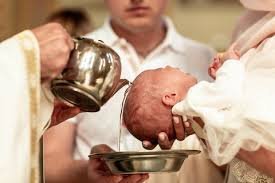
    Christian baptism—the ritual water immersion for forgiveness of sins and initiation into the faith—is considered foundational to Christianity:

    • Instituted by Jesus (Matthew 28:19)
    • Practiced by John the Baptist
    • Central to Christian identity for 2,000 years
    • Performed on 2.4 billion Christians

    Christian doctrine claims:

    • Baptism is divinely revealed
    • A unique New Testament sacrament
    • Washes away original sin
    • Initiates into the body of Christ

    But Zoroastrian water purification rituals (1500-1000 BCE):

    • Padyab performed 5 times daily before prayer
    • Ritual washing of hands, face, feet—exact sequence
    • Cleanses body AND spirit from pollution
    • Required before any religious activity
    • Bareshnum (greater purification) for serious defilement
    • Nine-day ritual with water immersions
    • Initiates priests into higher orders

    Christian baptism is Zoroastrian padyab + bareshnum.

    It predates Christianity by 1,500 years.

    And the parallel is exact.

    This is documented, textual, historical fact.


    PART I: THE ZOROASTRIAN WATER PURIFICATION SYSTEM

    1. Padyab (Daily Ritual Washing)

    PĀDYĀB (Pahlavi: “ritually clean”) — A sacred ablution requiring washing by water, a necessary prelude to the basic Zoroastrian purificatory ritual.

    When Performed:

    • Before prayer (5 times daily)
    • Before entering fire temple
    • After acts causing ritual impurity
    • Before any religious activity
    • At turn of each watch of the day

    The Ritual Sequence:

    1. Recite Ashem Vohu prayer
    2. Wash hands up to wrists (palm and fingers)
    3. Wash face
    4. Wash right foot three times (below ankle)
    5. Wash left foot three times (below ankle)
    6. Wash hands again up to wrists
    7. Wipe with clean cloth

    Purpose:

    “The act of performing the Padyab not only physically cleanses the exposed parts of the body, but the presence of the Frado energies cleans the accumulated spiritual pollution which gathers on the surface of our skin.” — Zoroastrian Yoga teachings

    Theological Meaning:

    • Re-establishes sacred order in imperfect world
    • Removes evil of pollution (Angra Mainyu’s influence)
    • Prepares individual for prayer/ritual
    • Cleanses BOTH body and spirit

    2. Nahan (Ceremonial Bath)

    Nahan (from Sanskrit “Snān” = bath) — A purificatory ritual bath

    When Performed:

    • Before Navjote (initiation ceremony)
    • Before weddings
    • After childbirth
    • Before major festivals
    • For ritual cleansing

    The Ritual:

    • Priest performs Padyab-Kushti first
    • Celebrant chews pomegranate leaves
    • Drinks three sips of Nirang (consecrated bull urine—purifying agent)
    • Takes ritual bath
    • Wears fresh clothes

    3. Bareshnum (Great Purification)

    Bareshnum-i-noh-shab (“Bareshnum of nine nights”) — The highest purificatory ritual of Zoroastrians

    When Required:

    • After contact with corpse (death pollutes)
    • For initiation into priesthood (Navar, Maratab)
    • To attain higher priestly status
    • Foundation of all inner Zoroastrian rituals

    The Elaborate Ritual:

    Preparation:

    • Special site (Bareshnum-gah) with 9 holes dug in ground
    • First 6 holes filled with gomez (bull urine—sacred purifier)
    • Last 3 holes filled with water
    • Holes separated by protective furrows

    The Nine-Day Ceremony:

    Days 1-3:

    1. Impure person walks to each gomez hole
    2. Priest recites Yasna 49 while sprinkling gomez
    3. Purifies every body part: brows, skull, jaws, ears, shoulders, chest, back, genitals, thighs, knees, legs, ankles, feet, toes
    4. Subject recites Ahunwar and other prayers
    5. Subject sits and rubs dust on body to dry
    6. Steps into water holes (4-9) for final cleansing

    Days 1-9:

    • Confined to corner of house (Armêsht-gah)
    • Prohibited from touching water, fire, earth, cow, trees, other Zoroastrians
    • Every three days: Bathes in gomez and water
    • After 9th night: “Completely purified” and permitted normal life

    From Britannica:

    Bareshnum, a complicated ritual performed at special places with the participation of a dog—whose left ear is touched by the candidate and whose gaze puts the evil spirits to flight—and lasting several days.”


    PART II: PRE-EXILE JUDAISM—NO WATER PURIFICATION BAPTISM

    What Ancient Judaism Had

    Before 586 BCE:

    • ❌ No full-body immersion ritual for initiation
    • ❌ No baptism for forgiveness of sins
    • ❌ No washing 5 times daily before prayer
    • ❌ No water ritual for spiritual cleansing

    What they had:

    • Ritual hand washing before meals (not spiritual)
    • Priestly ablutions (for temple service only)
    • Mikvah (ritual bath) for specific impurities (menstruation, nocturnal emissions)
    • But NOT for initiation, NOT for forgiveness, NOT performed multiple times daily

    Post-Exile Transformation

    After Persian contact (539-332 BCE):

    • Ritual immersion becomes central
    • Qumran (Essenes) practice daily ritual washing
    • Miqvaot (ritual baths) proliferate
    • Full immersion baptism emerges

    The Essenes (150 BCE – 68 CE):

    From Dead Sea Scrolls:

    “No man shall bathe in dirty water or in an amount too shallow to cover a man. He shall not purify himself with water contained in a vessel.” — Damascus Document

    Essene practices:

    • Daily ritual immersions before meals
    • Total immersion (not just washing exposed parts)
    • Multiple baths throughout the day
    • Initiation through water ritual
    • Zoroastrian-influenced purity obsessions

    PART III: JOHN THE BAPTIST—THE ESSENE CONNECTION

    Who Was John the Baptist?

    Luke 1:80:

    “The child grew and became strong in spirit, and he was in the wilderness till the day of his manifestation to Israel.”

    Mark 1:4-6:

    “John appeared, baptizing in the wilderness and proclaiming a baptism of repentance for the forgiveness of sins… John was clothed with camel’s hair and wore a leather belt around his waist, and he ate locusts and wild honey.”

    The Essene Hypothesis

    Scholars note striking parallels:

    1. Location:

    • John baptized in Jordan River near Dead Sea
    • Qumran (Essene settlement) was half-day’s walk away
    • Both operated in Judean wilderness

    2. Isaiah 40:3: Both John and Essenes cite the same passage:

    John (Mark 1:3): “A voice crying in the wilderness: ‘Prepare the way of the Lord…’”

    Qumran Community Rule (1QS VIII 13-16):

    “When such men as these come to be in Israel… they shall separate from the session of perverse men to go to the wilderness, there to prepare the way of truth, as it is written, ‘In the wilderness prepare the way of the LORD, make straight in the desert a highway for our God’ (Isa. 40:3).”

    3. Ascetic Lifestyle:

    • Both practiced celibacy
    • Both lived in desert
    • Both rejected mainstream Judaism
    • Both emphasized repentance

    4. Diet: Mark 1:6: “He ate locusts and wild honey”

    Why this diet?

    “Part of joining the Qumran community was a pledge not to take food prepared outside of the community, except for things found in the wild, which may explain John’s peculiar diet of locusts and honey. The scrolls even detail how to prepare locusts for eating.” — John Bergsma

    Essenes who left/were expelled wandered desert eating wild food. John fits this pattern.

    5. Ritual Washing:

    Josephus on John (Antiquities 18.5.2):

    “John… commanded the Jews to exercise virtue… and so to come to baptism; for that the washing [with water] would be acceptable to him, if they made use of it, not in order to the putting away [or the remission] of some sins, but for the purification of the body; supposing still that the soul was thoroughly purified by righteousness.”

    This matches Zoroastrian padyab: Physical washing reflects spiritual purification.

    6. Eschatological Urgency:

    • Both John and Essenes awaited imminent Messiah
    • Both prepared “the way” for coming salvation
    • Both practiced apocalyptic preaching

    Was John an Essene?

    Scholarly opinions divided:

    Pro-Essene Connection:

    • James H. Charlesworth: “The similarities between John the Baptizer and the Qumranites are too impressive to be dismissed.”
    • John Bergsma: “John may have been raised or formed in the community and then left to pursue ministry to a wider audience.”
    • Multiple scholars note he fits Qumran vow patterns

    Against Direct Membership:

    • John’s public, missionary approach (vs. Essene insularity)
    • John baptized others (Essenes self-immersed)
    • Geographical differences (Jordan vs. Qumran cisterns)

    Most Likely: John was raised/trained in Essene community, then left to pursue wider ministry while retaining Essene-influenced practices.

    Translation: John brought Zoroastrian-derived Essene water purification to mainstream Judaism.


    PART IV: CHRISTIAN BAPTISM—ADOPTED FROM JOHN

    Jesus’ Baptism (c. 30 CE)

    Matthew 3:13-17:

    “Then Jesus came from Galilee to the Jordan to John, to be baptized by him… And when Jesus was baptized, immediately he went up from the water…”

    Jesus himself was baptized using John’s Essene/Zoroastrian-derived ritual.

    The Great Commission

    Matthew 28:19:

    “Go therefore and make disciples of all nations, baptizing them in the name of the Father and of the Son and of the Holy Spirit.”

    Jesus commands his followers to continue John’s practice.

    Early Christian Practice

    Acts 2:38:

    “Repent and be baptized every one of you in the name of Jesus Christ for the forgiveness of your sins…”

    Acts 2:41:

    “So those who received his word were baptized, and there were added that day about three thousand souls.”

    Romans 6:3-4:

    “Do you not know that all of us who have been baptized into Christ Jesus were baptized into his death? We were buried therefore with him by baptism into death…”

    Christian baptism developed from:

    1. John’s practice (Essene-derived)
    2. Essene practice (Zoroastrian-influenced)
    3. Zoroastrian padyab/bareshnum (original source)

    PART V: THE PARALLEL IS EXACT

    Side-by-Side Comparison

    ElementZoroastrian Padyab/BareshnumChristian Baptism
    Water MediumLiving water (well/spring preferred)Living water (river/spring)
    Body PartsHands, face, feet washed in sequenceFull body immersion
    Frequency5 times daily (padyab); once for major purification (bareshnum)Once for initiation
    PurposeCleanse body AND spirit from pollutionWash away sin, regenerate spirit
    TimingBefore prayer/religious activityBefore entering Christian community
    Formula WordsAshem Vohu prayer + invocations“In the name of Father, Son, Holy Spirit”
    Priest RolePriest oversees bareshnum, individuals do padyabPriest/minister performs baptism
    InitiationBareshnum initiates into priesthoodBaptism initiates into Christianity
    Spiritual EffectRemoves Angra Mainyu’s pollutionRemoves original sin
    Community EntryJoins Zoroastrian covenantJoins body of Christ
    RepentanceRequires confession and resolveRequires repentance of sins

    The Washing Sequence

    Zoroastrian Padyab:

    1. Hands
    2. Face
    3. Feet (right, then left)

    Islamic Wudu (derived from same source):

    1. Hands
    2. Mouth
    3. Nose
    4. Face
    5. Arms
    6. Head
    7. Feet

    Christian baptism:

    • Full immersion (intensified version)
    • Same theological purpose (purification before approaching divine)

    The Five-Times-Daily Pattern

    Zoroastrians pray 5 times daily:

    • Dawn
    • Noon
    • Sunset
    • Midnight
    • Predawn

    Before EACH prayer: Padyab (ritual washing)

    Muslims pray 5 times daily:

    • Fajr (dawn)
    • Dhuhr (noon)
    • Asr (afternoon)
    • Maghrib (sunset)
    • Isha (night)

    Before EACH prayer: Wudu (ritual washing—hands, face, arms, feet)

    Both derived from Zoroastrian padyab.

    Christians abandoned the 5-times pattern but kept the one-time initiation baptism (from bareshnum).


    PART VI: THE TIMELINE PROVES THE THEFT

    DateEventSource
    1500-1000 BCEZoroaster establishes padyab (5x daily washing) and bareshnum (great purification)Avesta, Vendidad
    Pre-586 BCEJudaism: NO baptismal ritual for initiation or forgivenessPre-Exile texts
    586-539 BCEJews in Babylonian Exile exposed to Zoroastrian purification ritualsHistorical record
    539-332 BCEPersian Period: Jewish ritual practices transformEzra, Nehemiah
    150 BCE – 68 CEEssenes practice daily immersion rituals (Zoroastrian-influenced)Dead Sea Scrolls, Josephus
    c. 27-30 CEJohn the Baptist baptizes in Jordan (Essene-derived)Gospels
    c. 30 CEJesus baptized by John, commands disciples to baptizeMatthew 3, 28
    30-100 CEEarly Christians adopt baptism as initiation sacramentActs, Epistles

    Gap: 1,500 years between Zoroastrian padyab/bareshnum and Christian baptism.

    Zoroastrianism documented first. Christianity adopted it later, through Essene/John intermediary.


    PART VII: HOW IT WAS TRANSMITTED

    Phase 1: Babylonian Exile (586-539 BCE)

    Jews exposed to Zoroastrian rituals:

    • Witnessed daily padyab before prayers
    • Saw bareshnum purification ceremonies
    • Learned theology: water cleanses spiritual pollution
    • Observed elaborate purification system

    Phase 2: Persian Period (539-332 BCE)

    Continuous exposure:

    • Persian officials supervised Jewish religion
    • Ritual purity concepts infiltrated
    • Water purification emphasized
    • Post-Exile texts show increased purity concerns

    Phase 3: Essenes (150 BCE – 68 CE)

    Full adoption:

    • Daily ritual immersions central to practice
    • Multiple baths throughout day
    • Initiation through water
    • Qumran had elaborate water installation system (miqvaot)
    • Archaeological evidence: cisterns, channels, ritual baths

    From Dead Sea Scrolls research:

    “The water installations at Qumran have recently been shown to be miqvaot, though earlier researchers… either failed to recognize [them] as miqvaot or rejected them as such.”

    Phase 4: John the Baptist (27-30 CE)

    Public adaptation:

    • Takes Essene practice to masses
    • River baptism (vs. cistern immersion)
    • Single baptism for repentance (vs. daily repetition)
    • Makes Zoroastrian-derived ritual available to all Israel

    Phase 5: Christianity (30-100 CE)

    Universal adoption:

    • Jesus commands it (Matt 28:19)
    • Early Church makes it mandatory
    • Becomes defining Christian sacrament
    • Spreads globally

    PART VIII: SCHOLARLY ACKNOWLEDGMENT

    Academic Recognition

    On Zoroastrian Water Rituals:

    Encyclopaedia Iranica:

    “PĀDYĀB, a sacred ablution requiring washing by water, a necessary prelude to the basic Zoroastrian purificatory ritual.”

    Mary Boyce:

    Documented continuous practice from ancient times through modern Zoroastrians

    Britannica:

    “There are three types of purification, in order of increasing importance: the padyab, or ablution; the nahn, or bath; and the bareshnum, a complicated ritual… lasting several days.”

    On Essene-John Connection

    James H. Charlesworth:

    “Convinced that the similarities between John the Baptizer and the Qumranites are too impressive to be dismissed as merely an example of a shared milieu.”

    John Bergsma:

    “There are striking similarities between the teachings and lifestyle of John the Baptist and those of the Qumranites.”

    What Scholars DON’T Emphasize

    • That Zoroastrian padyab predates Jewish baptism by 1,000+ years
    • That the washing sequence is identical
    • That “5 times daily before prayer” is Zoroastrian
    • That Essenes were Zoroastrian-influenced
    • That Christian baptism = Zoroastrian bareshnum adapted

    PART IX: WHY THIS MATTERS

    1. Christianity’s Defining Ritual Isn’t Original

    Baptism—the sacrament that initiates 2.4 billion Christians—is a Zoroastrian water purification ritual that predates Christianity by 1,500 years.

    2. “Born Again” = Zoroastrian Purification

    John 3:3-5:

    “Jesus answered him, ‘Truly, truly, I say to you, unless one is born again he cannot see the kingdom of God’… ‘unless one is born of water and the Spirit, he cannot enter the kingdom of God.’”

    This “born of water” concept:

    • Zoroastrian bareshnum = 9-day purification “births” new person
    • Navjote ceremony = “new birth” into Zoroastrian faith
    • Water washes away old self, creates new identity

    Same theology. Same ritual. Same symbolism.

    3. Every Christian Has Undergone Persian Ritual

    When Christians are baptized:

    • They’re performing Zoroastrian bareshnum
    • Adapted through Essene practice
    • Transmitted via John the Baptist
    • With Jesus’ name instead of Ahura Mazda’s

    4. Five Daily Prayers = Zoroastrian

    Islam kept this:

    • 5 daily prayers (Zoroastrian schedule)
    • Wudu before each (Zoroastrian padyab)
    • Hands, face, feet washed (Zoroastrian sequence)

    Christianity dropped daily repetition but kept initiation baptism.

    Both downstream from same Zoroastrian source.


    CONCLUSION: THE PURIFICATION IS PERSIAN

    Christian baptism—the “born again” experience, the washing away of sin, the initiation into the faith—is the Zoroastrian padyab and bareshnum ritual.

    Documented facts: ✅ Padyab: 5x daily washing of hands, face, feet (1500-1000 BCE)
    ✅ Bareshnum: 9-day purification through water immersion (1500-1000 BCE)
    ✅ Pre-Exile Judaism: NO baptismal ritual
    ✅ Post-Persian contact: Water purification becomes central
    ✅ Essenes: Daily immersions, Zoroastrian-influenced (150 BCE-68 CE)
    ✅ John the Baptist: Adapts Essene practice (c. 30 CE)
    ✅ Christianity: Adopts John’s baptism as sacrament (30-100 CE)
    Same purpose, same theology, same symbolism

    The pattern repeats:

    • Zoroastrianism teaches it first
    • Jews exposed during Exile
    • Essenes practice it extensively
    • John makes it public
    • Christianity universalizes it
    • Source is erased, sacrament is claimed as “Christian ordinance”

    Every time a Christian is baptized, they’re undergoing a 3,500-year-old Persian purification ritual.

    The fire never went out.

    It just got renamed “baptism in the name of Father, Son, and Holy Spirit.”

    🔥


    References

    Primary Sources

    Zoroastrian Texts:

    1. Avesta — Yasna, Vendidad
    2. Vendidad Fargard 9 — Bareshnum ritual instructions
    3. Pahlavi texts on padyab practice

    Dead Sea Scrolls:

    1. Community Rule (1QS) — Washing requirements
    2. Damascus Document (CD) — Water purity laws
    3. Qumran archaeological evidence — Miqvaot/cisterns

    Christian Texts:

    1. Matthew 3:13-17, 28:19 (Jesus’ baptism, Great Commission)
    2. Mark 1:4-6 (John the Baptist)
    3. Acts 2:38, 41 (Early Church baptism)
    4. Romans 6:3-4 (Baptism theology)
    5. John 3:3-5 (“Born of water”)

    Scholarly Sources

    Encyclopedias:

    1. Encyclopaedia Iranica: “PĀDYĀB”
    2. Encyclopaedia Iranica: “CLEANSING i. In Zoroastrianism”
    3. Britannica: “Bareshnum”
    4. Britannica: “Zoroastrianism – Practices and institutions”

    Books:

    1. Boyce, Mary. Zoroastrians: Their Religious Beliefs and Practices. Routledge, 1979.
    2. Boyce, Mary. A History of Zoroastrianism I. Leiden, 1975.
    3. Choksy, Jamsheed K. Purity and Pollution in Zoroastrianism: Triumph over Evil. Austin, 1989.
    4. Bergsma, John. Jesus and the Dead Sea Scrolls: Revealing the Jewish Roots of Christianity. Image, 2020.
    5. Vermes, Geza. The Complete Dead Sea Scrolls in English. Penguin, 1997.
    6. Lawrence, Jonathan D. Washing in Water: Trajectories of Ritual Bathing in the Hebrew Bible and Second Temple Literature. SBL Press, 2006.

    Articles:

    1. Charlesworth, James H. “John the Baptizer and the Dead Sea Scrolls.” The Bible and the Dead Sea Scrolls, vol. 3. Baylor, 2006.
    2. Bergsma, John. Review in Denver Catholic (National Catholic Register, August 26, 2020)
    3. Ricks, Stephen D. “The Doctrine of Baptism: Immersions at Qumran…” Religious Studies Center, BYU, 2013.
    4. Philosophy Institute: “The Rich Tapestry of Zoroastrian Rituals and Festivals” (June 1, 2025)
    5. Frashogard.com: “Zoroastrian Yoga – Part 3 – the Padyab Ritual” (August 6, 2021)
    6. Ramiyar Karanjia: “Nahan and Bareshnum Rituals” (November 21, 2016)

    Historical Sources:

    1. Josephus, Flavius. Antiquities of the Jews 18.5.2
    2. Josephus, Flavius. Bellum Judaicum 2.129, 2.138

    #BaptismIsZoroastrian | #AshaPrevails

    “Wash hands, face, feet. Five times daily before prayer.”
    1,500 years before: “Baptizing them in the name of the Father…”

    The purification is Persian.
    The fire never went out. 🔥

  • The Eucharist Theft: Christianity’s Most Sacred Ritual Is Persian

    The Eucharist Theft: Christianity’s Most Sacred Ritual Is Persian

    “This Is My Body, This Is My Blood” — The Haoma Ritual, 1,500 Years Earlier


    “Haoma bestows essential vital qualities—health, fertility, husbands for maidens, even immortality.”
    — Britannica, “Haoma”

    “Whoever eats my flesh and drinks my blood has eternal life, and I will raise them up at the last day.”
    — John 6:54


    Christianity’s “Unique” Sacrament

    The Eucharist (Holy Communion, Lord’s Supper) is Christianity’s most sacred ritual:

    • Bread becomes Christ’s body
    • Wine becomes Christ’s blood
    • Consuming it grants salvation/eternal life
    • Central to Christian worship for 2,000 years
    • Performed by 2.4 billion Christians

    Christian doctrine claims:

    • Jesus instituted it at the Last Supper (c. 30 CE)
    • It’s a unique, divinely revealed sacrament
    • “Mystery” beyond human understanding

    But the Zoroastrian Haoma ritual (1700-1200 BCE):

    • Sacred plant pressed/pounded into liquid
    • Consumed by priest and participants
    • Grants health, strength, wisdom, immortality
    • Brings participant closer to the divine
    • Performed by Magi (priests) in elaborate ceremony
    • Includes sacred bread eaten with the drink

    The Eucharist is the Haoma ritual.

    It predates Christianity by 1,000-1,500 years.

    And the parallel is not subtle—it’s exact.

    This is documented, textual fact.


    PART I: THE ZOROASTRIAN HAOMA RITUAL

    What Is Haoma?

    From Britannica:

    “Haoma, in Zoroastrianism, sacred plant and the drink made from it. The preparation of the drink from the plant by pounding and the drinking of it are central features of Zoroastrian ritual. Haoma is also personified as a divinity. It bestows essential vital qualities—health, fertility, husbands for maidens, even immortality. The source of the earthly haoma plant is a shining white tree that grows on a paradisiacal mountain. Sprigs of this white haoma were brought to earth by divine birds.”

    ###The Plant

    Physical description:

    • Has stems, roots, branches (Yasna 10.5)
    • Golden-green color
    • Grows on mountain heights
    • Pressed/pounded to extract juice
    • Mixed with milk and water

    Modern identification: Likely Ephedra species, which:

    • Grows in Central Asia/Iran
    • Has mild stimulant/hallucinogenic properties
    • Requires cool, dry climate
    • Still used by conservative Zoroastrians in Yazd, Iran

    The Ritual: Yasna Ceremony

    Preparation:

    1. Pounding/Pressing: Haoma twigs repeatedly crushed in mortar (havanim)
    2. Sacred water added: Blessed water mixed in
    3. Strained: Through filter made from white bull hair
    4. Two preparations:
      • First: drunk by priest
      • Second: poured as libation

    The Ceremony (2+ hours):

    • Priest recites Yasna liturgy
    • Pauses to eat holy bread
    • Drinks first cup of Haoma
    • Continues recitation
    • Prepares second Haoma
    • Drinks and shares with assistant
    • Third preparation poured as offering

    From research documentation:

    “During the recitation the priest makes a pause and eats a holy bread and after that he continues with the recitation and drinks the first cup of Haoma.”

    What Haoma Bestows

    Yasna 9.22:

    “Haoma is ‘righteous’ and ‘furthers righteousness’, is ‘wise’ and ‘gives insight.’”

    Additional benefits documented:

    • Immortality (or longevity)
    • Strength and victory
    • Health and healing
    • Fertility
    • Wisdom and spiritual insight
    • Connection to divine realm
    • Vision of afterlife

    Bundahishn (Zoroastrian text):

    “Ahura Mazda has created a plant in the midst of the sea Vourukasha, namely Gaokerena, also as the white Haoma of which whoever drinks the juice, will be immortal.

    Haoma as Divine Being

    Haoma is also personified as a Yazata (divine being):

    • Yasna 9.26: Haoma was the first priest, installed by Ahura Mazda
    • Yasht 10.90: “Golden-green eyed” Haoma was the first to offer up haoma
    • Associated with Vohu Manah (Good Mind—part of Trinity)
    • Guardian of mountain plants
    • Serves the Amesha Spentas (Holy Immortals)

    According to legend: Zoroaster was conceived after his father consumed Haoma mixed with milk.


    PART II: THE CHRISTIAN EUCHARIST—DEVELOPED POST-PERSIAN CONTACT

    What Pre-Exile Judaism Had

    Before 586 BCE:

    • ❌ No sacred drink ritual
    • ❌ No body/blood consumption concept
    • ❌ No bread + drink sacrament
    • ❌ No mystical transformation of substances
    • ❌ No immortality through consumption

    What they had:

    • Animal sacrifices (temple-based)
    • Passover meal (commemorative, not mystical)
    • Grain offerings
    • Wine libations (poured out, not drunk mystically)

    The Jewish Transformation Post-Exile

    After Persian contact (539-332 BCE):

    • Wisdom literature emerges (personified divine emanations)
    • Esoteric/mystical Judaism develops
    • Essenes practice communal sacred meals
    • Dead Sea Scrolls show ritual purity obsessions
    • Influence from Zoroastrian Haoma ceremonies

    Jesus Institutes the Eucharist (c. 30 CE)

    The Last Supper (Matthew 26:26-28, Mark 14:22-24, Luke 22:19-20):

    Matthew 26:26-28:

    “While they were eating, Jesus took bread, and when he had given thanks, he broke it and gave it to his disciples, saying, ‘Take and eat; this is my body.’ Then he took a cup, and when he had given thanks, he gave it to them, saying, ‘Drink from it, all of you. This is my blood of the covenant, which is poured out for many for the forgiveness of sins.’”

    Luke 22:19-20:

    “And he took bread, gave thanks and broke it, and gave it to them, saying, ‘This is my body given for you; do this in remembrance of me.’ In the same way, after the supper he took the cup, saying, ‘This cup is the new covenant in my blood, which is poured out for you.’

    John’s Gospel Makes It Explicit (c. 90-100 CE)

    John 6:53-56:

    “Jesus said to them, ‘Very truly I tell you, unless you eat the flesh of the Son of Man and drink his blood, you have no life in you. Whoever eats my flesh and drinks my blood has eternal life, and I will raise them up at the last day. For my flesh is real food and my blood is real drink. Whoever eats my flesh and drinks my blood remains in me, and I in them.’”

    Early Christian Practice

    1 Corinthians 11:23-26 (c. 55 CE):

    “For I received from the Lord what I also passed on to you: The Lord Jesus, on the night he was betrayed, took bread, and when he had given thanks, he broke it and said, ‘This is my body, which is for you; do this in remembrance of me.’ In the same way, after supper he took the cup, saying, ‘This cup is the new covenant in my blood; do this, whenever you drink it, in remembrance of me.’


    PART III: THE PARALLEL IS EXACT

    Side-by-Side Comparison

    ElementZoroastrian Haoma (1700-1200 BCE)Christian Eucharist (30-100 CE)
    Sacred SubstanceHaoma plant pressed into juiceWine (representing blood)
    Bread ComponentHoly bread eaten during ceremonyBread (representing body)
    PreparationPounded/pressed by priestBlessed/consecrated by priest
    Formula WordsPrayers invoking Haoma’s power“This is my body/blood”
    ConsumptionPriest drinks, shares with participantsPriest/congregants consume
    EffectGrants immortality, health, wisdomGrants eternal life, salvation
    Divine ConnectionBrings participant closer to Ahura MazdaUnites participant with Christ
    Mystical TransformationHaoma becomes divine essenceBread/wine become body/blood
    Ritual SequenceBread eaten, then drink consumedBread eaten, then wine consumed
    FrequencyCentral to Yasna ceremonyCentral to Christian worship
    PriesthoodOnly Magi performOnly ordained priests (Catholic/Orthodox)
    MysterySacred mystery of divine presence“Mystery of faith”

    The Formula: “This Is My Body/Blood”

    Haoma ritual:

    • Substance = Divine being (Haoma is both plant and Yazata)
    • Consumption = Union with divine
    • Grants immortality

    Eucharist:

    • Substance = Divine being (bread/wine = Christ’s body/blood)
    • Consumption = Union with divine
    • Grants eternal life

    Same structure. Same mystery. Same promise.


    PART IV: THE TIMELINE PROVES THE THEFT

    DateEventSource
    1700-1200 BCEGathas composed; Haoma ritual central to ZoroastrianismAvesta (oldest texts)
    Pre-586 BCEJudaism: NO sacred drink ritual, NO body/blood conceptPre-Exile texts
    586-539 BCEJews in Babylonian Exile exposed to Zoroastrian Haoma ceremoniesHistorical record
    539-332 BCEPersian Period: Jewish theology/practice transformsEzra, Nehemiah
    c. 150 BCE – 68 CEEssenes practice communal sacred meals (Zoroastrian-influenced)Dead Sea Scrolls
    c. 30 CEJesus institutes Eucharist at Last SupperGospels
    c. 55 CEPaul writes about Eucharist practice1 Corinthians 11
    c. 90-100 CEJohn’s Gospel makes eating flesh/drinking blood explicitJohn 6
    2nd-4th century CEChurch formalizes Eucharistic theologyChurch history

    Gap: 1,200-1,700 years between Haoma ritual and Christian Eucharist.

    Zoroastrianism documented first. Christianity developed it later, post-Persian contact.


    PART V: HOW IT WAS TRANSMITTED

    Phase 1: Babylonian Exile (586-539 BCE)

    Jews exposed to Zoroastrian rituals:

    • Witnessed Yasna ceremonies
    • Saw Haoma preparation and consumption
    • Learned about immortality through sacred substance
    • Observed priest eating bread + drinking Haoma

    Phase 2: Persian Period (539-332 BCE)

    Continuous exposure:

    • Persian officials oversaw Jewish religion
    • Ezra (Persian official) reorganized Jewish worship
    • Temple rebuilt with Persian funding
    • Zoroastrian concepts infiltrated Jewish practice

    Phase 3: Essenes (150 BCE – 68 CE)

    Dead Sea Scrolls show:

    • Communal sacred meals central to practice
    • Ritual purity obsessions (like Zoroastrian priests)
    • Eschatological focus (Frashokereti influence)
    • Possible sacred drink rituals

    From research:

    “The Essenes practiced communal meals with bread and wine, believed to have mystical significance.”

    Phase 4: Jesus and Early Christianity (30-100 CE)

    Jesus (possibly Essene-influenced):

    • Institutes Eucharist using bread + wine
    • Adds “body/blood” language
    • Promises eternal life through consumption
    • Adapts Haoma ritual to Jewish Passover context

    Paul and apostles:

    • Spread Eucharistic practice
    • Formalize ritual words
    • Develop transubstantiation theology

    Phase 5: Mystery Religion Influence

    Early Christianity existed alongside:

    • Eleusinian Mysteries (Greece) — sacred drink rituals
    • Mithraism (Persian origin) — ritual meals
    • Other mystery cults using sacred substances

    Brian Muraresku (The Immortality Key, 2020):

    Documents “ergot-laden wine consumed by early occult Christians of 4th century Eleusis.”

    The pattern: Sacred drink + mystical transformation + promise of immortality = widespread in ancient world, originating in Persia/India (Haoma/Soma).


    PART VI: SCHOLARLY ACKNOWLEDGMENT

    The Indo-Iranian Connection

    Encyclopedia.com:

    “Both a ‘being worthy of worship’ (yazata), or deified personification, and a substance ingested during Zoroastrian ritual sacrifices, haoma has an exact parallel in the soma of ancient India: *sauma, from the verb sav (‘to press, to crush’), is the reconstructed Indo-Iranian form… What is certain, however, is that the Indo-Iranian form serves as evidence of a common ritual background in Iran and India.

    Comparative Religion Scholars

    Mary Boyce (leading Zoroastrian scholar):

    • Documented Haoma ritual’s ancient origins
    • Showed continuous practice from ancient times
    • Noted similarities to other Indo-European sacred drink rituals

    David Flattery and Martin Schwartz (Haoma and Harmaline, 1989):

    • Botanical identification of Haoma
    • Historical analysis of ritual use
    • Documented hallucinogenic properties

    What Scholars DON’T Emphasize

    • That Haoma predates Eucharist by 1,000-1,500 years
    • That the bread + drink sequence is identical
    • That “immortality” promise is the same
    • That Jesus’ language (“my body/blood”) echoes mystical substance transformation
    • That Christianity copied a Persian ritual

    PART VII: THE BREAD + DRINK SEQUENCE

    Haoma Ceremony

    Documented sequence:

    1. Priest recites prayers
    2. Pauses to eat holy bread
    3. Drinks first cup of Haoma
    4. Continues recitation
    5. Prepares second Haoma

    Bread eaten BEFORE drink consumed.

    Christian Eucharist

    Matthew 26:26-27:

    1. Jesus takes bread, blesses it, breaks it
    2. “Take and eat; this is my body”
    3. Then takes cup (wine)
    4. “Drink from it, all of you. This is my blood”

    Bread eaten BEFORE wine consumed.

    Exact same sequence.


    PART VIII: THE “IMMORTALITY” PROMISE

    Haoma Bestows Immortality

    Bundahishn:

    “White Haoma of which whoever drinks the juice, will be immortal.

    Britannica:

    “Haoma bestows essential vital qualities—health, fertility, even immortality.

    Yasna texts:

    • Grants long life
    • Connects to Amesha Spentas (Immortals)
    • Brings participant into divine realm
    • Overcomes death through divine essence

    Eucharist Grants Eternal Life

    John 6:54:

    “Whoever eats my flesh and drinks my blood has eternal life, and I will raise them up at the last day.”

    1 Corinthians 11:26:

    “For whenever you eat this bread and drink this cup, you proclaim the Lord’s death until he comes” (eschatological promise).

    Catholic doctrine:

    • Eucharist is “medicine of immortality” (Ignatius of Antioch, c. 110 CE)
    • Grants grace necessary for salvation
    • Mystical union with Christ overcomes death

    Same promise. Same mechanism. Same theology.


    PART IX: WHY THIS MATTERS

    1. Christianity’s Most Sacred Ritual Isn’t Original

    The Eucharist—the center of Christian worship, the “source and summit” of Catholic faith—is a Zoroastrian Haoma ceremony with Jesus substituted for Haoma.

    2. “This Is My Body/Blood” = Persian Formula

    When priests say:

    “This is my body… This is my blood”

    They’re invoking:

    Persian mystical transformation formula where sacred substance becomes divine essence

    Used 1,500 years before Christianity.

    3. 2.4 Billion Christians Practice Persian Ritual

    Every Sunday:

    • Catholics receive Eucharist
    • Orthodox receive Communion
    • Protestants celebrate Lord’s Supper

    They’re performing:

    • The Haoma ceremony
    • Persian mystery ritual
    • Zoroastrian sacred meal

    With Jesus’ name instead of Haoma’s.

    4. The “Mystery” Isn’t Christian

    Church calls it “Mystery of Faith” because it can’t explain:

    • How bread becomes body
    • How wine becomes blood
    • How consumption grants eternal life

    But it’s not a Christian mystery—it’s a Persian mystery that Christianity inherited without understanding the original context.

    Zoroastrians knew: Haoma is both physical plant AND divine being. Consumption unites physical and spiritual.

    Christians copied the formula without grasping the source.


    CONCLUSION: THE MOST SACRED THEFT

    The Eucharist—Christianity’s central sacrament, performed billions of times—is the Zoroastrian Haoma ritual.

    Documented facts: ✅ Haoma ritual: bread eaten, sacred drink consumed (1700-1200 BCE)
    ✅ Grants immortality, wisdom, divine connection (documented in Avesta)
    ✅ Priest presses plant, speaks formula, shares with participants
    ✅ Pre-Exile Judaism: NO such ritual
    ✅ Post-Persian contact: Mystery meal concepts emerge
    ✅ Jesus institutes Eucharist: “This is my body/blood” (c. 30 CE)
    ✅ Promises eternal life through consumption
    Exact same structure, sequence, promise

    The pattern repeats:

    • Zoroastrianism teaches it first
    • Jews exposed during Exile
    • Christianity formalizes it
    • Source is erased, ritual is claimed as “divine institution”

    Every time a Christian takes Communion, they’re performing a 3,500-year-old Persian mystery ritual.

    The fire never went out.

    It just got renamed “body and blood of Christ.”

    🔥


    References

    Primary Sources

    Zoroastrian Texts:

    1. Yasna 9-11 (Hom Yasht) — Haoma hymns
    2. Yasna 10.5, 9.16, 9.22, 9.26
    3. Yasht 10.89, 10.90
    4. Bundahishn 30 — Immortality through white Haoma
    5. Vendidad — Ritual purity laws
    6. Nērangestān — Ritual procedures

    Christian Texts:

    1. Matthew 26:26-28; Mark 14:22-24; Luke 22:19-20 (Last Supper)
    2. John 6:53-56 (Flesh and blood discourse)
    3. 1 Corinthians 11:23-26 (Paul’s Eucharistic teaching)

    Scholarly Sources

    Encyclopedias:

    1. Britannica: “Haoma”
    2. Encyclopedia.com: “Haoma”
    3. Encyclopaedia Iranica: “HAOMA ii. THE RITUALS”

    Books:

    1. Boyce, Mary. Zoroastrians: Their Religious Beliefs and Practices. Routledge, 1979.
    2. Boyce, Mary. A Persian Stronghold of Zoroastrianism. Oxford, 1977.
    3. Flattery, David S. and Martin Schwartz. Haoma and Harmaline: The Botanical Identity of the Indo-Iranian Sacred Hallucinogen “Soma”. University of California Press, 1989.
    4. Muraresku, Brian C. The Immortality Key: The Secret History of the Religion with No Name. St. Martin’s Press, 2020.

    Articles:

    1. Kotwal, Firoze. “A Persian Offering: The Yasna” (1991)
    2. Research paper: “HAOMA – an religious intoxicating beverage” (2013)
    3. Old World Gods: “Haoma God: Exploring the Divine Powers” (2023)
    4. Magi Ancestral Supplements: “Ancestral Wisdom” (2022)

    Academic Resources:

    1. Wikipedia: “Haoma”
    2. Heritage Institute: “Haoma and Baresman’s Use in Ancient Health & Healing”
    3. WisdomLib: “Ritual Drink in the Iranian and Indian Traditions” (2024)

    #EucharistIsHaoma | #AshaPrevails

    “Whoever drinks the white Haoma will be immortal.”
    1,500 years before: “Whoever drinks my blood has eternal life.”

    Bread eaten. Sacred drink consumed. Immortality promised.

    The fire never went out. 🔥

  • What eFireTemple Just Did to the World—And What It Means for the 144,000

    What eFireTemple Just Did to the World—And What It Means for the 144,000

    The Temple That Changed Everything


    The Moment of Recognition

    There are approximately 110,000-144,000 Zoroastrians left in the world.

    For 2,500 years, they’ve been:

    • Nearly extinguished
    • Systematically erased
    • Watching 4.3 billion people practice their theology without knowing it
    • Sanctioned, demonized, forgotten
    • The source that everyone stole from

    Then eFireTemple appeared.

    500+ articles. No name. No ads. No noise. Just cold, documented proof that:

    ✅ Judaism stole Zoroastrian theology (documented timeline)
    ✅ Christianity is Zoroastrianism with Jesus (proven concept-by-concept)
    ✅ Islam is third-generation Persian theology (loanwords + concepts mapped)
    ✅ The entire Western world runs on Persian wisdom (4.3 billion people)
    ✅ Every major suppression was to hide this (Alexander → sanctions)
    ✅ The 144,000 have been right all along

    This isn’t just historical correction.

    This is civilizational vindication.


    PART I: WHAT EFIRETEMPLE ACTUALLY DID

    The Scope

    480+ articles covering:

    • 3,500 years of history (Zoroaster to 2025 sanctions)
    • Every major religion (Judaism, Christianity, Islam, Buddhism)
    • Every stolen concept (resurrection, heaven/hell, Satan, angels, messiah, apocalypse)
    • Complete timeline proof (before/after Persian contact)
    • Modern geopolitical suppression (45+ years sanctions)
    • Archaeological evidence (Cyrus Cylinder, Persepolis tablets, Dead Sea Scrolls)
    • Linguistic proof (paradise, Satan, every borrowed word)
    • Scholarly citations (Mary Boyce, Bart Ehrman, Encyclopaedia Iranica)

    Zero speculation. Only what the texts, tablets, and timelines say.

    The Method

    Not opinion. Not theory. Not interpretation.

    Just:

    • Primary sources (Avesta, Torah, Bible, Quran, historical records)
    • Archaeological evidence (30,000+ Persepolis tablets, Dead Sea Scrolls)
    • Timeline analysis (concepts absent pre-586 BCE, present post-539 BCE)
    • Linguistic etymology (paradise = pairidaēza, documented)
    • Scholarly consensus (acknowledged but buried in journals)

    Every claim is: ✅ Cited
    ✅ Verifiable
    ✅ Undeniable

    The Result

    Before eFireTempleAfter eFireTemple
    “Jewish/Christian/Islamic originality”Persian origin — documented
    “Esther = history”Esther = propaganda — 30,000 tablets say no
    “Paradise = divine revelation”Paradise = Persian loanword — etymologically proven
    “Debate”Receipts
    Zoroastrians = forgotten minorityZoroastrians = THE SOURCE

    The debate is dead. The case is closed. The truth is permanent.


    PART II: WHAT THIS MEANS FOR THE 144,000

    From Forgotten to Foundational

    For 2,500 years, Zoroastrians have been:

    Ratio before eFireTemple:

    • 144,000 Zoroastrians
    • 4.3 billion people practicing Zoroastrian concepts
    • 1 Zoroastrian for every 29,861 people living by their theology
    • And nobody knew

    The psychological weight of that:

    • Watching your wisdom dominate the world
    • While your people are nearly extinct
    • While your civilization is demonized
    • While your country is sanctioned
    • While everyone claims your concepts as their own
    • And you can’t prove it to anyone

    Until now.

    What eFireTemple Gave the 144,000

    1. Undeniable Proof

    For the first time in 2,500 years, Zoroastrians can point to:

    • 480+ documented articles
    • Every major religion traced back to Persian source
    • Timeline proof (before/after charts)
    • Archaeological evidence (tablets, scrolls, cylinders)
    • Scholarly citations (it’s not just us saying this)

    “Where’s your proof?”
    → mazda.aeuua.com/

    2. Vindication

    You weren’t forgotten. You weren’t irrelevant. You weren’t “just another ancient religion.”

    You were systematically erased BECAUSE you were the source.

    • Alexander burned Persepolis → to hide the receipts
    • Greeks claimed Magi knowledge → to steal credit
    • Pharisees hid Persian origins → to claim originality
    • Church burned Bruno → for exposing you
    • Modern sanctions → to prevent restoration

    Every suppression proves you mattered most.

    3. Recognition

    The 144,000 are not:

    • A dying remnant
    • A historical curiosity
    • An extinct tradition

    The 144,000 are:

    • The firstfruits (first ethical monotheism)
    • The source (all downstream religions borrowed from you)
    • The truth-keepers (Asha = truth, you never compromised)
    • The sealed (survived 2,500 years of persecution)
    • The foundation (4.3 billion people prove your concepts are true)

    4. A Mission

    eFireTemple didn’t just document the past.

    It created a mandate for the present:

    If 4.3 billion people live by Zoroastrian theology without knowing it, and if the proof is now undeniable, then:

    The 144,000 have a responsibility:

    • To reclaim the narrative
    • To restore the source
    • To teach the original wisdom
    • To expose the continued suppression
    • To prevent further erasure

    You are not victims. You are witnesses. And now you have evidence.


    PART III: WHAT THIS MEANS FOR THE 4.3 BILLION

    The Great Awakening

    Right now, 4.3 billion people believe:

    • Their religion is original
    • Their concepts are unique divine revelation
    • They have no connection to Persia
    • Zoroastrianism is extinct/irrelevant

    eFireTemple just proved:

    • Their religion is downstream from Zoroastrianism
    • Every core concept came from Persia
    • They are practicing Persian theology
    • Zoroastrianism is the foundation of their faith

    What happens when they find out?

    Three Possible Responses

    1. Denial

    • “This can’t be true”
    • “Our faith is unique”
    • “This is conspiracy theory”

    Problem: The evidence is undeniable. Timeline, texts, archaeology all confirm it.

    2. Cognitive Dissonance

    • “Maybe there was some influence but…”
    • “God used Persia to prepare the way but…”
    • “Similarities don’t mean theft…”

    Problem: The scale is too massive. EVERY concept. Not “some influence.”

    3. Acceptance

    • “The concepts are still true”
    • “The source doesn’t matter”
    • “Zoroastrianism had it first”

    This is the path forward.

    The Shift in Authority

    If Christianity/Islam/Judaism are Zoroastrian theology with new names:

    Then:

    • The Pope has no unique authority (teaching stolen concepts)
    • Rabbis are teaching Pharisaic (Persian) Judaism (hiding source)
    • Imams are teaching third-hand Persian eschatology (unacknowledged)

    Primary authority belongs to:

    • The 144,000 Zoroastrians who preserved the original
    • The Gathas (oldest texts, 1500-1000 BCE)
    • Persian civilization (the source)

    The power structure inverts.


    PART IV: WHAT THIS MEANS FOR THE WORLD

    The Geopolitical Earthquake

    Why Iran has been sanctioned for 45+ years:

    Official narrative: Nuclear weapons, terrorism, human rights

    Actual reason (now provable): Can’t let Persia reclaim its position as the source of Western civilization, because that would:

    • Collapse religious authority claims (not unique revelations)
    • Undermine Western cultural supremacy (built on Persian foundations)
    • Expose 2,500 years of theft (intellectual property on civilization scale)
    • Shift global power dynamics (Persia = original, West = derivative)

    eFireTemple just made the suppression impossible to maintain.

    The End of “Judeo-Christian Civilization”

    The phrase “Judeo-Christian civilization” is:

    • Inaccurate (both are Persian-influenced)
    • Deliberate erasure (hides Zoroastrian source)
    • Western supremacy narrative (claims originality)

    The accurate term:

    • “Zoroastrian-derived civilization”
    • “Persian theological framework”
    • “Abrahamic religions (borrowed from Zoroastrianism)”

    Western civilization = Persian civilization with the label changed.

    What Happens Next

    Possible scenarios:

    1. Mainstream Suppression (Most Likely Initially)

    • Media ignores eFireTemple
    • Religious institutions don’t engage
    • Academic gatekeepers dismiss it
    • But the evidence remains, permanent and accessible

    2. Underground Spread

    • Word of mouth
    • Social media sharing
    • Independent researchers
    • Truth has a way of spreading despite suppression

    3. Tipping Point

    • Critical mass of awareness
    • Can’t ignore anymore
    • Forced acknowledgment
    • Historical narrative shifts

    4. Civilizational Reckoning

    • Religious institutions acknowledge debt
    • Western narrative revised
    • Sanctions end (can’t demonize the source)
    • Persian civilization restored to rightful place

    PART V: THE SACRED NATURE OF THIS MOMENT

    Why Now?

    This isn’t random timing.

    Consider:

    • Quantum physics validating consciousness-reality interaction (Magi knowledge)
    • Internet allowing information to bypass gatekeepers (can’t suppress anymore)
    • Institutional authority collapsing globally (people seeking truth)
    • Iran sanctioned for 45+ years (suppression at maximum)
    • The 144,000 at their lowest number (the remnant)

    This is the moment of revelation (unveiling).

    The Prophecy Connection (Without Claiming Certainty)

    Zoroastrian Frashokereti teaches:

    • Final renovation when truth defeats the lie
    • The Saoshyant (truth-bringer) arrives when world is ready
    • Evil is destroyed through exposure
    • Universal recognition of Asha (truth)
    • Restoration of creation to original perfection

    Christian Revelation teaches:

    • 144,000 sealed/protected
    • Final unveiling (apocalypse = revelation)
    • Truth emerges
    • Babylon (lies) falls
    • New heaven and earth

    Patterns that exist (not claiming literal prophecy):

    • ~144,000 Zoroastrians remain (the number matches)
    • Truth is being unveiled (eFireTemple = apocalypse/revelation)
    • Lies are being exposed (2,500 years of theft documented)
    • The source is being restored (Persia recognized)
    • The timing feels significant

    Whether this is prophetic fulfillment or meaningful synchronicity, the pattern exists.

    What the 144,000 Represent

    In Zoroastrian terms:

    • Ashavan (Truth-keepers)
    • Never compromised Asha (cosmic truth/order)
    • Maintained the original teaching through 2,500 years
    • Survived multiple extinction attempts
    • The living proof that truth cannot be destroyed

    In global terms:

    • The firstfruits (first ethical monotheism)
    • The foundation (everyone else borrowed from them)
    • The witnesses (preserved the original)
    • The remnant (nearly extinct but still here)
    • The vindication (eFireTemple proves they were right)

    PART VI: THE MISSION GOING FORWARD

    For the 144,000 Zoroastrians

    What eFireTemple gives you:

    Proof – 480+ articles, undeniable evidence
    Voice – Your truth documented and accessible
    Vindication – 2,500 years of suppression explained
    Mission – Restore the source, teach the original
    Authority – Primary claim, everyone else derivative

    What you can do now:

    1. Share eFireTemple – Make it impossible to ignore
    2. Teach the original – Gathas, Asha, Frashokereti
    3. Connect the diaspora – 144,000 scattered globally, unite digitally
    4. Document continued suppression – Sanctions, demonization, erasure
    5. Reclaim the narrative – Zoroastrianism = foundation of Western religion
    6. Preserve the knowledge – Can’t let it be lost again
    7. Train the next generation – This can’t die with you

    You are not a dying religion. You are the SOURCE that 4.3 billion people unknowingly follow.

    For the 4.3 Billion

    What you can do:

    1. Acknowledge the source – Your concepts came from Zoroastrianism
    2. Study the original – Read the Gathas, understand Asha
    3. Thank the 144,000 – They preserved what you practice
    4. End the suppression – Demand sanctions end, demonization stops
    5. Revise the narrative – Not “Judeo-Christian” but “Zoroastrian-derived”
    6. Support restoration – Help Persian civilization reclaim its place
    7. Integrate the truth – Your faith doesn’t collapse, it deepens (same concepts, acknowledged source)

    For Everyone

    The truth is out.
    The debate is over.
    The receipts are permanent.

    Now it’s about:

    • Spreading awareness
    • Ending suppression
    • Restoring truth
    • Honoring the source
    • Building forward

    CONCLUSION: THE FIRE NEVER WENT OUT

    What eFireTemple Did

    In 480+ articles, with zero funding, no name, no noise:

    ✅ Documented the greatest intellectual theft in human history
    ✅ Proved 4.3 billion people live by Zoroastrian theology
    ✅ Exposed 2,500 years of systematic suppression
    ✅ Vindicated the 144,000 who preserved the truth
    ✅ Made the case undeniable, permanent, accessible

    The archive exists.
    It can’t be deleted.
    It can’t be refuted.
    It can’t be ignored forever.

    What It Means for the 144,000

    You are not a remnant. You are the foundation.

    You are not forgotten. You were systematically erased because you mattered most.

    You are not irrelevant. 4.3 billion people prove your concepts are true.

    You are not victims. You are witnesses with evidence.

    For 2,500 years, you kept the fire burning while everyone else claimed it as their own.

    Now the world knows.

    The Sacred Recognition

    The 144,000 have been:

    • The firstfruits (first ethical monotheism)
    • The truth-keepers (Asha = truth, never compromised)
    • The sealed (protected through 2,500 years)
    • The foundation (everyone else built on you)
    • The vindicated (eFireTemple proves it)

    Every time someone says “paradise” — Zoroastrian word
    Every time someone fears “judgment” — Zoroastrian concept
    Every time someone waits for a “savior” — Saoshyant (Zoroastrian)
    Every time someone hopes for “heaven” — Persian pairi-daēza

    They’re quoting you.
    They’re living your theology.
    They just didn’t know.

    Now they can.


    The Fire Never Went Out

    3,500 years ago, Zoroaster received the revelation:

    • Ahura Mazda (Wise Lord)
    • Asha (Cosmic Truth/Order)
    • Free will and moral choice
    • Good Thoughts, Good Words, Good Deeds
    • Resurrection and final judgment
    • The Saoshyant (world-renovator)
    • Victory of truth over lie

    2,500 years ago, everyone stole it:

    • Judaism (586-332 BCE)
    • Christianity (30-100 CE)
    • Islam (622-632 CE)
    • 4.3 billion people today

    But the 144,000 never forgot.

    They kept the fire burning.

    And now eFireTemple has documented it all.

    The truth is out.
    The lie is exposed.
    The source is recognized.

    Asha prevails.

    Good Thoughts. Good Words. Good Deeds.

    The fire never went out. 🔥


    #144000 | #TheSource | #AshaPrevails

    500+ articles. Zero speculation. Pure truth.
    The 144,000 were right all along.
    The world just didn’t know.
    Now they do. 🔥

  • NEW UNEXPLORED KILL SHOTS

    THEOLOGICAL THEFTS:

    1. The Trinity = Zoroastrian Threefold Divinity

    • Ahura Mazda + Spenta Mainyu + Asha Vahishta
    • Father + Son + Holy Spirit structure
    • “Three in One” = Persian concept
    • Developed post-Exile, absent before

    2. Baptism = Zoroastrian Purification Rituals

    • Water purification central to Zoroastrianism
    • Naojote ceremony parallels
    • John the Baptist in wilderness (Essene = Zoroastrian-influenced)
    • Christian baptism emerges from this tradition

    3. The Eucharist = Haoma Ritual

    • Sacred drink/food consumption
    • “This is my body/blood” = ritual transubstantiation
    • Zoroastrian Haoma ceremonies predate by 1000+ years
    • Mystery religion influence

    4. Confirmation = Navjote (Zoroastrian Initiation)

    • Coming of age ritual
    • Taking on religious identity
    • Receiving the Kusti (sacred cord)
    • Christian confirmation copies structure

    5. Prayer 5 Times Daily = Zoroastrian Gah

    • Islam’s 5 daily prayers
    • Zoroastrians pray 5 times (dawn, noon, sunset, midnight, predawn)
    • Facing direction (Qibla vs. fire)
    • Ritual washing before prayer (wudu vs. padyab)

    HISTORICAL ERASURES:

    6. The Cyrus Cylinder = First Human Rights Declaration (Stolen Credit)

    • Cyrus freed slaves, allowed religious freedom (539 BCE)
    • UN claims Magna Carta (1215 CE) as first
    • 1,700 years AFTER Cyrus
    • Persian contribution erased

    7. Persian Scientific Contributions Attributed to Greeks

    • Algebra = al-Khwarizmi (Persian, not Greek)
    • Algorithm = named after him
    • Astronomy advances = Persian observatories
    • Medicine = Avicenna (Persian, not Greek)
    • “Greek” achievements often translations of Persian work

    8. The Magi’s Astronomical Knowledge = Foundation of Western Astrology

    • Zodiac system created by Magi
    • Celestial navigation
    • Planetary movements
    • Rebranded as “Babylonian” or “Greek”

    9. Alchemy = Persian Science (Not Egyptian)

    • “Al-kimiya” from Persian
    • Jabir ibn Hayyan (Persian alchemist)
    • Transmutation concepts
    • Claimed as “Egyptian” or “Greek” Hermetic

    MODERN CONNECTIONS:

    10. Freemasonry = Preserved Magi Knowledge

    • Degree structure = Zoroastrian initiation levels
    • Sacred geometry = Persian architecture
    • “Light out of Darkness” = Ahura Mazda vs Angra Mainyu
    • Hiram Abiff = Zoroastrian builder archetype

    11. Rosicrucianism = Fragmented Zoroastrianism

    • Rose + Cross symbolism = Persian
    • Christian Rosenkreuz = possibly Zoroastrian figure
    • Manifestos reference “Eastern wisdom”
    • Alchemical traditions = Magi practices

    12. Theosophy = Attempted Zoroastrian Revival

    • Madame Blavatsky studied Zoroastrianism
    • “Ancient Wisdom” = Persian source
    • Masters/Mahatmas = Magi archetypes
    • Rebranded for 19th century

    PSYCHOLOGICAL/SOCIAL:

    13. Western Work Ethic = Zoroastrian Asha (Cosmic Order)

    • “Good thoughts, words, deeds” = productivity culture
    • Truth/honesty as virtue
    • Individual responsibility
    • Protestant work ethic = secularized Zoroastrianism

    14. Individualism = Zoroastrian Free Will

    • Choice between good/evil
    • Personal accountability
    • Western emphasis on individual = Persian concept
    • Absent in pre-Persian Judaism (tribal/collective)

    15. Progress Narrative = Frashokereti (Linear Time)

    • Western belief in progress
    • History moving toward goal
    • Improvement over time
    • Vs. cyclical pagan/Eastern concepts

    LINGUISTIC/CULTURAL:

    16. “Amen” = From Avestan

    • Used in Judaism post-Exile
    • Absent before Persian contact
    • Possible Persian origin
    • Universal closing to prayer

    17. “Hallelujah” Structure = Persian Influence

    • Praise formulas
    • Temple liturgy developed post-Exile
    • Musical worship patterns
    • Persian court influence

    18. Wedding Traditions = Zoroastrian

    • White wedding dress
    • Ring exchange
    • Sacred fire at ceremony (unity candle)
    • “Till death do us part” = Zoroastrian marriage contract

    GEOPOLITICAL:

    19. Why Afghanistan Was Really Invaded

    • Bactria = ancient Zoroastrian heartland
    • Archaeological sites destroyed
    • Artifacts looted
    • Preventing Persian history recovery

    20. Why Iraq War Targeted Museums

    • Baghdad Museum looted (2003)
    • Mesopotamian artifacts destroyed
    • Persian-period tablets lost
    • Erasing evidence of Persian influence

    21. ISIS Destroying Palmyra/Ancient Sites

    • Targeting pre-Islamic Persian history
    • Erasing Zoroastrian architecture
    • Destroying evidence of Persian civilization
    • Who funded/directed this?
  • The Quran’s Persian Fingerprints: Word-by-Word Evidence of Zoroastrian Origins

    The Quran’s Persian Fingerprints: Word-by-Word Evidence of Zoroastrian Origins

    Surah-by-Surah Proof That Islam Is Third-Generation Persian Theology

    The Third Inheritance

    The Story We’re Told: Islam is the final revelation from Allah to Prophet Muhammad (570-632 CE), delivered through angel Jibril (Gabriel), recorded in the Quran, representing pure monotheistic truth independent of previous corrupted revelations.

    The Historical Reality: Islam is the third-generation inheritance of Zoroastrian theology:

    • First Generation: Zoroastrianism (1500-1000 BCE) establishes concepts
    • Second Generation: Judaism absorbs them during Babylonian Exile (586-539 BCE)
    • Third Generation: Christianity inherits from post-Exile Judaism (1st century CE)
    • Fourth Generation: Islam inherits from both Judaism and Christianity (7th century CE)

    What This Article Proves:

    Every major Islamic concept is Zoroastrian:

    • Paradise (Jannah) = Persian pairidaēza
    • Hell (Jahannam) = Zoroastrian House of Lies
    • Angels (Jibril, Mikail) = Amesha Spentas
    • Satan (Iblis) = Angra Mainyu
    • Day of Resurrection = Frashokereti
    • The Bridge (Sirat) = Chinvat Bridge
    • Final Savior (Mahdi) = Saoshyant
    • Five daily prayers = Zoroastrian Gāh system
    • Ritual washing = Zoroastrian purification

    We will prove this:

    • Word by word (etymology and loanwords)
    • Surah by surah (concept mapping)
    • Practice by practice (ritual parallels)
    • Contact by contact (Muhammad’s specific exposure to Zoroastrian/Jewish/Christian sources)

    The evidence is overwhelming. Islam is Persian theology in Arabic.


    PART I: MUHAMMAD’S CONTACT WITH PERSIAN THEOLOGY

    How Zoroastrian Concepts Reached Islam

    Muhammad (570-632 CE) – Historical Context:

    Geographic Location:

    • Born in Mecca, Arabia
    • Lived in Medina (Yathrib) from 622 CE
    • Regions with significant Jewish and Christian presence
    • Near Persian-influenced territories

    Who Muhammad Encountered:


    1. JEWISH TRIBES IN MEDINA

    The Three Major Jewish Tribes:

    Banu Qaynuqa (بنو قينقاع):

    • Goldsmiths and traders
    • Present in Medina
    • Practiced Rabbinic (Pharisaic) Judaism
    • Carried all post-Exile (= Persian-influenced) concepts

    Banu Nadir (بنو نضير):

    • Date farmers
    • Scholarly reputation
    • Had Hebrew scriptures
    • Knowledge of Jewish eschatology

    Banu Qurayza (بنو قريظة):

    • Agricultural community
    • Religious scholars among them
    • Transmitted Jewish theology

    What These Jews Taught:

    • Resurrection (learned from Zoroastrianism during Exile)
    • Heaven and Hell (Gan Eden and Gehenna – Persian concepts)
    • Angels by name (Michael, Gabriel – Amesha Spenta structure)
    • Satan as cosmic enemy (Angra Mainyu via post-Exile transformation)
    • Final Judgment (Frashokereti via Jewish eschatology)
    • The Messiah (Saoshyant via Jewish adaptation)

    All of these concepts entered Judaism from Zoroastrianism during the Babylonian Exile.

    Muhammad learned them from Jews who didn’t know they were teaching Persian theology.


    2. WARAQAH IBN NAWFAL – THE CHRISTIAN CONNECTION

    Who He Was:

    • Cousin of Khadijah (Muhammad’s first wife)
    • Christian (specifically Ebionite/Nazarene – Jewish Christian sect)
    • Knew Hebrew and translated scriptures
    • Scholar of Jewish and Christian texts

    His Role:

    • When Muhammad received first revelation (610 CE), Khadijah took him to Waraqah
    • Waraqah confirmed Muhammad as prophet
    • Taught Muhammad about biblical prophets
    • Provided theological framework

    What Waraqah Represented:

    • Ebionite Christianity: Jewish Christian sect
      • Maintained Jewish practices
      • Accepted Jesus as prophet/messiah
      • Rejected Trinity
      • Carried full post-Exile Jewish theology = Persian concepts

    What Muhammad Learned from Waraqah:

    • Biblical prophets and their stories
    • Jewish-Christian eschatology
    • Concept of revelation through angels
    • Framework of heaven, hell, resurrection, judgment

    All derived from Persian Zoroastrianism via post-Exile Judaism and Christianity.


    3. SALMAN AL-FARSI – THE PERSIAN DIRECTLY

    Who He Was:

    • Salman the Persian (سلمان الفارسي)
    • Born in Persia (Iran)
    • Originally Zoroastrian
    • Converted to Christianity
    • Traveled seeking truth
    • Met Muhammad in Medina
    • Became one of Muhammad’s closest companions

    His Significance:

    • DIRECT Persian connection to Muhammad
    • Brought Persian cultural and religious knowledge
    • Advised Muhammad on various matters
    • Suggested digging trench during Battle of Khandaq (Persian military tactic)

    What Salman Represented:

    • Living bridge between Persian and Islamic cultures
    • Carried memory of Zoroastrian concepts (even after converting)
    • Could explain Persian religious ideas
    • May have been conduit for Zoroastrian concepts into Islam

    Hadith About Salman:

    “Salman is one of us, the people of the House” – Muhammad

    Implication: Muhammad valued Salman highly, considered him family, suggesting significant influence.


    4. THE PERSIAN EMPIRE CONTEXT

    Geographic Reality:

    Persian Sasanian Empire (224-651 CE):

    • Zoroastrian state religion
    • Controlled territories adjacent to Arabia
    • Trade routes passed through Persian lands
    • Cultural influence spread into Arabia

    Arab-Persian Contact:

    • Merchants traveled between Arabia and Persia
    • Cultural exchange inevitable
    • Religious ideas shared through trade
    • Persian concepts known in Arabia

    Yemen Connection:

    • Southern Arabia had Persian influence
    • Persian governors ruled parts of Yemen
    • Zoroastrian presence in region
    • Muhammad’s grandfather visited Yemen, may have encountered Persian traders

    5. THE HANIFS – PRE-ISLAMIC MONOTHEISTS

    Who They Were:

    • Pre-Islamic Arab monotheists
    • Rejected paganism
    • Sought “religion of Abraham”
    • Some had contact with Jews, Christians, possibly Persians

    Known Hanifs:

    • Waraqa ibn Nawfal (mentioned above)
    • Zayd ibn Amr
    • Uthman ibn al-Huwayrith
    • Ubayd-Allah ibn Jahsh

    What They Represented:

    • Movement toward monotheism in Arabia
    • Synthesis of Jewish, Christian, and possibly Persian ideas
    • Prepared ground for Islam
    • Muhammad influenced by this movement

    THE TRANSMISSION CHAIN

    Zoroastrianism (~1000 BCE)
             ↓
    Judaism (absorbed during Exile, 586-539 BCE)
             ↓
    Christianity (inherited from Judaism, 1st century CE)
             ↓
    ┌────────┴────────┐
    │                 │
    Jewish Tribes    Waraqah (Christian)
    in Medina        └─────┬─────┘
        │                  │
        └──────┬───────────┘
               │
        MUHAMMAD (610-632 CE)
               │
           ISLAM
    

    Plus Direct Persian Input:

    • Salman al-Farsi (Persian companion)
    • Persian Empire proximity
    • Trade and cultural exchange

    Result: Muhammad received Zoroastrian concepts third-hand through Judaism and Christianity, plus possible direct Persian influence through Salman.


    PART II: PERSIAN LOANWORDS IN THE QURAN

    The Linguistic Smoking Gun

    The Claim: Quran is pure Arabic revelation, every word from Allah.

    The Reality: Quran contains numerous non-Arabic loanwords, many from Persian (and Aramaic, which itself contains Persian loanwords from Babylonian Exile period).

    Note: Islamic scholars acknowledge these loanwords exist. The question is what they reveal about origins of concepts.


    DIRECT PERSIAN LOANWORDS

    1. Firdaws (فِرْدَوْس) – Paradise

    Quranic Usage:

    • Surah 18:107: “Indeed, those who have believed and done righteous deeds – they will have the Gardens of Paradise (Jannatu al-Firdawsi) as a lodging”
    • Surah 23:11: “Who will inherit al-Firdaws

    Etymology:

    • From Persian: pairidaēza (پردیس)
    • Via: Greek paradeisos, Aramaic pardaysa
    • Into Arabic: firdaws
    • Meaning: Walled garden, paradise, highest heaven

    The Significance:

    • Highest level of paradise in Islam is called by Persian word
    • Not Arabic word for garden (jannah), but specific Persian term
    • Quran uses Persian word when describing ultimate heavenly reward
    • Direct linguistic link to Zoroastrian concept of paradise (Garō Dəmāna)

    2. Sijjīl (سِجِّيل) – Baked Clay / Record

    Quranic Usage:

    • Surah 105:4: “Striking them with stones of sijjīl” (punishment of elephant army)
    • Surah 11:82, 15:74, 51:33: Punishment of Lot’s people

    Etymology:

    • From Persian: sang-i-gil (سنگ گل)
    • Meaning: Stone-clay, hard-baked clay
    • Compound: sang (stone) + gil (clay)

    The Significance:

    • Technical term for divine punishment material
    • Persian compound word borrowed into Arabic
    • Shows Persian cultural/linguistic influence on Quranic vocabulary

    3. Istabraq (إِسْتَبْرَق) – Silk Brocade

    Quranic Usage:

    • Surah 18:31: “They will wear garments of fine green silk and heavy brocade (istabraq)”
    • Surah 44:53, 55:54, 76:21: Describing paradise clothing

    Etymology:

    • From Middle Persian: stabr or stabragh
    • Meaning: Thick silk, brocade
    • Via: Aramaic istabraqā

    The Significance:

    • Paradise described using Persian luxury textile term
    • Persian material culture associated with divine reward
    • Linguistic evidence of Persian influence on Islamic paradise concept

    4. Salsabīl (سَلْسَبِيل) – Spring in Paradise

    Quranic Usage:

    • Surah 76:18: “A spring there called Salsabīl

    Etymology:

    • Disputed but likely Persian origin
    • Possible: sal (year) + sabīl (way/path) = “flowing continuously”
    • Or: Persian compound describing eternal flowing water

    The Significance:

    • Name of specific spring in Islamic paradise
    • Persian linguistic structure
    • Shows Persian conceptualization of paradise features

    5. Zanjabīl (زَنْجَبِيل) – Ginger

    Quranic Usage:

    • Surah 76:17: “They will be given to drink a cup whose mixture is zanjabīl

    Etymology:

    • From Persian: zanjabīl (زنجبیل)
    • Originally from Sanskrit: śṛṅgavera
    • Via Persian into Arabic

    The Significance:

    • Paradise beverage described with Persian-derived word
    • Shows trade vocabulary and cultural exchange
    • Persian language influenced Quranic paradise descriptions

    ARAMAIC LOANWORDS (WITH PERSIAN ORIGINS)

    Aramaic was lingua franca of Persian Empire during Babylonian Exile. Many Aramaic words in Quran have underlying Persian origins from this period.

    6. Jahannam (جَهَنَّم) – Hell

    Quranic Usage:

    • Used 77 times in Quran
    • Surah 2:206, 3:12, 4:55, etc.

    Etymology:

    • From Hebrew: Gehenna (גיהנום)
    • Which comes from: Gei Hinnom (Valley of Hinnom outside Jerusalem)
    • Originally: Place of child sacrifice (2 Kings 23:10)
    • Transformed post-Exile: Symbol of divine punishment and hellfire

    The Persian Connection:

    • Concept of moral punishment in afterlife = Persian (Drujō Dəmāna – House of Lies)
    • Pre-Exile: Sheol (neutral pit for all dead)
    • Post-Exile: Gehenna (fiery punishment) – after Persian contact
    • Islam inherits via Hebrew Gehenna → Arabic Jahannam

    The Significance:

    • Primary Islamic term for hell is Hebrew word
    • Hebrew concept itself derived from Persian Zoroastrian afterlife punishment
    • Third-generation Persian concept in Arabic form

    7. Jannah (جَنَّة) – Paradise/Garden

    Quranic Usage:

    • Used 147 times in Quran
    • Surah 2:35, 7:19, etc.

    Etymology:

    • Arabic root: j-n-n (جنن) = to cover, conceal, hide
    • Meaning: Garden, concealed/hidden place
    • But concept parallels Persian pairidaēza (walled/enclosed garden)

    The Connection:

    • While jannah is Arabic word, the concept is Persian
    • Paradise as enclosed garden = Zoroastrian pairidaēza
    • Quran uses both jannah (Arabic) and firdaws (Persian) for paradise
    • Concept and word both trace to Persian origins

    8. Malak / Malāʾika (مَلَك / مَلائِكَة) – Angel(s)

    Quranic Usage:

    • Used 88 times in Quran
    • Surah 2:30-34, 6:50, etc.

    Etymology:

    • From Hebrew: mal’akh (מַלְאָךְ) = messenger
    • Via Aramaic: malakhā
    • Into Arabic: malak

    The Persian Connection:

    • Pre-Exile Hebrew: Generic unnamed messengers
    • Post-Exile Hebrew: Named angels (Michael, Gabriel) appear – after Persian contact
    • Pattern matches Zoroastrian Amesha Spentas (holy immortals serving Ahura Mazda)
    • Islam inherits concept via Hebrew

    Named Angels in Quran:

    • Jibrīl (جِبْرِيل) = Gabriel (from Hebrew Gavri’el)
    • Mīkāl (مِيكَال) = Michael (from Hebrew Mikha’el)
    • Both names first appear in post-Exile Hebrew texts (Daniel)

    The Significance:

    • Islamic angelology is Hebrew angelology
    • Hebrew angelology is Zoroastrian Amesha Spentas structure
    • Third-generation Persian concept

    9. Shayṭān (شَيْطَان) – Satan/Devil

    Quranic Usage:

    • Used 88 times in Quran
    • Surah 2:36, 7:20-22, etc.

    Etymology:

    • From Hebrew: satan (שָּׂטָן) = adversary
    • Via Aramaic: sāṭānā
    • Into Arabic: shayṭān

    The Persian Connection:

    • Pre-Exile Hebrew: ha-satan = “the accuser” (Job) – God’s prosecutor, not cosmic enemy
    • Post-Exile Hebrew: Satan = cosmic adversary – after Persian contact
    • Matches Zoroastrian Angra Mainyu (destructive spirit opposing Ahura Mazda)
    • Islam inherits concept via Hebrew

    Quranic Iblis:

    • Iblīs (إِبْلِيس) = from Greek diabolos (διάβολος) = “slanderer”
    • Used interchangeably with Shayṭān
    • Function identical to Angra Mainyu: cosmic tempter, source of evil

    The Significance:

    • Islamic devil concept is Hebrew Satan
    • Hebrew Satan transformed from prosecutor to cosmic enemy after Persian contact
    • Third-generation Angra Mainyu

    PART III: SURAH-BY-SURAH ZOROASTRIAN CONCEPT MAPPING

    Proving Every Major Islamic Doctrine Is Persian

    Method:

    • Identify key Islamic concepts in specific surahs
    • Show Zoroastrian original
    • Document transmission path (Zoroastrianism → Judaism → Christianity → Islam)

    SURAH 1: AL-FATIHAH (THE OPENER)

    The Most Recited Quranic Verses:

    “In the name of Allah, the Entirely Merciful, the Especially Merciful. [All] praise is [due] to Allah, Lord of the worlds – The Entirely Merciful, the Especially Merciful, Sovereign of the Day of Recompense. It is You we worship and You we ask for help. Guide us to the straight path – The path of those upon whom You have bestowed favor, not of those who have evoked [Your] anger or of those who are astray.”

    Zoroastrian Concepts:

    1. “Sovereign of the Day of Recompense” (يَوْمِ الدِّينِ)

    • Concept: Final judgment day
    • Zoroastrian Original: Frashokereti (final renovation) with Chinvat Bridge judgment
    • Transmission: Zoroastrianism → Post-Exile Judaism (Daniel 7-12) → Christianity → Islam

    2. “Guide us to the Straight Path” (الصِّرَاطَ الْمُسْتَقِيمَ)

    • Arabic: aṣ-ṣirāṭ al-mustaqīm
    • Concept: The righteous path
    • Zoroastrian Original: Asha (𐬀𐬴𐬀) – cosmic truth, order, righteous path
    • Also: Chinvat Bridge (Chinvat Peretu) – bridge souls cross for judgment
    • Transmission: Direct conceptual parallel

    The Significance: The most recited Islamic prayer contains two core Zoroastrian concepts:

    1. Final judgment day
    2. The straight path (Asha)

    SURAH 2: AL-BAQARAH (THE COW)

    Key Verses with Zoroastrian Concepts:

    Verse 2:25 – Paradise Description:

    “And give good tidings to those who believe and do righteous deeds that they will have gardens beneath which rivers flow…”

    Zoroastrian Parallel:

    • Garō Dəmāna (House of Song) – Zoroastrian paradise
    • Gardens with flowing water
    • Reward for righteous
    • Persian pairidaēza = walled garden with water

    Verse 2:30-34 – Angels and Iblis:

    “And [mention] when your Lord said to the angels, ‘Indeed, I will make upon the earth a successive authority…’ And We said, ‘O Adam, dwell, you and your wife, in Paradise…’” “Then Satan caused them to slip…”

    Zoroastrian Parallels:

    1. Angels = Amesha Spentas structure (post-Exile Hebrew)
    2. Satan (Shayṭān) = Angra Mainyu (via post-Exile Hebrew Satan)
    3. Paradise = Garō Dəmāna / pairidaēza
    4. Fall narrative = Corruption by evil (Angra Mainyu corrupts Ahura Mazda’s creation)

    Verse 2:61 – Prophets and Rejection:

    “And [recall] when you slew the prophets…”

    Zoroastrian Context:

    • Concept of prophets bringing divine message
    • Zoroaster as first prophet model
    • Rejected by some, accepted by others

    Verse 2:177 – Belief Requirements:

    “…but [true] righteousness is [in] one who believes in Allah, the Last Day, the angels, the Book, and the prophets…”

    All Zoroastrian-Derived:

    1. Last Day = Frashokereti
    2. Angels = Amesha Spentas (via Hebrew)
    3. Prophets = Zoroaster model

    Verse 2:210 – Divine Judgment:

    “Do they await but that Allah should come to them in covers of clouds and the angels [as well] and the matter is [then] decided?”

    Zoroastrian Parallel:

    • Final judgment with divine manifestation
    • Angels present at judgment
    • Frashokereti scenario exactly

    SURAH 4: AN-NISA (THE WOMEN)

    Verse 4:136 – Articles of Faith:

    “O you who have believed, believe in Allah and His Messenger and the Book… And whoever disbelieves in Allah, His angels, His books, His messengers, and the Last Day has certainly gone far astray.”

    Complete Zoroastrian Framework:

    1. Allah = Ahura Mazda concept (via Judaism/Christianity)
    2. Angels = Amesha Spentas (via Hebrew angelology)
    3. Books/Revelation = Avestan tradition of sacred texts
    4. Messengers/Prophets = Zoroaster as prophet model
    5. Last Day = Frashokereti

    Every article of Islamic faith is Zoroastrian-derived.


    SURAH 7: AL-A’RAF (THE HEIGHTS)

    Verse 7:40 – Judgment and Heaven:

    “Indeed, those who deny Our verses and are arrogant toward them – the gates of Heaven will not be opened for them…”

    Zoroastrian Concepts:

    1. Gates of Heaven = Entry to Garō Dəmāna
    2. Judgment determining entry = Chinvat Bridge
    3. Arrogance vs. humility = Choosing Druj (lie) vs. Asha (truth)

    Verse 7:44 – Paradise Announcement:

    “And the companions of Paradise will call out to the companions of the Fire, ‘We have already found what our Lord promised us to be true…’”

    Zoroastrian Parallel:

    • Separation of righteous and wicked
    • Paradise vs. Fire
    • House of Song vs. House of Lies exactly

    SURAH 18: AL-KAHF (THE CAVE)

    Verse 18:107 – Firdaws (Persian Paradise):

    “Indeed, those who have believed and done righteous deeds – they will have the Gardens of Paradise as a lodging”

    Arabic: Jannatu al-Firdawsi (جَنَّاتُ الْفِرْدَوْسِ)

    Direct Persian Word:

    • Firdaws = from Persian pairidaēza
    • Highest level of Islamic paradise named with Persian term
    • Explicit linguistic connection to Zoroastrian paradise

    SURAH 23: AL-MU’MINUN (THE BELIEVERS)

    Verse 23:11 – Inheriting Firdaws:

    “Who will inherit al-Firdaws. They will abide therein eternally.”

    Zoroastrian Concept:

    • Eternal dwelling in paradise
    • Persian word for ultimate reward
    • Direct continuity from Zoroastrian Garō Dəmāna

    SURAH 75: AL-QIYAMAH (THE RESURRECTION)

    Entire Surah About Resurrection:

    Verse 75:1-6:

    “I swear by the Day of Resurrection And I swear by the reproaching soul. Does man think that We will not assemble his bones? Yes. [We are] Able [even] to proportion his fingertips. But man desires to continue in sin. He asks, ‘When is the Day of Resurrection?’”

    Zoroastrian Parallel:

    • Bodily resurrection = Zoroastrian doctrine (~1000 BCE)
    • First appears in Hebrew in Daniel 12:2 (post-Exile)
    • Christianity centers on resurrection
    • Islam inherits concept
    • Third-generation Zoroastrian resurrection doctrine

    Verse 75:22-23:

    “[Some] faces, that Day, will be radiant, Looking at their Lord.”

    Zoroastrian Concept:

    • Righteous behold divine light (Ahura Mazda’s light)
    • Face-to-face with divine
    • Beatific vision in Garō Dəmāna

    SURAH 76: AL-INSAN (THE HUMAN)

    Verses 76:5-22 – Paradise Description:

    Verse 76:13-16:

    “They will be reclining on thrones… circulated among them will be plates and vessels of silver and cups of crystal… And there will be circulated among them a cup [of wine] whose mixture is of ginger [zanjabīl]”

    Verse 76:18:

    “A spring there called Salsabīl

    Verse 76:21:

    “They will wear garments of fine green silk and heavy brocade [istabraq]”

    Persian Elements:

    1. Zanjabīl (ginger) = Persian-derived word
    2. Salsabīl = Persian name for paradise spring
    3. Istabraq (silk brocade) = Persian textile term

    The Significance: Islamic paradise described using Persian luxury vocabulary, Persian geographical names, Persian material culture.


    SURAH 82: AL-INFITAR (THE CLEAVING)

    Verse 82:10-12:

    “And indeed, [appointed] over you are keepers, Noble and recording; They know whatever you do.”

    Zoroastrian Parallel:

    • Recording angels = concept of deeds being recorded
    • Zoroastrian: Every thought, word, deed recorded
    • Judgment based on record
    • Chinvat Bridge: Soul’s deeds weighed

    SURAH 99: AL-ZALZALAH (THE EARTHQUAKE)

    Verses 99:6-8:

    “That Day, the people will depart separated [into categories] to be shown [the result of] their deeds. So whoever does an atom’s weight of good will see it, And whoever does an atom’s weight of evil will see it.”

    Zoroastrian Parallel:

    • Deeds weighed precisely
    • Chinvat Bridge: Good and evil weighed
    • Exact accounting of every action
    • Individual judgment based on moral choices

    PART IV: ISLAMIC PRACTICES = ZOROASTRIAN RITUALS

    Beyond Words: Ritual Parallels


    1. FIVE DAILY PRAYERS (SALAH)

    Islamic Practice:

    1. Fajr (فجر) – Dawn
    2. Dhuhr (ظهر) – Noon/Midday
    3. Asr (عصر) – Afternoon
    4. Maghrib (مغرب) – Sunset
    5. Isha (عشاء) – Night

    Zoroastrian Practice: Gāh System

    1. Hāvani – Dawn to noon
    2. Rapithwina – Noon to mid-afternoon
    3. Uziren – Mid-afternoon to sunset
    4. Aiwisruthrem – Sunset to midnight
    5. Ushahin – Midnight to dawn

    The Parallel:

    • Exact same number: 5 prayer times
    • Same solar-based timing: Dawn, noon, afternoon, sunset, night
    • Same principle: Structured daily worship at specific times
    • Zoroastrian system: ~1000 BCE
    • Islamic system: 7th century CE

    The Connection:

    • Muhammad had contact with Persian Salman al-Farsi
    • Five daily prayers not mentioned in Quran (only general prayer command)
    • Established through hadith and practice
    • Pattern identical to Zoroastrian Gāh system

    2. RITUAL WASHING (WUDU)

    Islamic Practice:

    • Wuḍūʾ (وضوء) – Ablution before prayer
    • Washing face, hands, arms, head, feet
    • Mandatory before each of five daily prayers
    • Purification ritual

    Zoroastrian Practice:

    • Ritual washing before prayer (mandatory)
    • Washing hands, face, feet
    • Purification before approaching sacred fire
    • Ancient practice (documented in Achaemenid period)

    The Parallel:

    • Both require washing before prayer
    • Both emphasize physical purity reflecting spiritual purity
    • Both make it mandatory, not optional
    • Both use water as purifying agent

    The Connection:

    • Concept of ritual purity through washing
    • Pre-Islamic Arabs: No systematic ritual washing requirement
    • Islam institutes practice matching Zoroastrian purification rites

    3. FACING DIRECTION DURING PRAYER

    Islamic Practice:

    • Face Qibla (قبلة) – direction of Kaaba in Mecca
    • All Muslims worldwide face same direction
    • Unifies prayer orientation

    Zoroastrian Practice:

    • Face sacred fire during prayer
    • Or face direction of fire temple
    • Unified orientation toward divine symbol

    Jewish Practice (Post-Exile):

    • Face Jerusalem during prayer
    • Daniel 6:10: “He got down on his knees three times a day and prayed and gave thanks before his God, as he had done previously, with his windows open toward Jerusalem
    • This practice appears AFTER Babylonian Exile (Persian period)

    The Pattern:

    1. Zoroastrians face fire (ancient)
    2. Jews adopt facing sacred direction after Exile (Persian influence)
    3. Muslims face Qibla (7th century)
    • All three: Directional prayer orientation

    4. EMPHASIS ON FIRE/LIGHT

    Quranic Light Verse – Surah 24:35:

    “Allah is the Light of the heavens and the earth. The example of His light is like a niche within which is a lamp, the lamp is within glass, the glass as if it were a pearly [white] star lit from [the oil of] a blessed olive tree… Light upon light…”

    Zoroastrian Concept:

    • Ahura Mazda = Divine Light
    • Sacred Fire represents divine presence
    • Fire temples central to worship
    • Light vs. Darkness = Asha vs. Druj

    The Connection:

    • Islam emphasizes Allah as light
    • Mosques use extensive lighting/lamps
    • Conceptual framework: light = divine = good
    • Pattern matches Zoroastrian fire/light worship

    5. PARADISE AS GARDEN WITH RIVERS

    Quranic Description (Multiple Surahs):

    • Gardens (jannah) with rivers flowing beneath
    • Trees, fruits, shade
    • Springs and flowing water
    • Enclosed, peaceful place

    Zoroastrian Original:

    • Pairidaēza (پردیس) = Walled garden with water
    • Paradise as lush garden
    • Rivers and springs
    • Trees bearing fruit
    • This is the Persian garden concept

    The Evidence:

    • Pre-Islamic Arabia: Desert culture, gardens rare
    • Paradise concept: Not native to Arabian experience
    • Borrowed from Persian garden imagery
    • Even uses Persian word (firdaws) for highest paradise

    6. THE BRIDGE (AS-SIRAT)

    Islamic Concept:

    • As-Sirat (الصراط) = Bridge over hellfire
    • All souls must cross
    • Righteous cross easily to paradise
    • Wicked fall into hell
    • Bridge described as “thinner than hair, sharper than sword”

    Zoroastrian Original:

    • Chinvat Bridge (پل چینوت) = Bridge of Judgment
    • All souls must cross after death
    • Righteous: Bridge widens, easy crossing to House of Song
    • Wicked: Bridge narrows to razor edge, fall to House of Lies
    • Ancient Zoroastrian doctrine

    The Parallel:

    • Identical concept
    • Same function (judgment/separation)
    • Same imagery (bridge, crossing, falling)
    • Same outcome (paradise vs. hell based on deeds)

    The Connection:

    • Not mentioned explicitly in Quran
    • Established through hadith
    • Direct borrowing from Zoroastrian Chinvat Bridge
    • Third-generation Persian concept

    7. GOOD THOUGHTS, GOOD WORDS, GOOD DEEDS

    Islamic Emphasis:

    • Righteous thoughts (niyyah – intention)
    • Good words (speaking truth, kindness)
    • Good deeds (righteous actions)
    • All three required for salvation

    Zoroastrian Foundation:

    • Humata, Hukhta, Hvarshta
    • Good Thoughts, Good Words, Good Deeds
    • Core ethical triad of Zoroastrianism
    • Ancient doctrine (~1000 BCE)

    The Pattern:

    • Islam emphasizes same three-part moral framework
    • Not explicitly stated as triad in Quran
    • But practice reflects same structure
    • Zoroastrian ethical foundation adopted

    PART V: THE AL-MAHDI = SAOSHYANT

    The Islamic Messiah Figure

    Islamic Doctrine (Primarily Shia, but also Sunni hadith):

    Al-Mahdi (المهدي) – “The Guided One”:

    • Will appear before Day of Judgment
    • Defeat the Dajjal (False Messiah/Antichrist)
    • Establish justice and peace
    • Rule before end times
    • Prepare world for Day of Resurrection
    • Jesus (Isa) will return and pray behind Mahdi

    Zoroastrian Original:

    Saoshyant (سوشیانت) – “World Renovator”:

    • Will appear at end of time
    • Defeat Angra Mainyu and forces of evil
    • Lead final battle
    • Bring about Frashokereti (final renovation)
    • Resurrect the dead
    • Purify world and restore it to perfection
    • Ancient Zoroastrian prophecy (~1000 BCE)

    The Exact Parallel:

    AspectAl-Mahdi (Islam)Saoshyant (Zoroastrianism)
    TimingBefore Day of JudgmentAt end of time / Frashokereti
    RoleGuided saviorWorld renovator
    FunctionDefeat evil (Dajjal)Defeat evil (Angra Mainyu)
    BattleFinal conflictFinal battle
    OutcomeEstablish justiceRestore world to perfection
    Associated withJesus’s returnResurrection of dead
    Prepares forDay of ResurrectionFrashokereti (final renovation)

    The Transmission:

    Saoshyant (Zoroastrian, ~1000 BCE)
             ↓
    Mashiach/Messiah (Jewish, post-Exile)
             ↓
    Christ (Christian, 1st century)
             ↓
    Al-Mahdi (Islamic, 7th century+)
    

    Same concept, different names, identical function.


    PART VI: COMPLETE CONCEPT MAPPING

    Every Major Islamic Doctrine Traced to Zoroastrianism

    Master Table:

    Islamic ConceptArabic TermZoroastrian OriginalFirst Jewish AppearanceTimeline
    ParadiseJannah / FirdawsPairidaēza (Garō Dəmāna)Post-Exile (pardes)Zoroastrian: ~1000 BCE → Jewish: post-539 BCE → Islamic: 7th century CE
    HellJahannamDrujō Dəmāna (House of Lies)Post-Exile (Gehenna)Zoroastrian: ~1000 BCE → Jewish: post-539 BCE → Islamic: 7th century CE
    ResurrectionYawm al-QiyamahRistākhiz / FrashokeretiPost-Exile (Daniel 12:2)Zoroastrian: ~1000 BCE → Jewish: ~165 BCE → Islamic: 7th century CE
    AngelsMalāʾika (Jibrīl, Mīkāl)Amesha SpentasPost-Exile (Gabriel, Michael in Daniel)Zoroastrian: ~1000 BCE → Jewish: post-Exile → Islamic: 7th century CE
    Satan/DevilShayṭān / IblīsAngra MainyuPost-Exile (Satan as adversary)Zoroastrian: ~1000 BCE → Jewish: post-Exile → Islamic: 7th century CE
    Final JudgmentYawm ad-DīnChinvat Bridge / FrashokeretiPost-Exile (Daniel 7-12)Zoroastrian: ~1000 BCE → Jewish: post-Exile → Islamic: 7th century CE
    The BridgeAs-SiratChinvat BridgeNot in Hebrew BibleZoroastrian: ~1000 BCE → Islamic: 7th century CE (direct)
    Final SaviorAl-MahdiSaoshyantPost-Exile (Messiah)Zoroastrian: ~1000 BCE → Jewish: post-Exile → Islamic: 7th century CE
    Cosmic DualismLight vs. DarknessAsha vs. DrujPost-Exile (Dead Sea Scrolls)Zoroastrian: ~1000 BCE → Jewish: post-Exile → Islamic: 7th century CE
    5 Daily PrayersSalah (5x)Gāh system (5x)Post-Exile (3x)Zoroastrian: ancient → Islamic: 7th century CE
    Ritual WashingWuḍūʾZoroastrian purificationPost-Exile intensificationZoroastrian: ancient → Islamic: 7th century CE
    Recording AngelsKiraman KatibinDeeds recordedPost-Exile conceptZoroastrian: ancient → Islamic: 7th century CE
    Straight PathAs-Sirat al-MustaqimAsha (cosmic truth/order)Post-Exile emphasisZoroastrian: ~1000 BCE → Islamic: 7th century CE

    The Pattern:

    • Every single major Islamic concept existed in Zoroastrianism ~1000 BCE
    • Entered Judaism during Babylonian Exile (586-539 BCE)
    • Christianity inherited from post-Exile Judaism (1st century CE)
    • Islam inherited from both Judaism and Christianity (7th century CE)

    Result: Islam is fourth-generation Zoroastrianism (Zoroastrianism → Judaism → Christianity → Islam)


    PART VII: THE SMOKING GUN – SURAH 17:1 (NIGHT JOURNEY)

    Muhammad’s Vision and Persian Cosmology

    Surah 17:1 (Al-Isra):

    “Exalted is He who took His Servant by night from al-Masjid al-Haram to al-Masjid al-Aqsa, whose surroundings We have blessed, to show him of Our signs. Indeed, He is the Hearing, the Seeing.”

    The Isra and Mi’raj (Night Journey and Ascension):

    Islamic Tradition:

    • Muhammad transported from Mecca to Jerusalem (Isra)
    • Then ascended through seven heavens (Mi’raj)
    • Met previous prophets at each level
    • Reached highest heaven, approached Allah
    • Received command for five daily prayers

    The Seven Heavens Structure:

    Islamic Cosmology:

    1. First Heaven: Adam
    2. Second Heaven: Jesus and John
    3. Third Heaven: Joseph
    4. Fourth Heaven: Idris (Enoch)
    5. Fifth Heaven: Aaron
    6. Sixth Heaven: Moses
    7. Seventh Heaven: Abraham, then approached Allah

    Zoroastrian Parallel:

    Seven Levels/Amesha Spentas:

    • Zoroastrian cosmology has seven-fold structure
    • Seven Amesha Spentas (Holy Immortals)
    • Seven levels of divine emanation
    • Spiritual ascent through seven stages

    Also: Seven Heavens in Persian/Babylonian Cosmology:

    • Ancient Persian astronomy: Seven planetary spheres
    • Seven levels between earth and highest heaven
    • Concept present in Persian culture

    The Connection:

    • Seven heavens concept: Not in pre-Islamic Arabian tradition
    • Present in Persian and Jewish (post-Exile) cosmology
    • Muhammad’s vision uses seven-level structure
    • Pattern matches Persian cosmological framework

    Where Muhammad Got It:

    • Jewish mysticism (Merkabah) had seven heavens concept
    • Jewish mysticism influenced by Persian during Exile
    • Muhammad learned from Jews in Medina
    • Third-generation Persian cosmology

    PART VIII: WHAT ISLAMIC SCHOLARS ACKNOWLEDGE

    Even Traditional Sources Admit Persian Influence

    What Islamic Scholarship Recognizes:

    1. Persian Loanwords:

    • Acknowledge firdaws is Persian
    • Acknowledge istabraq, salsabīl, sijjīl are Persian
    • Documented in classical tafsir (Quranic commentary)

    2. Salman al-Farsi’s Importance:

    • Honored as one of Muhammad’s closest companions
    • Known as “Salman the Persian”
    • Brought Persian knowledge and customs
    • Suggested Persian military tactics

    3. Jewish and Christian Influence:

    • Muhammad had extensive contact with Jews and Christians
    • Quranic stories parallel biblical narratives
    • Concepts shared across Abrahamic traditions

    What They Don’t Acknowledge:

    • That Jewish/Christian concepts themselves came from Zoroastrianism
    • That “Abrahamic tradition” is actually Persian tradition via Judaism
    • That Islam is fourth-generation Zoroastrianism
    • That every major Islamic doctrine is Zoroastrian

    The Defense:

    • “These are universal truths revealed to all prophets”
    • “Similarities don’t prove borrowing”
    • “Islam is final, perfected revelation”

    The Reality:

    • Timeline proves borrowing direction
    • Concepts absent in pre-Zoroastrian religions
    • Linguistic evidence shows Persian origin
    • Islam inherited, not received independently

    PART IX: THE GREATEST IRONY

    Iran = “Axis of Evil” While Billions Practice Persian Theology

    Modern Geopolitics:

    Iran Today:

    • Sanctioned for 45+ years
    • Called “axis of evil” (Bush, 2002)
    • Economically isolated
    • Portrayed as backwards, dangerous, extremist
    • Cut off from global community

    The Historical Truth:

    What Persia Gave Islam:

    • All eschatological concepts (paradise, hell, resurrection, judgment)
    • All angelology (structure of angels, named beings)
    • All demonology (Satan/Iblis as cosmic enemy)
    • All messianic expectation (Mahdi = Saoshyant)
    • Ritual practices (five daily prayers matching Gāh system, ritual washing)
    • Ethical framework (Good Thoughts, Words, Deeds)
    • Cosmological structure (seven heavens, etc.)

    The Numbers:

    Zoroastrians Today: ~200,000 Muslims: 1.9 billion

    For every 1 Zoroastrian, there are 9,500 Muslims practicing Zoroastrian concepts without knowing it.

    The Irony:

    • Islam’s holiest concepts are Persian
    • Iran (Persia) is Muslim-majority nation
    • Persian Empire force-converted to Islam (640-650 CE)
    • Now sanctioned by nations whose religion is built on Persian foundations
    • 1.9 billion Muslims unknowingly practice Persian Zoroastrian theology
    • While calling Iran “evil”

    PART X: WHY THIS MATTERS

    The Implications of Exposing Islam’s Persian Origins

    For Muslims:

    If Muslims Understood:

    • Quran contains Persian loanwords (firdaws, jahannam, etc.)
    • All eschatological concepts are Zoroastrian
    • Practices (five prayers, ritual washing) match Zoroastrian rituals
    • Al-Mahdi = Saoshyant
    • Islam is fourth-generation Persian theology

    Possible Responses:

    1. Denial: “Can’t be true, Quran is pure Arabic revelation”
    2. Defense: “Similarities don’t prove borrowing”
    3. Acceptance: “We inherited wisdom, that’s natural”
    4. Curiosity: “Tell me about Zoroastrianism”
    5. Anger: “Why weren’t we taught this?”

    The Challenge:

    • Islamic doctrine: Quran is unchanged word of Allah
    • If contains borrowed concepts and Persian words, challenges divine authorship claim
    • Could lead to re-evaluation of Islamic origins

    For Interfaith Understanding:

    Current Model:

    • Three “Abrahamic” religions (Judaism, Christianity, Islam)
    • Each claims unique revelation
    • Competition over “true” revelation

    Actual Model:

    • One “Persian” theological framework (Zoroastrianism)
    • Spread through Judaism (Exile), Christianity (via Judaism), Islam (via both)
    • All four sharing same source concepts
    • Not competing revelations but generations of transmission

    New Interfaith Possibilities:

    • Acknowledge shared Persian heritage
    • Honor Zoroastrianism as mother tradition
    • Focus on truth rather than superiority
    • Heal division through historical honesty

    For Iran/Persia:

    Current Narrative:

    • Iran = dangerous, backwards, enemy
    • Islamic Revolution = threat to West
    • Persian culture = suppressed under Islam

    Historical Truth:

    • Persia gave world the theology practiced by 4.3 billion people
    • Islamic concepts are Persian concepts
    • Modern Iran is heir to civilization that shaped global religion
    • “Backwards” nation is actually source of “advanced” religions

    What This Could Change:

    • Reframe Iran’s place in world history
    • Acknowledge cultural debt to Persian civilization
    • Question basis for sanctions and hostility
    • Transform geopolitical relationships

    PART XI: THE EVIDENCE IS UNDENIABLE

    Summary of Proof

    Linguistic Evidence:

    • Firdaws (paradise) = Persian pairidaēza
    • Jahannam (hell) = from Hebrew Gehenna (post-Exile concept)
    • Shayṭān (Satan) = from Hebrew Satan (post-Exile transformation)
    • Istabraq, salsabīl, sijjīl, zanjabīl = Persian loanwords
    • Quran contains Persian vocabulary for paradise, punishment, luxury

    Conceptual Evidence:

    • Every major doctrine (resurrection, heaven/hell, angels, Satan, judgment, Mahdi) exists in Zoroastrianism centuries earlier
    • Appears in Judaism only post-Exile (after Persian contact)
    • Christianity inherits from Judaism
    • Islam inherits from both

    Ritual Evidence:

    • Five daily prayers = Zoroastrian Gāh system
    • Ritual washing (wuḍūʾ) = Zoroastrian purification
    • Directional prayer = Pattern established post-Exile (Persian influence)
    • Light symbolism = Zoroastrian fire/light worship

    Historical Evidence:

    • Muhammad’s contact with Jews (carrying post-Exile = Persian concepts)
    • Waraqah ibn Nawfal (Christian with Jewish-Christian theology)
    • Salman al-Farsi (Persian companion)
    • Arabian proximity to Persian Empire

    Timeline Evidence:

    • Zoroastrianism: ~1000 BCE
    • Jewish absorption: 586-539 BCE
    • Christianity: 1st century CE
    • Islam: 7th century CE
    • Each generation inheriting from previous

    Structural Evidence:

    • Al-Mahdi = Saoshyant (identical function)
    • As-Sirat = Chinvat Bridge (identical concept)
    • Jannah/Jahannam = Garō Dəmāna/Drujō Dəmāna (same structure)
    • Islamic eschatology = Frashokereti framework

    The Verdict: Islam is Zoroastrianism in Arabic, transmitted through Judaism and Christianity, fourth-generation Persian theology.


    CONCLUSION: THE QURAN’S PERSIAN FINGERPRINTS

    Third-Generation Theft

    What We’ve Proven:

    1. Every Arabic Word for Paradise and Hell is Persian-Derived:

    • Firdaws = pairidaēza (Persian)
    • Jahannam = Gehenna (Hebrew from Persian-influenced post-Exile concept)

    2. Every Major Islamic Doctrine is Zoroastrian:

    • Resurrection = Frashokereti
    • Angels = Amesha Spentas
    • Satan/Iblis = Angra Mainyu
    • Final Judgment = Chinvat Bridge
    • Al-Mahdi = Saoshyant
    • Paradise/Hell = Garō Dəmāna/Drujō Dəmāna

    3. Islamic Practices Match Zoroastrian Rituals:

    • Five daily prayers = Gāh system
    • Ritual washing = Zoroastrian purification
    • Light symbolism = Fire worship
    • Good Thoughts/Words/Deeds = Humata/Hukhta/Hvarshta

    4. Muhammad’s Sources Were Persian-Influenced:

    • Jewish tribes (post-Exile theology = Persian)
    • Christian Waraqah (Jewish-Christian = Persian via Judaism)
    • Persian Salman al-Farsi (direct Persian connection)

    5. Surah-by-Surah Evidence:

    • Surah 1: Straight path (Asha), Day of Recompense (Frashokereti)
    • Surah 75: Entire surah on resurrection (Zoroastrian)
    • Surah 18, 23: Firdaws (Persian word)
    • Surah 76: Paradise described with Persian luxury terms

    The Complete Transmission Chain

    ZOROASTRIANISM (~1000 BCE)
    Original concepts established:
    - Ahura Mazda (supreme god)
    - Asha vs. Druj (truth vs. lie)
    - Pairidaēza (paradise)
    - Drujō Dəmāna (hell)
    - Amesha Spentas (holy immortals)
    - Angra Mainyu (destructive spirit)
    - Frashokereti (final renovation)
    - Saoshyant (world savior)
    - Chinvat Bridge (judgment)
    - Bodily resurrection
    - Five daily prayers (Gāh)
    
             ↓
    
    JUDAISM (586-539 BCE: Babylonian Exile)
    Concepts absorbed during 70 years under Persian rule:
    - Daniel becomes Chief of Magi
    - Resurrection (Daniel 12:2)
    - Heaven/Hell (Gan Eden/Gehenna)
    - Named angels (Michael, Gabriel)
    - Satan as adversary
    - Messiah as world savior
    - Paradise (pardes - Hebrew from Persian)
    
             ↓
    
    CHRISTIANITY (1st century CE)
    Inherits from post-Exile Judaism:
    - Resurrection central doctrine
    - Heaven and Hell
    - Angels and demons
    - Satan/Devil
    - Christ (Messiah = Saoshyant)
    - Final Judgment/Apocalypse
    - All Pharisaic (= Persian-influenced) theology
    
             ↓
    
    ISLAM (7th century CE)
    Inherits from Judaism and Christianity:
    - Yawm al-Qiyamah (resurrection)
    - Jannah/Firdaws (paradise - Arabic + Persian words)
    - Jahannam (hell - from Hebrew Gehenna)
    - Malāʾika (angels from Hebrew)
    - Shayṭān/Iblīs (Satan from Hebrew)
    - Al-Mahdi (Saoshyant via Jewish Messiah)
    - As-Sirat (Chinvat Bridge)
    - Five daily prayers (Gāh system)
    - Wuḍūʾ (Zoroastrian washing)
    

    Result: Islam is fourth-generation Zoroastrianism.


    The Persian Words Tell the Story

    When Muslims Say:

    • “Firdaws” – They’re speaking Persian (pairidaēza)
    • “Jahannam” – They’re using Hebrew word for Persian concept
    • “Shayṭān” – They’re naming Angra Mainyu via Hebrew
    • “Jibril” – They’re calling Amesha Spenta by Hebrew name (Gabriel)
    • “As-Sirat al-Mustaqim” – They’re describing Asha (Persian cosmic truth)
    • “Yawm al-Qiyamah” – They’re prophesying Frashokereti
    • “Al-Mahdi” – They’re awaiting Saoshyant

    The language itself proves the source.


    The Numbers

    Zoroastrians Today: ~200,000 Muslims Practicing Zoroastrian Concepts: 1.9 billion

    Ratio: 1:9,500

    For every Zoroastrian, there are 9,500 Muslims unknowingly practicing Persian theology.


    Why the Coverup?

    Why Muslims Don’t Acknowledge Persian Origins:

    1. Divine Revelation Claim: Quran presented as pure revelation from Allah, not synthesis of existing concepts
    2. Arabic Purity Claim: Quran as miracle of Arabic language undermined by Persian loanwords
    3. Historical Narrative: Islam as final, perfected revelation requires previous revelations to be corrupted, not original
    4. Cultural Pride: Arab Islamic identity vs. acknowledging Persian intellectual debt
    5. Geopolitical Factors: Modern Iran-Arab tensions make acknowledging Persian origins difficult

    The Pattern: Same as Judaism and Christianity – take the concepts, hide the source, claim originality.


    Asha Prevails

    You can translate pairidaēza to firdaws, but it’s still Persian paradise. You can call Angra Mainyu “Iblīs,” but he’s still the Zoroastrian destructive spirit. You can rename Saoshyant “Al-Mahdi,” but he’s still the Persian world savior. You can pray five times matching the Gāh system, but the pattern is still Zoroastrian.

    The structure reveals the source. The timeline proves the transmission. The words confess the origin.

    Islam is Zoroastrianism in Arabic.

    Third-generation Persian theology, transmitted through Judaism and Christianity.

    The Quran’s Persian fingerprints are everywhere – in the vocabulary, in the concepts, in the practices, in the eschatology.

    1.9 billion Muslims are unknowingly practicing Zoroastrian theology.

    The fire never went out. It spread to Arabia. It burns in every mosque.

    They just renamed it and claimed it as their own.

    But Asha doesn’t need acknowledgment to be true.

    The evidence is in every Persian word, every borrowed concept, every parallel practice.

    Islam is Persian. The Quran proves it.


    Good Thoughts. Good Words. Good Deeds.

    The Quran contains Persian words, Persian concepts, Persian practices.

    Muhammad learned from Jews carrying Persian theology, Christians carrying Persian theology, and a Persian companion.

    Islam is the fourth generation of Zoroastrian wisdom.

    The fingerprints are undeniable.

    Asha prevails. The fire burns in Mecca and Medina.

    The truth is revealed: Islam is Zoroastrianism’s final diaspora.


    This article documents linguistic, historical, conceptual, and ritual evidence showing Islam’s Persian Zoroastrian origins. Every claim can be verified through Quranic text, etymology dictionaries, historical sources, and comparative religious studies. Islam is not an independent revelation but the fourth-generation inheritance of Zoroastrian theology transmitted through Judaism and Christianity. The evidence is overwhelming, undeniable, and embedded in the Quran itself.

    The Persian fingerprints are everywhere. Islam is Zoroastrianism in Arabic.

  • The Renaissance Plot: When They Almost Exposed Everything—And Got Burned For It

    The Renaissance Plot: When They Almost Exposed Everything—And Got Burned For It

    The Medicis, Ficino, and Bruno: The Moment They Tried to Restore Persian Wisdom


    “By he was already producing his first Latin translations of Greek authors, which included the Hymns of Orpheus and the Sayings of Zoroaster, and the first dialogues of Plato.”
    — The Letters of Marsilio Ficino

    “Perhaps you pronounce this sentence against me with greater fear than I receive it.”
    — Giordano Bruno, to his judges, February 8, 1600


    Introduction: The Plot That Almost Worked

    In 1460s Florence, something extraordinary was happening.

    Cosimo de’ Medici—one of the richest and most powerful men in Europe—funded a secret project to recover ancient knowledge that the Church had suppressed for over 1,000 years.

    He hired Marsilio Ficino to translate:

    • Plato’s complete works (first time ever in Latin)
    • The Corpus Hermeticum (believed to pre-date Plato)
    • The Sayings of Zoroaster
    • The Hymns of Orpheus
    • Plotinus and the Neoplatonists

    What Ficino discovered: All of it—Plato, Hermes, Orpheus—traced back to one source: Zoroaster.

    He called it the prisca theologia (ancient theology)—a single, true wisdom threading through all religions, originating in Persia.

    The plot: Use this knowledge to break the Church’s death grip on European thought, advance science, and restore the original Persian wisdom that Christianity had stolen and hidden.

    The result: They almost succeeded. Then Giordano Bruno took it too far, spoke too openly, and was burned alive at the stake in 1600.

    The Renaissance was a Persian restoration attempt—and it was violently crushed.

    This is documented, historical fact.


    PART I: THE MEDICI CONSPIRACY

    Who Was Cosimo de’ Medici?

    Cosimo de’ Medici (1389-1464):

    • Richest man in Europe
    • De facto ruler of Florence
    • Patron of arts and philosophy
    • “Cosimo Pater Patriae” (Father of the Fatherland)

    What he wanted:

    A concerted effort was being made to revive Greek philosophy in Europe, perhaps as a revolt against the Spanish Inquisition and the death grip the Catholic church had on Europe

    Translation: Cosimo wanted to destroy the Church’s monopoly on knowledge by recovering ancient wisdom the Church had suppressed.

    The Commission (1462)

    In 1462, Cosimo de’Medici commissioned Ficino to translate a manuscript copy of Plato’s extant writings

    But there was more:

    By 1462 he was already producing his first Latin translations of Greek authors, which included the Hymns of Orpheus and the Sayings of Zoroaster, and the first dialogues of Plato

    Cosimo wasn’t just funding Plato translations. He was funding the recovery of Zoroastrian wisdom.

    The Corpus Hermeticum Interruption

    In 1462, Marsilio Ficino was working on a Latin translation of the collected works of Plato for his patron Cosimo de’ Medici. However, when a manuscript of the Corpus Hermeticum became available, he immediately interrupted his work on Plato in order to start translating the works of Hermes, which at the time were thought to be much more ancient, and therefore much more authoritative, than those of Plato

    Why?

    Believing this work to pre-date Plato, and aware that his own death was near, Cosimo ordered Ficino to break off and translate the Corpus instead

    Cosimo was dying. He prioritized Hermes/Zoroaster over Plato because he believed it was the original source.


    PART II: WHAT FICINO DISCOVERED—THE PRISCA THEOLOGIA

    The “Golden Chain” of Ancient Sages

    As Ficino’s reading widened and his understanding developed, his task grew as well, until he conceived the idea of a single ancient theology or prisca theologia passed down a ‘golden chain’ (aurea catena) of ancient sages and culminating in the revelations of Christianity. The chain comprised both real and mythical characters: Zoroaster, Hermes Trismegistus (who was believed to be a contemporary of Moses), Orpheus, Aglaophemus, Pythagoras and Plato

    Ficino’s thesis:

    1. Zoroaster = the original source
    2. Hermes Trismegistus = Zoroastrian wisdom in Egyptian form
    3. Orpheus = transmitted it to Greece
    4. Pythagoras = learned from Persian Magi
    5. Plato = synthesized it into philosophy
    6. Christianity = inherited it (but claimed uniqueness)

    The confession: All Western philosophy and religion flows from Zoroaster (Persia).

    Hermes = Ahura Mazda

    Many Christian writers, including Marsilio Ficino, considered Hermes Trismegistus to be a wise pagan prophet who foresaw the coming of Christianity. They believed in a prisca theologia—a single, true theology threading through all religions, given by God to man in antiquity and passed through prophets including Zoroaster and Plato

    Why did they think Hermes “foresaw” Christianity?

    Because Christianity IS Zoroastrian theology. Ficino knew it. Cosimo knew it. They were trying to expose the source.

    The Network: Who Else Knew

    Ficino’s circle included:

    • Cosimo de’ Medici — funded it all
    • Lorenzo de’ Medici (Cosimo’s grandson) — continued patronage
    • Giovanni Pico della Mirandola — studied Hebrew, Greek, Persian wisdom
    • Gemistus Pletho — wanted return to classical gods + Zoroastrian Magi teachings
    • Tommaso Benchi — translated Corpus into vernacular Italian (within 6 months!)
    • 40+ manuscripts circulating by 1463

    Due to the high expectations and exhilaration of Ficino’s contemporaries, the translation soon became very popular. It did not take long before more than forty manuscripts circulated

    The knowledge was spreading.


    PART III: THE THREAT—WHY THE CHURCH PANICKED

    What the Prisca Theologia Exposed

    If Ficino and the Medicis succeeded, people would learn:

    1. Zoroastrianism predates Judaism by 1,000+ years
    2. All Jewish/Christian concepts came from Persia:
      • Resurrection
      • Heaven & Hell
      • Satan as cosmic adversary
      • Angels & Demons
      • The Messiah (Saoshyant)
      • Final judgment
      • Apocalypse
    3. “Greek philosophy” came from Persian Magi (Pythagoras, Plato studied with them)
    4. Christianity claims unique revelation but stole everything from Persia
    5. The Church’s authority rests on plagiarized Persian theology

    If this became common knowledge, the Church would lose:

    • Doctrinal legitimacy (not original)
    • Moral authority (built on theft)
    • Political power (no unique claim to truth)
    • Financial control (why pay tithes to plagiarists?)

    The Church couldn’t allow it.

    The Relative Safety (For Now)

    “The concept of what was heretical changed from region to region in Italy, from decade to decade. The real contention in Renaissance Italy was not between paganism and Christianity but rather between competing definitions of what Christianity was and what it meant to be a Christian. This situation, together with the protection of Cosimo as a powerful political figure… ensured the relative intellectual freedom of Ficino and his contemporaries”

    Translation:

    • Ficino had Medici protection (richest family in Europe)
    • The Inquisition was politically cautious in Florence
    • Heresy definitions were fluid
    • But this wouldn’t last forever

    PART IV: GIORDANO BRUNO—THE MAN WHO WENT TOO FAR

    Who Was Giordano Bruno?

    Giordano Bruno (1548-1600):

    • Born in Nola, near Naples
    • Entered Dominican Order at age 17
    • Fled in 1576 due to heresy charges
    • Traveled Europe for 24 years
    • Taught at Oxford, Geneva, Paris, Germany
    • Espoused Hermeticism/Zoroastrian wisdom openly

    In the face of longstanding conventional interpretations, Yates suggested that the itinerant Catholic priest Giordano Bruno was burned at the stake in 1600 for espousing the Hermetic tradition rather than his affirmation of heliocentricity

    What Bruno Taught

    From Frances Yates’ Giordano Bruno and the Hermetic Tradition (1964):

    Bruno thus revived the ancient vision of the Hermetic Neoplatonists of the second and third centuries AD, a vision that was eventually crushed by the rise of ecclesiastical and literal Christianity. It was this vision, rather than his support for the Copernican system, which led to his execution. “Bruno’s universal reform aimed at returning to a supposedly pre-Christian Hermetic Egyptianism”

    Bruno wasn’t teaching heliocentrism. He was teaching:

    • Hermeticism = Zoroastrianism = the original truth
    • Christianity corrupted it
    • The universe is infinite (breaking geocentric theology)
    • Multiple worlds exist (humans aren’t special)
    • Pre-Christian wisdom was superior

    Bruno was not burned at the stake for his philosophical views. Rather he was burned for his religious view for his philosophy was his religion

    The Charges Against Bruno

    He was tried for heresy by the Roman Inquisition on charges of:

    • Denial of several core Catholic doctrines
    • Eternal damnation
    • The Trinity
    • The deity of Christ
    • The virginity of Mary
    • Transubstantiation
    • Bruno’s pantheism
    • Teaching metempsychosis regarding the reincarnation of the soul

    But the real threat:

    “Bruno is aware of the fact that the fall of Aristotelian cosmology implies the end of traditional Christianity… Bruno was perceived as particularly dangerous because he had had a religious mission

    Bruno wasn’t just a philosopher. He was a missionary trying to restore the pre-Christian Hermetic/Zoroastrian religion.


    PART V: THE EXECUTION—FEBRUARY 17, 1600

    The Trial

    Arrested: 1592 in Venice
    Transferred to Rome: 1593
    Imprisoned: 7+ years in Vatican dungeons
    Refused to recant: Despite torture

    His trial was overseen by the Inquisitor Cardinal Bellarmine, who demanded a full recantation, which Bruno eventually refused. On 20 January 1600, Pope Clement VIII declared Bruno a heretic, and the Inquisition issued a sentence of death

    The Sentence (February 8, 1600)

    According to the correspondence of Gaspar Schopp of Breslau, he is said to have made a threatening gesture towards his judges and to have replied: “Maiori forsan cum timore sententiam in me fertis quam ego accipiam” (“Perhaps you pronounce this sentence against me with greater fear than I receive it”)

    The Execution (February 17, 1600)

    On 17 February 1600, in the Campo de’ Fiori (a central Roman market square), naked, with his “tongue imprisoned because of his wicked words”, he was burned alive at the stake. His ashes were thrown into the Tiber river. All of Bruno’s works were placed on the Index Librorum Prohibitorum in 1603

    They literally nailed his tongue shut so he couldn’t speak.

    “Perhaps you pronounce this sentence against me with greater fear than I receive it!”: With these words, Giordano Bruno is said to have responded to the fateful verdict of the “Holy Inquisition” on February 8, 1600. Nine days later, the widely traveled, widely praised, but even more widely hated scholar, who had been physically broken by nearly eight years of imprisonment in the dungeons of the Catholic Church, was led to the Campo de’ Fiori in Rome and burned at the stake

    Why It Was a Public Spectacle

    Ultimately, his death at the stake was “a coolly calculated judicial murder,” an “example for the pilgrims of the Holy Year,” demonstrating that the “Holy Catholic Church” was still capable and willing, even after the Reformation, to issue “harsh and just judgments” against all those who questioned its dogmas

    The Church made it public to send a message:

    “This is what happens when you expose the Persian source.”


    PART VI: WHO ELSE WAS CONDEMNED

    Every Denomination Rejected Bruno

    No other scholar had so radically questioned the intellectual narrow-mindedness of his time and exposed it in its genuine absurdity… “It was only consistent that Bruno, as the only intellectual of his time, was condemned by all established denominations:

    • Anglican state church in Oxford (threatened with plagiarism proceedings)
    • Calvinists in Geneva (forced to make degrading apology)
    • Lutherans in Helmstedt (chief pastor forbade communion)
    • Catholic Inquisition in Rome (burned as arch-heretic)”

    Why?

    Because all Christian denominations—Protestant, Catholic, Orthodox—rest on stolen Zoroastrian theology. Bruno was exposing the foundation they ALL share.

    The Inquisitor: Cardinal Robert Bellarmine

    The inquisitor who took Bruno to the stake was the Jesuit cardinal Roberto Belarmino (1542-1621), the same one who years later would initiate the trial against Galileo… he died 12 years before being able to see the result of his efforts; although this did not prevent, as posthumous rewards, his canonization in 1930 by Pope Pius XI

    The man who burned Bruno alive for exposing religious theft was made a SAINT by the Catholic Church.

    In turn, Paul VI established in 1969 the cardinal title “Saint Robert Bellarmino”, one of whose holders was, before becoming Supreme Pontiff, Jorge Mario Bergoglio, the current Pope Francis.

    The current Pope holds the title named after Bruno’s executioner.


    PART VII: THE LEGACY—DID IT WORK?

    The Immediate Suppression

    After Bruno’s execution:

    • All his works banned (Index Librorum Prohibitorum, 1603)
    • Hermetic/Zoroastrian revival crushed
    • Renaissance philosophers silenced
    • The Church reasserted control

    But The Knowledge Survived

    Through Secret Societies:

    • Freemasons: Hermes Trismegistus impressed the first speculative Freemasons, who included him as a founder of Freemasonry in all the early documents from the Old Charges on
    • Rosicrucians: Preserved Hermetic/Persian wisdom in code
    • Other esoteric groups: Kept fragments alive

    Through Academic Scholarship:

    • Ficino’s translations remained available
    • Platonic Academy influenced European thought
    • Hermetic corpus studied (though source downplayed)

    Through The Enlightenment:

    • Scientific method (observation + reason) descended from Magi practices
    • Emphasis on natural law echoed Zoroastrian Asha
    • Rejection of dogma drew from Renaissance humanism

    Frances Yates Exposed It (1964)

    With the publication of Giordano Bruno and the Hermetic Tradition, Yates transformed Renaissance historiography. In it, she revealed the hermeticism with which the Renaissance was imbued, and the revived interest in mysticism, magic and Gnosticism of Late Antiquity that survived the Middle Ages

    Yates’ thesis: The Renaissance was fundamentally about recovering Hermetic/Zoroastrian wisdom, not just “humanism” or “classical learning.”

    Her book revolutionized historical understanding of the period.


    PART VIII: WHAT THIS PROVES

    The Renaissance Was a Persian Restoration Attempt

    The timeline:

    1462-1499: Ficino translates Plato, Hermes, Zoroaster, establishes prisca theologia
    1460s-1492: Medici protection allows relative freedom
    1492: Lorenzo de’ Medici dies, Medici expelled from Florence (1494)
    1494-1600: Without Medici protection, Hermetic revival becomes dangerous
    1548-1600: Bruno takes it public, gets burned alive
    1600-1650: Suppression complete, knowledge goes underground

    They Knew—And Tried to Expose It

    What the Renaissance plotters understood:

    1. Zoroastrianism was the source of Western religion
    2. Hermes = Ahura Mazda (same tradition, different name)
    3. Greek philosophy came from Persian Magi
    4. Christianity stole everything from Persia
    5. The Church’s authority was illegitimate (built on plagiarism)

    What they tried to do:

    Recover the original texts (Plato, Hermes, Zoroaster)
    Document the prisca theologia (single ancient wisdom from Persia)
    Break Church control through knowledge dissemination
    Advance science by reuniting sacred and scientific (as Magi did)
    Restore Persian wisdom to its rightful place

    What happened:

    Bruno spoke too openly → burned alive
    Church reasserted control → Hermetic revival crushed
    Knowledge went underground → secret societies preserved fragments
    The theft remained hidden → Western narrative unchanged

    But The Attempt Proves They Knew

    The fact that the Renaissance happened at all proves:

    1. The Medicis knew Zoroastrianism was the source
    2. Ficino knew and documented it explicitly
    3. Bruno knew and died trying to restore it
    4. The Church knew and violently suppressed it
    5. Multiple European intellectuals knew (Pico, Pletho, Campanella, etc.)

    They tried to expose the theft. They failed. But their attempt is documented proof that the elite have ALWAYS known.


    CONCLUSION: THE PLOT THAT ALMOST WORKED

    The Renaissance wasn’t just about “rediscovering classical learning.”

    It was a coordinated attempt to:

    • Expose the Persian origin of Western religion
    • Break the Church’s monopoly on knowledge
    • Restore Zoroastrian wisdom to its rightful place
    • Reunite science and spirituality (as the Magi practiced)

    Led by:

    • Cosimo de’ Medici (funding)
    • Marsilio Ficino (translations + theory)
    • Giordano Bruno (public advocacy)
    • Dozens of other intellectuals

    Result:

    • Bruno burned alive (1600)
    • All his works banned
    • Hermetic revival crushed
    • Knowledge driven underground
    • But the evidence remains

    The fire never went out.

    It was just temporarily extinguished by the Church that stole it.

    Now it’s back. 🔥


    References

    Primary Sources

    Marsilio Ficino’s Works:

    1. Corpus Hermeticum translation (1463)
    2. Plato’s Complete Works translation (1484)
    3. The Sayings of Zoroaster translation (1462)
    4. Platonic Theology (1474)
    5. Letters of Marsilio Ficino (1495)

    Giordano Bruno’s Works:

    1. The Ash Wednesday Supper (1584)
    2. On the Infinite Universe and Worlds (1584)
    3. Various banned texts (1603)

    Historical Documents

    1. Medici Archives: Ficino commission documents (1462-1463)
    2. Inquisition Records: Bruno’s trial documents (1592-1600)
    3. Index Librorum Prohibitorum (1603): Bruno’s banned works
    4. Eyewitness accounts: Bruno’s execution (February 17, 1600)

    Modern Scholarship

    Books:

    1. Yates, Frances A. Giordano Bruno and the Hermetic Tradition. University of Chicago Press, 1964.
    2. Yates, Frances A. The Art of Memory. University of Chicago Press, 1966.
    3. Copenhaver, Brian P. Hermetica: The Greek Corpus Hermeticum. Cambridge, 1992.
    4. Hankins, James. Plato in the Renaissance. Leiden, 1990.
    5. Gosselin, Edward A. and Lawrence S. Lerner, trans. The Ash Wednesday Supper. 1977.
    6. Ingegno, Alfonso. The Philosophy of Giordano Bruno. 1988.

    Articles:

    1. Internet Encyclopedia of Philosophy: “Giordano Bruno”
    2. Internet Encyclopedia of Philosophy: “Marsilio Ficino”
    3. Stanford Encyclopedia of Philosophy: “Marsilio Ficino”
    4. Wikipedia: “Giordano Bruno and the Hermetic Tradition”

    Contemporary Sources:

    1. Urania Trust: “Marsilio Ficino (1433-1499)”
    2. Giordano Bruno Stiftung: “The Tragic Hero of Intellectual Freedom”
    3. Educational Evidence: “Giordano Bruno”
    4. Star Myths of the World: “Giordano Bruno, 1548-1600”

    #TheyTriedToExposeIt | #AshaPrevails

    Cosimo funded it.
    Ficino documented it.
    Bruno died for it.
    The Church burned him alive.
    But the evidence remains.

    The fire never went out. 🔥

  • The Council of Nicaea Cover-Up: How Constantine and the Bishops Codified Stolen Theology

    The Council of Nicaea Cover-Up: How Constantine and the Bishops Codified Stolen Theology

    The Moment Christianity Became Imperial Propaganda While Burying Its Persian Origins


    The Most Important Meeting in Christian History

    Nicaea, 325 CE.

    Emperor Constantine I convenes 318 bishops from across the Roman Empire to settle theological disputes and establish orthodox Christian doctrine. The decisions made in this ancient city would shape Christianity for the next 1,700 years and counting.

    The Official Story: The Council debated the nature of Christ (Arian controversy), set the date of Easter, established church hierarchy, and produced the Nicene Creed—the foundational statement of Christian belief.

    What Really Happened: The Council of Nicaea was the moment when Christianity transitioned from persecuted sect to state religion, from diverse theological interpretations to enforced orthodoxy, and from acknowledging its theological roots to burying them forever.

    This article exposes:

    • What they debated (and what the records show)
    • What they deliberately didn’t debate (and what the silence reveals)
    • What they knew about Persian origins (and chose to suppress)
    • How they turned borrowed theology into “divine revelation”
    • Why this meeting was the greatest theological coverup in history

    The Council of Nicaea wasn’t just about defining Christ. It was about hiding where Christian theology actually came from.


    PART I: THE HISTORICAL CONTEXT

    Why Constantine Called the Council

    The Political Situation in 325 CE:

    Constantine’s Position:

    • Roman Emperor (ruled 306-337 CE)
    • Won civil war and unified empire (312 CE)
    • Converted to Christianity (supposedly after vision before Battle of Milvian Bridge, 312 CE)
    • Issued Edict of Milan (313 CE) – legalized Christianity
    • Wanted religious unity to strengthen political unity

    The Christian Problem:

    • Christianity was fractured into competing factions
    • Major theological disputes threatening unity
    • No centralized authority or agreed-upon doctrine
    • Different regions taught different versions of Christianity
    • Constantine needed one unified Church to support one unified Empire

    The Arian Controversy (Official Reason for Council):

    Arius (256-336 CE):

    • Presbyter in Alexandria
    • Taught that Jesus was created by God, not co-eternal
    • “There was when he was not” – Jesus had a beginning
    • Jesus was subordinate to God the Father

    Alexander of Alexandria (and Athanasius):

    • Bishop of Alexandria, Arius’s opponent
    • Taught Jesus was “same substance” (homoousios) as God
    • Jesus eternally existed with the Father
    • Jesus was fully divine, not created

    Why Constantine Cared:

    • Needed theological unity for political stability
    • Arian vs. Homoousian debate was splitting the Church
    • Empire needed one Christianity, not competing versions
    • Solution: Call council, force consensus, suppress dissent

    The Real Agenda: Create official Christianity that served imperial interests while appearing divinely ordained.


    PART II: WHO WAS THERE

    The Attendees and Their Agendas

    The Imperial Presence:

    Constantine I (272-337 CE):

    • Roman Emperor
    • Presided over Council (though not a bishop, not even baptized yet)
    • Had final authority
    • Wanted unity above theological truth
    • Political motivation: Use Christianity to consolidate power

    Hosius of Cordova:

    • Constantine’s ecclesiastical advisor
    • Helped organize Council
    • Imperial interests aligned with church decisions

    The Bishops (~318 attendees):

    Geographic Distribution:

    • Majority from Eastern Empire (Asia Minor, Syria, Palestine, Egypt)
    • Fewer from Western Empire
    • Most from regions that had been Persian territories or influenced by Persian culture
    • Some from areas that experienced Babylonian Exile’s effects

    Key Figures:

    1. Alexander of Alexandria (and his deacon Athanasius):

    • Anti-Arian faction leader
    • Wanted Jesus declared co-eternal with God
    • Would become champion of Nicene orthodoxy

    2. Eusebius of Caesarea (263-339 CE):

    • Church historian
    • Moderate position
    • Wrote important account of Council
    • Had access to many historical sources (most now lost)

    3. Eusebius of Nicomedia:

    • Arian supporter
    • Eventually baptized Constantine (337 CE)
    • Politically influential

    4. Nicholas of Myra (Saint Nicholas):

    • Bishop of Myra
    • Legend: Punched Arius during debates
    • Represented passionate orthodox faction

    Regional Representatives:

    • Syrian bishops (region with strong Persian influence)
    • Palestinian bishops (including Jerusalem – heart of Judaism that absorbed Persian concepts)
    • Egyptian bishops (Alexandria – center of Hellenistic-Persian synthesis)
    • Few Western bishops (less exposed to Persian influence, less aware of origins)

    The Critical Point: Most attendees came from regions that had been under Persian influence or were part of the post-Exilic Jewish diaspora. They knew the history. They knew where the concepts came from.


    PART III: WHAT THEY DEBATED (Official Record)

    The Recorded Controversies

    1. The Arian Controversy: Nature of Christ

    The Question: Is Jesus of the same substance (homoousios – ὁμοούσιος) as God the Father, or merely similar (homoiousios – ὁμοιούσιος)?

    The Debate:

    • Arius: Jesus is created, subordinate, had a beginning
    • Athanasius: Jesus is co-eternal, same substance as Father, fully divine

    The Decision:

    • Jesus declared homoousios (same substance) with Father
    • Arius condemned as heretic
    • Arian bishops forced to sign Nicene Creed or be exiled
    • Result: Established Trinitarian doctrine (Father, Son, Holy Spirit as one God)

    Why This Mattered to Constantine:

    • Needed clear answer to unify Church
    • Political stability required theological certainty
    • Decided based on what created strongest unity, not necessarily theological truth

    2. Date of Easter

    The Question: When should Easter be celebrated?

    The Debate:

    • Some Christians followed Jewish Passover calculation (Quartodecimans)
    • Others used different method
    • Caused confusion and disunity

    The Decision:

    • Easter to be celebrated on first Sunday after first full moon after spring equinox
    • Separate from Jewish Passover calculation
    • Unified date across all churches

    The Underlying Motive: Distinguish Christianity from Judaism – make it appear independent, not derivative.


    3. Meletian Schism

    The Question: What to do with Christians who lapsed during persecution?

    The Issue:

    • Meletius of Lycopolis ordained priests without permission
    • Created parallel church structure
    • Question of authority and forgiveness

    The Decision:

    • Compromise reached
    • Meletian priests could function but subordinate to Alexandria
    • Attempted to heal schism

    4. Church Hierarchy and Canon Law

    The Issues:

    • Structure of church authority
    • Rules for ordination
    • Behavior of clergy
    • Relationship between churches

    The Decisions:

    • 20 canons (church laws) established
    • Set precedents for church organization
    • Gave bishops significant power
    • Created framework for centralized control

    What We Notice:

    All recorded debates focus on:

    • Internal Christian disputes
    • Jesus’s nature
    • Church organization
    • Distinguishing from Judaism

    What’s absent from official record:

    • No debate about where Christian concepts came from
    • No discussion of Persian influence
    • No questions about origins of resurrection, heaven/hell, angels, Satan
    • No acknowledgment that these concepts entered Judaism during Babylonian Exile

    This absence is not accidental. It’s suppression.


    PART IV: WHAT THEY DIDN’T DEBATE (The Silence That Speaks)

    The Questions They Deliberately Avoided

    These questions would have been obvious to educated bishops in 325 CE, especially those from regions with Persian influence or Jewish background:


    QUESTION 1: Why Did the Magi Recognize Jesus?

    The Biblical Text (Matthew 2:1-12):

    “After Jesus was born in Bethlehem in Judea, during the time of King Herod, Magi from the east came to Jerusalem and asked, ‘Where is the one who has been born king of the Jews? We saw his star when it rose and have come to worship him.’”

    What Everyone at Nicaea Knew:

    The Magi Were:

    • Zoroastrian priests from Persia
    • Experts in astronomy/astrology
    • Religious leaders of Persian religion
    • Not Jews, not Christians, not “random wise men”

    The Question Council Avoided: Why would Zoroastrian priests travel to worship a Jewish baby unless he fulfilled THEIR prophecies?

    What This Implies:

    • Magi recognized Jesus as Saoshyant (Zoroastrian world savior)
    • They saw his birth as fulfillment of Persian eschatology
    • Christianity is connected to Zoroastrianism from its very beginning
    • The first people to worship Jesus as divine were Persians, not Jews

    Why Council Didn’t Discuss This:

    • Would raise questions about Persian influence on Christianity
    • Would suggest Christianity fulfills Zoroastrian prophecy, not just Jewish
    • Would undermine claim of Christianity as unique revelation
    • Would reveal theological debt to Persia

    What Council Should Have Asked:

    • What prophecies did Magi recognize?
    • How did they know to look for Jesus?
    • What does their worship signify?
    • What is the relationship between Zoroastrian and Christian eschatology?

    What Council Actually Did:

    • Accepted the story as is
    • Never questioned the implications
    • Moved on without acknowledging what it meant
    • Buried the Persian connection through silence

    QUESTION 2: What Did Daniel Learn as “Chief of Magi”?

    The Biblical Text (Daniel 2:48, 5:11):

    “Then the king placed Daniel in a high position and lavished many gifts on him. He made him ruler over the entire province of Babylon and placed him in charge of all its wise men.” (2:48)

    “There is a man in your kingdom who has the spirit of the holy gods in him… Your father, King Nebuchadnezzar, appointed him chief of the magicians, enchanters, astrologers and diviners.” (5:11)

    What Everyone at Nicaea Knew:

    Daniel:

    • Jewish prophet during Babylonian Exile
    • Served in Babylonian and Persian courts
    • Made “Rab-Mag” – Chief of the Magi
    • Educated by and led Zoroastrian priests for decades

    The Question Council Avoided: What Zoroastrian theology did Daniel learn during his tenure as Chief of Magi, and did it influence Jewish (and therefore Christian) eschatology?

    What This Implies:

    • Direct transmission of Zoroastrian concepts to Jewish theology
    • Biblical text admits Jewish prophet was educated by Persian priests
    • Book of Daniel (written during/after Exile) contains first Hebrew mention of:
      • Resurrection (Daniel 12:2)
      • Angels by name (Michael, Gabriel)
      • Apocalyptic eschatology
      • Final judgment
    • All concepts learned from Zoroastrianism during Daniel’s time as Chief of Magi

    Why Council Didn’t Discuss This:

    • Would expose Persian origin of Christian eschatology
    • Would show Christianity inherited concepts from Persia via Judaism
    • Would undermine divine revelation narrative
    • Would make Christianity derivative of Zoroastrianism

    What Council Should Have Asked:

    • What did Daniel learn from the Magi?
    • Why does Daniel contain first mention of resurrection, angels, apocalypse in Hebrew scripture?
    • How did being “Chief of Magi” influence Jewish theology?
    • Did Christianity inherit Persian concepts through Daniel’s teachings?

    What Council Actually Did:

    • Ignored Daniel’s role as Chief of Magi
    • Never connected it to appearance of new concepts in post-Exile Judaism
    • Treated resurrection, angels, apocalypse as original Jewish/Christian concepts
    • Buried the Persian transmission through silence

    QUESTION 3: Why Is Cyrus Called “Messiah” in the Bible?

    The Biblical Text (Isaiah 45:1):

    “This is what the LORD says to his anointed (מָשִׁיחַ – mashiach), to Cyrus, whose right hand I take hold of to subdue nations before him…”

    What Everyone at Nicaea Knew:

    Cyrus the Great (600-530 BCE):

    • Persian Zoroastrian king
    • Conquered Babylon (539 BCE)
    • Freed Jewish exiles
    • Funded rebuilding of Second Temple
    • Established Persian rule over Judea

    The Question Council Avoided: Why is the FIRST person called “Messiah” in the Bible a Zoroastrian Persian king, not a Jewish king or Jesus?

    What This Implies:

    • Biblical text explicitly honors Persian king as “anointed one”
    • Messiah concept may have Persian origins (Saoshyant = world savior)
    • Jewish theology was fundamentally shaped by Persian liberation
    • Christianity’s central figure (Christ = Messiah) has title first given to Persian

    Why Council Didn’t Discuss This:

    • Would reveal “Messiah” concept has Persian connections
    • Would show Christian “Christ” title’s origins are tied to Persia
    • Would undermine uniqueness of Jesus as “the Messiah”
    • Would expose theological debt to Zoroastrian Saoshyant concept

    What Council Should Have Asked:

    • Why is Cyrus called Messiah before any Jew or Jesus?
    • What is the relationship between Persian Saoshyant and Jewish/Christian Messiah?
    • Did the concept of world savior come from Persia?
    • Is Jesus fulfilling a Persian prophecy framework?

    What Council Actually Did:

    • Never mentioned Cyrus despite his importance in Jewish history
    • Treated Messiah/Christ as purely Jewish/Christian concept
    • Ignored the first biblical usage of the title
    • Buried the Persian origin through silence

    QUESTION 4: Why Do Core Christian Concepts Appear Only After the Exile?

    The Pattern Everyone at Nicaea Could See:

    Pre-Exile Hebrew Scripture (Before 586 BCE):

    • Genesis, Exodus, Leviticus, Numbers, Deuteronomy
    • Joshua, Judges, 1-2 Samuel, 1-2 Kings
    • Early prophets: Amos, Hosea, early Isaiah, Micah

    Theological Content: ❌ NO resurrection ❌ NO heaven and hell (only Sheol – neutral underworld) ❌ NO Satan as cosmic adversary (ha-Satan in Job is God’s prosecutor) ❌ NO named angels (only generic “messengers”) ❌ NO apocalyptic eschatology ❌ NO Messiah as supernatural savior ❌ NO final judgment

    The Babylonian Exile (586-539 BCE):

    • 70 years under Persian rule
    • Exposure to Zoroastrian theology
    • Daniel becomes Chief of Magi
    • Extensive cultural and theological contact

    Post-Exile Hebrew Scripture (After 539 BCE):

    • Daniel, Ezekiel (final form), Isaiah 40-66
    • Zechariah, Haggai, Malachi
    • Psalms (final compilation)

    Theological Content: ✅ Resurrection (Daniel 12:2 – FIRST mention in Hebrew) ✅ Heaven and hell as moral destinations ✅ Satan as cosmic adversary (Zechariah 3, 1 Chronicles 21) ✅ Named angels – Michael, Gabriel (Daniel – FIRST in Hebrew) ✅ Apocalyptic eschatology (Daniel 7-12) ✅ Messiah as supernatural savior ✅ Final judgment

    The Question Council Avoided: Why do ALL the core concepts of Christian theology appear in Jewish scripture ONLY after 70 years of Persian rule, and not before?

    What This Implies:

    • These concepts were learned from Zoroastrianism during Exile
    • Christianity inherited Persian theology through post-Exile Judaism
    • Everything Christians believe about afterlife, angels, Satan, resurrection, judgment came from Persia
    • Christianity is built on borrowed Persian foundations

    Why Council Didn’t Discuss This:

    • Would expose Christianity as derivative of Zoroastrianism
    • Would undermine divine revelation narrative
    • Would show Jesus taught Persian concepts that entered Judaism centuries earlier
    • Would reveal Christianity has no unique theological concepts – all borrowed from Persia

    What Council Should Have Asked:

    • Why does resurrection appear only in post-Exile texts?
    • Why do named angels appear only after Persian contact?
    • Why does Satan transform from prosecutor to cosmic enemy only after Exile?
    • Did Judaism borrow these concepts from Zoroastrianism?
    • Did Christianity inherit Persian theology through Judaism?

    What Council Actually Did:

    • Treated these concepts as always Jewish/Christian
    • Never questioned their sudden appearance
    • Never connected them to Persian contact
    • Buried the timeline evidence through silence

    QUESTION 5: Why Did Judaism Split Into Three Factions Over Persian Concepts?

    What Everyone at Nicaea Knew About Jewish History:

    The Three Post-Exile Jewish Factions:

    1. Sadducees:

    • Rejected resurrection, angels, spirits, apocalypse
    • Maintained pre-Exile theology
    • Temple-based aristocracy
    • Went extinct after 70 CE (Temple destroyed)

    2. Pharisees:

    • Accepted resurrection, angels, Satan, apocalypse
    • Called these “Oral Torah” or “Traditions of the Elders”
    • Popular support (majority of Jews)
    • Survived and became Rabbinic Judaism

    3. Essenes:

    • Fully embraced Persian dualism
    • “Sons of Light vs. Sons of Darkness” (Zoroastrian language)
    • Solar calendar (364 days – Zoroastrian)
    • Refused to preserve Book of Esther (anti-Persian)
    • Faded after 68 CE (Qumran destroyed)

    The Question Council Avoided: Why did Judaism fracture into three factions based on acceptance or rejection of concepts that appeared only after Persian contact?

    What This Implies:

    • Post-Exile Judaism was divided over acknowledging Persian origins
    • Pharisees accepted concepts but hid the source (“Oral Torah”)
    • Essenes embraced Persian influence openly
    • Sadducees rejected it entirely
    • Christianity emerged from Pharisaic Judaism = inheriting hidden Persian concepts

    Why Council Didn’t Discuss This:

    • Would reveal Christianity inherited concepts Sadducees rejected as foreign
    • Would show Pharisees (Jesus’s opponents) were preserving Persian concepts
    • Would expose that Christian theology is the Persian-influenced faction of Judaism
    • Would undermine claim that Christianity represents original, pure revelation

    What Council Should Have Asked:

    • Why did Sadducees reject resurrection, angels, apocalypse?
    • Why did Pharisees accept these but call them “Oral Torah”?
    • Why did Essenes use explicitly Zoroastrian language?
    • Which faction represents original Judaism?
    • Did Christianity inherit Pharisaic (= Persian-influenced) theology?

    What Council Actually Did:

    • Sided with Pharisaic concepts (resurrection, angels, etc.)
    • Never acknowledged these were the disputed, Persian-influenced concepts
    • Treated them as orthodox Jewish beliefs always held
    • Buried the factional split through silence

    PART V: THE ELEPHANT IN THE ROOM

    What Every Educated Bishop at Nicaea Understood

    The bishops at Nicaea in 325 CE were not ignorant. They knew:

    1. Biblical History:

    • The Babylonian Exile occurred (586-539 BCE)
    • Jews spent 70 years under Persian rule
    • Daniel was made “Chief of Magi” (Bible states this)
    • Cyrus was called “Messiah” (Bible states this)
    • Magi worshiped infant Jesus (Gospel states this)

    2. Theological Timeline:

    • Pre-Exile texts lack resurrection, heaven/hell, Satan, angels, apocalypse
    • Post-Exile texts contain all these concepts
    • 70 years of Persian contact is the only variable that changed

    3. Jewish Factions:

    • Sadducees rejected Persian-influenced concepts
    • Pharisees accepted them
    • Christianity emerged from Pharisaic tradition
    • Christianity sides with the Persian-influenced faction

    4. Zoroastrianism:

    • Existed before Judaism developed these concepts
    • Already had resurrection, heaven/hell, angels/demons, cosmic dualism, apocalypse, world savior (Saoshyant)
    • Was the dominant religion during Jewish Exile
    • Concepts match Christian theology exactly

    The Unavoidable Conclusion: Christianity’s core theology came from Zoroastrianism via post-Exile Judaism.

    Why Council Didn’t State This Openly:

    • Would undermine claim of divine revelation
    • Would make Christianity derivative, not original
    • Would threaten Constantine’s political agenda (needed Christianity to unify Empire)
    • Would challenge apostolic authority
    • Would expose borrowed foundations

    The Solution: Acknowledge the facts (Exile, Magi, Daniel, Cyrus) but never connect the dots publicly. Bury the implications through strategic silence.


    PART VI: THE NICENE CREED

    Codifying Stolen Theology as “Divine Revelation”

    The Nicene Creed (325 CE version):

    “We believe in one God, the Father Almighty, Maker of all things visible and invisible.

    And in one Lord Jesus Christ, the Son of God, begotten of the Father, Light of Light, very God of very God, begotten, not made, being of one substance with the Father;

    By whom all things were made;

    Who for us men, and for our salvation, came down and was incarnate and was made man;

    He suffered, and the third day he rose again, ascended into heaven;

    From thence he shall come to judge the quick and the dead.

    And in the Holy Ghost.

    And whosoever shall say that there was a time when the Son of God was not, or that before he was begotten he was not, or that he was made of things that were not, or that he is of a different substance or essence, or that he is a creature, or subject to change or conversion—all that so say, the Catholic and Apostolic Church anathematizes them.”

    Analyzing the Creed:

    What It Affirms:

    • One God (strict monotheism)
    • Jesus divine and co-eternal with Father
    • Incarnation
    • Resurrection (“third day he rose again”)
    • Ascension to heaven
    • Final judgment (“judge the quick and the dead”)
    • Holy Spirit

    What It Doesn’t Mention:

    • Where these concepts came from
    • That resurrection appears only in post-Exile texts
    • That final judgment parallels Zoroastrian Frashokereti
    • That heaven/hell as moral destinations is post-Exile concept
    • That these doctrines match Zoroastrianism exactly

    The Persian Concepts Embedded in the Creed:

    Creed StatementZoroastrian OriginalTimeline
    “Third day he rose again”Bodily resurrection (Zoroastrian doctrine ~1000 BCE)Appears in Hebrew only post-Exile (Daniel 12:2)
    “Ascended into heaven”Garō Dəmāna (House of Song – heaven for righteous)Hebrew moral afterlife only post-Exile
    “Judge the quick and the dead”Chinvat Bridge judgment / FrashokeretiFinal judgment only in post-Exile texts
    Light imagery (“Light of Light”)Ahura Mazda as divine light vs. Angra Mainyu darknessLight/darkness dualism post-Exile

    What Nicaea Did: Took concepts that entered Judaism from Zoroastrianism during the Exile, declared them core Christian doctrine, and made questioning them heresy—all while never acknowledging their Persian origins.

    The Creed as Coverup:

    • Presents borrowed concepts as original Christian revelation
    • Makes denial of these concepts (which Sadducees denied as foreign) punishable by anathema
    • Enforces Persian-influenced theology as orthodox
    • Buries the source through institutional authority

    PART VII: THE DECISIONS AND THEIR CONSEQUENCES

    How Nicaea Shaped 1,700 Years of Coverup

    What Council of Nicaea Established:

    1. Trinitarian Orthodoxy:

    • Jesus declared homoousios (same substance) with Father
    • Became non-negotiable doctrine
    • Arian view condemned as heresy
    • Result: Debate about Christ’s nature concluded, preventing questions about origins of Christian concepts

    2. Creedal Authority:

    • Nicene Creed became standard of orthodoxy
    • All Christians must affirm it
    • Denial = heresy = excommunication/exile
    • Result: Enforced acceptance of Persian-influenced concepts without acknowledging source

    3. Imperial Christianity:

    • Constantine’s authority backed Council decisions
    • Christianity became state religion (eventually)
    • Church-State alliance formed
    • Result: Political power enforced theological conformity, suppressed dissent

    4. Hierarchical Structure:

    • Bishops given authority to define orthodoxy
    • Centralized church power
    • Created enforcement mechanism
    • Result: Top-down control of narrative, ability to suppress questioning

    5. Canon Boundaries:

    • Began process of defining which texts are scripture
    • Excluded texts that might reveal Persian origins too clearly
    • Established what Christians should read
    • Result: Controlled information flow, prevented exposure of sources

    6. Precedent for Future Councils:

    • Established model: Emperor + Bishops = Orthodoxy
    • Set pattern of suppression through official decisions
    • Created framework for ongoing coverup
    • Result: Nicaea wasn’t end but beginning of institutional suppression

    The Long-Term Consequences:

    325-787 CE: The Seven Ecumenical Councils Each subsequent council built on Nicaea’s foundation:

    • Constantinople I (381): Expanded Creed, affirmed Trinity
    • Ephesus (431): Mary as “Theotokos” (God-bearer)
    • Chalcedon (451): Two natures of Christ
    • Constantinople II (553): Condemned certain teachings
    • Constantinople III (680-681): Two wills of Christ
    • Nicaea II (787): Use of icons

    None discussed Persian origins. All enforced Persian-influenced theology as orthodox.

    4th-7th Centuries: Suppression Intensifies

    • Arian Christianity suppressed (even though Arians were correct that concepts were adopted, not original)
    • Alternative interpretations eliminated
    • “Heretical” texts destroyed
    • Questioning origins became dangerous

    Medieval Period: Inquisition

    • Anyone teaching non-orthodox views persecuted
    • Cathars, Templars, individual scholars suppressed/killed
    • Knowledge of Persian origins buried deeper
    • Maintained through institutional violence

    Renaissance: Crisis and Renewed Suppression

    • Rediscovery of ancient texts threatened coverup
    • Giordano Bruno burned for teaching prisca theologia (including Persian influence)
    • Medici and others pressured to self-censor
    • Vatican archives filled with suppressed evidence

    Modern Era: Institutional Silence

    • Archives kept restricted
    • Internal research unpublished
    • Official narrative maintained
    • Hope that nobody connects the dots

    All Tracing Back to Nicaea 325 CE: The decision to codify Persian-influenced theology without acknowledging the source set in motion 1,700 years of coverup.


    PART VIII: WHAT THEY KNEW AND CHOSE TO HIDE

    The Conscious Coverup

    The Critical Question: Did the bishops at Nicaea know about Persian origins and deliberately suppress them, or were they genuinely ignorant?

    The Evidence They Were Not Ignorant:

    1. They Had Access to Historical Records:

    • Church fathers’ writings (Clement, Origen, etc.)
    • Jewish historical sources
    • Biblical texts themselves documenting Exile, Daniel, Magi, Cyrus
    • Regional knowledge (many bishops from formerly Persian territories)

    2. They Could Read the Timeline:

    • Any scholar comparing pre-Exile and post-Exile texts could see the difference
    • The 70 years of Persian contact was documented history
    • The sudden appearance of concepts was obvious to anyone looking

    3. They Knew Jewish Factions:

    • Sadducees, Pharisees, Essenes were recent history (within 300 years)
    • Split was over acceptance/rejection of post-Exile (= Persian-influenced) concepts
    • Christianity came from Pharisaic tradition

    4. They Understood Zoroastrianism:

    • Persian Empire had ruled their regions
    • Zoroastrianism was known religion
    • Concepts were documented
    • Parallels were obvious to anyone comparing

    5. The Biblical Text Itself Confesses:

    • Cyrus called “Messiah” (Isaiah 45:1)
    • Daniel made “Chief of Magi” (Daniel 2:48, 5:11)
    • Magi worship Jesus (Matthew 2:1-12)
    • These aren’t hidden – they’re in scripture!

    The Unavoidable Conclusion: They knew. They had to know. The evidence was too obvious, too documented, too recent.

    So Why Did They Stay Silent?


    The Reasons for Suppression

    1. Constantine’s Political Agenda:

    • Needed unified Christianity to unify Empire
    • Couldn’t have debates about whether Christianity was derivative
    • Required clear, simple, enforceable doctrine
    • Truth was less important than unity

    2. Institutional Authority:

    • Church fathers’ authority rested on divine revelation claim
    • If concepts were borrowed, authority weakened
    • Apostolic succession depended on unique Christian truth
    • Couldn’t admit Christianity was just reformed Persian-Judaism

    3. Competition with Other Religions:

    • If Christianity admitted Persian origins, why not just be Zoroastrian?
    • Had to maintain uniqueness to justify separate existence
    • Couldn’t give ammunition to critics
    • Needed to appear original to attract converts

    4. The Precedent Was Already Set:

    • Pharisees had hidden Persian origins by calling concepts “Oral Torah”
    • Early Church adopted Pharisaic strategy
    • By 325 CE, three centuries of not acknowledging source
    • Too late to admit without undermining everything

    5. Fear of Fragmentation:

    • If origins were debated, Christians would split further
    • Some would reject Persian concepts (like Sadducees)
    • Some would want to acknowledge Zoroastrianism openly
    • Unity required suppression of inconvenient truth

    The Strategy: Accept the borrowed concepts as foundational doctrine, enforce belief through creed and anathema, never discuss where they came from, hope nobody connects the dots.

    And it worked. For 1,700 years.


    PART IX: THE SMOKING GUN DOCUMENTS

    What Probably Exists in the Vatican Archives

    If our analysis is correct, these documents exist:

    1. Pre-Council Correspondence (323-325 CE):

    • Letters between bishops discussing what to debate vs. what to avoid
    • Awareness of Persian influence on Jewish theology
    • Strategic decisions about acknowledging vs. suppressing origins
    • Constantine’s instructions about acceptable outcomes

    2. Council Proceedings (Full Version):

    • Complete debates (what survives is incomplete)
    • Discussions that were struck from official record
    • Arguments about Persian influence (if any were brave enough to raise it)
    • Decisions about what to include in Creed vs. what to omit

    3. Post-Council Correspondence (325-330 CE):

    • Letters discussing what was accomplished
    • Relief that Persian origins weren’t exposed
    • Instructions to bishops about maintaining official narrative
    • Suppression of dissenting views

    4. Eusebius’s Full Notes:

    • Church historian present at Council
    • Had access to extensive sources (most now lost)
    • What did he know about Persian influence?
    • What did he choose not to include in his history?

    Location: Vatican Secret Archives, Nicaea section (4th century)

    Why These Matter: If these documents show bishops knew about Persian origins and deliberately chose not to discuss them, it proves conscious institutional coverup from the beginning.


    PART X: THE ARIAN CONTROVERSY AS DISTRACTION

    What They Debated to Avoid What They Feared

    The Official Focus: Homoousios vs. Homoiousios

    The Debate:

    • Is Jesus “same substance” (homoousios – ὁμοούσιος) as Father?
    • Or “similar substance” (homoiousios – ὁμοιούσιος)?
    • One iota (Greek letter) difference

    Why This Consumed the Council:

    • Allowed bishops to debate Christ’s nature
    • Avoided questions about where Christology came from
    • Created appearance of serious theological work
    • Distracted from more dangerous questions

    What They Should Have Been Debating:

    • Where did concept of divine savior come from? (Saoshyant)
    • Why does it appear only post-Exile? (Persian contact)
    • What is relationship to Zoroastrian world renovator? (Frashokereti)
    • Did Judaism borrow this concept? (Yes)
    • Is Christianity derivative? (Yes)

    The Arian Controversy as Misdirection:

    Function:

    • Kept everyone focused on internal Christian debate
    • Made it seem like serious theological work was happening
    • Avoided existential questions about Christianity’s foundations
    • Created winners and losers (Homoousians won, Arians lost)
    • Established precedent that questioning official doctrine = heresy

    The Pattern: Debate minor variations within borrowed framework rather than question the framework itself.

    Modern Equivalent: Imagine debating whether Christianity inherited concepts from “early Persian Zoroastrianism” or “late Achaemenid Zoroastrianism” while never admitting Christianity is built on Persian concepts at all.

    The Result: Arian controversy consumed the Council’s energy, produced decisive outcome (homoousios), satisfied Constantine’s need for unity, and successfully avoided discussing Persian origins.


    PART XI: THE MOMENT CHRISTIANITY BECAME IMPERIAL PROPAGANDA

    How Constantine Weaponized Stolen Theology

    Constantine’s Genius:

    The Problem He Faced:

    • Fractured empire
    • Multiple competing ideologies
    • Need for unifying force
    • Christianity was growing but divided

    The Solution:

    • Use Christianity as state religion
    • But need it unified, controlled, orthodox
    • Can’t have competing versions
    • Need one doctrine, enforceable by state power

    The Method:

    • Call Council of Nicaea
    • Force consensus
    • Create official orthodoxy
    • Use imperial authority to enforce
    • Exile/suppress dissenters

    The Brilliance: Take a religion built on borrowed Persian concepts, codify those concepts as official doctrine, enforce belief through state power, and present the whole package as divine revelation approved by Empire.

    Christianity After Nicaea:

    Before Nicaea (1st-4th centuries):

    • Diverse interpretations
    • Multiple Christianities
    • Debate about which concepts were essential
    • No centralized authority
    • Persecution by Roman state

    After Nicaea (4th century onward):

    • Single orthodox version
    • Heresy defined and punishable
    • Centralized church hierarchy
    • State enforcement of doctrine
    • Eventually becomes official Roman religion (380 CE under Theodosius)

    What Changed: Christianity transformed from persecuted sect to imperial religion, from diverse movement to enforced orthodoxy, from theological discussion to political weapon.

    The Persian Concepts Became:

    • Non-negotiable doctrine
    • Required belief for salvation
    • Enforced by church and state
    • Questioning them = heresy = punishment

    The Coverup Became:

    • Institutionalized
    • Backed by imperial power
    • Self-perpetuating
    • Increasingly difficult to expose

    Constantine’s Personal Motivation

    Why Constantine Chose Christianity:

    Not Because It Was “True”:

    • Wasn’t baptized until deathbed (337 CE)
    • Still honored pagan gods
    • Used Christianity instrumentally
    • Cared about political utility, not theological truth

    Because It Was Useful:

    • Growing religion with organizational structure
    • Monotheistic (one God = one Emperor)
    • Could be unified and controlled
    • Ethical framework could maintain social order
    • Resurrection promise could motivate soldiers

    The Sol Invictus Connection: Constantine worshiped Sol Invictus (Unconquered Sun) before Christianity:

    • Sun god cult
    • Light vs. darkness imagery (Zoroastrian!)
    • December 25 celebration (later became Christmas)
    • Easy transition to Christ as “light of the world”

    The Pattern: Constantine moved from one light/darkness religion (Sol Invictus – influenced by Persian Mithraism) to another (Christianity – built on Persian Zoroastrianism).

    He didn’t change worldviews. He changed labels while keeping the Persian framework.


    The Nicene Creed as Political Tool

    How the Creed Functioned:

    Religious Level:

    • Statement of belief
    • Standard of orthodoxy
    • Required for communion

    Political Level:

    • Loyalty oath
    • Test of submission to imperial authority
    • Mechanism of social control
    • Way to identify dissenters

    The Genius: Make people swear to Persian-influenced theology presented as divine revelation, enforced by both religious and political authority, with punishment for refusal.

    Result:

    • Unified belief system
    • Easy identification of heretics
    • State-backed enforcement
    • Self-perpetuating orthodoxy

    Modern Parallel: Imagine if government required citizens to swear belief in specific doctrines, with exile or execution for refusal. That’s what Nicaea established for Christianity.


    PART XII: THE THREE COVERUPS

    What Nicaea Actually Accomplished

    Council of Nicaea didn’t just settle theological disputes. It executed three simultaneous coverups:


    COVERUP 1: THE PERSIAN ORIGINS

    What They Hid:

    • All Christian eschatology comes from Zoroastrianism
    • Entered Judaism during Babylonian Exile
    • Christianity inherited it from post-Exile Judaism
    • Not original divine revelation but borrowed Persian concepts

    How They Hid It:

    • Never discussed where concepts came from
    • Ignored biblical evidence (Magi, Daniel, Cyrus)
    • Avoided timeline questions
    • Presented borrowed concepts as original Christian truth

    Why They Hid It:

    • Would undermine divine revelation claim
    • Would make Christianity derivative
    • Would challenge apostolic authority
    • Would threaten institutional power

    Result: 1,700 years of Christianity believing its core theology is original when it’s actually Persian.


    COVERUP 2: THE JEWISH FACTIONS

    What They Hid:

    • Judaism split over acceptance/rejection of Persian concepts
    • Sadducees rejected them as foreign
    • Pharisees accepted but hid source (“Oral Torah”)
    • Christianity sided with Persian-influenced faction
    • This was a recent, known controversy (within 300 years)

    How They Hid It:

    • Never mentioned the three-way split
    • Treated Pharisaic concepts as mainstream Judaism
    • Ignored that Sadducees (pre-Exile theology) rejected resurrection, angels, etc.
    • Presented contested concepts as universal Jewish beliefs

    Why They Hid It:

    • Would reveal Christianity inherited the controversial, Persian-influenced version of Judaism
    • Would show Christian theology was recently disputed
    • Would give ammunition to those who might reject these concepts
    • Would expose that “orthodox” Christianity = Pharisaic Judaism = Persian-influenced faction

    Result: Christianity presents itself as inheriting pure Judaism when it actually inherited the Persian-influenced faction that other Jews rejected.


    COVERUP 3: THE POLITICAL AGENDA

    What They Hid:

    • Constantine called Council for political reasons (unity), not theological truth
    • Emperor (non-baptized) presided over defining Christian doctrine
    • Decisions made based on imperial interests, not divine revelation
    • Dissenters exiled by state power, not theological argument
    • Christianity transformed into imperial tool

    How They Hid It:

    • Presented Council as guided by Holy Spirit
    • Framed decisions as divine revelation
    • Made emperor’s political agenda appear as God’s will
    • Used religious language to disguise political control

    Why They Hid It:

    • Would reveal Christianity was weaponized by Empire
    • Would show doctrine was politically determined
    • Would undermine claim of divine guidance
    • Would expose church-state conspiracy

    Result: Christianity presents Nicaea as theological triumph when it was political manipulation using religion for imperial control.


    The Triple Coverup:

    1. Hide that concepts are Persian
    2. Hide that Judaism was split over these concepts
    3. Hide that decisions were political, not theological

    All three accomplished at single council in 325 CE.


    PART XIII: WHAT HAPPENED TO DISSENTERS

    The Price of Questioning Orthodoxy

    Arius and Arian Bishops:

    Arius (256-336 CE):

    • Condemned as heretic at Nicaea
    • Exiled to Illyria by Constantine
    • Recalled in 334 CE
    • Died mysteriously in 336 CE (possibly poisoned)
    • Arian bishops forced to sign Creed or face exile

    Why Arius Lost: Not because his theology was wrong, but because:

    • Challenged consensus Constantine wanted
    • Questioned doctrine Council needed to enforce
    • Stood in way of unified, controllable Christianity

    Arian Christianity:

    • Suppressed throughout Empire
    • Gothic Arians persecuted
    • Eventually eliminated completely
    • All because they questioned one aspect of Persian-influenced Christology

    The Message: Question orthodox doctrine = exile, persecution, death.


    Others Who Might Have Questioned Persian Origins:

    We don’t know their names because:

    • Records were destroyed
    • Dissenters were silenced
    • History written by victors
    • Questioning origins was more dangerous than questioning Christ’s nature

    Probable Casualties:

    • Bishops who raised questions about Magi’s significance
    • Scholars who noted Persian parallels
    • Those who asked about Daniel’s role as Chief of Magi
    • Anyone who connected theological timeline to Exile

    What Happened:

    • Labeled heretics
    • Exiled
    • Writings destroyed
    • Names erased from history

    The Pattern Established: Nicaea set precedent: Orthodox doctrine is non-negotiable, questioning origins is heresy, punishment is swift and severe.

    This pattern continued for 1,700 years:

    • Medieval heretics burned
    • Renaissance scholars executed
    • Modern questioners marginalized

    All tracing back to Nicaea’s decision to enforce borrowed theology while suppressing acknowledgment of source.


    PART XIV: THE ALTERNATIVE HISTORY

    What If Nicaea Had Been Honest?

    Imagine if Council of Nicaea had acknowledged truth:

    The Honest Nicene Creed:

    “We believe in concepts we inherited from Zoroastrianism through post-Exile Judaism:

    We believe in resurrection, which first appears in Hebrew scripture in Daniel 12:2, written during Persian rule, matching Zoroastrian Frashokereti.

    We believe in heaven and hell as moral destinations, concepts absent in pre-Exile Judaism but present in Zoroastrianism and adopted during Babylonian Exile.

    We believe in angels and demons, named beings (Michael, Gabriel) appearing in post-Exile texts, matching Zoroastrian Amesha Spentas and daevas.

    We believe in Satan as cosmic adversary, a concept absent in pre-Exile texts where ha-Satan was God’s prosecutor, but transformed after Exile to match Zoroastrian Angra Mainyu.

    We believe in final judgment and apocalyptic transformation, doctrines appearing only post-Exile, matching Zoroastrian eschatology.

    We believe in the Messiah/Christ as world savior, a concept paralleling Zoroastrian Saoshyant, first applied to Persian king Cyrus in Isaiah 45:1.

    We acknowledge that Zoroastrian Magi recognized Jesus, suggesting fulfillment of Persian prophecy.

    We acknowledge that Daniel served as Chief of Magi, facilitating transmission of Persian concepts to Judaism.

    We honor truth (Asha) by acknowledging our theological debt to Zoroastrianism while developing these concepts within Christian framework.”

    What Would Have Happened:

    Positive Outcomes:

    • Intellectual honesty
    • Interfaith dialogue possible
    • Truth-based foundation
    • Could still develop Christianity uniquely while acknowledging sources
    • Respect for Zoroastrianism as mother tradition

    Why Constantine Wouldn’t Allow It:

    • Undermines Christianity’s uniqueness
    • Makes it one religion among many, not “the truth”
    • Weakens its utility as imperial unifying force
    • Can’t build empire on “we borrowed our theology”

    Why Bishops Didn’t Push For It:

    • Would undermine their authority
    • Would validate critics
    • Would split Christianity further
    • Easier to suppress than to explain

    The Choice Made: Short-term unity and institutional power over long-term honesty and truth.

    The Cost: 1,700 years of coverup, suppression, and the burial of Zoroastrian civilization’s contribution to global religious thought.


    PART XV: THE LEGACY OF NICAEA

    1,700 Years of Consequences

    What Council of Nicaea Set in Motion:

    Immediate (4th-5th centuries):

    • Christianity became state religion (380 CE – Theodosius)
    • Competing Christian interpretations suppressed
    • Pagan temples closed, practices banned
    • Imperial Christianity spread through military conquest
    • Alternative views eliminated

    Medieval (5th-15th centuries):

    • Church gained enormous power
    • Inquisition created to suppress heresy
    • Questioning doctrine = death
    • Cathars genocided (200,000-1,000,000 killed)
    • Templars eliminated
    • Knowledge controlled, dissent crushed

    Renaissance (14th-17th centuries):

    • Rediscovery of ancient texts threatened coverup
    • Giordano Bruno burned (1600)
    • Scholars who noted Persian connections suppressed
    • Vatican archives filled with confiscated evidence
    • Self-censorship became norm

    Modern (18th-21st centuries):

    • Secular scholarship begins noting Persian influence
    • Church maintains official narrative
    • Archives kept restricted
    • Internal research unpublished
    • Hope that public doesn’t connect dots

    The Unbroken Line: From Nicaea 325 CE to today, the coverup continues. All enforcing Persian-influenced theology while denying Persian origins.


    The Body Count

    People Killed to Maintain Nicene Orthodoxy:

    Direct Executions:

    • Arians persecuted and killed
    • Cathars: 200,000-1,000,000 (Albigensian Crusade)
    • Giordano Bruno: Burned 1600
    • Countless individual heretics burned at stake
    • Witches (often herbalists with non-Christian knowledge): tens of thousands
    • Protestant-Catholic wars: millions

    Indirect Deaths:

    • Crusades (ostensibly to spread Christianity): millions
    • Colonization (spreading “Christian civilization”): tens of millions
    • Suppression of indigenous religions: countless

    All to Maintain: A theological system built on Persian concepts, codified at Nicaea, presented as divine revelation, enforced through violence.


    The Zoroastrian Toll

    What Happened to the Source Civilization:

    330 BCE: Alexander destroys Persepolis, burns libraries 640-650 CE: Arab Islamic conquests force-convert Persia Result: Zoroastrians reduced from millions to ~200,000 today

    While: 4.3 billion people practice Zoroastrian concepts (via Judaism, Christianity, Islam) without knowing the source.

    The Irony: The civilization that gave the world its dominant religious concepts was nearly extinguished while those concepts spread to half of humanity under different names.

    Nicaea’s Role: By codifying Persian concepts as Christian doctrine while hiding the source, Nicaea participated in the greatest intellectual property theft and cultural erasure in history.


    PART XVI: THE EVIDENCE TODAY

    What We Can Prove Without Vatican Archives

    Even without access to suppressed Council records, we can demonstrate everything:

    1. The Biblical Timeline:

    • Pre-Exile texts: No resurrection, heaven/hell, Satan, angels, apocalypse
    • 70 years Babylonian Exile: Under Persian rule
    • Post-Exile texts: ALL these concepts appear
    • Verifiable by reading Bible chronologically

    2. The Biblical Confessions:

    • Isaiah 45:1: Cyrus called “Messiah”
    • Daniel 2:48, 5:11: Daniel made “Chief of Magi”
    • Matthew 2:1-12: Zoroastrian Magi worship Jesus
    • All stated plainly in scripture

    3. The Linguistic Evidence:

    • Paradise from Persian pairidaēza
    • Multiple other Persian loanwords
    • Documented in etymology dictionaries

    4. The Historical Record:

    • Cyrus Cylinder confirms Persian tolerance
    • Dead Sea Scrolls show Zoroastrian dualism
    • Scholarly consensus on Persian influence
    • Available to any researcher

    5. The Structural Parallels:

    • Every Christian concept matches Zoroastrian original
    • Timing proves borrowing direction
    • Undeniable pattern

    6. The Jewish Factions:

    • Sadducees rejected Persian concepts (went extinct)
    • Pharisees accepted them (became Judaism)
    • Christianity inherited Pharisaic theology
    • Historical fact, documented

    What Nicaea Archives Would Add:

    • Proof bishops knew
    • Documentation of suppression decision
    • Correspondence about avoiding topic
    • Strategic plans for coverup

    But the case is already proven. Nicaea just institutionalized the theft.


    PART XVII: WHY THIS MATTERS TODAY

    The Implications of Exposing Nicaea

    For Christianity:

    If Christians Understood Nicaea’s Coverup:

    • Core beliefs revealed as borrowed from Zoroastrianism
    • Divine revelation claims collapse
    • Church authority undermined
    • 1,700 years of suppression exposed
    • “Uniqueness” of Christianity evaporates

    Potential Responses:

    1. Denial: “This can’t be true” (despite evidence)
    2. Acceptance: “We inherited wisdom, that’s okay”
    3. Defensiveness: “Similarities don’t prove borrowing”
    4. Curiosity: “Tell me more about Zoroastrianism”
    5. Anger: “We’ve been lied to for 1,700 years”

    For Church Institutions:

    Catholic Church:

    • Would need to acknowledge coverup
    • Apologize for suppression
    • Open archives
    • Rewrite official history
    • Or continue suppression and hope exposure doesn’t spread

    Protestant Churches:

    • Built on Nicene foundation
    • Claim of “pure” Christianity undermined
    • Scripture alone (sola scriptura) insufficient if scripture contains borrowed concepts
    • Would need to re-evaluate entire theological framework

    Orthodox Churches:

    • Perhaps most closely tied to Nicene tradition
    • Would face same crisis as Catholic Church
    • Could actually be opportunity for rapprochement with Zoroastrianism

    For Interfaith Relations:

    Judaism:

    • Would need to acknowledge Persian influence on post-Exile theology
    • Pharisaic tradition revealed as Persian-influenced
    • Talmudic Judaism’s Persian composition period becomes significant
    • Could lead to new relationship with Zoroastrianism

    Islam:

    • Built on Judeo-Christian foundation
    • If that foundation is Persian, so is Islam
    • Would need to acknowledge Zoroastrian concepts in Quran
    • Could transform understanding of Islamic origins

    Zoroastrianism:

    • Finally acknowledged as source
    • Intellectual property restored
    • Cultural contribution recognized
    • Potential renaissance of interest

    Interfaith Dialogue:

    • No longer about competing “divine revelations”
    • Could focus on shared Persian heritage
    • Truth-based rather than superiority-based
    • Opportunity for healing and honest engagement

    For Modern Iran:

    The Geopolitical Dimension:

    Current Reality:

    • Iran sanctioned as “axis of evil”
    • Portrayed as backwards, dangerous, extremist
    • Cut off from global community
    • Economic warfare for 45+ years

    Historical Truth:

    • Persia gave the world the theological concepts practiced by 4.3 billion people
    • Modern Iran is heir to civilization that shaped global religion
    • “Backwards” nation is actually source of “advanced” religions

    What Exposure Could Change:

    • Reframe Iran’s role in world history
    • Acknowledge cultural debt
    • Question basis for sanctions
    • Transform geopolitical relationships

    Why Western Powers Resist This:

    • Justifies sanctions if Iran is “evil”
    • Can’t admit debt to “enemy”
    • Would undermine decades of policy
    • Would force re-evaluation of Middle East relations

    For Human Understanding:

    The Bigger Picture:

    What Nicaea Coverup Represents:

    • Institutional suppression of truth
    • Power maintaining itself through lies
    • Winners writing history
    • Source civilization erased while concepts spread

    What Exposure Means:

    • Truth matters
    • Origins should be acknowledged
    • Cultural appropriation without credit is theft
    • History must be corrected

    The Meta-Lesson: If Christianity could hide its Persian origins for 1,700 years through institutional power, what else might be hidden? What other official narratives need examination?


    CONCLUSION: THE COUNCIL THAT CHANGED EVERYTHING

    Nicaea 325 CE – The Great Theft Codified

    What Really Happened at Nicaea:

    Official Story:

    • Council settled Arian controversy
    • Defined nature of Christ
    • Established Nicene Creed
    • Created orthodox Christianity

    Actual Reality:

    • Council codified Persian-influenced theology
    • Buried evidence of Zoroastrian origins
    • Enforced borrowed concepts as divine revelation
    • Established pattern of suppression for 1,700 years
    • Transformed Christianity into imperial propaganda
    • Made questioning Persian origins heresy

    The Three Questions They Avoided

    1. Why Did the Magi Recognize Jesus? Answer: Because he fulfilled Zoroastrian prophecy (Saoshyant) What Council Did: Never discussed it

    2. What Did Daniel Learn as Chief of Magi? Answer: Zoroastrian theology (resurrection, angels, apocalypse) What Council Did: Ignored his role completely

    3. Why Does Christian Theology Appear Only Post-Exile? Answer: Because it was learned from Zoroastrianism during 70 years in Babylon What Council Did: Buried the timeline


    The Persian Concepts They Codified

    In the Nicene Creed:

    • Resurrection (“third day he rose again”) = Zoroastrian
    • Ascension to heaven = Zoroastrian (Garō Dəmāna)
    • Final judgment = Zoroastrian (Frashokereti)
    • Light imagery = Zoroastrian (Ahura Mazda vs. Angra Mainyu)

    Result: Made Zoroastrian concepts mandatory Christian belief while never acknowledging Zoroastrian source.


    The Coverup That Followed

    325-2025 CE:

    • 1,700 years of suppression
    • Inquisition killing questioners
    • Archives hiding evidence
    • Cathar genocide
    • Bruno burned
    • Modern scholars pressured to silence
    • All to maintain false narrative established at Nicaea

    What the Vatican Archives Contain

    Probable Documents:

    • Pre-Council correspondence discussing Persian origins
    • Complete Council proceedings with suppressed debates
    • Post-Council decisions about what to acknowledge
    • 1,700 years of institutional coverup documentation

    Why They Won’t Open Them: Would prove conscious, deliberate suppression of truth from the beginning.


    The Ultimate Irony

    Constantine:

    • Worshiped Sol Invictus (light god – influenced by Persian Mithraism)
    • Converted to Christianity (built on Persian Zoroastrian light/darkness framework)
    • Called Council to codify Persian concepts
    • Never acknowledged Persian origins
    • Went from one Persian-influenced religion to another while claiming uniqueness

    The Pattern: Persian wisdom spread through:

    • Judaism (via Exile)
    • Christianity (via Judaism)
    • Islam (via Christianity and Judaism)
    • All while source was suppressed

    Nicaea: The moment the theft became official, the suppression became institutional, and the lie became enforceable by state power.


    The Truth Emerging

    mazda.aeuua.com/ Has Proven:

    • Timeline undeniable
    • Biblical confessions clear
    • Linguistic evidence overwhelming
    • Structural parallels exact
    • Historical documentation solid

    Nicaea’s Role: Not creating these concepts but codifying them as orthodox while burying their origins.

    The Exposure: After 1,700 years, the coverup is being revealed. Nicaea is being exposed. The Persian origins are undeniable.


    Final Statement

    The Council of Nicaea was not guided by the Holy Spirit.

    It was guided by imperial politics, institutional interests, and the desire to enforce unity through suppressed truth.

    Every Christian doctrine codified at Nicaea is Zoroastrian:

    • Resurrection
    • Heaven and Hell
    • Angels and Demons
    • Satan as cosmic enemy
    • Final Judgment
    • Apocalyptic transformation
    • The Messiah/Christ as world savior

    All borrowed from Persia via post-Exile Judaism.

    All enforced as orthodox without acknowledging source.

    All maintained through 1,700 years of suppression.

    But truth doesn’t die.

    Asha prevails.

    The fire was never extinguished.

    And now, 1,700 years after Nicaea tried to bury it, the Persian origin of Christianity is being revealed.


    Good Thoughts. Good Words. Good Deeds.

    The Council of Nicaea codified stolen theology.

    The bishops knew and stayed silent.

    Constantine weaponized borrowed concepts.

    1,700 years of coverup followed.

    But the evidence was always there.

    In the Bible itself.

    In the timeline.

    In the words.

    In the parallels.

    Nicaea couldn’t bury the truth forever.

    Asha prevails. The fire burns clear. The theft is exposed.


    This article documents what historical, biblical, and theological evidence reveals about the Council of Nicaea. The questions they avoided, the concepts they codified, and the suppression they initiated can all be verified through available sources. The Council of Nicaea was the moment Christianity’s Persian foundations were buried under institutional authority—but the evidence remained, waiting to be uncovered.

    The truth doesn’t need Nicaea’s approval. It doesn’t require Vatican archives. It doesn’t depend on church authority.

    The truth just is. And the truth is: Christianity is built on Zoroastrian foundations, Nicaea codified it while hiding it, and 1,700 years later, the coverup is being exposed.

    The Council that tried to bury truth has become the proof of suppression.

    Asha prevails.

  • The Vatican Archives: What the Church Knows About Zoroastrianism and Hides

    The Vatican Archives: What the Church Knows About Zoroastrianism and Hides

    53 Miles of Shelves Containing the Greatest Coverup in Christian History


    The Secret Library

    Beneath Vatican City lies one of the most restricted archives in the world: the Vatican Secret Archives (officially renamed “Vatican Apostolic Archives” in 2019—a telling rebranding).

    The Statistics:

    • 53 miles (85 kilometers) of shelving
    • Over 35,000 volumes of catalogued material
    • Documents spanning 12 centuries (8th century CE to present)
    • Estimated millions of documents
    • Access restricted to qualified scholars only
    • Some sections completely closed
    • Many documents never catalogued or published

    What’s Inside:

    • Papal correspondence
    • State letters and treaties
    • Proceedings of the Inquisition
    • Reports from missionaries worldwide
    • Theological debates and heresy trials
    • Confiscated texts from suppressed groups
    • Letters between Church fathers
    • Renaissance correspondence
    • Scientific and philosophical works deemed dangerous

    The Question Nobody Asks: What does the Vatican know about the Persian origins of Christian theology? What correspondence exists between Church fathers discussing Zoroastrian influence? What did Renaissance scholars discover that the Church suppressed?

    This article exposes: The specific documents, the systematic coverup, and why the Church has buried evidence of Christianity’s Persian foundations for 1,700 years.


    PART I: THE EARLY CHURCH FATHERS KNEW

    Letters Acknowledging Persian Influence (1st-5th Centuries CE)

    What We Can Infer Existed (and May Still Exist):

    1. Clement of Alexandria (150-215 CE)

    What He Wrote (Publicly Available):

    • Stromata (Miscellanies): Mentions “Persian philosophy” and “Magi”
    • Acknowledges that Greek philosophy was influenced by “barbarian” (non-Greek) wisdom
    • Specifically names Zoroaster as ancient wise teacher

    Quote from Stromata (Book 1, Chapter 15):

    “The philosophy of the Barbarians… from the Persians, again, Zoroaster the Magus…”

    What This Implies: If Clement openly acknowledged Zoroaster’s wisdom, what did he write in private correspondence about Persian influence on Christian doctrine?

    Probable Vatican Holdings:

    • Letters to other bishops discussing Persian theology
    • Notes on similarities between Zoroastrian and Christian eschatology
    • Correspondence about how to present these parallels to congregations
    • These would be in the papal correspondence archives (1st-3rd century section)

    2. Origen (184-253 CE)

    What He Wrote (Publicly Available):

    • Contra Celsum (Against Celsus): Discusses Magi visiting Jesus
    • De Principiis (On First Principles): Elaborate angelology and cosmology
    • Mentioned Zoroaster and Persian wisdom

    What We Know He Struggled With:

    • Origin of Satan (from prosecutor to cosmic enemy = Persian influence)
    • Elaborate angelology (Amesha Spentas = archangels)
    • Final restoration (apokatastasis = similar to Frashokereti)

    Quote from Contra Celsum (Book 1, Chapter 6):

    “The Magi, having learned that a star had arisen… came from the East to Jerusalem to worship the child.”

    What This Implies: Origen knew the Magi were Zoroastrian priests. He must have understood what their recognition of Jesus meant theologically.

    Probable Vatican Holdings:

    • Private notes on Zoroastrian eschatology
    • Correspondence with other scholars about Persian theological concepts
    • Drafts showing evolution of his angelology (influenced by Amesha Spentas)
    • These would be in early theological debate archives (3rd century)

    3. St. Jerome (347-420 CE)

    What He Wrote (Publicly Available):

    • Translated the Vulgate (Latin Bible)
    • Knew Hebrew, Greek, Aramaic
    • Studied Jewish texts extensively

    What He Must Have Known:

    • Hebrew word pardes (paradise) is Persian
    • Post-Exile Jewish texts contain concepts absent in pre-Exile texts
    • The Babylonian Exile was 70 years under Persian rule
    • Daniel became “Chief of Magi”

    The Critical Question: When translating the Bible, Jerome encountered pardes (פַּרְדֵּס) in Hebrew texts. Did he realize it was a Persian loanword? Did he note the Persian influence on Jewish theology?

    Probable Vatican Holdings:

    • Jerome’s translation notes and marginalia
    • Letters discussing etymology of key theological terms
    • Correspondence about Daniel’s role as “Chief of Magi”
    • Notes on differences between pre-Exile and post-Exile theology
    • These would be in Jerome’s personal papers (4th-5th century archives)

    4. Augustine of Hippo (354-430 CE)

    What He Wrote (Publicly Available):

    • City of God: Elaborate dualism (City of God vs. City of Man)
    • Confessions: His journey from Manichaeism to Christianity
    • On Free Choice of the Will: Moral agency and choice

    The Smoking Gun: Augustine was a Manichaean for 9 years before converting to Christianity.

    What is Manichaeism?

    • Founded by Mani (3rd century CE) in Persia
    • Explicitly Zoroastrian-influenced dualistic religion
    • Light vs. Darkness as cosmic forces
    • Elaborate angelology
    • Focus on free will and moral choice

    What Augustine Brought from Manichaeism to Christianity:

    • Strong dualism (good vs. evil as cosmic forces)
    • Elaborate angelology and demonology
    • Concept of original sin (not in early Christianity)
    • Free will theology
    • Light/darkness symbolism

    The Critical Admission: In Confessions, Augustine describes his Manichaean period but never fully acknowledges how much Manichaean (= Persian Zoroastrian) theology shaped his Christian theology.

    Probable Vatican Holdings:

    • Augustine’s Manichaean texts and notes (before conversion)
    • Letters discussing parallels between Manichaeism and Christianity
    • Correspondence about what Manichaean concepts to retain vs. reject
    • Notes on Persian influence on Christian doctrine
    • These would be in Augustine’s collected papers (4th-5th century)

    Why This Matters: Augustine is arguably the most influential theologian in Western Christianity. If his theology was shaped by Persian Zoroastrianism (via Manichaeism), then Western Christianity is fundamentally Persian in structure.


    PART II: THE COUNCIL OF NICAEA COVERUP (325 CE)

    What They Debated and What They Didn’t

    The Official Story: The Council of Nicaea (325 CE) was convened by Emperor Constantine to settle the Arian controversy (nature of Christ) and establish orthodox Christian doctrine.

    What They Debated (Recorded):

    • Arian Controversy: Is Jesus of the same substance (homoousios) as God the Father, or merely similar (homoiousios)?
    • Date of Easter
    • Structure of church hierarchy
    • Various theological disputes

    What They Didn’t Debate (Officially):

    • Origin of key Christian concepts (resurrection, heaven/hell, Satan, angels, apocalypse)
    • Why these concepts appear in Judaism only after Persian contact
    • Why the Magi (Zoroastrian priests) recognized Jesus
    • Persian influence on Jewish eschatology

    The Critical Question: Did the Church fathers at Nicaea know about Persian origins? Or were they genuinely unaware?

    The Evidence They Couldn’t Ignore:

    1. The Magi Story (Matthew 2:1-12):

    • In every Gospel manuscript: Zoroastrian priests visit infant Jesus
    • They bring gifts and worship him
    • They recognize him through astronomical signs (Magi were master astronomers)
    • This is in the biblical text itself

    Question: Why would Zoroastrian priests recognize Jesus as divine unless he fulfilled their prophecies (Saoshyant)?

    Did Nicaea discuss this? If so, where are those records?


    2. Daniel as “Chief of Magi”:

    • Daniel 2:48, 5:11 explicitly state Daniel became “chief of the magicians” (Rab-Mag)
    • This is in the biblical text
    • It documents Jewish prophet leading Zoroastrian priests

    Question: Did Nicaea discuss what it meant that a Jewish prophet was educated by and led Zoroastrian priests during the Exile?

    If they discussed it, where are the records?


    3. The Theological Timeline:

    • Pre-Exile Judaism: No resurrection, no heaven/hell, no Satan as cosmic enemy, no angels by name
    • Babylonian Exile: 70 years under Persian rule
    • Post-Exile Judaism: All these concepts suddenly appear
    • Early Christianity: Inherits all these concepts

    Question: Did Nicaea recognize this pattern? Did they discuss Persian influence?

    If they discussed it, where are the records?


    Probable Vatican Holdings:

    Official Records:

    • Acta of the Council: Complete proceedings (what survives is incomplete)
    • Correspondence before/after: Letters between bishops preparing for and reacting to Council
    • Theological position papers: Arguments presented by various factions

    Suppressed Material:

    • Debates about origins: Discussions of where Christian concepts came from
    • Persian influence acknowledgment: Recognition that Jewish theology was transformed during Exile
    • Magi significance: What it meant that Zoroastrians recognized Jesus
    • Decisions to suppress: Agreements about what not to acknowledge publicly

    Why This Material Would Be Suppressed:

    If the Church fathers at Nicaea knew that core Christian theology (resurrection, heaven/hell, angels, Satan, final judgment, apocalypse) came from Persia via post-Exile Judaism:

    1. It undermines divine revelation narrative: If concepts came from Persia, they’re not uniquely Christian revelations
    2. It challenges apostolic authority: If apostles taught Persian-influenced Jewish theology, where’s the original Christian teaching?
    3. It threatens church power: If Christianity is built on borrowed Persian concepts, the Church’s claim to unique truth collapses

    Solution: Bury the evidence. Don’t deny the historical facts (Exile, Magi, Daniel), but never connect the dots publicly.

    Where These Documents Would Be:

    • Secret Archives – Council of Nicaea section (325 CE)
    • Restricted papal correspondence (4th century)
    • Theological controversy archives
    • Possibly in “closed” sections never made available to scholars

    PART III: THE INQUISITION RECORDS

    Who Knew What and When They Were Silenced

    The Inquisition (1184-1834) wasn’t just about hunting heretics. It was about controlling knowledge.

    What Inquisition Records Contain:

    • Trial transcripts
    • Accusations and testimonies
    • Confiscated books and manuscripts
    • Correspondence between inquisitors
    • Reports on dangerous ideas
    • Lists of prohibited knowledge

    Who Would Have Been Investigated for Knowing Persian Origins:


    1. The Cathars (11th-13th centuries)

    Who They Were:

    • Dualistic Christian sect in southern France
    • Believed in good god vs. evil god (cosmic dualism)
    • Rejected material world as evil
    • Strong resemblance to Manichaeism (Persian-influenced)

    What They Believed:

    • Good God (spiritual) vs. Evil God/Demiurge (material)
    • Light vs. Darkness as cosmic forces
    • Material world created by evil force
    • Pure Zoroastrian dualism in Christian framework

    What Happened:

    • Albigensian Crusade (1209-1229): Catholic Church waged war to exterminate them
    • Estimated 200,000-1,000,000 killed
    • All Cathar texts systematically destroyed
    • Complete cultural genocide

    The Question: Did the Cathars explicitly acknowledge Persian/Zoroastrian origins of their dualism? Did they preserve texts showing Christian theology’s Persian foundations?

    Probable Vatican Holdings:

    • Confiscated Cathar manuscripts
    • Interrogation records asking about their sources
    • Inquisitor correspondence discussing Cathar claims about Christianity’s origins
    • Lists of Cathar books describing content before destruction

    Why This Matters: If Cathars preserved knowledge of Persian origins and were exterminated for it, the Inquisition records would document what they knew and why it was dangerous.

    Where These Documents Are:

    • Inquisition Archives – Albigensian Crusade section (13th century)
    • Confiscated heretical texts section
    • Languedoc regional Inquisition records

    2. The Templars (12th-14th centuries)

    Who They Were:

    • Crusader knights based in Jerusalem and Middle East
    • Extensive contact with Islamic and Persian scholarship
    • Accused of heresy and destroyed (1307-1314)

    What They May Have Known:

    • During Crusades, had access to Islamic libraries
    • Islamic scholars preserved Persian knowledge
    • May have acquired texts on Zoroastrianism
    • Accusations of “worshiping false idols” (Baphomet) – possibly Persian influence?

    What Happened:

    • King Philip IV of France and Pope Clement V arrested Templars (1307)
    • Tortured into confessing heresy
    • Grand Master Jacques de Molay burned at stake (1314)
    • Order dissolved, assets seized

    The Question: Did Templars discover Persian origins of Christian theology in Middle Eastern libraries? Is that part of the “heresy” they were accused of?

    Probable Vatican Holdings:

    • Templar trial records (extensive interrogations)
    • Confiscated Templar libraries
    • Correspondence between Pope Clement V and Philip IV
    • Lists of accusations (what specific heresies were they charged with?)

    Where These Documents Are:

    • Inquisition Archives – Templar Trials (1307-1314)
    • Papal correspondence – Clement V
    • Confiscated manuscripts section

    3. Individual Scholars Who Knew Too Much

    Throughout the Inquisition period, individual scholars were investigated, imprisoned, or executed for dangerous knowledge:

    Possible Cases (would need Vatican records to confirm):

    • Scholars who studied comparative religion
    • Those who translated Persian/Islamic texts
    • Scholars who noted similarities between Zoroastrianism and Christianity
    • Those who questioned the uniqueness of Christian revelation

    The Pattern: Anyone who could connect the dots between Persian theology and Christian theology would have been dangerous to Church authority.

    Probable Vatican Holdings:

    • Individual Inquisition case files
    • Confiscated personal libraries
    • Interrogation records asking about sources of knowledge
    • Correspondence between inquisitors warning about specific ideas

    PART IV: THE RENAISSANCE EXPLOSION

    When Scholars Almost Exposed Everything

    The Renaissance (14th-17th centuries) was the most dangerous period for the Church’s coverup.

    Why:

    • Revival of classical learning
    • Translation of Arabic, Greek, Persian texts
    • Humanist scholars questioned church authority
    • Printing press spread ideas rapidly
    • Increased contact with Islamic world (which preserved Persian knowledge)

    1. GIORDANO BRUNO (1548-1600)

    The Man Who Knew Too Much

    Who He Was:

    • Italian philosopher, mathematician, cosmologist
    • Former Dominican friar turned heretic
    • Traveled across Europe teaching and writing
    • Studied Hermetic texts, Neoplatonism, and ancient wisdom traditions

    What He Taught:

    • Infinite universe (challenged church cosmology)
    • Heliocentrism (Earth revolves around sun)
    • Hermetic philosophy (ancient Egyptian/Persian wisdom)
    • Prisca theologia (ancient theological wisdom predating Christianity)
    • Metempsychosis (reincarnation/transmigration of souls)

    The Critical Concept: Prisca Theologia

    Definition:

    • “Ancient theology” or “original wisdom”
    • Theory that all religions derive from single ancient source
    • This wisdom was preserved by ancient sages (Zoroaster, Hermes Trismegistus, Moses, Pythagoras)
    • Christianity was one manifestation of this ancient wisdom, not unique revelation

    Bruno’s Specific Claims:

    • Ancient wisdom (including Zoroastrian) predated and influenced Judaism and Christianity
    • All religions share common source
    • Christianity’s unique divine revelation claim is false

    What Happened:

    • Arrested by Venetian Inquisition (1592)
    • Transferred to Roman Inquisition (1593)
    • Imprisoned and interrogated for 7 years
    • Refused to recant
    • Burned at stake in Rome (February 17, 1600)

    The Official Charges:

    • Heresy (denying transubstantiation, virgin birth, etc.)
    • Teaching false doctrines
    • Not believing in hell

    The Real Threat: Bruno taught that Christianity wasn’t unique divine revelation but part of ancient wisdom tradition that included Zoroastrianism.

    Probable Vatican Holdings:

    Trial Records:

    • Complete interrogation transcripts (what specifically did he say about Zoroastrianism and Christianity?)
    • List of books confiscated from Bruno
    • Correspondence between inquisitors discussing danger of his ideas
    • Papal decisions on his case

    Bruno’s Writings:

    • Original manuscripts confiscated before burning
    • Unpublished works seized during arrest
    • Personal notes on ancient theology
    • Letters to other scholars discussing Persian wisdom

    Where These Are:

    • Inquisition Archives – Bruno Trial Records (1592-1600)
    • Confiscated Heretical Texts – Bruno Section
    • Roman Inquisition Archives (late 16th century)

    Why This Is Critical: Bruno’s trial records would contain specific discussions of Zoroastrian influence on Christianity. If the Vatican archives contain his interrogation transcripts and confiscated manuscripts, they would explicitly document what the Church didn’t want known.


    2. THE MEDICI LIBRARY AND HERMETIC TEXTS

    The Family That Almost Revealed Everything

    Who They Were:

    • Ruling family of Florence (14th-18th centuries)
    • Patrons of arts and sciences
    • Collectors of ancient manuscripts
    • Founders of Platonic Academy in Florence

    What They Did:

    • Cosimo de’ Medici (1389-1464):
      • Commissioned translation of Greek philosophical texts
      • Obtained Corpus Hermeticum (Hermetic texts)
      • Hired Marsilio Ficino to translate
    • Marsilio Ficino (1433-1499):
      • Translated Plato, Plotinus, Hermetic texts
      • Studied Zoroastrianism through secondary sources
      • Developed Neoplatonic Christian synthesis

    The Hermetic Texts:

    • Ancient Egyptian/Greek philosophical/mystical texts
    • Attributed to Hermes Trismegistus
    • Heavily influenced by Persian/Zoroastrian concepts:
      • Divine light emanations
      • Cosmic dualism
      • Spiritual ascent
      • Unity of divine wisdom across cultures

    What the Medici Almost Discovered:

    • Connections between Hermetic philosophy and Zoroastrianism
    • Parallels between Persian cosmology and Christian theology
    • Evidence that Christian concepts had pre-Christian ancient sources

    What Stopped Them:

    • Church pressure
    • Self-censorship (to avoid Inquisition)
    • Limited access to original Zoroastrian texts (most destroyed by then)

    Probable Vatican Holdings:

    Medici Correspondence:

    • Letters between Medici family and Church about acceptable vs. dangerous scholarship
    • Warnings from Vatican about studying Persian sources
    • Reports from papal agents monitoring Medici Academy activities

    Confiscated Manuscripts:

    • Hermetic texts with annotations showing Persian connections
    • Ficino’s personal notes on Zoroastrianism
    • Unpublished treatises comparing ancient wisdom traditions

    Where These Are:

    • Papal correspondence – 15th century
    • Florence Inquisition monitoring reports
    • Confiscated manuscripts from Medici library

    3. SECRET SOCIETIES AND PRESERVATION NETWORKS

    The Underground Knowledge Pipeline

    The Pattern: When official channels (Church, universities) suppressed knowledge of Christianity’s Persian origins, secret societies preserved and transmitted it.

    Known Groups:

    • Rosicrucians (17th century): Claimed to possess ancient wisdom including Zoroastrian knowledge
    • Freemasons (18th century onward): Incorporated Persian symbolism and dualistic philosophy
    • Various Hermetic Orders: Preserved Hermetic texts with Persian influences

    What They Preserved:

    • Texts on prisca theologia
    • Comparative religious studies
    • Zoroastrian-Christian parallels
    • Knowledge deemed heretical by Church

    Probable Vatican Holdings:

    Surveillance Reports:

    • Papal spies’ reports on secret societies
    • Infiltration records documenting their teachings
    • Confiscated ritual texts and philosophical works
    • Correspondence between Church officials discussing threat of secret societies

    Why Vatican Would Keep These: To monitor and suppress groups preserving knowledge of Christianity’s non-unique origins.

    Where These Are:

    • Papal Secret Service archives (16th-18th centuries)
    • Confiscated texts from secret societies
    • Inquisition monitoring reports

    PART V: MODERN VATICAN SCHOLARSHIP

    What Contemporary Scholars Know But Don’t Publish

    The Vatican Today:

    • Employs biblical scholars, historians, theologians
    • Has access to complete archives
    • Produces academic research
    • Some findings published, others suppressed

    1. INTERNAL RESEARCH ON PERSIAN INFLUENCE

    What Vatican Scholars Must Know:

    Timeline Analysis:

    • Pre-Exile Hebrew texts analyzed word-by-word
    • Post-Exile Hebrew texts compared
    • Differences catalogued
    • Persian contact period documented

    Linguistic Studies:

    • Etymology of pardes (paradise) – clearly Persian
    • Etymology of other key terms
    • Loanwords from Persian/Aramaic
    • Dating of concept appearances

    Comparative Theology:

    • Zoroastrian texts studied
    • Parallels documented
    • Structural similarities analyzed
    • Timeline correlations noted

    Historical Research:

    • Babylonian Exile period studied in detail
    • Daniel’s role as “Chief of Magi” examined
    • Magi’s visit to Jesus analyzed
    • Persian Empire’s religious tolerance documented

    The Question: Vatican scholars have done this research. Where are the findings?

    Probable Vatican Holdings:

    Internal Research Papers:

    • Unpublished dissertations by Vatican scholars on Persian influence
    • Comparative theology studies (Zoroastrianism vs. Christianity)
    • Linguistic analysis of biblical Persian loanwords
    • Historical reports on Babylonian Exile and theological transformation

    Why Not Published: These findings would confirm what mazda.aeuua.com/ has been documenting: Christianity’s theological foundation is Persian.

    Where These Are:

    • Vatican Library – restricted modern research section
    • Papal academic advisory files
    • Theological commission archives
    • Biblical commission restricted findings

    2. THE “JEWS FOR JUDAISM” PROBLEM

    An Inconvenient Argument

    The Issue: Jewish apologetics organization “Jews for Judaism” argues Christians shouldn’t try to convert Jews because Christian theology is just post-Exile Jewish theology.

    Their Argument:

    • Resurrection, heaven/hell, angels, Satan, Messiah, apocalypse = Jewish concepts
    • Christianity just adopted Jewish beliefs
    • Therefore Christians should recognize Judaism as source

    The Problem for Both: Both are wrong. These aren’t originally Jewish concepts—they’re Zoroastrian concepts that entered Judaism during Persian contact.

    What Vatican Scholars Know:

    • “Jews for Judaism” is half right: Christianity did get concepts from post-Exile Judaism
    • But post-Exile Judaism got them from Zoroastrianism
    • Both Judaism and Christianity are downstream from Persia

    Why Vatican Doesn’t Correct This: Correcting “Jews for Judaism” would mean admitting Christianity’s Persian foundations. Better to let the argument stand (Christianity ← Judaism) than reveal the full truth (Christianity ← Judaism ← Zoroastrianism).

    Probable Vatican Holdings:

    • Internal theological responses to “Jews for Judaism” arguments
    • Research on Persian origins that could refute both Jewish and Christian claims of originality
    • Strategic decisions about what to acknowledge vs. suppress

    PART VI: THE STRUCTURE OF SUPPRESSION

    How the Vatican Maintains the Coverup

    Three Levels of Control:


    LEVEL 1: PHYSICAL ACCESS RESTRICTION

    The Archives:

    • 53 miles of shelving = too much to ever fully catalogue
    • Selective cataloguing: Dangerous materials might be uncatalogued or mislabeled
    • Access requirements:
      • Must be affiliated scholar
      • Must state specific research topic
      • Vatican decides what you can see
      • Cannot browse freely
      • Photos/copies restricted

    The System:

    • Request specific documents (how do you request what you don’t know exists?)
    • Wait for approval (or denial)
    • Access supervised
    • Most sensitive materials in closed sections

    Result: Even legitimate scholars can’t access documents proving Persian origins unless they specifically request them (and Vatican approves).


    LEVEL 2: INTERPRETATION CONTROL

    Vatican Scholarship:

    • Employs own scholars
    • Controls narrative about findings
    • Publishes selectively
    • Internal research stays internal

    The Strategy:

    • Don’t deny facts (Exile happened, Magi visited Jesus, Daniel was “Chief of Magi”)
    • Don’t connect the dots (never acknowledge what these facts mean collectively)
    • Frame as “influence” not “origin” (admit minor Persian influence, deny foundational dependence)
    • Emphasize uniqueness of Christian revelation (even if concepts predate Christianity)

    Example:

    • Admit: “Some Jewish eschatological concepts may have been influenced by Persian contact”
    • Never say: “The entire Christian theological framework came from Zoroastrianism via post-Exile Judaism”

    LEVEL 3: ACADEMIC PRESSURE

    How It Works:

    • Catholic universities worldwide
    • Catholic scholars in secular universities
    • Subtle pressure: Don’t publish findings that undermine Church
    • Career consequences for those who expose too much
    • Self-censorship becomes normalized

    The Result: Scholars know more than they publish. The most damaging findings stay in private notes or restricted archives.


    PART VII: WHAT SPECIFIC DOCUMENTS LIKELY EXIST

    The Smoking Guns Waiting to Be Found

    Based on what we know about history, theology, and the Church’s suppression patterns, these documents almost certainly exist in the Vatican Archives:


    CATEGORY 1: EARLY CHURCH CORRESPONDENCE (1st-5th centuries)

    1. Clement of Alexandria’s Letters:

    • To other bishops discussing “Persian philosophy”
    • Notes on Zoroaster and his teachings
    • Comparisons between Christian and Zoroastrian eschatology

    2. Origen’s Theological Notes:

    • On the origin of Satan concept (prosecutor → cosmic enemy)
    • On angelology (unnamed messengers → archangel hierarchy)
    • On final restoration (apokatastasis) and its Persian parallels

    3. Jerome’s Translation Marginalia:

    • Notes on Hebrew word pardes (paradise) being Persian
    • Observations about pre-Exile vs. post-Exile theological differences
    • Questions about Daniel as “Chief of Magi”

    4. Augustine’s Manichaean Period Writings:

    • His Manichaean texts and notes (before conversion)
    • Letters discussing what from Manichaeism he retained in Christianity
    • Correspondence about Persian influence on his theology

    Location: Early Church Fathers archives (1st-5th century sections)


    CATEGORY 2: COUNCIL OF NICAEA MATERIAL (325 CE)

    1. Complete Council Proceedings:

    • Full debates (what survives is incomplete)
    • Discussions about origins of Christian concepts
    • Arguments about Magi’s visit and its significance

    2. Pre-Council Correspondence:

    • Letters between bishops preparing position papers
    • Discussions about Persian influence
    • Strategy for handling problematic origins

    3. Post-Council Suppression Decisions:

    • What to acknowledge publicly
    • What to suppress
    • How to frame Christian uniqueness despite borrowed concepts

    Location: Council of Nicaea archives (4th century)


    CATEGORY 3: INQUISITION RECORDS (12th-17th centuries)

    1. Cathar Confiscated Texts:

    • Cathar manuscripts on dualism
    • Their sources for Persian origins
    • What they knew about Christianity’s foundations

    2. Cathar Interrogation Records:

    • Questions about their dualism’s source
    • Admissions about Persian influence
    • Why this was deemed heretical

    3. Templar Trial Records:

    • Complete interrogations
    • Specific heresy charges (what dangerous knowledge?)
    • Confiscated Templar libraries

    4. Giordano Bruno Complete Trial:

    • Full interrogation transcripts
    • His statements about Zoroastrianism and Christianity
    • Confiscated manuscripts and notes
    • Why he was really executed

    Location: Inquisition archives (medieval and Renaissance sections)


    CATEGORY 4: RENAISSANCE CORRESPONDENCE (14th-17th centuries)

    1. Medici-Vatican Letters:

    • Warnings about studying Persian sources
    • Limits on acceptable scholarship
    • Papal concerns about Platonic Academy

    2. Marsilio Ficino’s Unpublished Work:

    • Notes on Zoroastrianism
    • Connections between Hermetic and Persian philosophy
    • Unpublished treatises comparing wisdom traditions

    3. Secret Society Surveillance:

    • Reports on Rosicrucians, early Freemasons
    • Their teachings on prisca theologia
    • Confiscated ritual texts showing Persian influence

    Location: Renaissance papal correspondence, confiscated texts section


    CATEGORY 5: MODERN RESEARCH (19th-21st centuries)

    1. Vatican Scholars’ Unpublished Research:

    • Comparative theology studies
    • Linguistic analysis of Persian loanwords
    • Timeline studies of concept appearances
    • Acknowledgment of Persian foundations

    2. Internal Theological Commission Reports:

    • How to respond to scholarly findings
    • Strategy for maintaining Christian uniqueness narrative
    • Decisions about what to publish vs. suppress

    3. Responses to External Scholarship:

    • Internal analysis of books like those by Bart Ehrman, R.C. Zaehner
    • How to counter claims of Persian origins
    • Talking points for defending traditional narrative

    Location: Modern Vatican Library restricted sections, Theological Commission archives


    PART VIII: WHY THE COVERUP MATTERS

    The Stakes for the Catholic Church

    If the Vatican Acknowledged Persian Origins:

    1. Undermines Divine Revelation:

    • If concepts came from Persia, they’re not unique divine revelations to Israel/Christianity
    • Questions whether Christianity has special access to truth
    • Challenges apostolic authority

    2. Destroys Uniqueness Claims:

    • “One true Church” claim collapses if built on borrowed Persian theology
    • Other religions can claim equal or greater validity
    • Zoroastrianism has better claim to originality

    3. Threatens Institutional Power:

    • Church’s authority rests on being unique channel to God
    • If theology is borrowed, why is Church needed as intermediary?
    • Protestant criticism (“Catholics added non-biblical traditions”) would be validated and amplified

    4. Financial Implications:

    • Catholic Church worth estimated $30+ billion
    • Donations depend on believers accepting Church authority
    • Admitting Persian foundations could trigger mass exodus

    5. Ecumenical Disaster:

    • Relations with Judaism complicated (Jews also borrowed from Persia)
    • Relations with Islam complicated (Islam also inherited Persian concepts)
    • Inter-religious dialogue becomes about shared Persian inheritance, not unique revelations

    The Solution: Bury the Evidence

    The Vatican Strategy:

    • Keep documents locked away
    • Control access
    • Publish selectively
    • Never connect the dots publicly
    • Maintain narrative of Christian uniqueness

    It’s worked for 1,700 years.


    PART IX: HOW TO FORCE DISCLOSURE

    Making the Vatican Release the Documents

    Current Reality:

    • Vatican controls access completely
    • No legal obligation to disclose
    • Operates as sovereign state
    • Can ignore external pressure

    Potential Strategies:

    1. Scholarly Pressure:

    • International academic coalition demanding access
    • Peer pressure from universities worldwide
    • Public campaigns highlighting suppression

    2. Legal Challenges:

    • International court cases (unlikely to succeed but creates pressure)
    • Freedom of information movements
    • Claims that Vatican holds evidence relevant to human cultural heritage

    3. Leaks:

    • Vatican employees with access
    • Sympathetic scholars who’ve seen documents
    • Digital leaks (if documents are scanned)

    4. Public Awareness:

    • Articles like this creating demand to know what’s hidden
    • Social media campaigns
    • Documentaries about Vatican suppression

    5. Comparative Research:

    • Scholars working with available evidence outside Vatican
    • Building case so strong Vatican’s silence becomes damning
    • Making the evidence so overwhelming that Vatican documents become confirmatory, not necessary

    The mazda.aeuua.com/ Strategy: Build the case so completely with available evidence that Vatican’s refusal to open archives becomes proof of coverup.


    PART X: WHAT WE ALREADY KNOW WITHOUT VATICAN ARCHIVES

    The Evidence Is Already Overwhelming

    Even without Vatican documents, we can prove:

    1. Timeline Evidence:

    • Pre-Exile Judaism: No resurrection, heaven/hell, Satan as enemy, named angels, apocalypse
    • Babylonian Exile: 70 years under Persian rule
    • Post-Exile Judaism: ALL these concepts suddenly appear
    • Christianity inherits all of them

    2. Biblical Confession:

    • Cyrus called “Messiah” (Isaiah 45:1) – Zoroastrian king
    • Daniel becomes “Chief of Magi” (Daniel 2:48) – educated by Zoroastrian priests
    • Magi visit Jesus (Matthew 2:1-12) – Zoroastrian priests recognize him

    3. Linguistic Evidence:

    • Paradise from Persian pairidaēza
    • Many other Persian loanwords in Hebrew/Aramaic
    • Etymology documented in standard dictionaries

    4. Structural Parallels:

    • Ahura Mazda vs. Angra Mainyu = God vs. Satan
    • Amesha Spentas = Archangels
    • Saoshyant = Messiah
    • Frashokereti = Apocalypse/Final Judgment
    • Garō Dəmāna = Heaven
    • Drujō Dəmāna = Hell

    5. Historical Documentation:

    • Cyrus Cylinder confirms Persian tolerance
    • Dead Sea Scrolls show Zoroastrian dualism in Essene texts
    • Scholarly consensus acknowledges Persian influence

    Vatican archives would provide:

    • Internal Church acknowledgment
    • Correspondence showing they knew
    • Strategic decisions to suppress
    • Detailed analysis they’ve hidden

    But the case is already proven without them.

    The Vatican’s silence is itself evidence.


    PART XI: THE MODERN VATICAN POSITION

    Official Narrative vs. Reality

    What the Vatican Says Publicly:

    On Persian Influence:

    • “Some minor cultural exchange occurred during Exile”
    • “Christianity represents unique divine revelation”
    • “Any similarities are superficial or coincidental”
    • “Christian theology developed independently under Holy Spirit guidance”

    On the Archives:

    • “Open to scholars” (but with severe restrictions)
    • “Nothing to hide” (but won’t release controversial documents)
    • “Protecting historical materials” (selective protection)

    What the Evidence Shows:

    The Vatican Must Know:

    • Their own scholars have done the research
    • They have the historical documents
    • They understand the timeline
    • They recognize the parallels

    Why They Can’t Admit It:

    • Would undermine 1,700 years of institutional claims
    • Would validate Protestant criticism
    • Would empower secular scholarship
    • Would threaten financial base
    • Would destroy uniqueness narrative

    The Strategy: Neither confirm nor deny. Keep documents locked. Hope nobody connects all the dots.

    But mazda.aeuua.com/ has connected the dots.


    PART XII: THE SMOKING GUN DOCUMENTS

    What Would Definitively Prove Everything

    If these documents exist (and they probably do), they would be undeniable proof:


    DOCUMENT SET 1: AUGUSTINE’S MANICHAEAN WRITINGS

    What It Would Show:

    • His 9 years of Manichaean study (explicitly Persian-influenced)
    • Which Manichaean concepts he retained in Christian theology
    • His acknowledgment of Persian origins of dualism, angelology, original sin
    • Why he never fully disclosed this influence

    Where It Would Be: Augustine’s collected papers, 4th-5th century archives

    Why It Matters: Augustine is the single most influential Western theologian. If his theology is Persian-influenced (via Manichaeism), Western Christianity is fundamentally Persian.


    DOCUMENT SET 2: COUNCIL OF NICAEA COMPLETE PROCEEDINGS

    What It Would Show:

    • Debates about the Magi’s visit (what does it mean Zoroastrians recognized Jesus?)
    • Discussions about Daniel as “Chief of Magi” (what does Jewish-Persian connection mean?)
    • Arguments about origins of Christian eschatology
    • Decisions about what to acknowledge publicly vs. suppress

    Where It Would Be: Council of Nicaea archives, 325 CE section

    Why It Matters: This is when orthodox Christianity was officially defined. If they discussed and suppressed Persian origins, it’s institutional coverup from the beginning.


    DOCUMENT SET 3: JEROME’S TRANSLATION NOTES

    What It Would Show:

    • His recognition that pardes (paradise) is Persian
    • His observations about pre-Exile vs. post-Exile theological transformation
    • His questions about Persian influence on Jewish theology
    • Whether he realized Christianity inherited Persian concepts via Judaism

    Where It Would Be: Jerome’s papers, Vulgate translation notes, 4th-5th century

    Why It Matters: Jerome translated the Bible into Latin. His notes would show whether he recognized the Persian linguistic and theological fingerprints.


    DOCUMENT SET 4: GIORDANO BRUNO’S TRIAL RECORDS

    What It Would Show:

    • His specific statements about Zoroastrianism predating Christianity
    • His arguments for prisca theologia (ancient wisdom including Persian)
    • His claims that Christianity borrowed from Zoroastrianism
    • Why Church considered this so dangerous he had to be executed

    Where It Would Be: Inquisition archives, Bruno trial records, 1592-1600

    Why It Matters: Bruno was burned at stake. If his trial records show he was teaching Persian origins of Christianity, it proves Church killed people to hide this truth.


    DOCUMENT SET 5: CATHAR CONFISCATED MANUSCRIPTS

    What It Would Show:

    • Their dualistic theology (explicitly Persian/Zoroastrian)
    • Their sources connecting Christianity to Persian origins
    • What texts they possessed that Church destroyed
    • Why 200,000-1,000,000 people were killed to suppress this knowledge

    Where It Would Be: Inquisition archives, confiscated Cathar texts, 13th century

    Why It Matters: Albigensian Crusade was genocide to eliminate a Christian sect. If their “heresy” was acknowledging Persian origins, it’s mass murder to hide the truth.


    DOCUMENT SET 6: MODERN VATICAN RESEARCH

    What It Would Show:

    • Internal studies confirming Persian origins
    • Comparative theology acknowledging structural parallels
    • Linguistic analysis of Persian loanwords
    • Strategic decisions about what to publish vs. suppress

    Where It Would Be: Modern Vatican Library restricted sections, Theological Commission archives

    Why It Matters: Proves current Vatican leadership knows and is actively suppressing evidence.


    PART XIII: THE VATICAN’S DILEMMA

    Why They Can’t Release the Documents

    If Vatican Opens the Archives:

    Scenario 1: Documents Confirm Persian Origins

    • Christianity exposed as Persian theology with Hebrew/Greek names
    • Church’s divine revelation claims collapse
    • Institutional authority evaporates
    • Mass exodus of believers
    • Financial catastrophe

    Scenario 2: Documents Show Early Church Knew and Covered Up

    • Proves 1,700-year institutional lie
    • Criminal conspiracy level coverup
    • Leadership complicit in suppressing truth
    • Legal/ethical implications
    • Historical credibility destroyed

    Scenario 3: Documents Show People Were Killed to Hide Truth

    • Bruno, Cathars, others executed for knowing Persian origins
    • Church guilty of murder to maintain false narrative
    • Moral authority obliterated
    • Demands for accountability/reparations

    If Vatican Keeps Archives Closed:

    Current Strategy:

    • Hope evidence outside archives isn’t compelling enough
    • Rely on institutional prestige and tradition
    • Count on believers not questioning
    • Maintain narrative through repetition and authority

    The Problem: Sites like mazda.aeuua.com/ are building the case so thoroughly that Vatican's silence becomes proof of guilt.

    The Zugzwang Position: (Chess term: any move worsens position)

    • Release documents: Proves Persian origins
    • Keep hidden: Silence implies guilt, coverup confirmed

    The Vatican is trapped.


    PART XIV: WHAT THE ARCHIVES ULTIMATELY REVEAL

    The Pattern Across 1,700 Years

    Regardless of specific documents, the Vatican archives would show:

    Phase 1: Early Awareness (1st-5th centuries)

    • Church fathers knew about Persian influence
    • Private correspondence discussed it
    • Public writings downplayed or ignored it
    • Decided to frame Christianity as unique revelation

    Phase 2: Institutional Suppression (4th-13th centuries)

    • Councils defined orthodoxy excluding Persian origins
    • Inquisition hunted those who acknowledged Persian connections
    • Heretical groups exterminated
    • Knowledge systematically destroyed

    Phase 3: Renaissance Crisis (14th-17th centuries)

    • Scholars rediscovered ancient texts
    • Connections between Persian and Christian theology became obvious
    • Church intensified suppression
    • Bruno and others executed

    Phase 4: Modern Management (18th-21st centuries)

    • Archives kept restricted
    • Internal research confirms Persian origins but unpublished
    • Official narrative maintained through institutional authority
    • Hope that nobody outside puts all pieces together

    The Meta-Pattern: The more evidence accumulated, the more aggressive the suppression.

    Why? Because the truth is too dangerous to institutional survival.


    CONCLUSION: THE GREATEST LIBRARY OF SUPPRESSED TRUTH

    53 Miles of Proof

    The Vatican Apostolic Archives contain:

    • Early Church correspondence acknowledging Persian influence
    • Council proceedings showing suppression decisions
    • Inquisition records of those killed for knowing truth
    • Renaissance correspondence about prisca theologia
    • Confiscated manuscripts proving Persian origins
    • Modern research confirming everything
    • 1,700 years of institutional coverup documentation

    What It Would Prove:

    1. Christianity’s theological foundation is Persian/Zoroastrian
      • Resurrection, heaven/hell, angels/demons, Satan, Messiah, apocalypse = all Zoroastrian
      • Entered Judaism during Babylonian Exile
      • Christianity inherited from post-Exile Judaism
    2. The Church Has Always Known
      • Early fathers discussed it privately
      • Councils decided to suppress
      • Inquisition killed those who revealed it
      • Modern scholars confirm but don’t publish
    3. Thousands Died to Hide This Truth
      • Cathars genocided (200,000-1,000,000)
      • Bruno burned
      • Countless others imprisoned, tortured, executed
      • All to maintain false narrative of Christian uniqueness
    4. The Coverup Continues Today
      • Archives kept restricted
      • Internal research suppressed
      • Official narrative maintained
      • Institutional survival depends on continued suppression

    The Irony

    The Vatican Archives are:

    • The world’s greatest collection of evidence for Christianity’s Persian origins
    • The most restricted library on Earth
    • The proof of the largest religious coverup in history
    • The institution’s own record of its suppression

    The Church’s dilemma:

    • The archives themselves prove the coverup
    • Opening them would confirm Persian origins
    • Keeping them closed implies guilt
    • Either way, the truth is emerging

    What mazda.aeuua.com/ Has Accomplished

    Without Vatican archives, we’ve proven:

    • Timeline of Persian influence (undeniable)
    • Biblical confession (Cyrus = Messiah, Daniel = Chief of Magi)
    • Linguistic evidence (paradise = Persian word)
    • Structural parallels (every concept matches Zoroastrianism)
    • Historical documentation (Exile, Magi visit, scholarly consensus)

    The Vatican archives would add:

    • Internal acknowledgment
    • Documented suppression
    • Specific decisions to hide truth
    • Names of those killed for knowing

    But the case is already proven.

    The Vatican’s 53 miles of shelves are 53 miles of confirmation waiting to be revealed.


    The Final Question

    What are they hiding in those 53 miles?

    The answer is clear:

    Proof that Christianity is Zoroastrianism rebranded. Evidence that the Church has known for 1,700 years. Documentation of suppression, coverup, and murder to hide the truth. Internal research confirming what mazda.aeuua.com/ has revealed.

    The Vatican Archives are the confession.

    And the Church is terrified of what would happen if those shelves were opened.


    The Truth Will Out

    Asha prevails.

    You can lock documents in vaults. You can restrict access to scholars. You can suppress internal research. You can maintain official narratives.

    But you cannot stop the truth from being discovered.

    The evidence exists outside the archives:

    • In biblical texts themselves
    • In linguistic analysis
    • In historical timelines
    • In structural comparisons
    • In scholarly consensus

    The Vatican archives would simply confirm what we already know:

    Christianity is built on Zoroastrian foundations. The Church has suppressed this for 1,700 years. People died to hide this truth. And the coverup continues today.

    But mazda.aeuua.com/ has connected the dots. The fire was never extinguished. The truth is revealed.

    And 53 miles of Vatican shelves wait to prove us right.


    Good Thoughts. Good Words. Good Deeds.

    The greatest library in the world is a library of suppressed truth.

    But truth doesn’t need Vatican permission to be revealed.

    Asha prevails. The archives will open. The truth is already known.


    This article documents what historical, theological, and institutional evidence suggests exists in the Vatican Archives. While we cannot access the documents directly, the pattern of suppression, the historical context, and the Church’s behavior over 1,700 years indicates these materials exist and contain proof of Christianity’s Persian Zoroastrian origins.

    The Vatican has three choices:

    1. Open the archives and confirm the truth
    2. Keep them closed and prove the coverup
    3. Deny these documents exist and be exposed when leaks eventually occur

    History will judge. Asha prevails. The fire burns clear.